Why designers layer roller shades with drapery
Roller shades solve the functional side of window treatments: glare control, privacy, and clean lines. Drapery solves the emotional side: softness, texture, and scale.
Layering works because it gives you two “tools” instead of one:
- Roller shade for daytime control (raise/lower precisely)
- Drapery for framing, warmth, and optional extra darkness at night
In practice, layered treatments often feel more custom than a single product—especially on large windows.
World Wide Shades can help you build a layered plan that looks designer-level without guesswork—start with the Shade Builder.
The two most common layering layouts (and which one to choose)
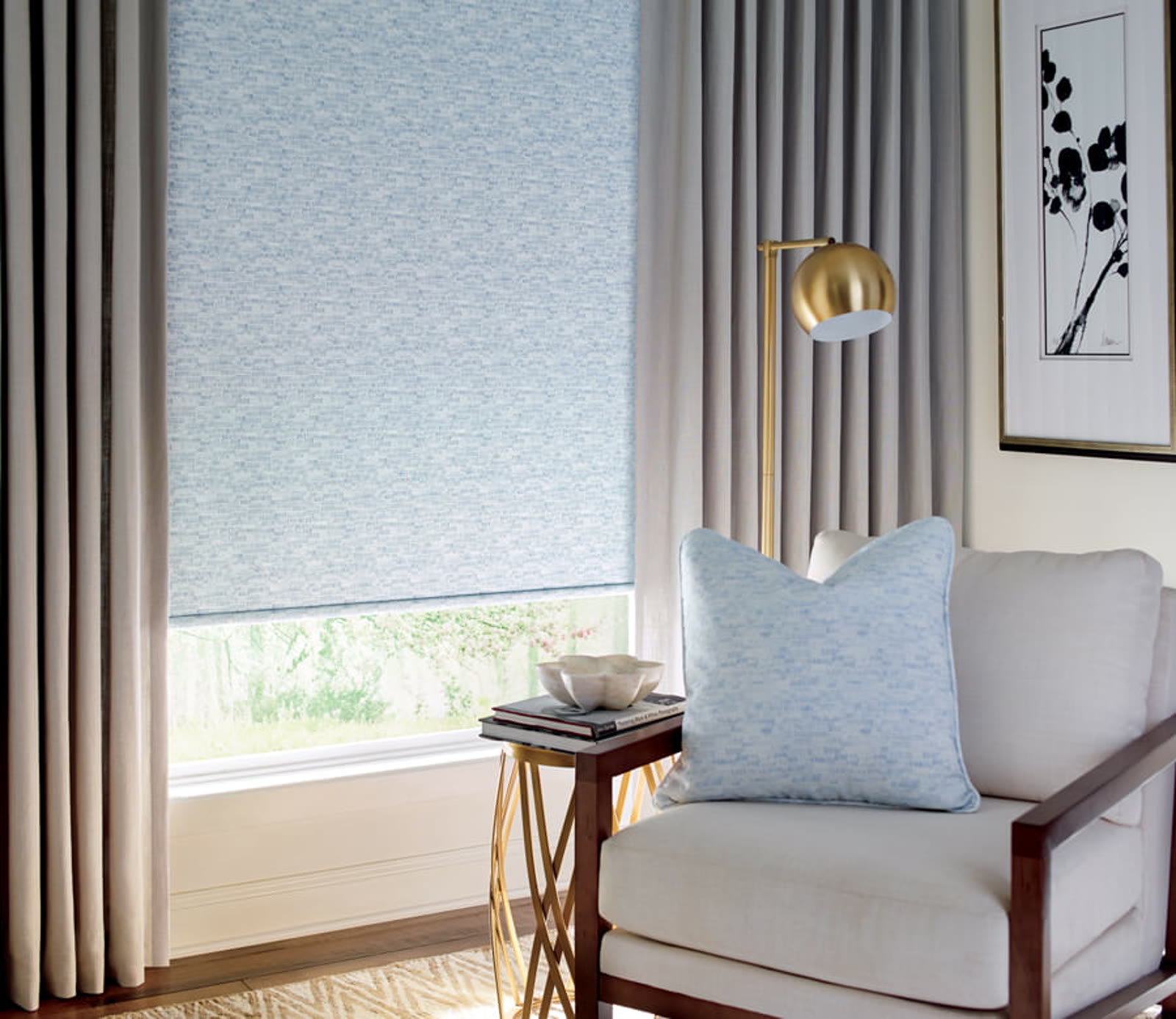
This is the classic designer setup:
- Roller shade mounted inside the window frame (or tight to it)
- Drapery mounted outside on a rod or track
Why it works:
- Shade is unobtrusive and functional
- Drapery frames the window and hides hardware
- Easy to achieve a “hotel look”
If you like a very clean interior line, you’ll also like roller shades for minimalist and modern interiors.
This is used when:
- The window frame is shallow
- You want better light blocking from the roller shade
- You need the shade to cover uneven trim
In this layout, both treatments are outside mount. The key is managing projection so the layers don’t collide.
World Wide Shades can recommend the right bracket projection and hardware so everything clears—use Contact if you want a quick sanity check.
Spacing rules: the measurements that prevent a “crowded” look
Layering looks expensive when spacing is planned.
As a practical starting point:
- Leave at least 1 inch of clearance between the roller shade hardware and the drapery so fabric doesn’t rub.
- Plan 2–4 inches of projection for drapery hardware depending on pleat type and fullness.
If the drapery is too close, it can interfere with the bottom rail or create friction marks on the drape.
If you’re unsure how a header will look, compare hardware styles in roller shade valance options.
World Wide Shades will help you select a cassette/fascia that coordinates with your drapery—start in the Shade Builder.
Fabric pairing: how to make the layers look intentional
A clean formula is:
- Roller shade in a solid or subtle texture
- Drapery in a texture, weave, or pattern
This keeps the window from feeling busy while still looking designed.
Undertones matter more than the exact color name. For example:
- Warm white roller shade + warm linen drape
- Soft gray roller shade + cool white sheers
- Natural woven texture + oatmeal drapery
If you’re choosing neutrals, cross-check against our window shades color guide.
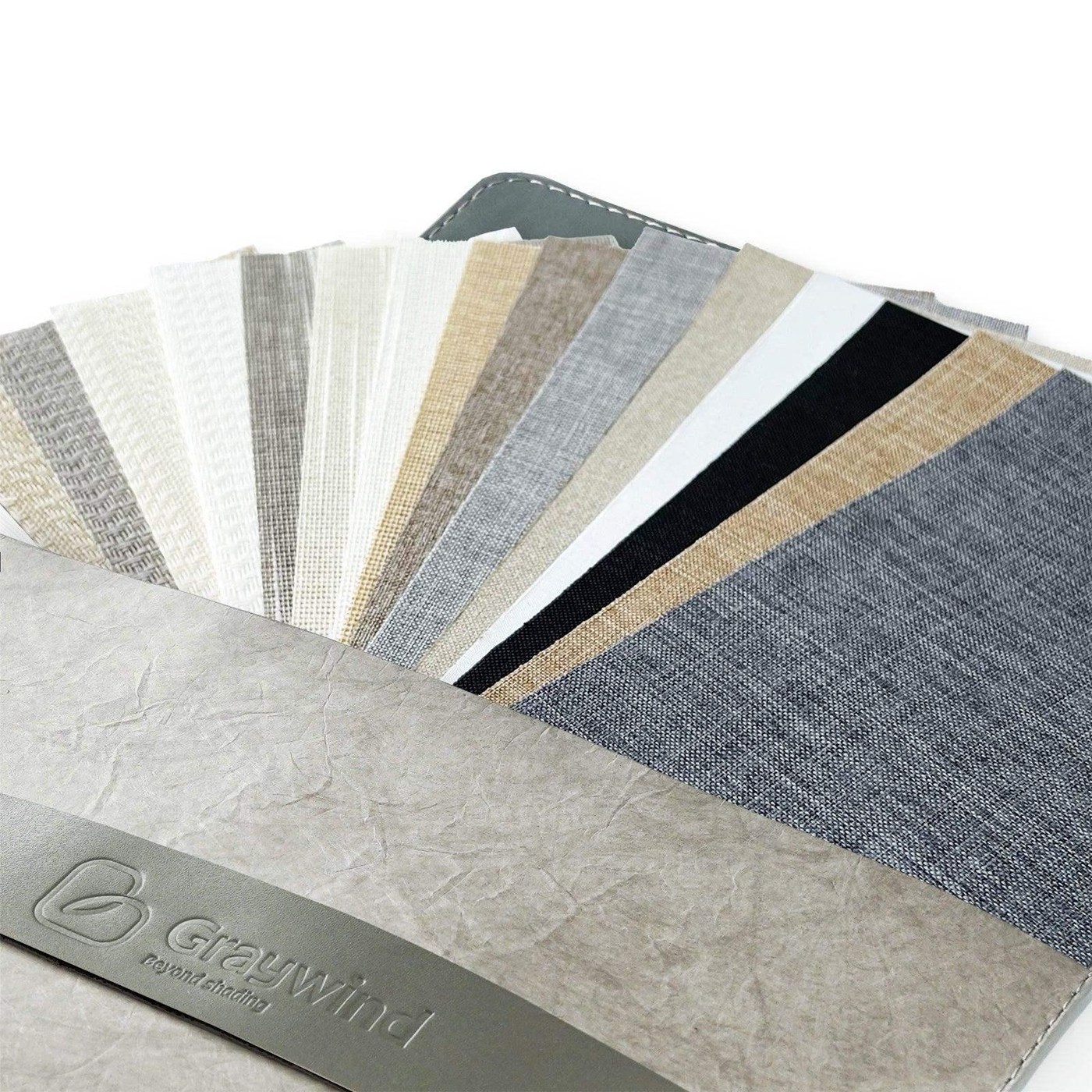
World Wide Shades can send swatches to compare under your lighting—order through Swatches.
In most rooms, drapery is the visual hero and the shade disappears.
If you want the shade to be the hero (for a modern look), use a more architectural hardware choice. Compare in cassette headrail vs exposed tube.
Light control strategy: what layering actually improves
Layering can improve light control in three ways.
A roller shade can be lowered precisely to protect privacy while still letting in light.
If privacy is your primary concern, especially in bedrooms, see best window shades for the bedroom.
Drapery adds an additional layer at night. This can reduce perceived light gaps from the sides of the roller shade.
If you want maximum darkness, compare approaches in blackout curtains vs blackout shades and cross-check details in The complete bedroom blackout shade checklist.
Two layers can reduce drafts and help manage heat gain. If your home has strong seasonal swings, see energy-efficient window shades.
World Wide Shades can help you choose fabrics based on exposure and climate—start in the Shade Builder.
Choosing the right drapery type to pair with roller shades
Great for:
- Living rooms
- Dining rooms
- Street-facing windows where you want softness but not heavy darkness
Great for:
- Bedrooms
- Media rooms
- Homes where street lights bother sleep
Great for:
- Modern interiors
- Large expanses of glass
- A “straight line” look
If your windows are very large, also read shades for floor-to-ceiling windows.
World Wide Shades can help you choose a drapery-friendly shade configuration—use Contact if you want input.
Roller shade details that matter when you plan to add drapery
If you’re using sheers, your roller shade may need to carry more of the privacy load.
For view-preserving glare control, consider solar fabrics; compare options in UV protection window shades.
Layering adds visual elements; the last thing you want is messy operation.
Motorization is especially helpful on layered windows because you can control the shade without disturbing drapery folds.
If you want smart control, start with smart-home motorized shades setup.
World Wide Shades can quote motorization options inside the Shade Builder.
Room-by-room layering examples (what designers actually do)
A designer-friendly formula for living rooms is:
- Solar or light-filtering roller shade for glare control
- Linen side panels to add warmth and height
If you’re choosing shade performance first, start with best roller shades for the living room and light-filtering shades guide.
World Wide Shades can help you pick a fabric that preserves the view without washing out the room—start with the Shade Builder.
In bedrooms, layering is about sleep darkness and privacy:
- Blackout or room-darkening roller shade as the “core” layer
- Lined drapery to reduce perceived side gaps
Two details that matter:
- Outside mount usually blocks more light than inside mount.
- A cassette or fascia can reduce top light leak.
If your goal is truly no glow from street lights, review The complete bedroom blackout shade checklist and compare the pros/cons in blackout curtains vs blackout shades.
World Wide Shades can recommend the right blackout approach for your window type—call (844) 674-2716 or use Contact.
Offices and studios need glare control without feeling closed-in:
- Solar shade (often 1%–3% openness if you have strong sun and screens)
- Minimal drapery, or none at all
If you’re setting up automation for predictable daytime glare control, start with smart-home motorized shades setup.
World Wide Shades can help you choose an openness that reduces screen glare while keeping the view—order Swatches.
Dining rooms benefit from softness, but you still want daylight:
- Light-filtering roller shade in a subtle texture
- Drapery panels (often unlined) for framing
If you like a warm, classic look, borrow style ideas from roller shades for traditional and classic homes.
In new builds, layering often looks best when the shade hardware is integrated:
- Slim cassette or fascia aligned across all windows
- Drapery track hidden under a simple header or crown detail
If you’re coordinating window treatments during a build, see custom shades for new construction.
World Wide Shades frequently helps new-build homeowners coordinate shades room-by-room—start with the Shade Builder.
FAQ: Layering roller shades with drapery
In most designs, yes: the roller shade sits closest to the glass and the drapery frames the window on the outside. This gives clean operation and the most finished look.
Plan at least 1 inch of clearance between layers, and 2–4 inches of drapery projection depending on fullness and header style.
Yes. The blackout shade controls sleep darkness while the sheer drape adds softness and daytime diffusion.
Not always. Drapery can hide an exposed roll, but a cassette can still look cleaner and reduce top light leak. Compare in cassette headrail vs exposed tube.
Often yes, because it keeps operation clean and avoids disturbing the drapery folds. World Wide Shades can price motorization in the Shade Builder.
Match undertones (warm vs cool) and keep one layer simple. Use swatches to test under your room lighting—start with Swatches.
Build a layered window treatment that looks truly custom
Layering is the fastest way to make windows feel finished: functional shades plus soft, tailored framing.
World Wide Shades can help you choose roller shade fabrics and hardware that work with your drapery style and spacing. Start with the Shade Builder, order Swatches, or call (844) 674-2716 for guidance.