Why floor-to-ceiling windows are tricky to cover (and why “one size” fails)
Floor-to-ceiling glass looks amazing, but it amplifies the three things homeowners complain about most: glare, heat, and feeling exposed.
In cooling season, a surprisingly large share of the sun that hits a typical double-pane window can enter the home and turn into heat, which is why big glass often feels “hot” even when your HVAC is running. According to the U.S. Department of Energy, about 76% of sunlight that falls on standard double-pane windows enters to become heat. Energy.gov
That same DOE guidance also notes that windows are a major source of heat loss in winter (about 30% of a home’s heating energy is lost through windows), so large openings can feel drafty without the right attachment and strategy. Energy.gov
The good news: when you plan the right shade type, fabric, and control method, floor-to-ceiling windows become the best feature in your home—not the biggest problem.
If you want help choosing the right option for tall glass, start with the World Wide Shades custom quoting flow. You can explore styles and pricing in minutes using the online Build Your Shade tool.
The big decision: keep the view vs. block the view
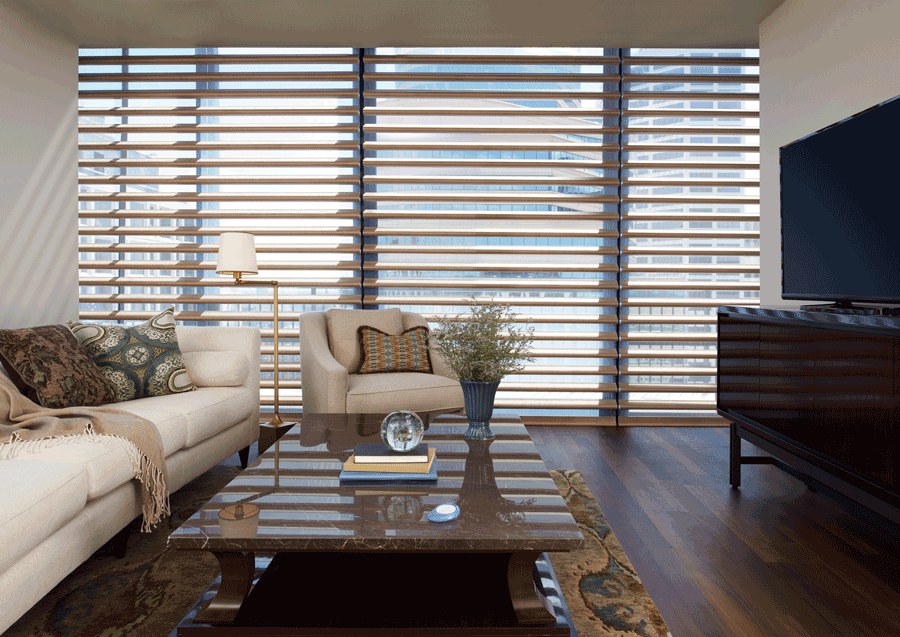
Most floor-to-ceiling windows exist for one reason: the view. Your shade choice should match how often you want that view unobstructed.
Choose solutions that preserve outward visibility while cutting glare and UV.
- Light-filtering roller shades (great daytime softness)
- Solar screen shades (best when glare is the primary problem)
- Sheer or dual-layer systems (when you want a “diffused” look)
If you’re unsure whether light-filtering or solar is right, compare them in our guide on light filtering shades and then request material samples from the World Wide Shades Swatch page.
You’ll want a tighter weave or a blackout solution.
- Room-darkening roller shades (privacy + dim)
- Blackout roller shades (near-total light control)
- Dual roller shades (one layer for day, one for night)
A useful starting point: learn how blackout materials differ in our fabric breakdown, best blackout shade fabrics, and then design your exact system with World Wide Shades on the Build Your Shade tool.
Best shade types for floor-to-ceiling windows (ranked by real-world performance)
There isn’t one “best” product for tall glass—there’s the best match for your window height, your mount type, and how you live.
Roller shades are often the cleanest solution for floor-to-ceiling glass because they stack tightly at the top and don’t visually fight the architecture.
Why they work so well on tall windows:
- Minimal light gaps when measured correctly
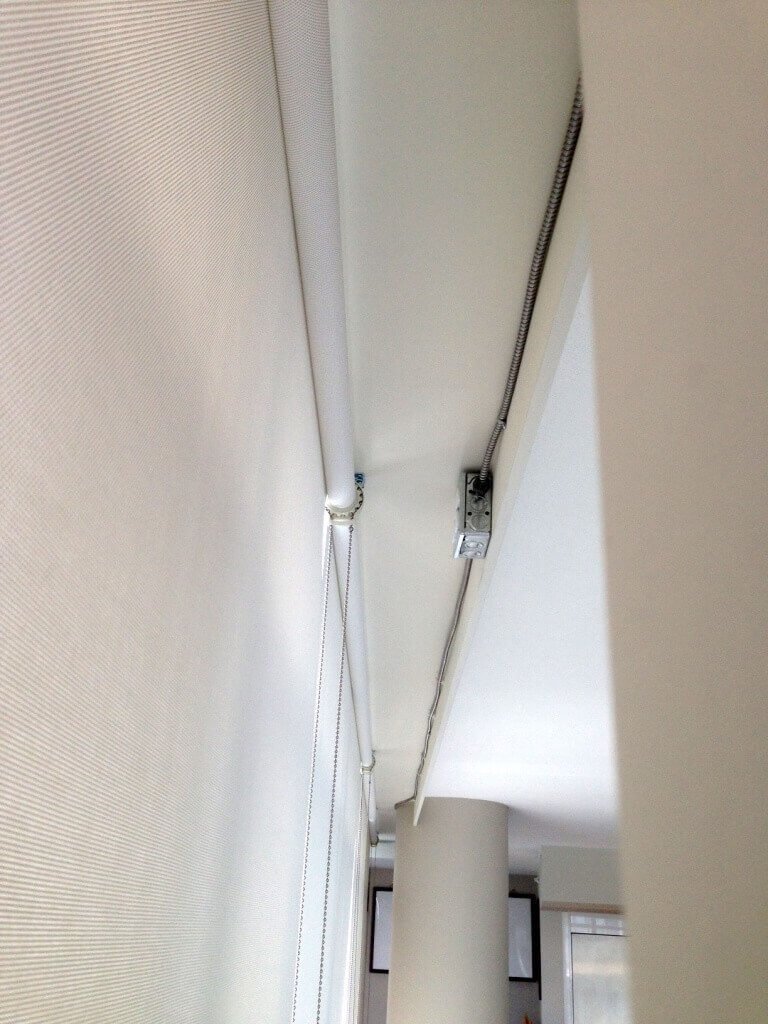
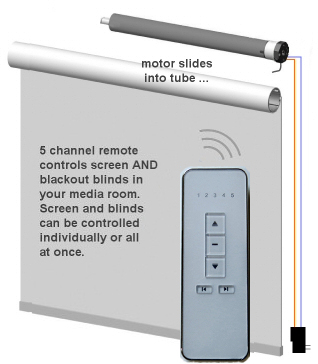
- Easy to motorize (especially important for tall reaches)
- Simple fabric choices: solar, light-filtering, room-darkening, blackout
If you like roller shades but aren’t sure about the finish at the top, you’ll want to choose a valance. See our related post on roller shade valance options.
Ready to spec a roller shade for tall glass? Build yours with World Wide Shades at Build Your Shade or talk to our team at (844) 674-2716.
Dual roller shades put two rollers into one headrail: typically a solar or light-filtering layer for daytime, plus a room-darkening or blackout layer for evening.
They’re ideal when:
- You love daylight but need privacy at night
- You want to reduce glare without living in darkness
- Your room doubles as a TV space after sunset
Learn more in dual roller shades day and night, then start your configuration with World Wide Shades on the Build Your Shade tool.
The higher the glass, the more important motorization becomes. If operating your shade is annoying, you won’t use it consistently—and performance depends on use.
Motorized is especially helpful when:
- The top of the shade is hard to reach
- You have multiple tall windows in one wall
- You want scheduled operation for glare control
If you’re researching smart integration, check motorized shades that work with Alexa and Google Home and smart home motorized shades setup.
If you want help choosing a motorized setup for floor-to-ceiling windows, contact World Wide Shades at (844) 674-2716 or start with the Build Your Shade tool.
Woven wood shades can look incredible in tall spaces, especially if you’re softening a modern room with natural texture.
Two considerations for floor-to-ceiling windows:
- Stack height: the woven material takes more room when raised
- Light gaps: textured materials can allow more light through
If you love the look, read woven wood shades guide and order samples from World Wide Shades at Swatches before you commit.
Measure and mount: what matters most on tall glass
Even the best shade can disappoint if it’s measured or mounted poorly. For floor-to-ceiling windows, the measurement plan is part of the product.
- Inside mount gives a built-in look, but requires depth and may leave more light gaps.
- Outside mount can cover more glass and reduce light leaks—especially helpful for blackout needs.
If you’re deciding between the two, start with inside mount vs outside mount shades.
For DIY measurement confidence, follow our step-by-step guide: how to measure windows for roller shades.
If you’d rather have a pro double-check, World Wide Shades can help you confirm your sizing before you order—reach out at (844) 674-2716.
Fabric selection for floor-to-ceiling windows: solar vs. light-filtering vs. blackout
Fabric does the real work. Hardware helps, but fabric decides glare, heat, UV, and privacy.
Solar fabrics are measured by “openness factor” (how much space exists in the weave). Lower openness usually means more glare control and privacy, but less view clarity.
Choose solar if:
- You want to keep the view during daytime
- You get harsh reflections on TV screens
- You want UV protection for floors and furniture
For more on UV management, see UV protection window shades.
Light-filtering fabrics diffuse sunlight instead of blocking it. That helps rooms feel bright, but less “sharp.”
Choose light-filtering if:
- Your room feels too harsh in afternoon sun
- You want daytime privacy without a dark room
- You prefer a softer design aesthetic
Learn the difference between these and room-darkening options in light filtering shades guide.
Room-darkening cuts a lot of light, but may still allow a glow. Blackout is for true darkness and maximum privacy.
If you need a hard comparison, see blackout curtains vs blackout shades.
To get the right material in person, order from World Wide Shades at Swatches, then finalize your build at Build Your Shade.
Heat and energy: what shades can (and can’t) do for big glass
Shades help most when they’re part of a daily routine and matched to the direction of sun.
- West-facing glass gets low-angle afternoon sun that creates intense glare.
- South-facing glass gets more consistent direct sunlight depending on season.
- North-facing glass is usually softer light but can still need privacy.
DOE notes that “smart management of window coverings” can meaningfully reduce heat gain, which is why the right control method matters as much as the fabric. Energy.gov
If your floor-to-ceiling windows face intense sun, pair shades with an operational plan. For orientation-specific tips, read best shades for south-facing windows.
Design tips: make tall shades look intentional (not like an afterthought)
Floor-to-ceiling windows are architectural. Your shades should feel that way too.
A clean valance can make the whole setup look built-in. If you want inspiration, review roller shade valance options.
With tall glass, a single clean shade (or a dual roller) usually looks better than stacking multiple bulky treatments.
Multiple floor-to-ceiling panels look best when the weave, color, and openness are consistent.
For color coordination ideas, see window shades color guide.
Common floor-to-ceiling window scenarios (and what we recommend)
Use these as quick shortcuts to narrow your choice.
- Daytime: solar shades to control glare while keeping the skyline view
- Nighttime: add a room-darkening layer or dual roller for privacy
Start by ordering samples from World Wide Shades at Swatches, then configure your solution on Build Your Shade.
- Solar or light-filtering to reduce reflections
- Consider motorization so you actually adjust throughout the day
If you want a deeper comparison of window coverings vs other options, see roller shades vs blinds vs curtains.
- Prioritize privacy and light control
- Outside mount can reduce light leaks
For bedroom-specific guidance, read best window shades for bedroom.
FAQ: floor-to-ceiling window shades
For most homes, custom roller shades are the most versatile because they look minimal, come in solar through blackout fabrics, and are easy to motorize for tall reaches. If you want to start quickly, World Wide Shades makes it easy to configure a tall-window roller shade on the Build Your Shade tool.
If you can’t comfortably reach the shade daily, motorization is usually worth it. You’ll use the shades more consistently, which improves comfort and glare control. World Wide Shades can help you choose the right motorized setup—call (844) 674-2716.
Yes, especially when used consistently and paired with the right fabric. DOE notes that a large portion of sunlight entering a standard double-pane window becomes heat, which is why managing solar gain matters. Energy.gov
It depends on glare severity, privacy needs, and how much view you want. Many homeowners start with a mid-range openness and adjust after seeing samples. Order a few options from World Wide Shades at Swatches to compare in your actual lighting.
Choose the right mount style, measure carefully, and consider an outside mount if you want maximum coverage. Follow how to measure windows for roller shades and confirm your mount choice with inside mount vs outside mount shades.
Next step: design your floor-to-ceiling window shades
Floor-to-ceiling windows can be the best feature in your home when they’re paired with shades that match your light, privacy, and heat goals.
To get a tailored recommendation from World Wide Shades:
- Build and price your solution online with Build Your Shade
- Order fabric samples at Swatches
- Talk to a specialist at (844) 674-2716