What dual roller shades are (and why homeowners love them)
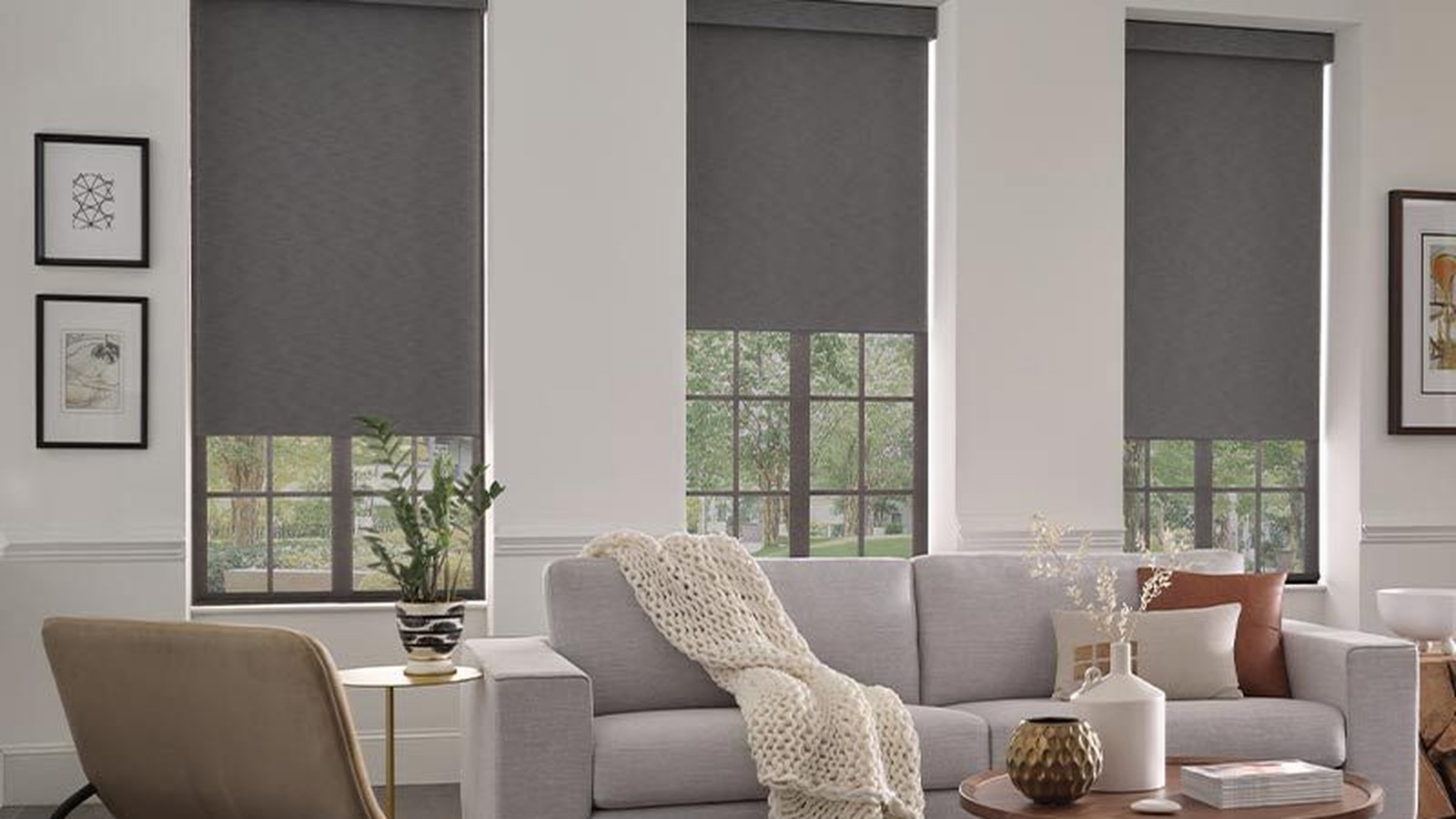
Dual roller shades (often called “day and night” roller shades or “double roller shades”) are two separate shade rolls mounted on one bracket so you can switch between two fabrics—typically a light-filtering screen for daytime and a room-darkening/blackout option for nighttime.
If you’ve ever wished your living room could feel bright and open at 2 p.m. but private and cozy after sunset, this style solves that exact problem without layering a curtain on top.
World Wide Shades designs dual roller shades for real-life routines: morning light, midday glare, afternoon naps, and full privacy at night. When you’re ready to customize fabric, lift type, and mounts, start with the online builder: Build your dual shades.
Day shade vs night shade: what each layer does
The magic is not complicated—it’s just the right fabric in the right moment.
A day fabric is usually light-filtering or solar screen.
- Softens harsh sunlight so rooms feel comfortable.
- Cuts glare on TVs and monitors.
- Adds daytime privacy while still letting you see light.
- Helps reduce UV exposure that fades floors and furniture.
If your home office setup is part of your day, compare these tips to best-shades-home-office-zoom and uv-protection-window-shades before you pick a screen openness.
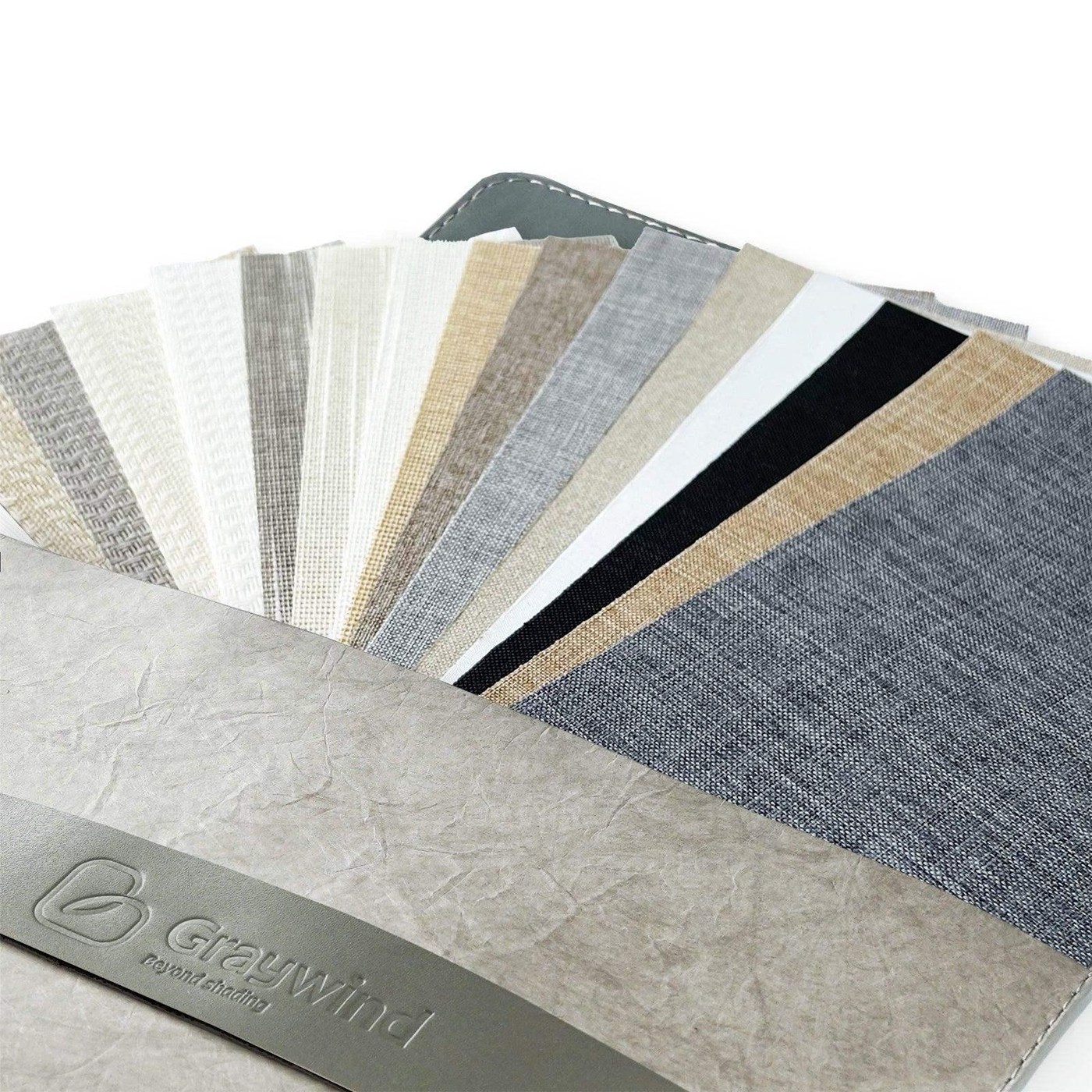
Want to see how different light-filtering options look in person? Order samples here: Get swatches.
Your night fabric is typically room-darkening or true blackout.
- Improves privacy after dark when indoor lights are on.
- Reduces streetlight and neighbor-light intrusion.
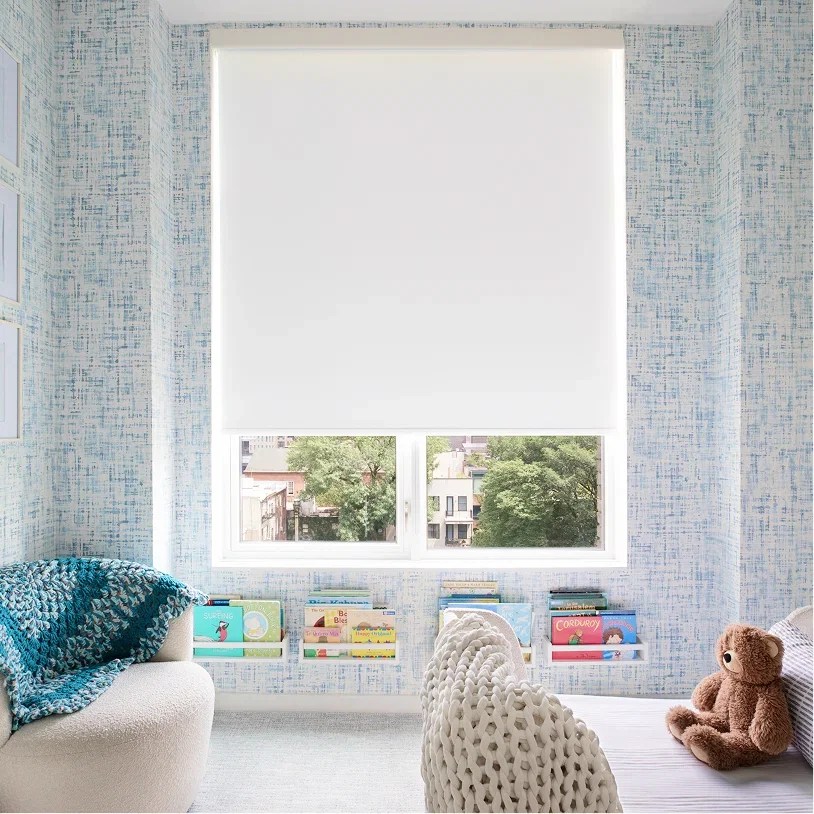
- Supports better sleep in bedrooms and nurseries.
- Helps media rooms feel more like a theater.
If you’re shopping specifically for sleep or children’s rooms, it’s worth reading best-window-shades-bedroom and blackout-shades-for-nursery.
Ready to design your own day/night pairing? World Wide Shades makes it simple: Start in the builder.
How dual roller shades work (mechanics without the jargon)
Dual systems have two tubes, two fabrics, and either one control or two—depending on the lift type.
- Each fabric rolls independently.
- You position the day shade and night shade at different heights.
- When you don’t need one layer, it stays rolled at the top, out of the way.
Many homeowners worry that “two shades” means bulky hardware. In practice, modern brackets are compact, and a valance can make the top look clean and intentional. For design inspiration, see roller-shade-valance-options.
If you want guidance for your exact window size and mount type, contact World Wide Shades at (844) 674-2716 or request help here: Talk to our team.
When dual roller shades are the best choice (and when they aren’t)
Dual roller shades shine when you need flexibility—different light control needs at different times of day.
- Living rooms with big windows: day glare control + nighttime privacy.
- Bedrooms: light-filtering for mornings + blackout for sleep.
- Home offices: reduce screen glare and maintain a bright workspace.
- Street-facing rooms: daytime privacy + nighttime room-darkening.
- Open-concept homes: consistent look across windows even when different rooms need different light control.
For large openings, pair this guide with roller-shades-for-large-windows.
- You want a softer, drapery-style look. Consider Roman shades or curtains; see roller-shades-vs-roman-shades.
- You only need one level of light control. A single roller shade may be simpler and less expensive.
- Your window has complex shapes (arches, angles). Specialty solutions may be better.
Still not sure? World Wide Shades can recommend the right setup based on your goals and room—call (844) 674-2716 or message us: Contact us.
Light control and privacy: real-life scenarios
Most people pick dual roller shades because daily life has patterns. Here are common scenarios and how to set the two layers.
Use the day shade lowered to the point where it blocks direct sightlines from outside (often the lower half of the window). Keep the night shade rolled up.
If you’re unsure how much privacy a fabric offers, swatches help you decide quickly: Order swatches.
Lower the day shade to cover the portion of the window where sunlight hits hardest—often the top half for high sun angles, or the full window for intense glare.
Homes that get strong sun for long stretches should also review best-shades-south-facing-windows for heat and glare strategies.
As soon as the lamps come on, lower the night shade. That’s the moment privacy concerns spike because interior lighting can make you more visible from outside.
If your goal is as close to “hotel blackout” as possible, choose a true blackout fabric plus an outside mount when feasible to reduce side light gaps. This is the same logic discussed in inside-mount-vs-outside-mount-shades.
If you want a personalized recommendation for your bedroom, World Wide Shades can walk you through it—start here: Get a recommendation.
Choosing fabrics: what to look for beyond color
Fabrics drive how your room feels. Color matters, but performance details matter more.
Solar screen fabrics are often described by “openness” (how much open area the weave has). Lower openness generally means more glare reduction and privacy; higher openness generally means more view-through.
A practical rule:
- If glare is the main issue, go more privacy-forward.
- If you want to keep a view, go more open.
When in doubt, World Wide Shades swatches make this decision obvious in your own light: See fabrics at home.
- Room-darkening reduces a lot of light but won’t eliminate it.
- Blackout is designed to block light passing through the fabric.
Note: even the best blackout fabric can’t eliminate all light around the edges if the shade is inside-mounted. That’s a mount choice, not a fabric failure.
If you’re trying to choose between blackout solutions overall, you may also like blackout-curtains-vs-blackout-shades.
Controls: chain, cordless, and motorized (what actually changes)
Controls affect convenience, safety, and how “finished” the shades feel day to day.
- Familiar and precise.
- Great for frequent adjustments.
- Can be paired with child safety tension devices.
If child safety is a concern in your home, read child-safe-window-treatments.
Cordless lifts reduce dangling cords and give a clean look.
If you’re prioritizing safety and simplicity, compare to cordless-roller-shades-guide.
Motorization is where dual shades really feel premium.
- Tap a remote or schedule automatic positions.
- Great for tall windows or hard-to-reach areas.
- Helps keep daily routines consistent (morning light, afternoon glare control, nighttime privacy).
If you love smart home integration, see motorized-shades-alexa-google-home and smart-home-motorized-shades-setup.
Want help deciding if motorization makes sense for your windows? World Wide Shades can answer questions fast at (844) 674-2716, or you can request a call: Contact us.
Measuring and mounting: the two decisions that prevent regrets
Fabric is fun. Fit is what makes your shades look custom.
- Inside mount looks streamlined and sits within the window frame.
- Outside mount can cover trim and reduce light gaps—especially helpful for blackout.
For a deeper breakdown, see inside-mount-vs-outside-mount-shades.
Dual shades should be measured with the same care as any custom roller shade.
If you want the full step-by-step, use how-to-measure-windows-for-roller-shades.
And if you’re planning a DIY install, review how-to-install-roller-shades so the finished result looks sharp.
If you’d rather have guidance before ordering, World Wide Shades can help you confirm measurements—call (844) 674-2716 or reach out here: Get measurement help.
Styling dual roller shades so they look intentional (not “two shades”)
Dual shades should feel like part of the room, not an add-on.
The day layer is visible most often. Neutral screens that blend with wall paint tend to look “designer” longer than trendy colors.
For a broader guide to color decisions, see window-shades-color-guide.
A valance can hide the hardware and make the window treatment look built-in. Start with roller-shade-valance-options.
In open-concept layouts, dual roller shades help you keep a consistent look while still giving different rooms the light control they need.
If you’re following design trends, you’ll also enjoy window-shade-trends-2026.
Cost: what makes dual roller shades cost more (and what’s worth it)
Dual roller shades typically cost more than single shades because you’re essentially getting two fabrics and more hardware.
The main cost drivers are:
- Window size (bigger widths need sturdier tubes)
- Fabric selection (performance screens and premium blackout fabrics)
- Lift type (motorization increases cost)
- Mounting style and finishes (valance, fascia, hardware color)
To understand custom pricing in general, see how-much-do-custom-roller-shades-cost.
If you want a quick quote path, the easiest way is to start with World Wide Shades and build your configuration: Price your shades.
Common mistakes to avoid with day & night shades
Most regrets come from a few predictable choices.
Some screen fabrics are great for glare but still show silhouettes at night when lights are on. If privacy is important, pick a day layer designed for privacy—not just sun control.
Inside mounts look sleek, but they may allow small side gaps. If blackout is your priority, outside mount or thoughtful light-gap solutions are often better.
Photos can’t match your home’s real light. World Wide Shades swatches help you avoid surprises: Order swatches.
If two chains are involved, think about which side makes the most sense for daily use, furniture, and traffic flow.
FAQ: dual roller shades (day & night)
Not exactly. Zebra shades use a single fabric with alternating sheer/solid bands that align for light control. Dual roller shades use two separate fabrics on two rolls, giving you a true “day fabric” and a true “night fabric.”
Yes—choose a blackout fabric for the night layer. Remember that mounting style impacts light gaps. For blackout strategy, also read blackout-curtains-vs-blackout-shades.
They’re excellent for bedrooms because you can keep soft daylight during the day and switch to privacy and darkness at night. Pair this with best-window-shades-bedroom if you’re optimizing for sleep.
In most setups, yes—motorization is one of the best upgrades for day/night routines. For smart home compatibility tips, see smart-home-motorized-shades-setup.
Start with your priorities: glare reduction, privacy, darkness, UV protection, and style. Then confirm your pick with physical samples. World Wide Shades makes it easy to compare options at home: Get swatches.
Get the right day/night setup for your windows
Dual roller shades are one of the simplest ways to get “bright when you want it, dark when you need it” without cluttering the window with multiple treatments.
World Wide Shades can help you choose fabrics, mounts, and controls that match your routine—and look custom from day one. Start your configuration here: Build your dual roller shades.