Why traditional homes need a different roller shade playbook
Traditional and classic interiors are built on proportion, symmetry, and craftsmanship. Window treatments have to look intentional from across the room and up close at the casing. Roller shades can absolutely fit the style—but only when the details match the architecture.
In a traditional home, the wrong shade usually fails in one of three ways:
- The hardware looks “temporary.” Exposed tubes, shiny brackets, and bright white chains fight with wood trim and classic millwork.
- The fabric looks flat. Ultra-smooth screens and techy textures can read “commercial” next to crown molding and paneled doors.
- The placement breaks the lines. A shade mounted slightly off-center or slightly too narrow is more noticeable in a symmetrical room.
If you want a traditional room to feel finished, plan roller shades the way an interior designer would: match undertones, hide or dress the headrail, and size the shade to the window and the trim profile.
If you’d like help turning your exact measurements into a traditional-friendly spec, start with the World Wide Shades configurator and save your build for review: Design your shades in the builder.
Fabric selection: what looks “heritage” (and what doesn’t)
A classic space typically wants soft texture and low sheen. You can still get modern performance (UV control, insulation, easy cleaning) without the glossy, office-like look.
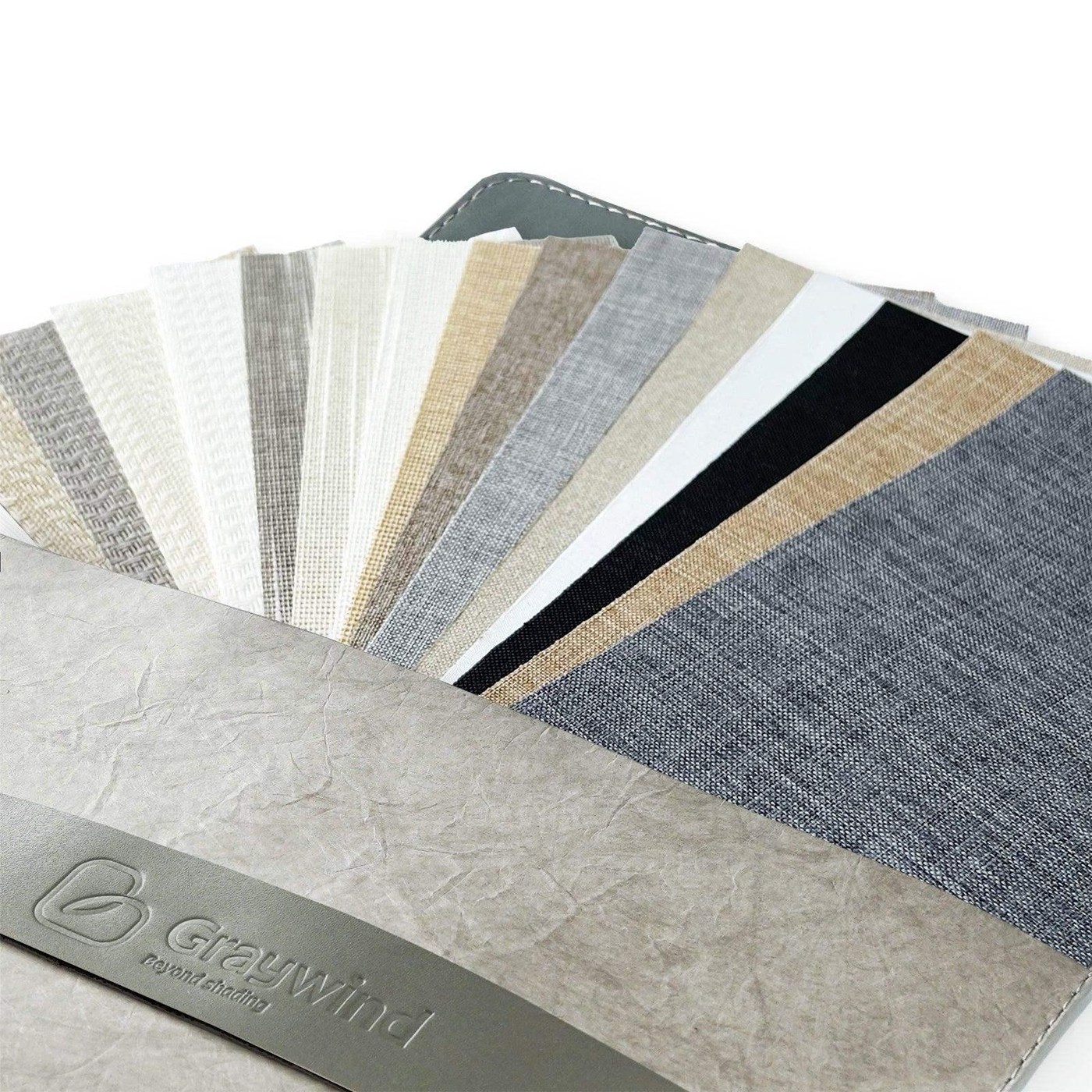
- Linen-look weaves (poly blends): you get a subtle slub texture that reads like natural fiber, but cleans like a performance fabric.
- Textured neutrals: basketweaves, small herringbones, and tonal patterns that disappear from a distance.
- Warm whites and ivories: better than bright optic white when you have warm trim, brass, or creamy wall paint.
- High-sheen vinyl: can look “builder grade” in formal living rooms.
- Dark solar screens in small traditional rooms: they can make windows look like black holes when paired with darker wood trim.
- Large bold geometrics: unless the rest of the decor is very controlled, they pull the room modern.
If you’re deciding between light-filtering and blackout performance, read World Wide Shades’ comparison guide: Blackout curtains vs blackout shades and Light-filtering shades guide.
CTA: Want to see textures in person? Order samples from World Wide Shades and compare them against your trim and paint: Get swatches or call (844) 674-2716.
Valances, cornices, and cassettes: how to “finish” a roller shade in a classic room
Traditional interiors rarely leave the top of the window untreated. That doesn’t mean you need full drapery—just a clean top treatment.
A cassette is a wrapped headrail that hides the roller tube. In a classic home, a cassette works best when:
- it’s color-matched to the fabric (or trim)
- the profile is slim (not bulky)
- the shade is mounted perfectly level
A valance or cornice can make a roller shade feel like it belongs in a room with:
- crown molding
- picture-frame molding
- built-ins and fireplaces
A common “sweet spot” proportion is a 5–8 inch valance height for typical residential windows, and 8–12 inches for taller windows or rooms with higher ceilings. The goal is simple: the top treatment should look intentional, not like a narrow strip.
Learn your options in more detail here: Roller shade valance options.
CTA: If you’re unsure whether a cassette or valance will look best in your space, World Wide Shades can help you match the style and hardware finish—start with your shade build: Start in the builder.
Mounting rules for classic trim and deep window casings
Traditional homes often have deeper casings and heavier trim. That affects how shades fit.
Inside mount is ideal when you have enough depth for the roller and brackets. It creates a tailored, “built-in” look.
Key sizing note: for many roller shade systems, you should plan for a small clearance to avoid rubbing. That can create visible “light gaps” on the sides—normal for roller shades. If you care about light control, consider a slightly wider outside mount or add side channels in bedrooms.
Outside mount can be perfect in a classic home if you treat it like millwork:
- mount wide enough to cover the glass and reduce light gaps
- align the shade with the outer casing so it looks centered
- consider a valance/cornice to match the traditional profile
For help deciding, see: Inside mount vs outside mount shades.
CTA: Want a no-surprises fit? World Wide Shades can guide measurement and mounting choices—call (844) 674-2716 or contact us.
Color matching in classic interiors: undertones matter more than you think
In traditional rooms, colors are usually quieter—but the undertone is everything.
- Honey oak / warm maple: lean toward warm whites, oatmeal, flax, and light tan.
- Cherry / mahogany: consider richer neutrals (mushroom, greige, warm taupe) so the contrast isn’t harsh.
- Painted white trim: choose soft whites that match the paint’s undertone (warm vs cool).
If you’re actively picking colors, World Wide Shades has a practical guide for coordinating shades with walls and trim: Window shades color guide.
Hold your swatch against the trim and step back about 3 feet. If the fabric reads too gray or too yellow from that distance, you’ll notice it every day.
CTA: Make undertones easy—order World Wide Shades swatches and compare them in morning and evening light: Get swatches.
Layering roller shades with drapery (the most classic combo)
If you love drapery panels, roller shades are the perfect functional layer underneath.
The classic formula:
- Roller shade for daily privacy and glare control
- Stationary drapery panels for softness, symmetry, and a finished look
This setup also helps you avoid constantly opening and closing drapes, which can fade fabrics and stress hardware.
For a deeper breakdown, read: Roller shades with drapery layering guide.
CTA: Want to spec a roller shade that disappears behind your drapery header? Build it with World Wide Shades: Design your shade.
Rooms where traditional-style roller shades shine
Choose textured light-filtering fabric with a cassette or valance. Keep operation quiet and smooth.
Aim for a warm neutral that looks good under warm evening lighting. Consider motorization for wide windows.
Related reading: Roller shades dining room style guide.
If the room is classic but sleep matters, use blackout fabric and consider side channels to reduce light leaks.
Related reading: Best window shades for bedroom and Roller shade light gaps: side fixes.
CTA: If you want a bedroom solution that looks traditional and sleeps like a blackout cave, World Wide Shades can spec blackout + side channels—contact us or call (844) 674-2716.
Cost expectations for traditional-friendly upgrades
Traditional styling often adds one or two upgrades:
- Cassette or valance: typically adds cost, but dramatically improves appearance.
- Higher-end fabric textures: often priced above basic screens.
- Motorization (optional): helpful for tall or wide traditional windows, but not required for every room.
For a grounded cost baseline, see: How much do custom roller shades cost.
CTA: Want a fast quote? Build a shade in World Wide Shades and we’ll help you optimize style vs budget: Start in the builder.
FAQ: Roller shades for traditional and classic homes
Not if you choose a low-sheen textured fabric and finish the top with a cassette, valance, or cornice. The “modern” look usually comes from exposed hardware and flat screen fabrics.
Warm whites, flax, oatmeal, and mushroom/greige typically blend better than bright optic white. Always match undertones to the wood and wall paint.
Inside mount looks most tailored when the casing is deep and square. Outside mount is often easier in older homes with ornate trim or limited depth, especially when paired with a valance.
Go slightly wider with an outside mount, or use side channels in bedrooms. A valance/cassette keeps the top clean while you improve light control.
Yes—roller shades are one of the best functional layers under stationary drapery panels because they handle daily privacy without disturbing the drape styling.
CTA: Ready to make roller shades look “original” to your classic home? World Wide Shades can help you choose fabric, finish, and mount: Design in the builder or contact us.