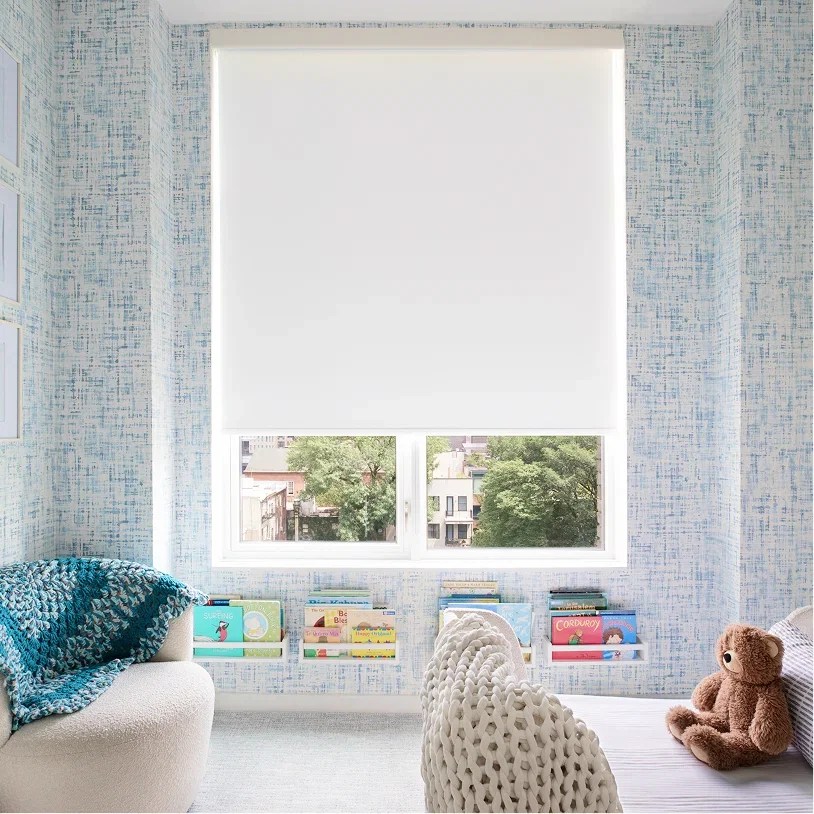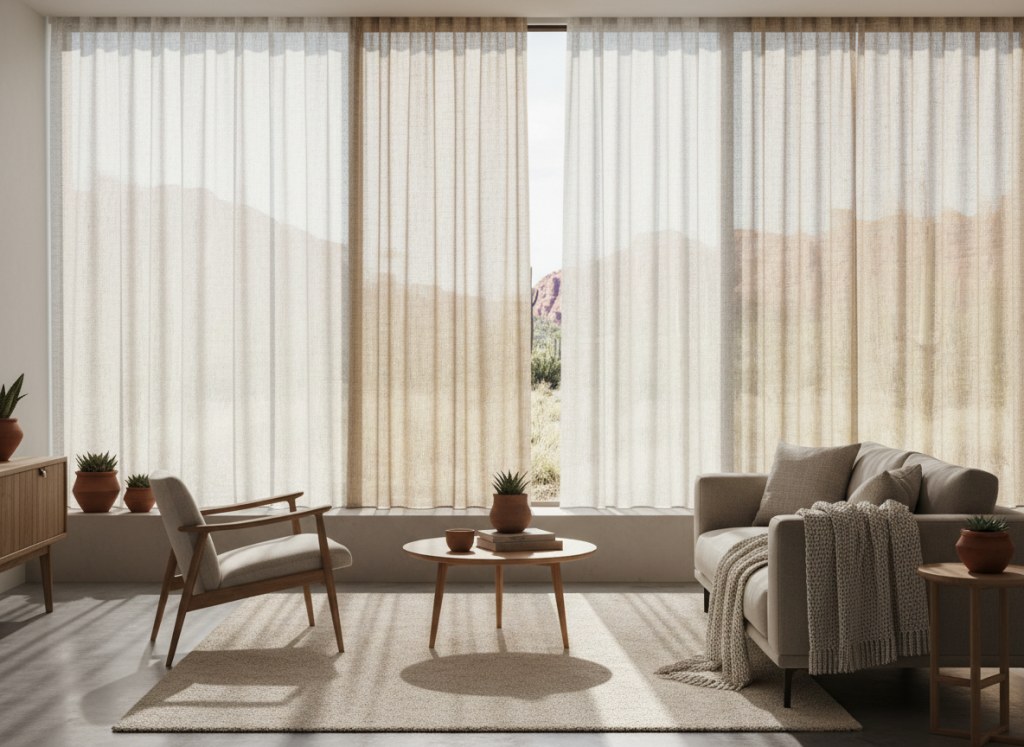
Scandinavian interiors are known for daylight, warm restraint, and rooms that feel calm rather than empty. Scandinavian roller shades support that balance when they are chosen as quiet architecture: clean profiles, matte fabrics, and enough diffusion to make natural light comfortable. The goal is not to cover every window in bright white. It is to control glare, protect privacy, and let the room’s wood, wool, and linen textures remain visible.
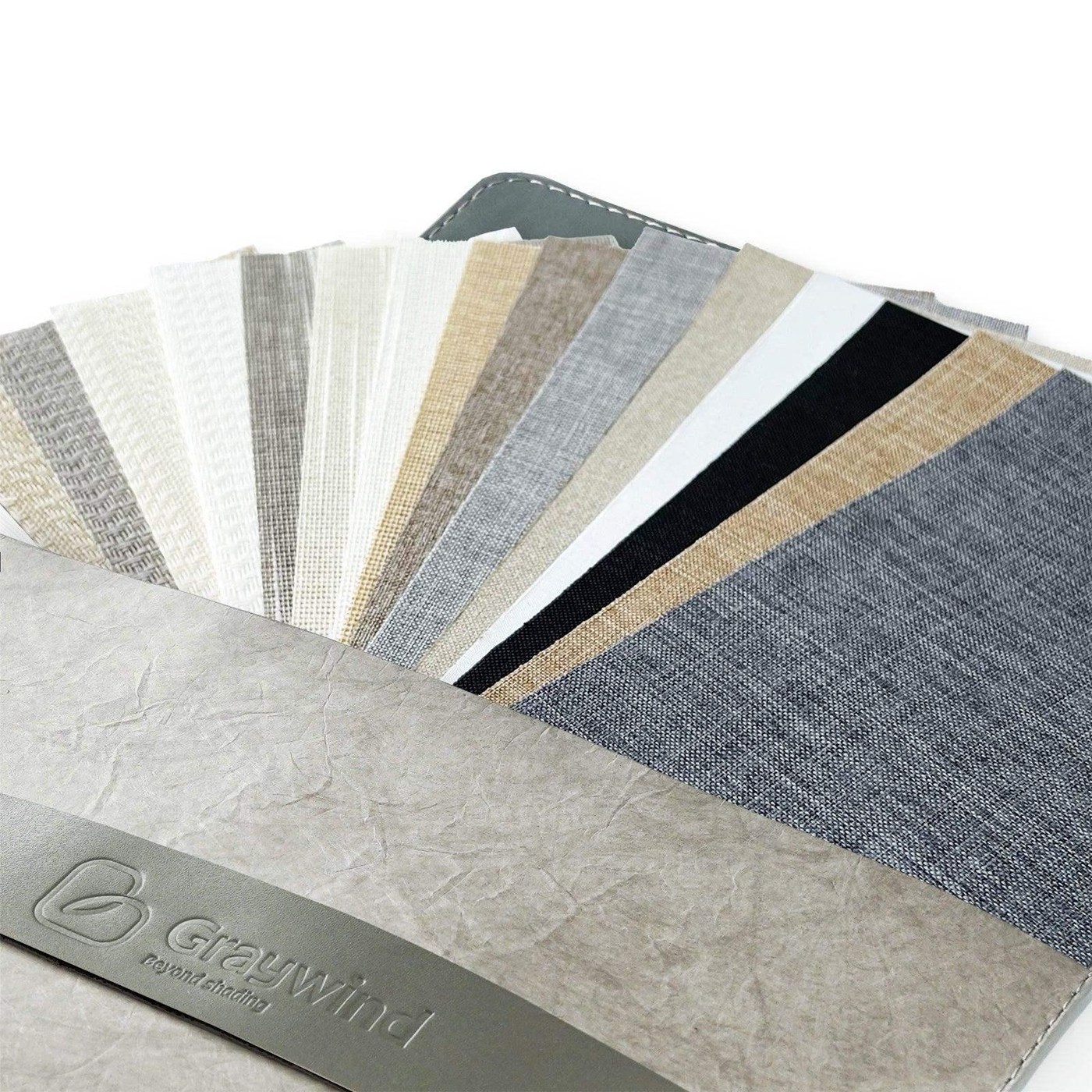
World Wide Shades helps homeowners build that look with custom widths, light-filtering fabrics, solar screens, and motorized controls. You can begin with the World Wide Shades builder, order World Wide Shades swatches, or contact World Wide Shades for a room-by-room recommendation. This guide covers proportions, fabrics, colors, mounting, and budgets for a Scandinavian roller shade scheme that works beyond a staged photograph.
What makes a roller shade feel Scandinavian?
The Scandinavian approach starts with function. Daylight is welcome, but harsh sun, screen glare, and nighttime visibility are not. A shade should disappear when raised, sit close to the glass, and have a texture that adds warmth without becoming a pattern competing with furniture.
Three decisions do most of the visual work:
- Opacity: light-filtering for diffused daylight, solar for view and glare control, or room-darkening for sleep and media use.
- Undertone: warm white, oatmeal, flax, pale greige, or soft gray instead of a blue-white that can make wood floors look orange.
- Profile: a slim roller, concealed cassette, or simple fascia rather than ornate valances and decorative hardware.
The U.S. Department of Energy notes that window coverings help manage sunlight and heat, so the minimalist choice can also be a comfort choice. For a Scandinavian room, World Wide Shades recommends starting with performance needs and then narrowing the palette with swatches, not selecting a shade from a screen alone.
The best Scandinavian roller shade fabrics
Linen-look fabric is the easiest way to keep a roller shade from appearing flat or commercial. A subtle slub catches daylight, softens the view of the roll, and pairs with oak, ash, birch, boucle, and matte black accents. Light-filtering fabric is suitable for living rooms, dining areas, and home offices where you want a bright atmosphere without a direct beam.
Avoid a high-contrast weave if the rest of the room is quiet. A texture that is only one or two tones away from the base color will read as architectural rather than decorative. Compare samples on the wall at morning and afternoon; our light-filtering shades guide explains how openness and privacy change throughout the day.
A solar roller shade uses an open screen to reduce glare while maintaining a view. For a Scandinavian living room with large south- or west-facing glass, 3% or 5% openness is a practical starting point. A 10% fabric preserves more daylight and view, but it also admits more glare and offers less daytime privacy.
Solar fabric can be especially effective behind a work desk or dining table because it reduces the contrast between a bright window and a darker screen. It will not provide full privacy once the room is lit at night, so plan a secondary layer where needed. World Wide Shades can coordinate a solar roller with a room-darkening shade in the bedroom; build your combination or call (844) 674-2716 for sizing help.
A minimalist bedroom still needs deep sleep. Blackout roller shades reduce visible light through the fabric, but an inside mount may leave narrow side gaps. An outside mount, overlap, or side channel can improve the result. Choose a matte, warm neutral rather than a shiny white if the room includes natural wood and woven bedding.
For a window next to a bed, cordless or motorized operation keeps the profile clean and avoids a control chain near pillows. Pair blackout with a lighter daytime layer if the room feels too dark at noon. Compare the trade-offs in best window shades for bedrooms and blackout curtains versus blackout shades.
Scandinavian color and proportion rules
Warm white is not the same as yellow. Look for ivory, chalk, bone, flax, or soft cream, and compare the sample against the trim. Cool daylight can make a warm fabric appear balanced; incandescent bulbs can make it appear richer at night. The right choice usually echoes one existing finish rather than matching every wall exactly.
For more color, consider pale sage, muted blue-gray, mushroom, or sand. Avoid choosing a bold shade color to create interest in an otherwise restrained room; use a textile, artwork, or chair for that job. The window shades color guide covers undertones and sample testing. Order World Wide Shades swatches before approving a whole-home palette.
Use the same fabric across a row of windows even if sizes differ. Align headrails at a common height when possible, and split very wide spans into two or more shades so the roll remains straight and the lift stays manageable. As a planning guide, spans over 72 inches often deserve a discussion about center support, fabric weight, and multiple units; the actual limit depends on the fabric and hardware.
An inside mount preserves trim and feels discreet. An outside mount can make a small window appear wider and reduce light gaps. A cassette conceals the roll, while a slim exposed tube can suit a more casual Nordic interior. World Wide Shades can show both options in the builder.
Room-by-room applications
In a living room, choose 3% to 5% solar fabric if the priority is view and glare control. In a dining room, light-filtering linen-look rollers keep faces and food colors comfortable without making the space feel closed. In a home office, solar rollers can reduce monitor reflections; our noise-reducing window shades guide also covers when heavier constructions can improve the room’s acoustic feel.
In a kitchen, choose a wipeable fabric and keep the shade clear of the sink faucet. For a bathroom, prioritize privacy and moisture tolerance; our roller shades for kitchens and bathrooms guide explains placement and ventilation. In a nursery, cordless and motorized options can support a clean look while reducing dangling cords; see child-safe window treatments.
World Wide Shades can keep the hardware consistent across all of these rooms. Use contact to discuss a whole-home plan, or call (844) 674-2716 when windows have deep trim, handles, or unusual mullions.
Motorization without losing the quiet look
Motorization fits Scandinavian design because it removes visual and operational clutter. A rechargeable motor can raise or lower the shade from a remote or app, while smart integration can schedule shades to open with a morning routine and close during the strongest afternoon sun. Typical planning ranges are $100 to $250 above manual shade pricing for rechargeable motorization, with hardwired and connected systems costing more.
Use automation for a clear purpose: raise bedroom shades at 7 a.m., lower west-facing shades at 3 p.m., or close every privacy shade at sunset. Over-automating a simple window adds cost without improving the room. World Wide Shades can help specify a quiet motor and fabric combination; review smart home motorized shades setup and motorized shades with Alexa and Google Home before you choose a hub.
Budget, care, and longevity
Custom manual roller shades commonly fall around $150 to $450 per standard window, while motorized units may land around $300 to $800 depending on dimensions, fabric, and controls. A six-window living room might therefore range from $900 to $2,700 manually or $1,800 to $4,800 with motorization. These are budgeting ranges; World Wide Shades will price the actual fabric, hardware, and installation requirements.
Dust with a soft brush or low-suction upholstery attachment. Spot-clean only as the fabric maker permits, and do not soak a rolled shade. Solar and light-filtering fabrics can last 8 to 15 years with correct use, but a misaligned roll or repeated rubbing against trim shortens life. For a custom estimate, configure the project in the World Wide Shades builder, review how to install roller shades, and contact the team.
Frequently Asked Questions
No. Warm white, flax, oatmeal, pale greige, sand, and soft sage all work. The best color has a restrained value and an undertone that complements the room’s wood and upholstery.
A 3% or 5% solar fabric is a useful starting point for strong sun and screen glare. Choose 10% when preserving the view and daylight matters more than maximum glare reduction, and use light-filtering fabric when privacy is a higher priority.
Yes. Choose a matte linen-look or softly woven fabric, warm-neutral color, and a concealed or slim headrail. Layering a roller with natural drapery can add softness without visual clutter.
Yes. Rechargeable motorized rollers can preserve the clean profile and can be scheduled or integrated with common smart-home systems. Confirm hub compatibility before ordering.
World Wide Shades can coordinate fabric, color, hardware, and control style across different window sizes. Start with World Wide Shades swatches, configure in the builder, or contact the team.