The Short Answer for Living Rooms
The living room is the hardest window assignment in the house. It needs daylight for morning coffee, glare control for the television, a view worth keeping, and enough discretion that the room still feels composed after dark. That is why the light filtering vs solar shades question comes up so often with design-minded homeowners.
Here is the practical split. A solar-screen fabric is built around an openness factor, so it trades a little daylight for a clearer view and strong glare reduction. A light-filtering fabric is a more solid weave or coating that softens daylight into a diffused glow and gives up most of the outdoor view. Neither is better in the abstract. The right choice depends on the exposure, the view, and how the room is used.
At World Wide Shades, every shade is custom made by hand in the USA, so you can specify the fabric that suits each window rather than compromising across the whole room. If you already know your direction, open the shade builder and see live pricing as you configure. If you want a second opinion first, call (844) 674-2716.
What Each Fabric Type Actually Does
The two categories are defined by how they handle light, not by a brand label.
Solar-screen fabrics are woven with a measured gap between threads. That gap is the openness factor, the percentage of the fabric surface that is open. A lower percentage means a tighter weave, less daylight, and a more muted view. A higher percentage means more brightness and a clearer view of the outdoors.
The appeal is the combination: the room keeps its connection to the garden or skyline while the fabric cuts glare and tempers heat and brightness at the glass. The U.S. Department of Energy's natural light and daylighting overview notes that screens can help control unwanted glare and heat, and that east- and west-facing windows are harder to manage.
Light-filtering fabrics scatter and diffuse daylight rather than passing a view through it. The result is a soft, even glow that flatters walls, wood, and textiles. Because the weave is denser or the material is more opaque, you generally see shape and movement outside as a silhouette, not as a clear scene.
If your priority is atmosphere and a calm, evenly lit room, this is the category to study. Our light-filtering roller shades page shows the range, and the light-filtering shades guide goes deeper on how these fabrics perform in different rooms.
Light and Glare: The Daylight Comparison
Daylight quality is where the two fabrics feel most different in a living room.
A solar-screen fabric keeps the room bright but tames the hard edge of direct sun, so you can often leave the shade down for much of the day without the room feeling closed in. Tighter openness factors cut more glare. Open weaves keep the room brighter.
A light-filtering fabric converts direct sun into diffuse light. You lose some sharpness in the view, but the room often feels more uniformly lit, with fewer bright patches on floors and furniture.
Orientation matters too. A west-facing living room with late-afternoon glare behaves differently from a north-facing room with soft, steady light. If sun intensity is your main concern, our guide to the best shades for south-facing windows covers how to think about exposure, and the UV protection shade guide explains how fabric choice relates to fading.
Privacy: Day Versus Night
Privacy is where buyers most often get surprised, so it deserves a careful look.
During the day, both categories generally do well from the outside looking in. Bright exterior light makes it harder to see into a room, and most fabrics read as a flat surface from the street.
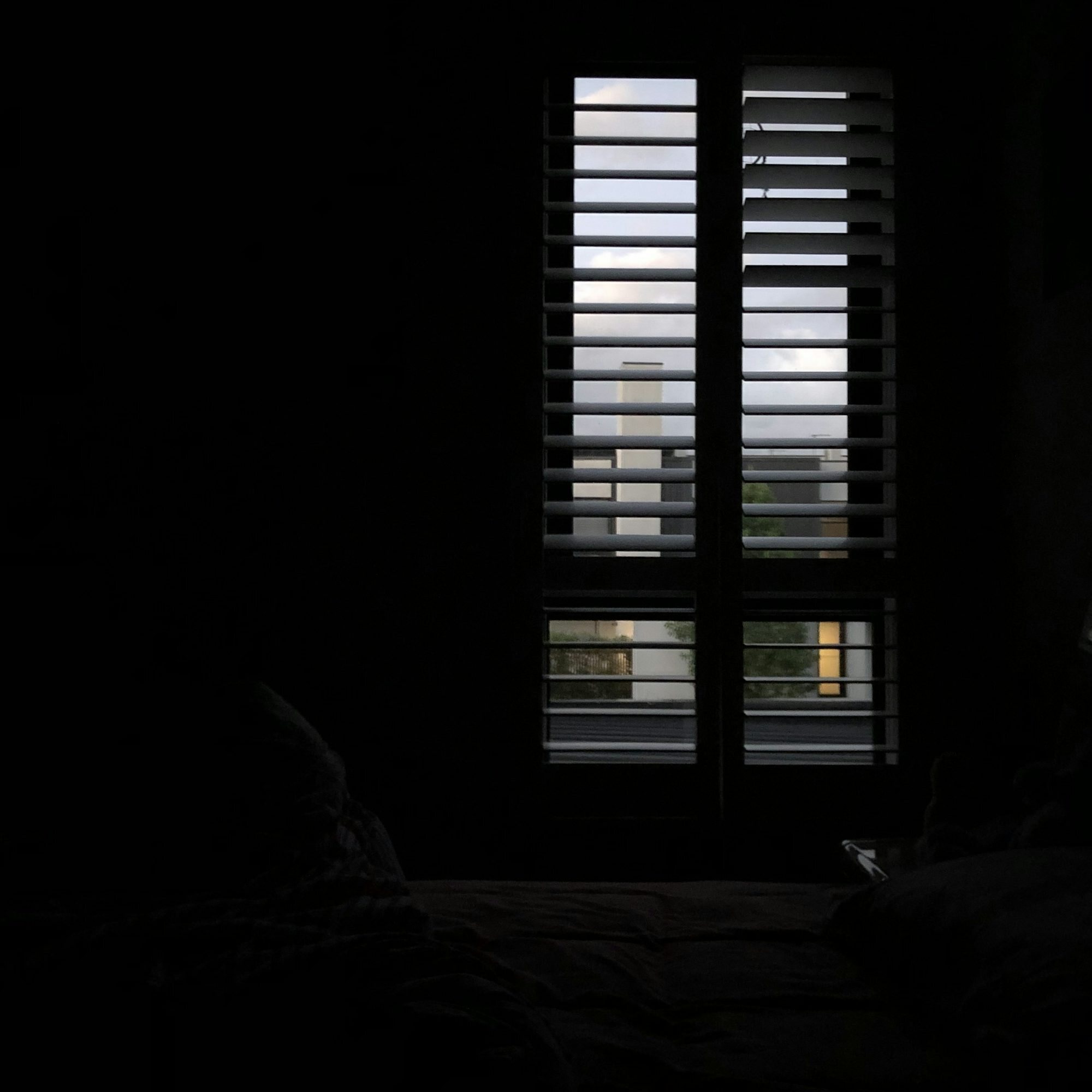
At night, the picture can reverse. When the interior is lit and it is dark outside, people outdoors may be able to see shapes, silhouettes, or more through the fabric. Two things drive that: the fabric openness and your lighting. An open weave lets more through. A bright lamp placed close to the shade lights the fabric from behind. We would not promise nighttime privacy from any shade fabric, and you should plan around that honestly.
If evening discretion matters on a street-facing window, consider a tighter openness factor or a light-filtering fabric, keep lamps away from the glass, or layer a second shade for the hours after dark. Our comparison of blackout curtains vs. blackout shades is useful if you want to understand how a dedicated layer behaves, even though most living rooms do not need full blackout.
View, Openness, and the Look of the Fabric
Openness factor is the single most useful number on a fabric spec, and it is worth reading closely.
- Lower openness: a tighter weave, stronger glare control, and a more subdued view
- Mid-range openness: a balanced view and daylight, which suits many living rooms
- Higher openness: a clearer view and brighter room, with less glare control
World Wide Shades publishes the mill's openness factor for each fabric alongside a genuine swatch photo, so you are reading the maker's own specification instead of a marketing adjective. That matters because two fabrics that look similar online can behave very differently once the sun hits them.
The World Wide Shades collection draws on Phifer, Mermet, Ferrari, Copaco, Senbesta, and Texstyle, which gives you a broad range of weaves, textures, and finishes. You can browse them all on the fabrics page.
Color Choices for a Living Room
Color changes how a shade performs and how it looks from both sides of the glass.
Color changes the shade's room-side appearance, but it is not a substitute for checking the fabric specification. The weave and mill-published openness factor are the clearer guides to view-through and light control; color, glazing, exposure, and the room's brightness all affect what you perceive. A light neutral can visually recede into pale trim, while a deeper charcoal or bronze can create a stronger frame around the window. Mid-tone neutrals such as greige, stone, and soft gray offer a middle path.
With more than 500 colors across 40+ families, World Wide Shades lets you match a warm white to existing millwork, echo a rug, or pick a deliberate contrast. Our window shades color guide walks through how undertones read in daylight, and the fabrics page lets you compare options side by side. For a wider design perspective, see window shade trends.
Which Fits Which Living Room
Rather than choosing in the abstract, match the fabric to the room.
- The view is part of the room's value, such as water, mountains, a garden, or a city skyline
- Glare on a television or screens is the main complaint
- The room faces strong sun and you want to keep it bright without harsh brightness at the glass
- You want a soft, diffused glow and a warmer feel
- The outdoor view is ordinary or you would rather soften it
- The window faces a neighbor, a street, or a busy sidewalk
- Texture and color are part of the design and you want the shade to be seen
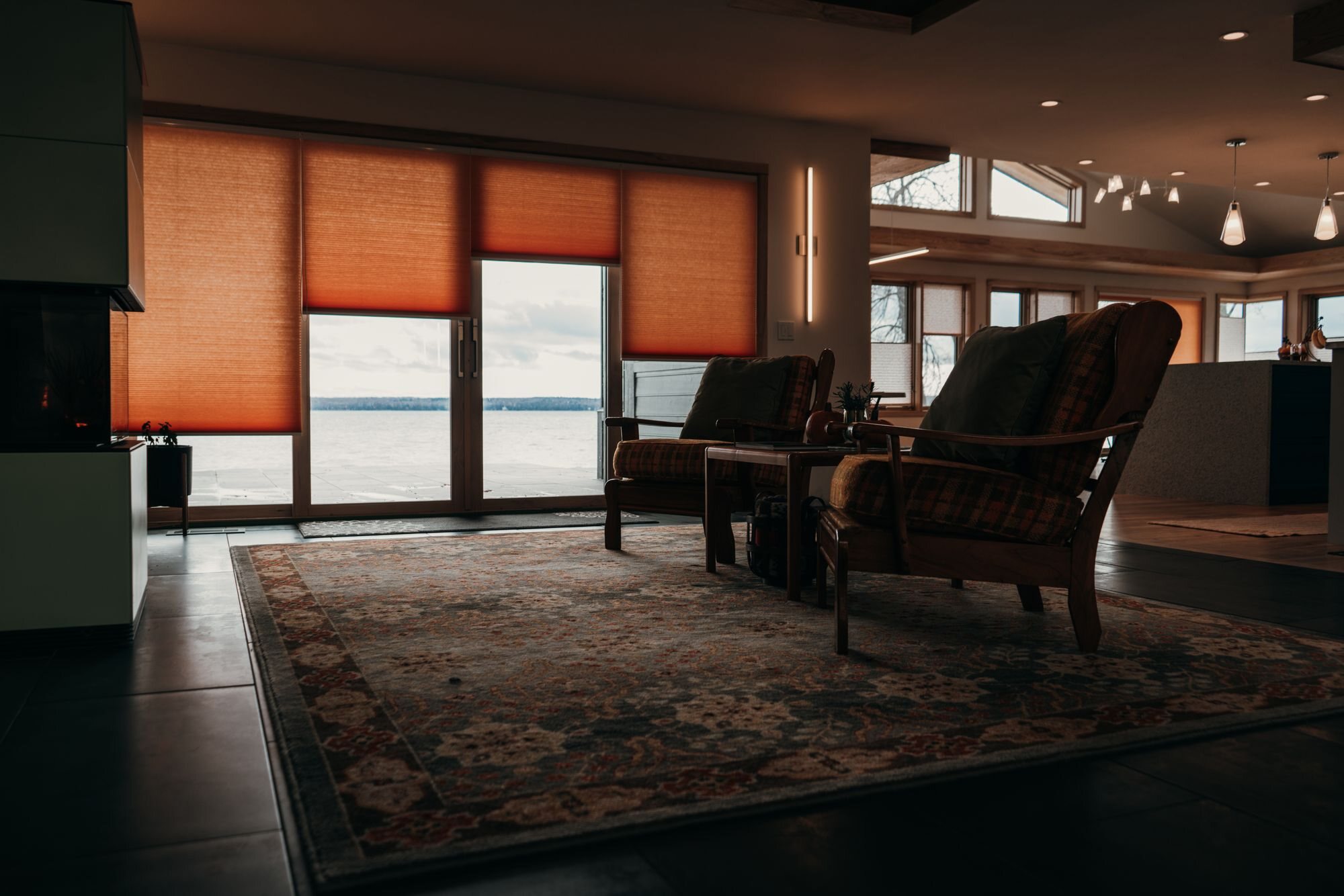
A view window can take a solar-screen fabric while a side window facing the neighbor takes a light-filtering fabric in a coordinated color. Keeping the color family consistent while changing the weave is a common design move. For ideas by room, see our living room shade guide and the best roller shades for the living room.
Cost and Value Drivers
We do not quote prices in an article, because the live price depends on your exact configuration. It does help to know what moves the number.
- Window size: wider and taller shades use more fabric and hardware
- Fabric choice: weave, mill, and construction affect the price tier
- Control type: a manual operation or a motorized option changes the total
- Number of windows: a large run of windows adds up, and consistency across them often matters more than any single choice
The value case is less about the sticker and more about how the shade lives in the room. A fabric that controls glare well gets used daily. One that is wrong for the exposure ends up raised all day and defeats the purpose. Our overview of how much custom roller shades cost explains the drivers in more detail, and the energy-efficient window shades guide helps you weigh comfort benefits. If you are weighing custom against retail, see our comparison of custom roller shades vs. Home Depot.
Control and Operation
Living room windows are often large or tall, so how the shade operates deserves thought. If you want a remote, app, or voice control, read our smart home motorized shade setup guide. Replacing older motors? See upgrading old motorized shades, and for the bedroom, the motorized blackout shades buying guide.
Ordering With Confidence
World Wide Shades makes each shade by hand in the USA, with delivery in 2–4 weeks from order, or 3–4 weeks for limited-stock fabrics and specialty shapes; US shipping is free. If you are comparing ordering methods, our article on buying custom shades online vs. an in-home consultation lays out the tradeoffs, and why made-in-USA custom roller shades matter explains what that means in practice.
Questions about a specific window or fabric? Contact World Wide Shades or call (844) 674-2716, and we will help you narrow the choice.
Frequently Asked Questions
Neither wins everywhere. Solar-screen fabrics suit rooms where view and glare control matter most, while light-filtering fabrics suit rooms where a soft, diffused glow matters most. Many homes use both in different windows.
With a solar-screen fabric, you generally can see outside during the day, and the clarity depends on the openness factor. Light-filtering fabrics typically show shapes and light rather than a clear view. Check the mill-published openness factor and swatch photo for each fabric.
Not reliably. When the room is lit and it is dark outside, visibility depends on fabric openness and the lighting inside, and no fabric can promise privacy. A tighter openness, lamps kept away from the glass, or a second layer can reduce visibility.
Yes. Many designers pair a solar-screen fabric on a view window with a light-filtering fabric elsewhere, keeping the color family consistent so the room still looks cohesive.
Enter your measurements and choices in the builder to see live pricing. If you want help choosing, call (844) 674-2716.
Ready to Order?
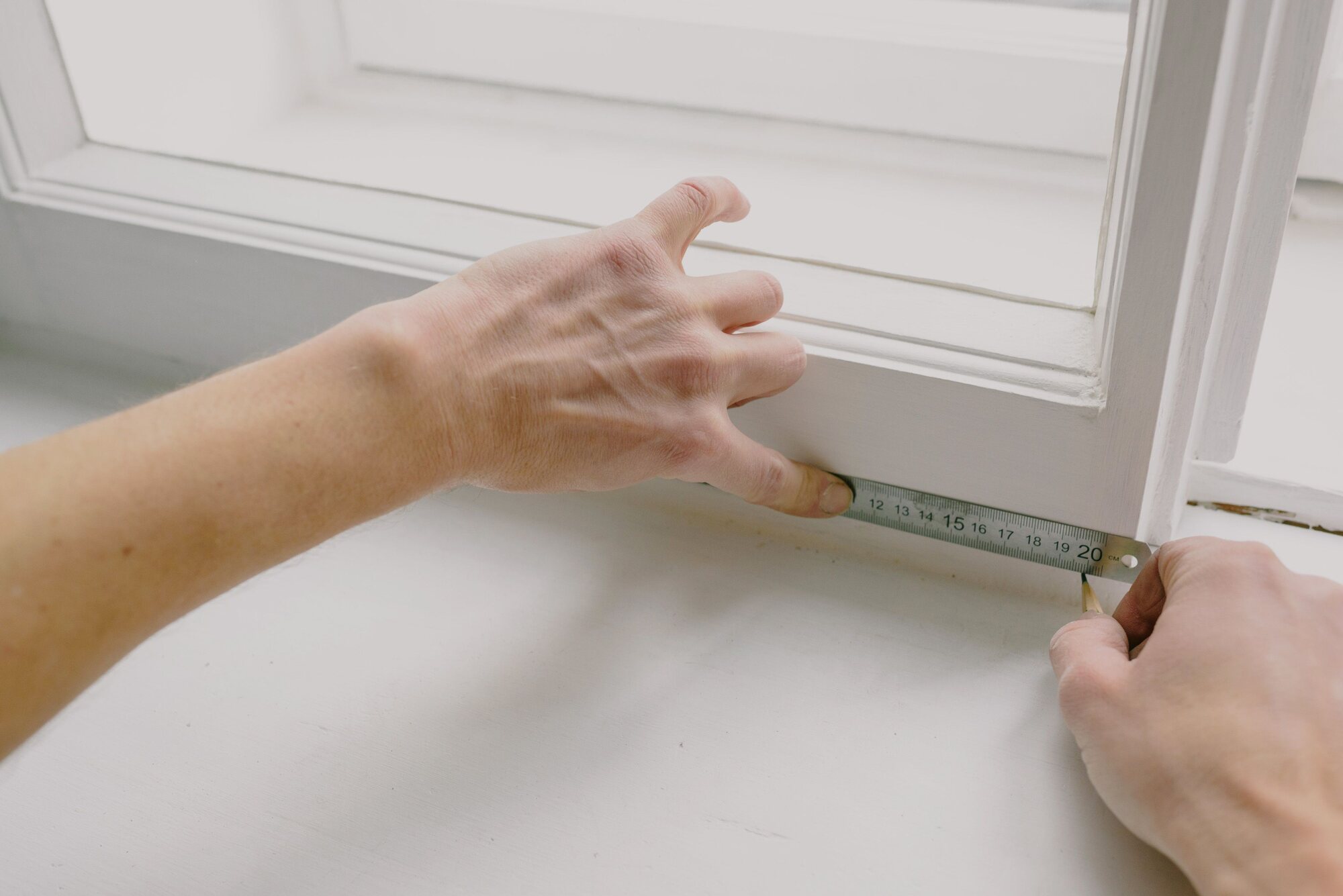
- Measure each window. For inside mount, use the narrowest width from top, middle, and bottom and the tallest height from left, center, and right; enter the exact opening because the factory makes deductions. Confirm at least 1.5 inches of inside depth, with 2.5 inches recommended for motorized shades; if the opening is shallower, use outside mount. For outside mount, add 2–3 inches on each side and 3 inches above the frame. See the measuring guide for details.
- Choose your fabric. Compare openness factors and swatch photos on the fabrics page, or browse light-filtering shades if diffused daylight is the priority.
- Choose your control if you need one, such as a manual or motorized option.
- Open the builder to see the live price for your exact configuration.
- Place your order; delivery is 2–4 weeks from order, or 3–4 weeks for limited-stock fabrics and specialty shapes, with free US shipping.
Need a hand deciding? Call World Wide Shades at (844) 674-2716 or visit the living room page for room-specific ideas.