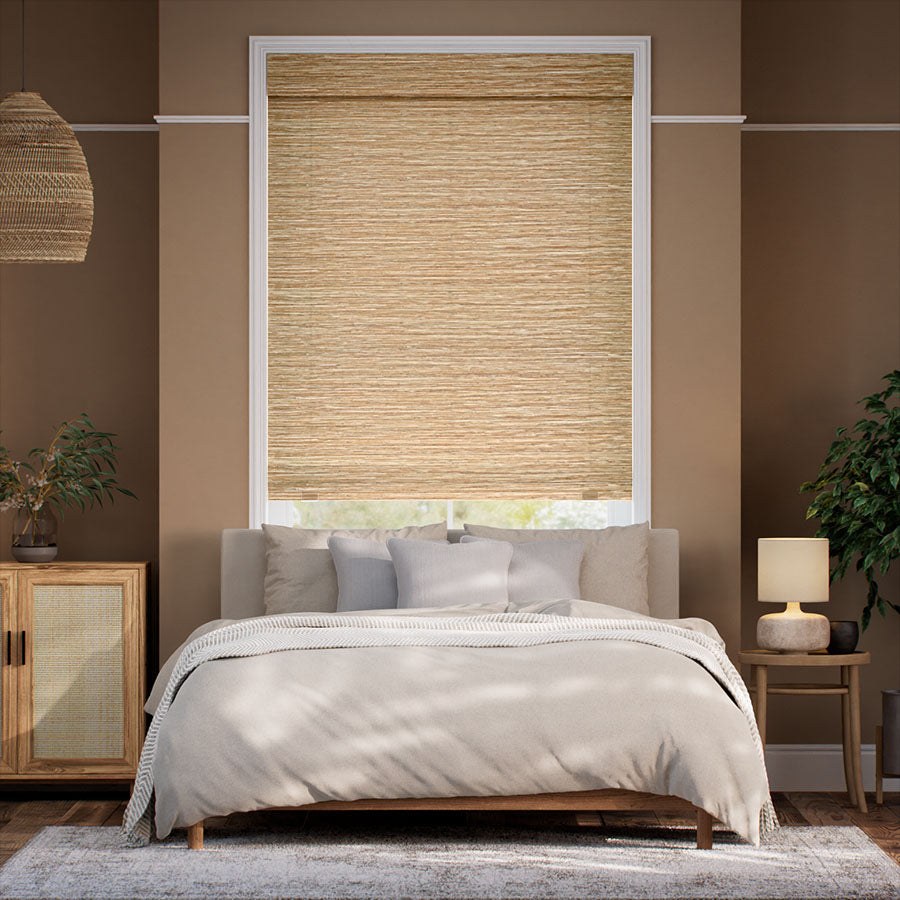
Why hot, humid climates are hard on window treatments
If you live in a hot, humid region (Florida, the Gulf Coast, coastal Carolinas, or the tropical parts of the Southwest), your windows deal with a different set of problems than a dry, temperate climate.
Humidity doesn’t just make your home feel sticky. It can also:
- Encourage mildew smells in certain fabrics
- Warp or degrade low-quality materials over time
- Make it harder to keep indoor temperatures stable
- Increase condensation risks on glass in air-conditioned homes
That’s why “any shade” isn’t always the right answer. You want humid climate window shades that are mold-resistant, easy to clean, and built to handle heat and UV.
World Wide Shades helps homeowners match materials and light-control to their exact climate and window conditions. If you want a fast way to explore fabrics and options, start here: Design your shades with the builder.
What actually causes mold and mildew on shades
Mold needs moisture and a food source. Most shade fabrics don’t “grow” mold on their own, but they can trap dust, oils, and organic debris that becomes food when humidity stays high.
These show up often in humid homes:
- Condensation on glass when cool AC air meets warm, wet outdoor air
- Bathrooms and kitchens where moisture spikes daily
- Coastal air that carries salt and dampness indoors
- Poor ventilation in bedrooms that stay closed during the day
If you’ve ever noticed a musty smell near windows, you’re not alone. The fix is usually a combination of better material choice plus a realistic cleaning routine.
World Wide Shades can recommend fabrics that resist moisture issues and are simple to maintain. If you want help picking the safest material for your space, contact World Wide Shades or call (844) 674-2716.
The best mold-resistant shade materials for humid climates
Material choice matters more in humidity than almost anything else.
In many humid climates, the bigger daily problem is heat load and glare. Solar fabrics help manage both, and they tend to be durable and wipeable.
Solar-style materials are a strong fit when:
- Your windows get intense sun for several hours a day
- You want daytime privacy without feeling “boxed in”
- You want a fabric that’s easy to wipe down
To understand how these fabrics protect interiors, see: UV protection window shades.
Ready to match openness and color to your room? World Wide Shades makes it easy to explore options: Start in the builder.
High-quality roller shade fabrics can work beautifully in humid areas when they’re designed for durability.
Look for fabrics that:
- Hold color well in UV exposure
- Don’t feel “spongy” or textured in a way that traps dust
- Can be lightly cleaned without distortion
If you’re deciding between shade types, this comparison helps frame the pros and cons: Roller shades vs roman shades.
For the most moisture-exposed rooms, wipe-clean materials can be the most practical choice.
They’re especially helpful for:
- Bathrooms with daily steam
- Laundry rooms
- Kitchen windows above sinks
If your primary concern is humidity spikes rather than all-day heat, choose a material that doesn’t hold moisture and can be cleaned quickly.
World Wide Shades can suggest humid-friendly materials for bathrooms and kitchens, and help you avoid “looks good, fails later” options. Contact our team for guidance.
Heat-smart shading: staying cool without living in the dark
In hot, humid climates, AC is often running most of the year. Window shading can reduce heat gain, smooth temperature swings, and make rooms more comfortable.
Strong sunlight plus humidity can make spaces feel harsher and hotter. Good shades reduce:
- Blinding glare (especially on east- and west-facing windows)
- Radiant heat near the glass
- Overheating in rooms with large windows
If you want the energy angle, these two posts are useful background:
World Wide Shades can recommend a heat-smart setup based on which direction your windows face. Build your configuration to get started.
Room-by-room recommendations for humid climates
Humidity affects every room differently. Here’s a practical way to choose.
Bathrooms are the highest-risk room for mildew smell on window treatments.
Best practices:
- Choose moisture-tolerant, wipeable materials
- Keep shades raised when not needed for privacy to promote airflow
- Use your exhaust fan consistently
If you’re outfitting bathroom windows, this is a helpful companion read: Roller shades for kitchen and bathroom.
Kitchens combine humidity spikes with cooking residues, which can stick to textured fabrics.
A smooth, cleanable material is your friend here. You can also choose a light-filtering fabric to soften sun while keeping the room bright.
Bedrooms in humid climates often stay closed during the day, which can trap moisture.
If you’re choosing a bedroom shade, use these guides:
World Wide Shades can help you choose a fabric that improves sleep comfort and still stays low-maintenance. Order swatches to make sure you like the look in your bedroom light.
Living rooms in humid climates often have big windows and strong sun exposure.
If you want a living-room approach that stays bright and comfortable, reference: Best roller shades for living rooms.
Maintenance: the simplest way to prevent mildew smells
The most “mold-resistant” shade can still smell musty if it never gets cleaned and sits in a damp window area.
- Light dusting or vacuuming with a brush attachment every few weeks
- Spot-cleaning small marks quickly (don’t let grime build up)
- Occasional wipe-down for moisture-exposed rooms
If you notice condensation on the glass:
- Run your bathroom fan longer
- Increase airflow near the window
- Consider a dehumidifier during extreme humidity weeks
Humidity control protects more than shades; it also helps your window frames and paint.
What to avoid in high humidity (common mistakes)
These choices often lead to regret in hot, humid climates:
Thick curtains can trap moisture and odors, especially in bathrooms or rooms with condensation issues. If you love the softness of drapery, consider using it in lower-humidity rooms and pairing shades in the high-humidity zones.
Texture can look great, but in humid climates it can hold dust and oils that become “food” for mildew smells.
If your shade is annoying to use, you’ll stop using it consistently, which can lead to more moisture buildup near the glass.
Choosing the right light control level for humid climates
Light control isn’t only about privacy. It’s also about heat management.
- Solar: reduces glare and heat while keeping some view
- Light-filtering: softens daylight for an even, comfortable glow
- Blackout: best for sleeping and maximum light blocking
If you want help choosing based on your goals, World Wide Shades can walk you through it. Contact World Wide Shades or call (844) 674-2716.
FAQ: humid climate window shades
Yes if you live in a consistently humid region or you’ve dealt with musty odors near windows. The right material plus basic maintenance reduces hassle and keeps your home feeling fresher.
They can. By reducing heat gain and glare, shades often help rooms feel cooler and reduce HVAC strain during peak sun hours.
Moisture-tolerant, wipeable materials are usually best. Pair that with good ventilation (exhaust fan) and a simple wipe-down routine.
Only if you want maximum light blocking for sleep, shift work, or intense morning sun. Many homeowners use solar or light-filtering in living areas and blackout in bedrooms.
Start by ordering physical samples. World Wide Shades makes it easy: Get swatches. Then price your exact windows with the shade builder.