SmartThings motorized shades are most useful when they respond to the way a room is used, not when every window simply opens at one fixed time. A morning scene can open a bedroom to 40%, an afternoon scene can lower west-facing solar shades before glare peaks, and a sleep scene can close blackout shades without touching a remote. The key is to build scenes around light, occupancy, and privacy while keeping a manual fallback.
This guide explains compatible connection paths, scene design, percentage positions, sensors, naming, troubleshooting, and cost planning. World Wide Shades can coordinate shade fabric and motor compatibility before you build automations. Begin with the World Wide Shades builder, then use /contact to confirm whether your preferred SmartThings hub or bridge supports the motor.
How SmartThings reaches a motorized shade
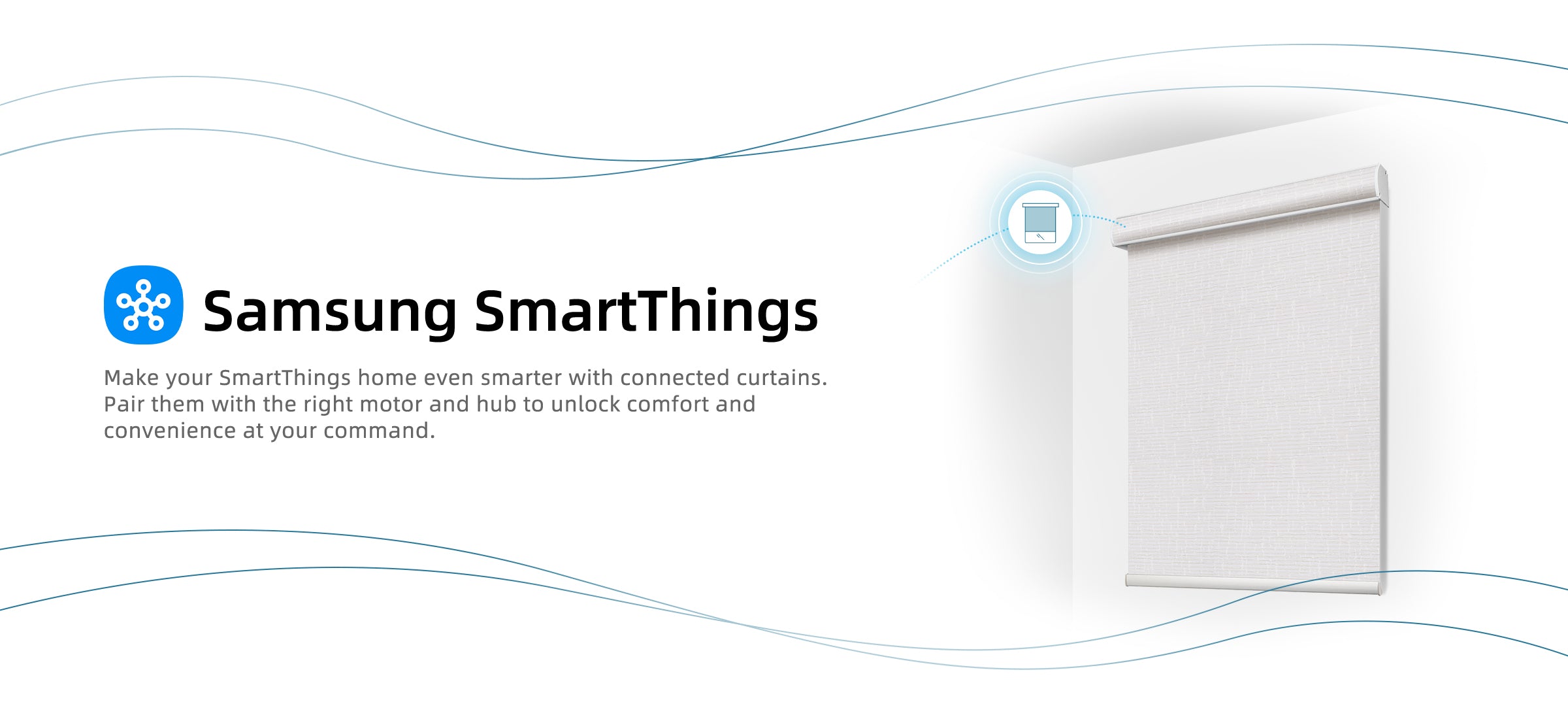
SmartThings may control a shade through a native device integration, a Matter connection, a Zigbee or Z-Wave bridge, or a manufacturer cloud service. The label “works with SmartThings” is not enough by itself; check whether the shade supports open, close, stop, percentage, and scene commands. A system that reports only open and closed cannot deliver a precise 35% glare position.
Connection choice also affects resilience. A local-compatible device can react quickly when internet service is down, while a cloud integration may add seconds of delay. A bridge placed centrally can cover a home with 6–20 shades more reliably than a router at one end of the house. World Wide Shades can map rooms, bridge placement, and fabric weight through /contact.
Set up one shade before building a scene
Use the supplied remote or motor app to open, close, stop, and set a favorite position. Check that the fabric rolls level, the bottom rail clears the sill, and the battery is charged. A shade that stops incorrectly is a mechanical or limit problem first; see motorized shade won’t stop before adding automations.
Update SmartThings and the bridge before pairing. Keep the bridge away from metal cabinets, routers, and large appliances; 3–6 feet of separation is a sensible starting point. If you use Matter, scan the setup code once and assign the device to the correct home and room.
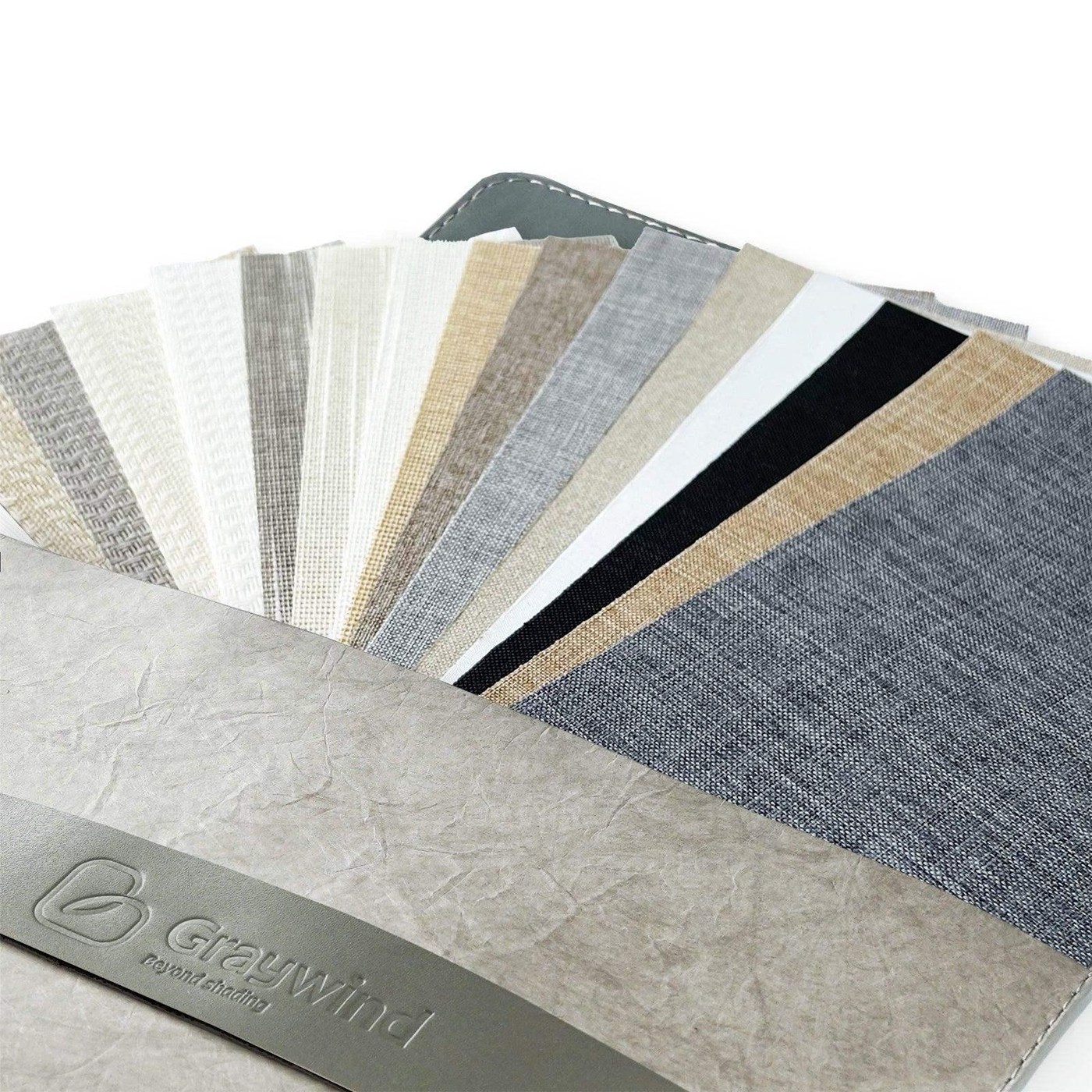
Use names such as “Primary Bedroom Window,” “Dining West,” and “Nursery Blackout.” Avoid using only “Shade 1” and “Shade 2” in a whole-home system. Create groups only for windows that always move together. World Wide Shades can help create a room-by-room naming map while you compare materials on /swatches.
Four SmartThings scenes worth building
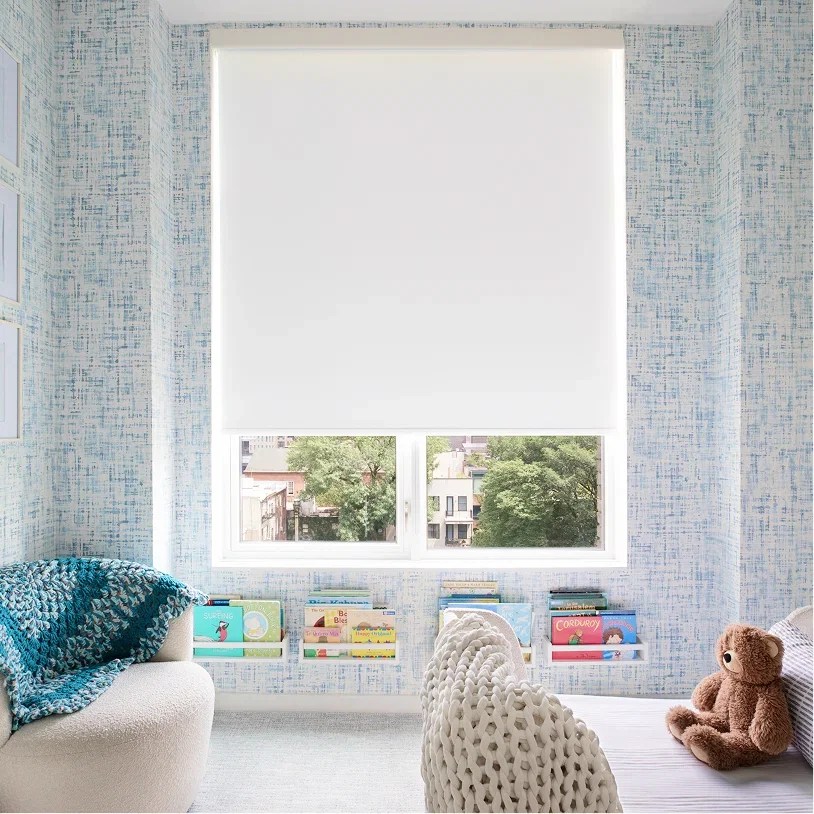
Open bedroom shades to 30–50% at sunrise or 15 minutes after a selected alarm. A partial opening brings in light without exposing a sleeping room fully to neighbors. Add a condition that the room is occupied or that the household is home, and keep bathroom and street-facing windows on separate groups.
Set office shades to 35–60% open during work hours, depending on monitor position and window direction. A 3% solar screen often reduces glare while retaining a view; a 1% screen provides more glare control but may look darker. Compare light-filtering shades with energy-efficient window shades when heat is also a problem.
Close living-room and bedroom shades when sunset arrives, but do not close every window automatically if someone is home and wants a view. A sunset trigger plus presence condition works better than a fixed 6:00 p.m. schedule because the event shifts by more than 2 hours across the year in many locations. World Wide Shades can specify privacy fabric that still admits soft light; begin with /builder.
Close blackout shades to 0–5% open, turn off room lighting, and limit the action to the bedroom or media room. A cassette and side channels can reduce perimeter light on critical windows. Read blackout curtains versus blackout shades and roller-shade valance options before finalizing the hardware.
Add sensors without making the system unpredictable
A light sensor can lower shades when direct sun exceeds a threshold, but it should include a time window so clouds do not cause constant movement. A temperature sensor can lower shades when a south-facing room becomes warmer than 78°F, then reopen them after the room cools. A motion or presence sensor should not open a bedroom shade every time someone walks past the door.
Use a minimum interval of 15–30 minutes between automated shade commands. This prevents a light threshold, sunset trigger, and occupancy change from fighting each other. Keep a manual override scene called “Hold Shades” for meetings, naps, and guests. World Wide Shades can help align sensor behavior with fabric openness and room orientation at /contact.
Percentage positions that make sense
Percentage values are commands, not universal visual measurements. On a roller shade, 50% open may not look exactly halfway because the roll diameter changes as fabric winds. Create named favorites such as “Soft View” at 35%, “Privacy” at 80% closed, and “Sleep” at 100% closed, then adjust them after observing the room at different times of day.
Use separate positions for different exposures. A 25% open setting may control a bright west window, while a north-facing window can stay 60% open without harsh glare. The advice in best shades for south-facing windows and UV protection window shades helps connect automation percentages to real solar performance.
Troubleshoot SmartThings shade scenes
If the native control works but a scene fails, inspect the SmartThings device status, room assignment, and integration permissions. If the scene runs but the shade stops at the wrong place, check the motor’s limits and obstruction path. If the device repeatedly goes offline, check battery level, bridge placement, and whether the router changed bands or credentials.
Keep the shade on an individual device page while testing. Remove it from a group only temporarily; deleting and re-adding a whole room can erase carefully tuned scenes. For app-specific issues, record the timestamp, command, and shade response. World Wide Shades can help separate a motor fault from a SmartThings workflow when you send that information through /contact.
Battery, charging, and safety planning
Many battery motors run 6–12 months with two cycles per day, but a wide shade, heavy blackout fabric, or frequent sensor commands can shorten the interval. Create a calendar reminder at 6 months, and specify a charging location that does not require a ladder if possible. Hardwired power can make sense for 8-foot-wide shades, high windows, or rooms with many daily cycles.
Cordless or motorized control is preferable in homes with small children and pets. Review child-safe window treatments and keep remotes out of reach when the system controls bedrooms. World Wide Shades can specify safety hardware and a SmartThings-ready motor in one plan.
What SmartThings motorized shades cost
A complete custom battery motorized roller shade typically lands around $350–$1,200 per window. A bridge or hub upgrade may add $100–$300, while hardwired installation can add roughly $150–$500 per room. Larger widths, blackout fabric, cassettes, side channels, and premium controls raise the total.
Use how much custom roller shades cost for the main price drivers, then ask World Wide Shades for a window-by-window quote at /builder. Buying a compatible system from the start avoids paying twice for motors that cannot expose the commands your scenes need.
Frequently Asked Questions
Many do through native integrations, Matter, a compatible bridge, or a manufacturer cloud connection. Confirm that the integration supports percentage and scene commands if precise light control matters. World Wide Shades can verify the motor path before ordering.
Yes, when a compatible light sensor or weather condition is available. Use a time window, a threshold, and a 15–30-minute minimum interval so the shades do not move repeatedly during passing clouds. Provide a manual override for occupants.
A common starting point is 70–90% closed after sunset, but privacy depends on fabric, room lighting, window height, and neighbors’ sightlines. Test a sample in the actual room. World Wide Shades can recommend room-darkening or light-filtering fabric through /swatches.
The shade may be offline, the bridge may have lost its connection, the battery may be low, or the scene may target an outdated device name. Test the motor locally, then inspect the device status and scene action. Avoid factory-resetting until you have saved your scene settings.
Motorized shades remove the continuous loop found on many chain-operated shades, but remotes and charging cords still need safe placement. Use compliant mounting and review the room with a professional. Ask World Wide Shades for a child-safe specification at /contact.
A SmartThings shade system should make the right position easy to repeat, not create more buttons to manage. World Wide Shades can pair the right fabric, motor, and automation-ready hardware through /builder, with support at (844) 674-2716. Call (844) 674-2716 again if a bridge repeatedly drops offline.