Traditional style depends on proportion
Traditional roller shades work best when they look integrated with the room’s trim, upholstery, and architecture. The goal is not to make a roller shade look ornate. It is to choose a refined fabric, a balanced color, and a mounting detail that lets crown molding, casing, paneling, or millwork remain the star.
World Wide Shades can help you coordinate the shade with the room instead of selecting a color in isolation. Begin with the World Wide Shades builder to compare fabric, opacity, cassette, and valance choices for each opening.
Traditional rooms also benefit from consistency. Matching every shade exactly is not always necessary, but aligning top heights, bottom rails, and visible hardware creates a calmer sightline. A 1/4-inch difference at the top of neighboring shades can be more noticeable than a small color variation.
Choose fabric with a tailored finish
Look for a fine linen-look, woven polyester, or subtly patterned textile with a matte or low-sheen finish. A tight weave gives the window a finished appearance and is easier to dust than a very loose texture. Small checks, herringbone, basketweave, and quiet stripes can work when they echo upholstery or wallpaper without repeating it exactly.
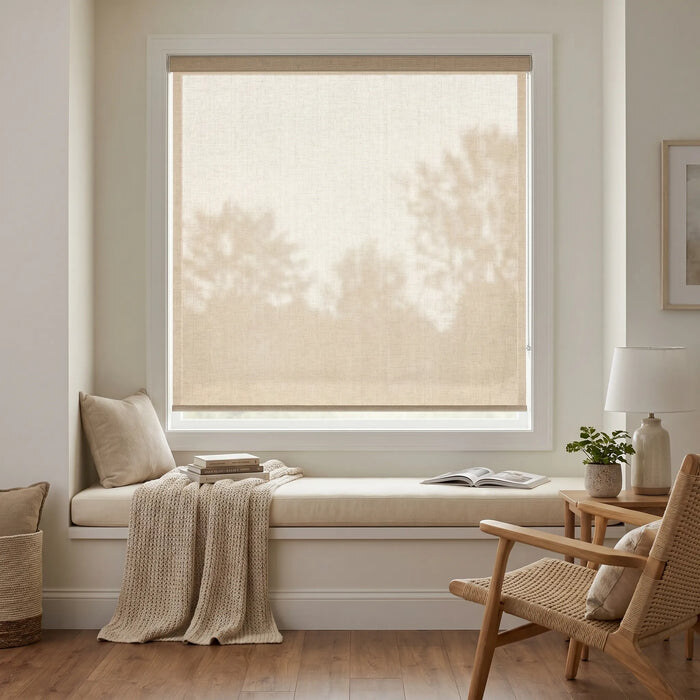
For a formal living room, light-filtering fabric in ivory, flax, taupe, or gray-beige softens daylight while preserving an airy feel. For a television room or bedroom, use room-darkening or blackout fabric. Blackout reduces light through the textile, but a close fit and outside mount are still important if the room must be dark at the edges. The blackout curtains vs. blackout shades comparison explains the practical difference.
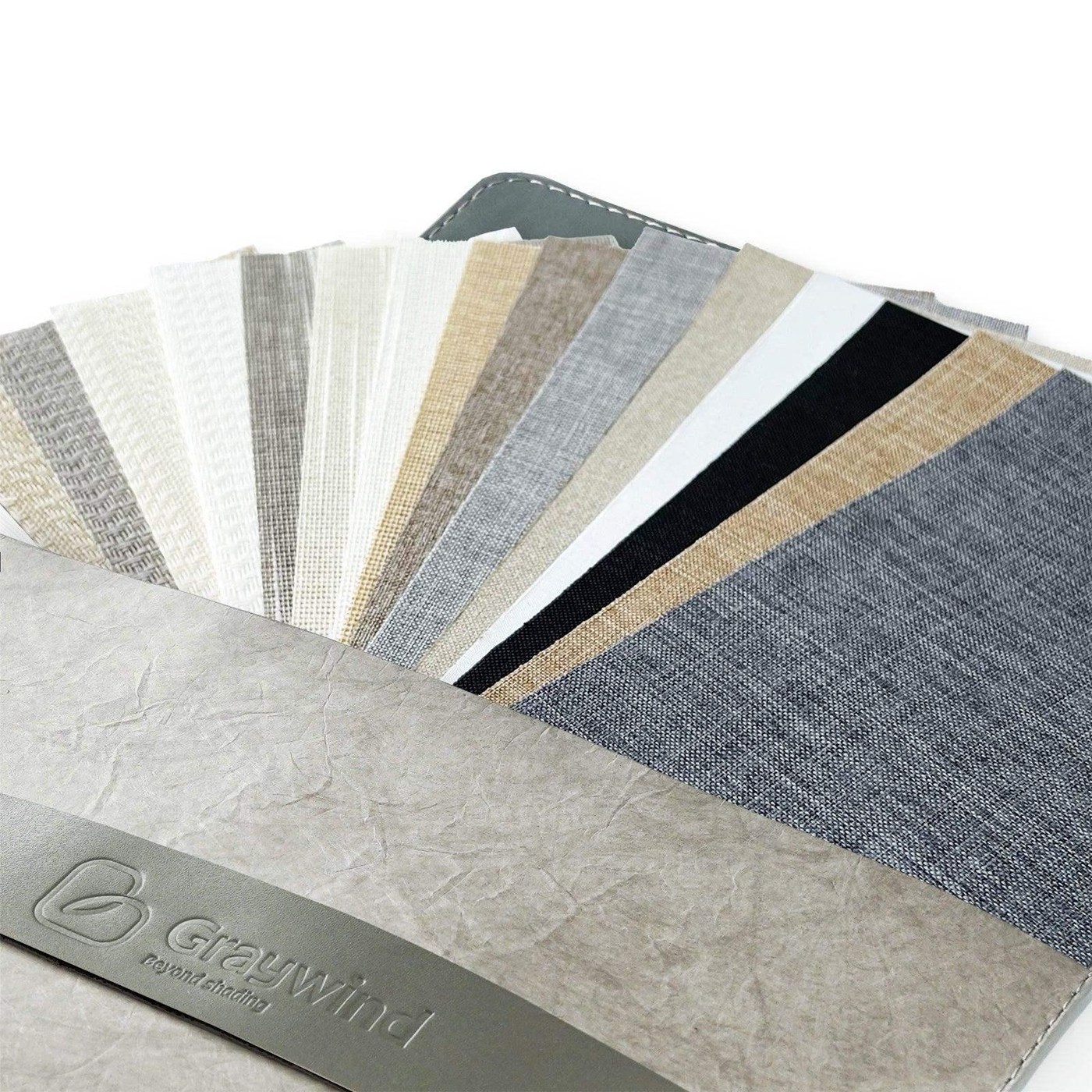
World Wide Shades can send samples that let you assess the fabric’s face, reverse side, and edge. Order World Wide Shades swatches and view them next to the casing in morning and evening light. Traditional white trim can make a beige shade look darker, while dark walnut trim can make the same shade look lighter by contrast.
Coordinate color with trim and furnishings
A safe traditional palette includes warm white, putty, flax, stone, taupe, dove gray, navy, and muted sage. If the room has stained wood, choose whether the shade should blend with the wall, relate to the wood, or intentionally contrast it. Blending makes the window recede; contrast outlines the architecture.
Use the 60-30-10 rule as a starting point: about 60% of the room’s visual field in a dominant color, 30% in a secondary color, and 10% in an accent. The shade may belong to the dominant or secondary group. This is a design framework, not a requirement, but it prevents a bright shade from becoming an unplanned 20% accent.
See the window shades color guide for undertone and room-light considerations. World Wide Shades can coordinate a single home with warm living-room neutrals, a deeper bedroom shade, and a moisture-tolerant bathroom option while keeping the hardware profile consistent.
Ask World Wide Shades for a traditional color recommendation and include a photo of the trim, floor, and closest upholstered piece.
Decide between inside mount, outside mount, and a valance
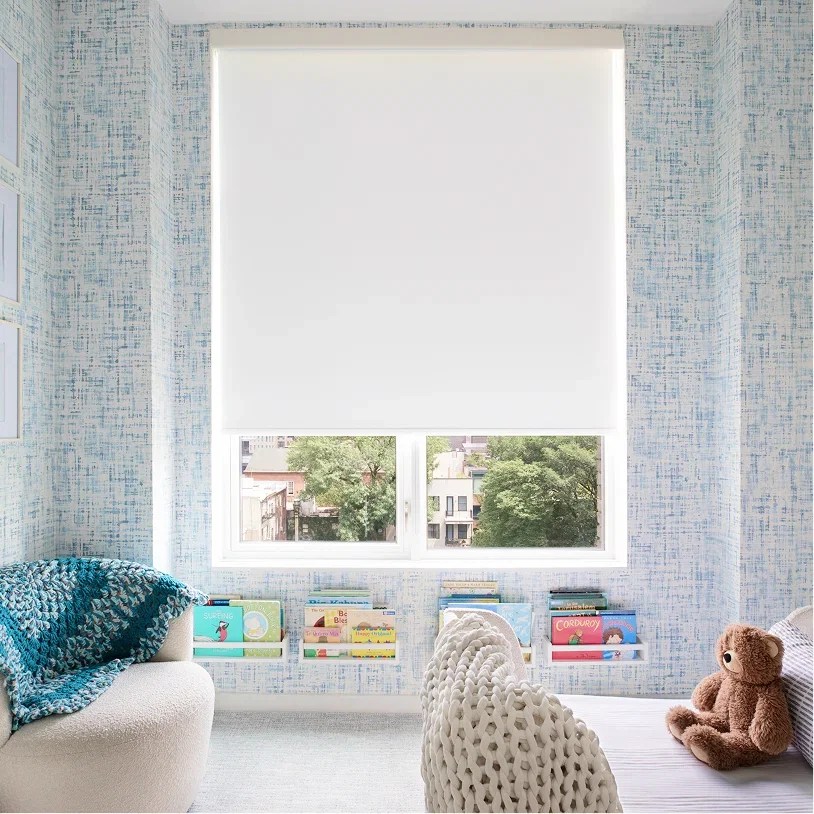
Inside mount places the shade within the frame and leaves casing visible. It is crisp and architectural when the frame has enough depth, but small gaps at the sides can admit light. Outside mount covers more of the opening and can improve privacy and darkness, especially with 2–3 inches of side overlap or more where the wall allows.
A valance can conceal the roller and add a finished top line. Traditional rooms often suit a tailored fabric valance, a simple upholstered cornice, or a wood-look fascia that relates to the casing. Avoid adding a heavy treatment merely because the room is traditional; if the windows have strong molding, an understated cassette may be more elegant. Compare profiles in the roller shade valance options guide.
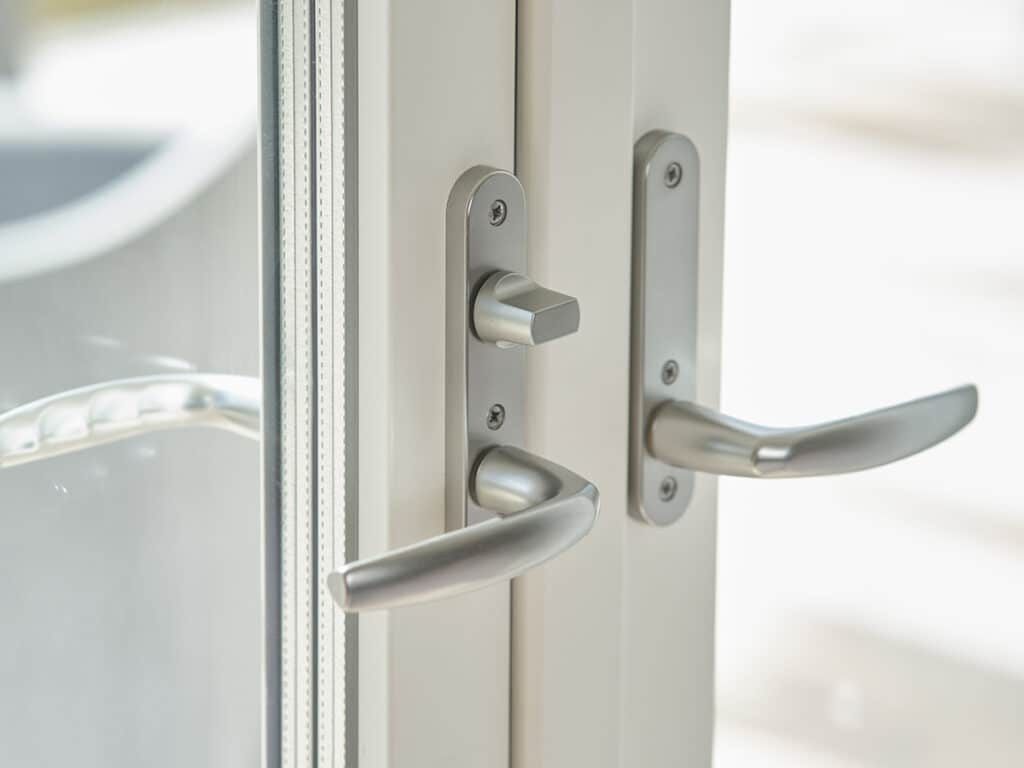
For adjacent windows, keep the visible headrail line aligned even if the openings are different heights. On a bay window, separate shades usually follow the angles better than one continuous piece. On a French door, a compact shade and bottom retention can prevent movement. The roller shades for French doors guide covers that application.
Privacy and daylight by room
In a front-facing living room, a light-filtering roller can soften daytime views while preserving daylight. If the room is visible from the street after dark, add drapery or choose a more opaque fabric. In a bedroom, pair blackout fabric with an outside mount when sleep and privacy are priorities. In a dining room, consider a washable, tightly woven fabric that tolerates occasional cooking or candle smoke.
A traditional home office needs special attention to glare. A 3% to 5% solar screen can reduce reflections on a monitor while allowing a view, but it will not provide full nighttime privacy. For a library, close the shade during the brightest hours to limit direct sun on book spines and wood. The best roller shades for a living room guide offers room-specific starting points.
Motorization can still look traditional. A quiet motor removes a chain from a formal window and lets multiple shades align at the same time. Use it for tall windows, hard-to-reach transoms, or a house where consistent daily operation matters. World Wide Shades can coordinate the motor, cassette, and fabric so automation does not dominate the design.
What custom work changes
Custom sizing matters in traditional rooms because the treatment is seen alongside precise trim. A 48-inch shade ordered at 47 7/8 inches may fit differently from a 48-inch shade that has a manufacturer’s deduction. Confirm whether measurements are finished dimensions, and specify inside or outside mount before ordering.
Custom work also lets you choose roll direction, fascia, hembar, opacity, and control. A reverse roll may push the fabric closer to the glass, while a standard roll can keep the textile behind the roller. The right choice depends on trim, hardware, and how much edge light you can accept.
Pricing depends on size and features. A small manual custom shade may be $150–$350, while blackout, large-format, or motorized shades commonly move into the $400–$1,000-plus range per opening. The custom roller shades vs. home depot comparison and custom roller shade cost guide explain what changes the number.
Build a coordinated traditional package with World Wide Shades, or call (844) 674-2716 if you have several windows with different trim depths.
Before fabrication, photograph each opening straight on and from the side. Note sill depth, casing width, handle projection, and whether the window opens inward. These details help prevent a clean traditional treatment from interfering with a latch, crank, or curtain panel. A short planning note can save a second site visit and keep a room’s headrails aligned.
Keep the finished look crisp
Dust the shade monthly with a soft brush or dry microfiber cloth. Do not spray cleaner directly onto the fabric, and do not scrub a woven finish because abrasion can create a shiny patch. Wipe the headrail and casing separately. Inspect brackets and bottom rails twice a year, particularly on windows that are opened frequently.
If the shade starts rolling crooked, stop operating it and check for an obstruction or uneven bottom rail. Forcing the roll can curl the edge. World Wide Shades can help diagnose whether the problem is an installation issue, a fabric edge, or hardware wear.
FAQ: traditional roller shades
Yes. A fine woven or linen-look fabric, a restrained color, aligned headrails, and a tailored fascia or valance can make a roller shade feel fully integrated in a classic room.
They do not have to match exactly. Blending with the wall makes the shade recede, while relating it to wood or upholstery gives the window more presence. Use physical samples to compare undertones.
Both can work. Inside mount emphasizes the existing casing; outside mount provides more overlap and can improve edge light and privacy. The frame depth and room goals should decide.
No. A valance is useful when you want to conceal the roller or add top weight, but a clean cassette can be more polished when the room already has substantial molding.
Many small manual shades fall around $150–$350, while larger, blackout, specialty, or motorized shades may cost $400–$1,000 or more per opening. World Wide Shades can price the exact fabric and hardware combination.
Contact World Wide Shades or call (844) 674-2716 to plan traditional shades that respect your home’s architecture.