Why a basement office needs a different shade strategy
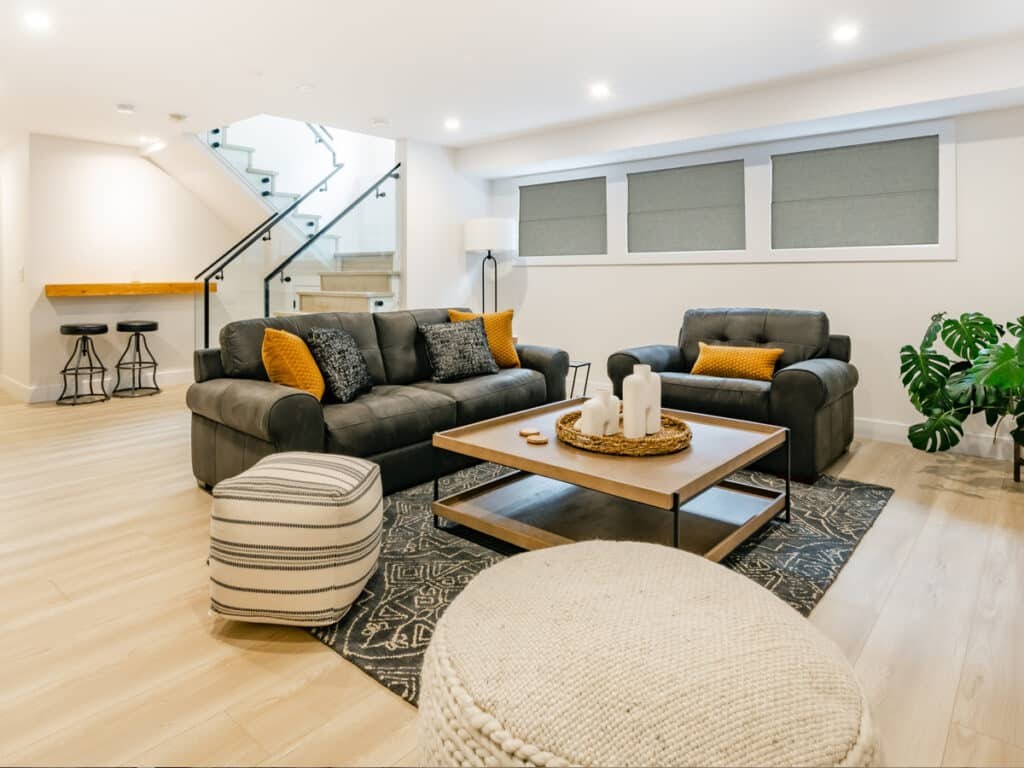
A basement office often has less glass than an upstairs room, but each window carries more visual weight. A small egress window can create a bright rectangle on a monitor, reveal a work area to passersby, or admit cold air around an older frame. The best window shades for a basement office balance glare reduction with every bit of useful daylight.
Start with the desk, not the fabric. Note whether the monitor faces the window, sits perpendicular to it, or is below a window well. World Wide Shades can map the shade, desk, and privacy requirements together—begin a custom plan in the shade builder.
Control screen glare without making the room gloomy
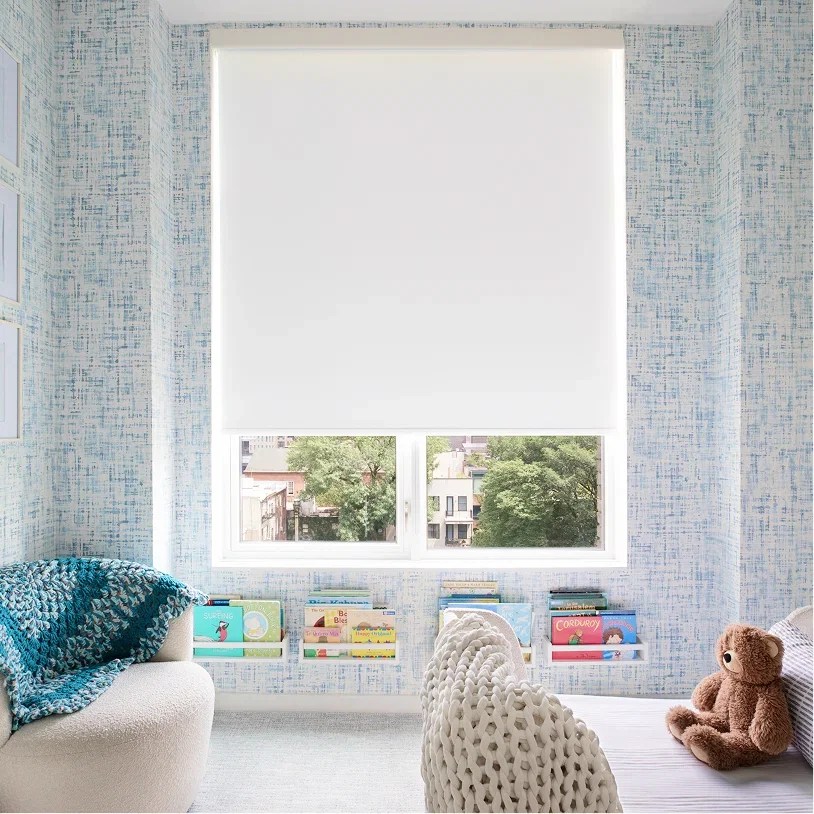
Glare is caused by bright contrast, not simply by having a window. A 1% or 3% openness solar screen can reduce harsh direct light while retaining some view, while a 5% screen often gives a more open daytime feel. For a basement office, 3% to 5% openness is a useful starting range when the window faces a light well or reflected sky.
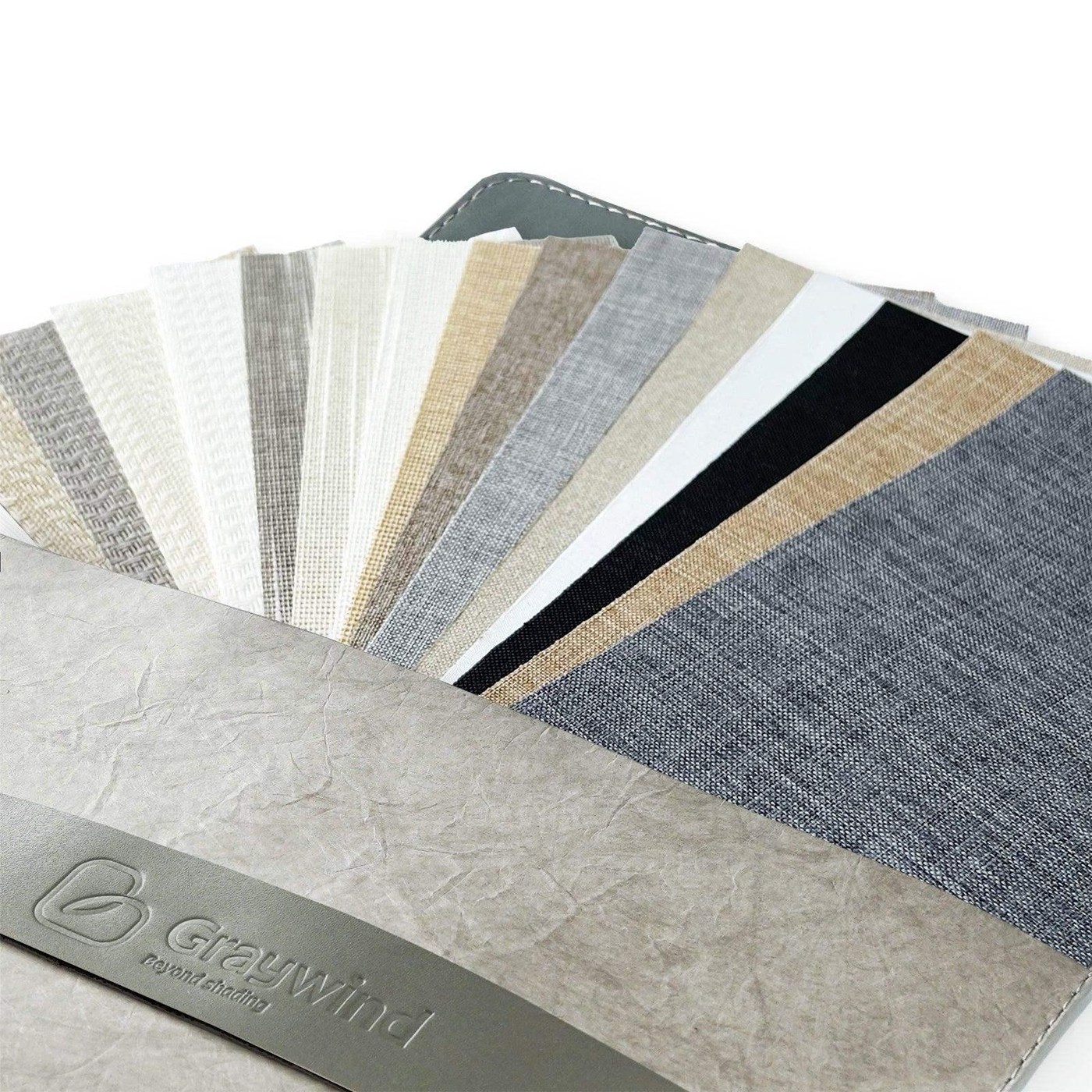
If your office doubles as a video-call room, choose a fabric that keeps the background from becoming a blown-out white rectangle. A light-colored screen may brighten the room; a darker screen can make the view easier to see through, but performance depends on the fabric's construction and the relative brightness indoors and outside. Order swatches from World Wide Shades and test them beside your monitor at the time you work.
For a deeper comparison of fabrics, see best fabrics for roller shades and light-filtering shades guide. When you are ready, ask World Wide Shades to recommend an openness factor.
Privacy for windows below grade
A window well can feel private during the day and surprisingly exposed at night. When the office lights are on, a passerby may see silhouettes even if the window is partly below grade. A roller shade gives you a quick privacy layer without the visual bulk of full curtains.
Use these practical rules:
- Choose light filtering when you want daylight but do not need a dark room.
- Choose room darkening when the office has a projector, video calls, or a street-facing window well.
- Choose blackout when the basement office also serves as a guest room or media space.
- Consider a top-down or specialty configuration only after checking privacy from the actual sightline.
Do not assume a basement window is invisible from outside. Look from the yard, sidewalk, or window-well edge at both noon and after sunset. Compare privacy options in the roller-shades-for-a-rental-apartment guide, which explains how simple shades can solve overlooked sightlines.
Insulation and winter comfort
Basement offices can feel cool because concrete, masonry, and older window assemblies stay cold even when the rest of the home is comfortable. Shades will not replace air sealing or insulation, but they can reduce radiant chill near the glass when closed. Cellular or insulated materials may provide more thermal resistance than a thin solar screen; a well-fitted roller shade can still help with drafts and comfort at the opening.
A practical test is to record the temperature near the glass and at the desk on a cold morning, then repeat with the shade closed. A difference of 2 to 5 degrees Fahrenheit at the work zone can feel meaningful, but results depend on glass, air leakage, HVAC circulation, and the size of the window. Read about energy-efficient window shades before choosing a material for a damp lower level.
World Wide Shades can help you separate a shade problem from an air-sealing problem. Send photos and measurements through the contact page before investing in a fabric that cannot solve the underlying draft.
Egress windows, wells, and operating clearance
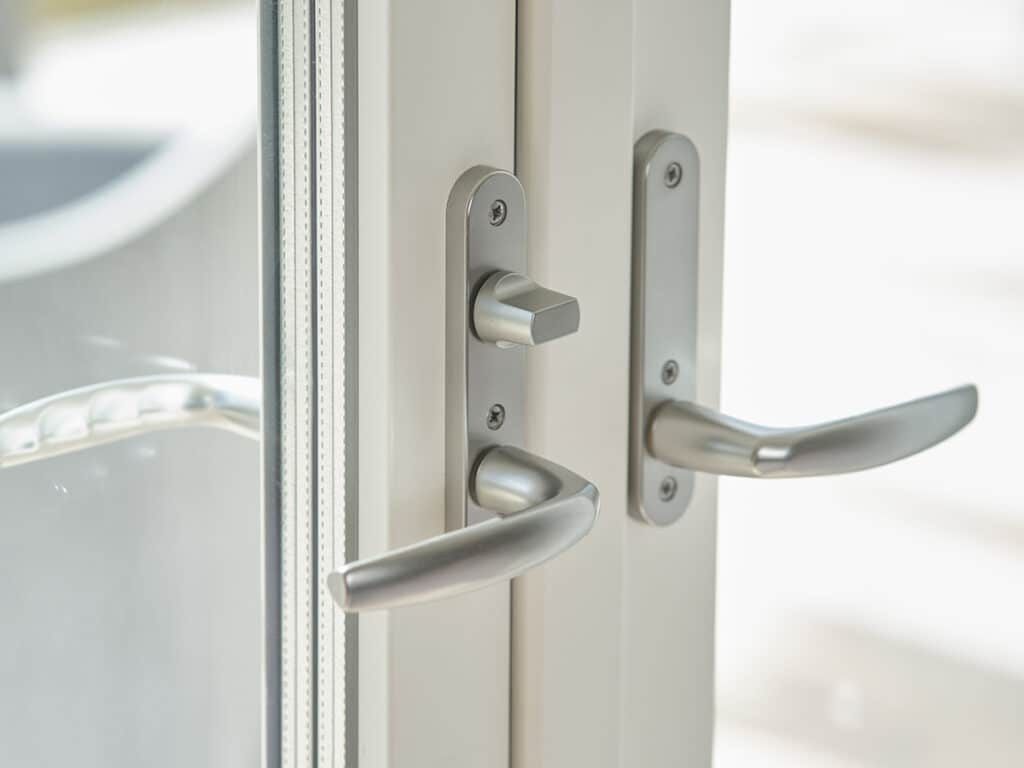
Many basement bedrooms and offices use egress windows. The shade must operate without blocking the opening when someone needs to exit, and the hardware should not collide with a crank, latch, or window handle. If the window swings inward, confirm that the shade clears the sash and that a person can lift the shade quickly.
Inside mount creates a tidy look, but basement frames are often shallow or uneven. Outside mount can cover gaps and make a small window appear larger, provided the mounting surface is sound. For an egress opening, favor simple operation and keep the lower window area clear of boxes, shelving, and cords.
If you are installing the shade yourself, follow how to install roller shades. For masonry, unusual wells, or several different windows, have World Wide Shades review the layout.
Choosing color and visual scale
Basements usually benefit from a shade color that supports brightness without creating a stark patch. Soft white, sand, pale gray, and warm flax can reflect more room light. A charcoal or deep taupe screen can create a sophisticated office backdrop and may improve perceived view-through, but use a sample first because a small basement can become visually heavy.
Match the shade to the wall and trim rather than trying to match every piece of furniture. A shade that is one or two tones lighter than the wall can make a small window recede. If the room has wood shelving, a quiet woven accent may work, but keep the operating surface easy to clean. See window shades color guide for a systematic approach.
Budget and scope for one or many windows
For planning, many custom manual or cordless roller shades land around $150 to $600 per window, while specialty blackout fabrics, oversized openings, and motorization can increase the total. A basement office with one small window may need only one shade; a lower level with three windows, a glass door, and a video backdrop benefits from consistent hardware and fabric.
Budget first for the window that creates the most glare or privacy risk. Add matching shades after you confirm the sample in the room. Get a project-specific estimate from World Wide Shades rather than comparing a retail shade's price without its mounting, deductions, and operating system.
A workday test before you order
Spend one full work session observing the window. Note the hours when glare hits, whether the monitor reflects the glass, how the room looks on a video call, and how much privacy you need after sunset. Then choose the smallest performance change that solves the biggest problem: a screen shade for glare, room darkening for presentations, or a stronger privacy fabric for a street-level well.
World Wide Shades makes it easier to coordinate performance and appearance across a basement office. Build the shade online, request samples, or call (844) 674-2716. The right shade should let you focus on work instead of managing a bright rectangle or a cold window.
Basement office shade FAQ
A 3% to 5% solar screen is a practical starting point for glare and daylight. Choose room darkening or blackout when you need presentations, stronger privacy, or a dual-purpose guest room. The best choice depends on exposure, monitor placement, and window operation.
Move the monitor perpendicular to the window when possible, reduce direct contrast with a solar screen, and test the fabric during work hours. A 1% to 3% screen may control more direct glare; a 5% screen often preserves more view and daylight.
They can improve comfort at the glass, but they do not replace air sealing, frame repair, or insulation. Measure the temperature near the window and desk so you can identify whether the shade is addressing the actual problem.
Usually, but the hardware must clear the latch or crank and the shade must not prevent the window from opening. Keep the opening unobstructed and choose an operation method that is quick and intuitive.
A common planning range is $150 to $600 per custom manual or cordless shade, with higher costs for motorization, unusual sizes, and specialty fabrics. World Wide Shades can price the actual dimensions and hardware.
For a second opinion on glare or egress clearance, contact World Wide Shades at (844) 674-2716.
Yes. Use the builder for a starting plan, order swatches, and contact World Wide Shades with the window layout so one fabric family can work across the office and adjacent rooms.