North-facing windows are the underrated heroes of natural light. They never get direct sun in the Northern Hemisphere, which means soft, diffused, color-accurate light from sunrise to sunset. Painters and photographers have prized north-facing studios for centuries for exactly this reason — the light is consistent, glare-free, and shows true colors.
That same quality makes north-facing windows feel different to live with. The room doesn't dramatically brighten and darken throughout the day. It doesn't roast you in the afternoon. It doesn't blast you awake at sunrise. But it also doesn't give you the warm golden hour that south- and west-facing rooms enjoy.
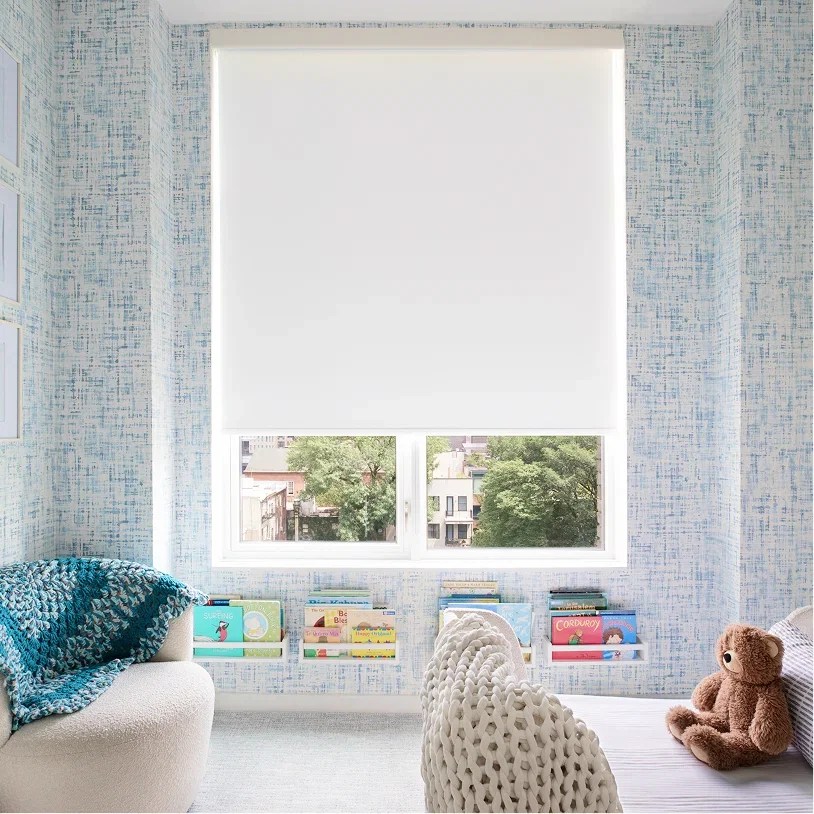
The right shade for a north-facing window is fundamentally about preserving this gentle light while solving the real concerns that remain: privacy, blackout for sleep, and energy loss through cool-side glass. Across the World Wide Shades customer base, north-facing windows consistently get the lightest, most decorative shade specifications of any orientation.
What makes north-facing windows different
The physics is simple. In the Northern Hemisphere, the sun travels across the southern sky throughout the day. North-facing windows never receive direct sunlight (except very briefly near sunrise/sunset in summer at certain latitudes). What you get is reflected and ambient light — light that has bounced off the sky, off buildings across the street, off snow on the ground.
Practical implications for shade choice:
- UV exposure is minimal. Fabric fade is much slower than on south or west exposures.
- Heat gain through the window is low. Solar shades for heat rejection aren't necessary.
- Heat loss through the window is high in winter. North-facing windows are the coldest in the house. Insulating cellular fabrics make a real difference.
- Privacy is often the primary concern. Especially in homes where the north window faces a neighbor or a street.
- Color accuracy is excellent. This is why north-facing rooms work so well for art studios, home offices with monitors, and any space where you care about how colors actually look.
Compare with our east-facing windows guide for the morning-light approach, or our south-facing windows guide for high-sun strategies.
The four north-facing window scenarios
Even though north-facing rooms don't get sunrise sun, primary bedrooms still benefit from light control. Street lights, neighbor's porch lights, full moons on snow, and headlights from passing cars all reach north-facing bedroom windows.
A light-filtering shade is enough for most north-facing bedrooms. True blackout is only needed if you're sensitive to ambient nighttime light or work night shifts.
Recommended setup:
- Light-filtering or room-darkening fabric in a warm neutral
- Inside mount with cassette headrail for clean appearance
- Side channels optional unless full blackout is required
- Manual operation is usually fine; motorize if windows are tall
For sleep-focused shade specs, see our best window shades for bedroom guide.
North-facing windows are the gold standard for art studios. The light is consistent and color-accurate. The shade should never compete with that — it should simply offer privacy when needed.
Recommended setup:
- Light-filtering fabric at 10% openness (high visibility, soft diffusion)
- Inside mount with cassette
- Manual operation
- Natural-linen-look fabric for warm aesthetic compatibility
For more on light filtering specifically, see our light-filtering shades guide.
The best monitor environment in the house. North-facing light is glare-free and color-accurate, which means your screen actually looks like it's supposed to. The shade is there for privacy and occasional weather (overcast sky reflects more diffuse light than clear sky).
Recommended setup:
- Light-filtering fabric in a warm neutral or natural texture
- Inside mount, manual or motorized
- Side channels not needed
- Avoid dark solar fabrics — they kill the natural light advantage of the room
This is the opposite recommendation from east-facing offices (where dark solar shades reduce screen glare). North-facing offices don't have a glare problem, so optimize for natural light instead.
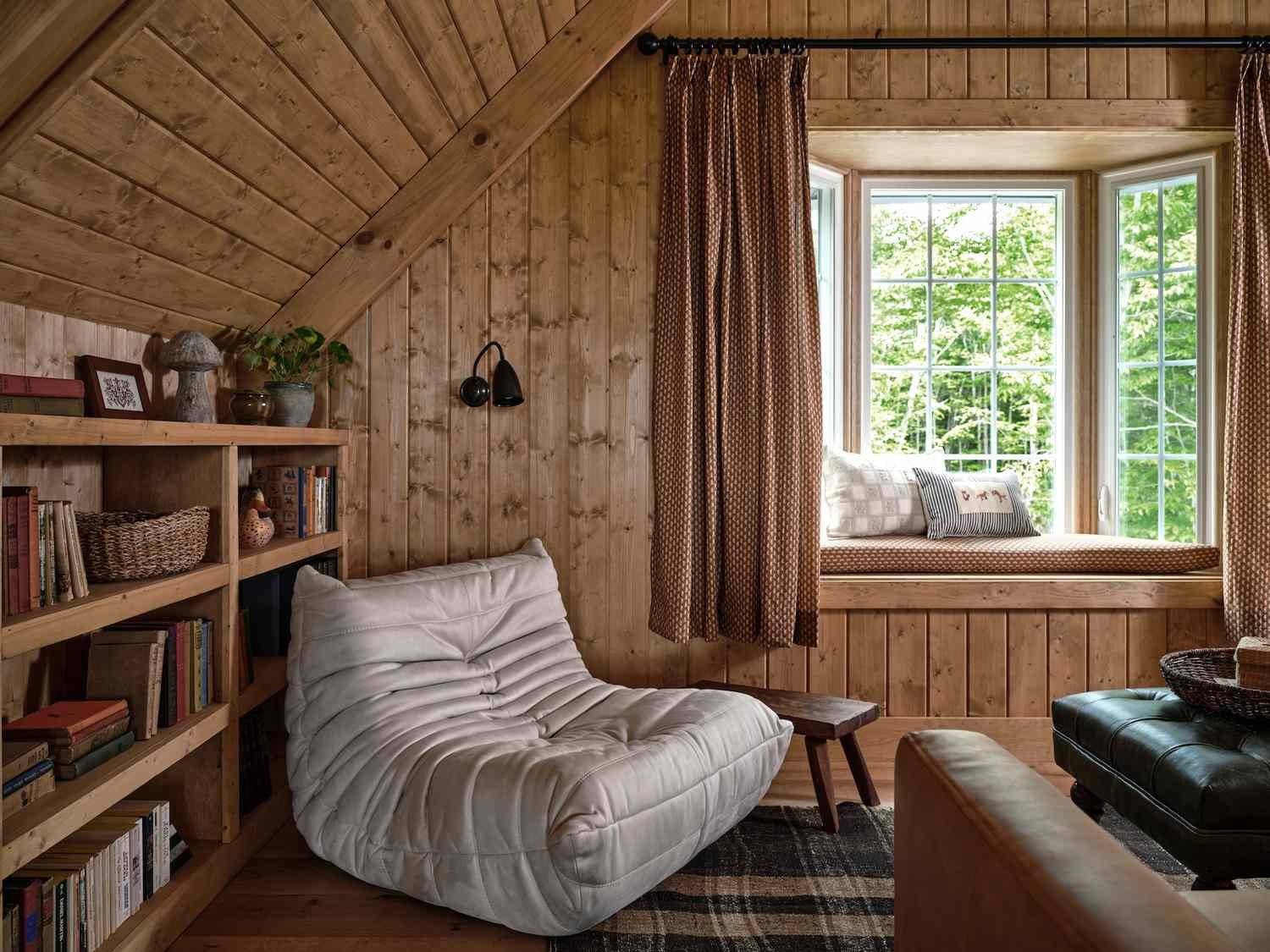
The most relaxed scenario. Privacy and aesthetic coordination are the only real concerns. Pick fabrics that feel cozy, since north-facing rooms can feel cool-toned in winter.
Recommended setup:
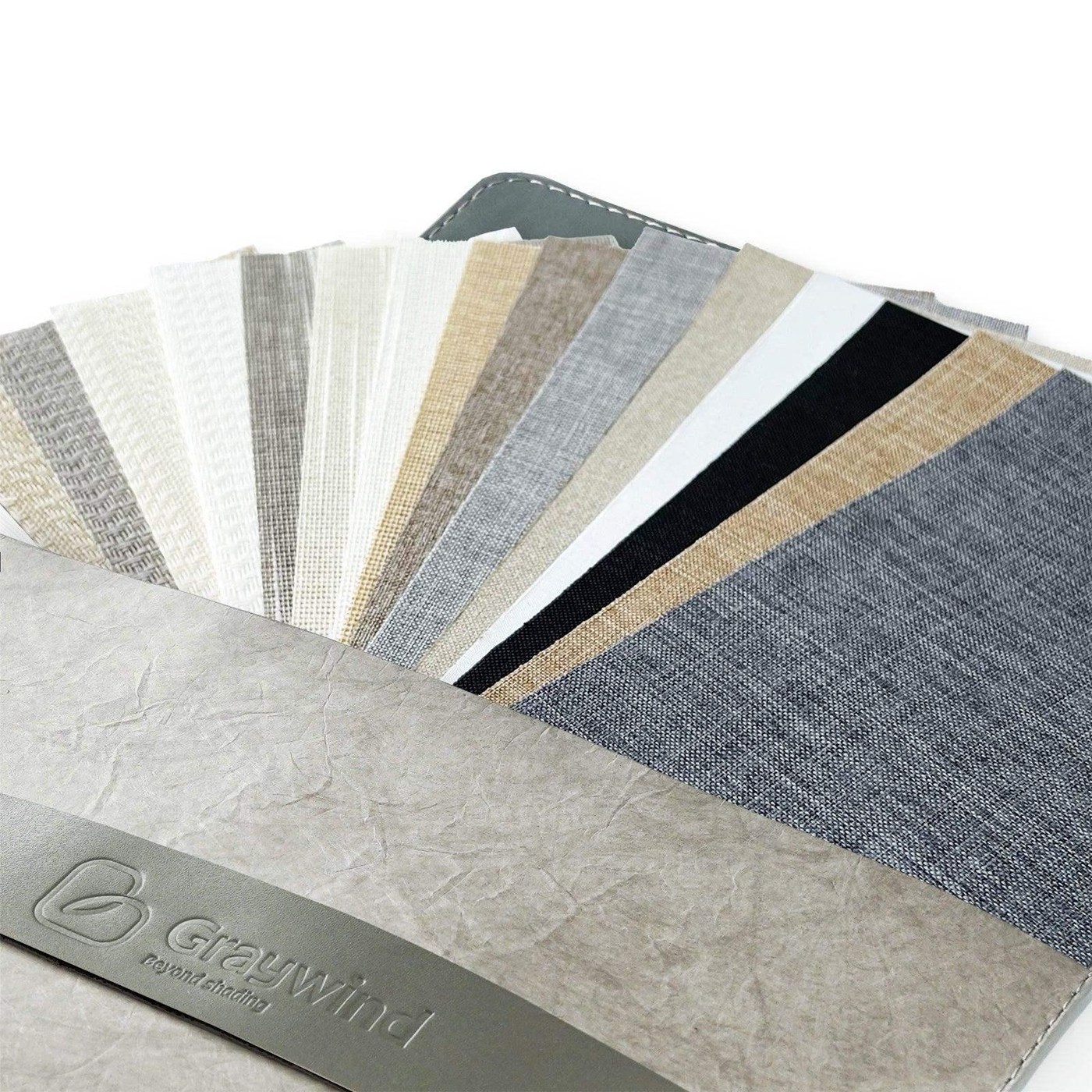
- Light-filtering or natural-linen-look fabric in warm tones (oat, sand, mushroom, warm white)
- Cassette headrail for polished appearance
- Manual operation is fine
- Color choice toward the warm end of the palette helps offset the cool blue light of north exposure
For style direction, see our color guide and our natural linen-look roller shades guide.
Insulating shades for north-facing windows
The one functional category where north-facing windows beat other orientations: thermal performance. Because north-facing windows lose more heat than they gain, insulating shade fabrics deliver more value here than anywhere else in the house.
Cellular-backed roller shades or true cellular shades create an insulating air pocket between the fabric and the window. The R-value boost from R-1 (single-pane window with no treatment) to R-3 or higher (cellular shade installed) reduces heat loss by 30–50%.
For homes in cold climates (Northeast, Midwest, mountain regions, parts of Canada), cellular shades on north-facing windows pay for themselves through reduced heating costs. World Wide Shades offers cellular-backed roller shade options specifically for this application.
See our energy-efficient window shades guide and our mountain cabin and ski house guide for thermal performance specifics.
North-facing window fabric color guide
Because north-facing rooms get cool-toned ambient light, warm fabric colors help balance the overall room feel. World Wide Shades consistently recommends:
True white can read blue-grey in north-facing rooms. A warm white or ivory keeps the room feeling clean and bright without going cold.
The most popular choice for north-facing rooms. These warm neutrals offset the cool light and create a cozy atmosphere.
For more sophisticated palettes. Reads as a true neutral in north-facing light, where cool greys can feel chilly.
These colors amplify the cool blue cast of north light and can make the room feel uncomfortably cold-feeling.
For deeper color guidance, see our window shades color guide.
Solar shades on north-facing windows: usually a mistake
This is a common misstep. Solar shades exist to control glare and reduce heat from direct sun. North-facing windows have neither problem. Installing a 3% or 5% solar shade on a north-facing window:
- Reduces the gentle natural light that's the room's biggest asset
- Provides no meaningful UV protection (UV is already low)
- Provides no meaningful heat rejection (heat is already low)
- Often makes the room feel darker and less inviting
The exception: a north-facing bedroom in a high-glare environment (snow-covered yard reflecting light through the window, neighbor's exterior lighting, street lights). In these specific cases, a solar shade can help.
For the general north-facing case, light-filtering fabric is the right call.
Cost expectations for north-facing window shades
World Wide Shades pricing for typical north-facing room setups:
- Bedroom light-filter or room-darkening: $200–$450 per window
- Bedroom with cellular insulating fabric: $300–$550 per window
- Studio or office light-filter: $200–$400 per window
- Living room light-filter with decorative fabric: $250–$550 per window
- Cassette headrail upgrade (any room): +$50–$100 per shade
A typical 4-window north-facing project runs $1,000–$2,200. Cellular fabric upgrades for cold-climate homes add $50–$150 per window but pay back through reduced heating costs. For project pricing, call (844) 674-2716 or use /contact.
Common north-facing window shade mistakes
The single most common mistake. North-facing windows have no glare problem, no heat problem, and (in most cases) no severe sunrise problem. Light-filtering fabric is almost always the right answer.
Pure white, cool grey, blue, or any cool-toned color amplifies the cool cast of north light. Stick with warm neutrals (oat, sand, mushroom, warm white).
North-facing windows in cold climates leak heat faster than any other orientation. Cellular-backed fabric provides the highest energy savings of any single shade upgrade. Worth the $50–$150 per window cost.
Just because the sun doesn't shine through doesn't mean people can't see in. Choose fabrics with adequate privacy at night with interior lights on (light-filtering fabrics at 5% openness or lower are the safest bet).
If your home has south- and north-facing windows in the same room (corner rooms, great rooms), the shade fabrics should match. The functional needs are different but the visual story should be one.
Pairing north-facing shades with adjacent rooms
For coordinated home design, north-facing shades work best when they share visual language with adjacent rooms. Suggested patterns:
- North + south corner rooms: identical fabric color, same opacity if functional needs permit
- North + east bedrooms: matching fabric color in different opacities (north can be lighter, east should be blackout)
- North living room + south kitchen open-plan: identical fabric, identical hardware finish, identical mount style
- North-facing throughout a long room: can vary opacity by window (lighter near the back of the room, slightly more opaque near privacy-sensitive corners)
For broader style coordination, see our color guide.
When north-facing windows do need blackout
Three specific scenarios where north-facing rooms benefit from true blackout:
If you sleep during daylight, ambient north-facing light still affects sleep quality. True blackout shades with side channels create an artificial-night environment.
Street lights, neighbor's exterior lights, and headlights can be persistent at night. Some people sleep noticeably better with blackout regardless of orientation.
Even minor ambient light degrades projector image quality. North-facing media rooms benefit from blackout despite the lower sun exposure.
For blackout fabric specs, see our blackout shades vs blackout curtains guide.
FAQs: north-facing window shades
Almost never. Solar shades exist to control direct sun glare and heat gain. North-facing windows have neither problem. Light-filtering fabric is the right choice for almost all north-facing scenarios.
Warm neutrals — oat, sand, mushroom, warm white, ivory. These offset the cool cast of north light and create a cozy room feel. Avoid pure cool whites and cool greys.
In cold climates, yes. North-facing windows lose more heat than any other orientation. Cellular fabric reduces this loss by 30–50%, which translates to meaningful winter heating savings.
North-facing light is cool-toned (around 5,500–7,000K color temperature). White fabric reflects this cool light, which makes it read as blue-grey to the eye. Warm whites and off-whites stay looking warm regardless of the room's natural light.
They're actually the best orientation for home offices. North light is glare-free, color-accurate, and consistent all day. Optimize for natural light with light-filtering fabric — don't darken the room with solar shades.
Very slowly. UV exposure on north-facing windows is minimal. World Wide Shades fabric warranties consistently last 10+ years on north-facing installations.
Usually not necessary. North-facing shades don't need scheduled automation (no sunrise to dodge, no afternoon heat to manage). Motorize only if the windows are physically hard to reach.
Ready to spec your north-facing window shades?
World Wide Shades offers custom roller shades optimized for north-facing rooms — warm-tone fabrics, cellular insulating options, and light-filtering shades that preserve the gentle north light. To get started:
- Browse warm-neutral fabric options in our swatches gallery.
- Design your shades in the online builder.
- For thermal performance specs, cellular fabric options, or whole-home coordination, call (844) 674-2716 or reach us at /contact.
World Wide Shades helps you preserve the most flattering natural light in your home while solving privacy, thermal comfort, and the occasional need for blackout.