A mountain cabin or ski house faces a uniquely punishing set of conditions: high-altitude UV that fades fabric twice as fast as sea level, freeze-thaw cycles that flex frames and crack rigid materials, long stretches of unoccupied time when nobody can react to a problem, and the constant need to balance the views — the entire reason you bought the place — with the privacy and thermal performance the climate demands.
World Wide Shades customers in Vail, Aspen, Park City, Mammoth, Killington, Stowe, the Tahoe basin, and dozens of other mountain markets have made these tradeoffs. The pattern is clear: spend more on the right fabric and motor combination, and your shades will work harder for you over a decade than nearly any other system in the house.
What makes mountain home shades different
At 9,000 feet of elevation, UV intensity is roughly 40% higher than at sea level. Snow on the ground reflects an additional 80% of that UV back into the windows. Combined effect: a mountain cabin in winter sees 2–2.5x the UV exposure of a sea-level inland home.
Fabric that holds its color for 10 years inland may fade noticeably within 3–4 years at altitude. World Wide Shades offers high-altitude UV-rated fabrics tested for 5,000+ hours of accelerated UV exposure — the equivalent of 10–12 years of mountain direct sun before noticeable color shift.
Mountain temperatures swing through the freezing point daily in spring and fall — sometimes 40°F in a single day. This flexes window frames, expands and contracts shade hardware, and stresses fabric edges. Standard plastic hardware becomes brittle and cracks within 2–3 winters.
Aluminum and stainless steel hardware from World Wide Shades handles freeze-thaw cycling indefinitely. Plastic chain operators and bottom rails are replaced with metal where possible for mountain installations.
Many mountain homes sit empty 60–80% of the year. During those stretches, no one is there to react to a stuck motor, a fallen shade, or a snow-leak that hits the bottom of a window. Shades need to operate reliably for months without human intervention.
This is why World Wide Shades consistently recommends hardwired motorization with cellular or LTE-backed smart-home hubs for mountain homes — the system needs to keep working even when you're 1,000 miles away.
After a long day on the slopes or a late night at the cabin, sleeping in until 9–10 a.m. is part of the appeal. But high-altitude sun rises early and hits bedrooms hard. True blackout shades are non-negotiable for primary bedrooms in mountain homes.
World Wide Shades blackout fabrics with side channels block over 99% of light when sized correctly. See our blackout shades vs blackout curtains comparison for technical specs.
What to look for in mountain home roller shades
Mountain homes leak heat through windows in winter and gain heat in summer. A cellular-backed roller shade (honeycomb structure) creates an insulating air pocket that improves R-value at the window from roughly R-1 to R-3 — meaningful energy savings.
For full thermal performance specs, see our energy efficient window shades guide.
Look for fabrics specifically tested for solar exposure. World Wide Shades solar shade fabrics carry GREENGUARD UV-resistance ratings and are guaranteed against premature fade for 7+ years even at mountain altitudes.
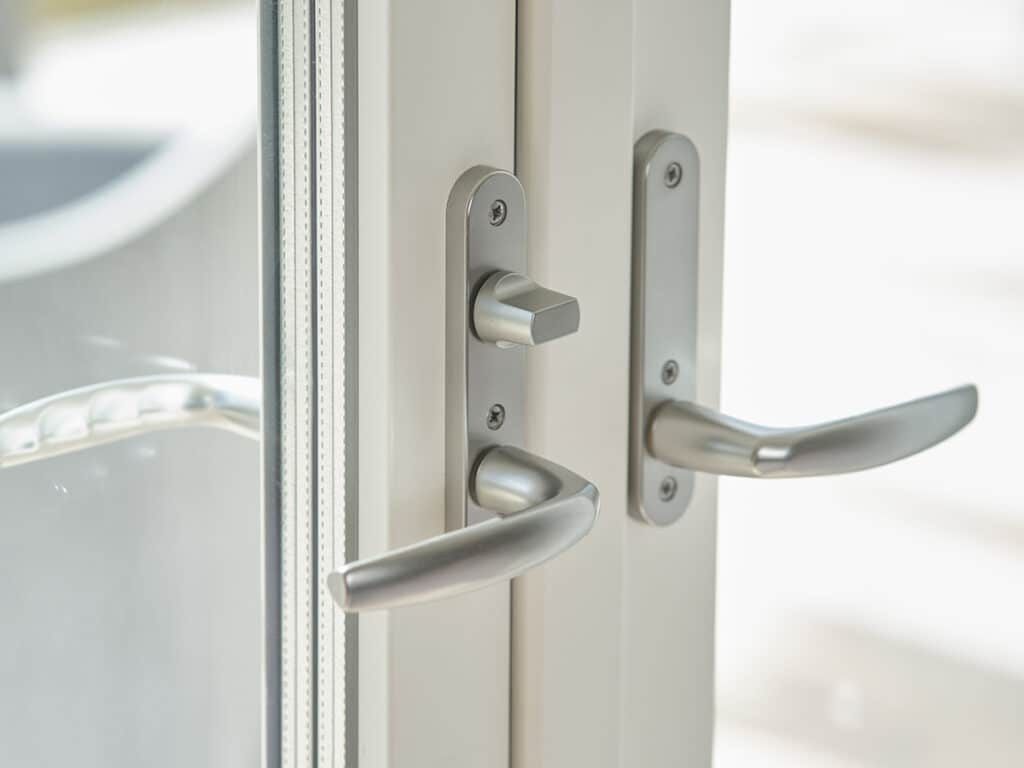
Skip plastic. Mountain freeze-thaw cycling cracks plastic chain operators, bottom rails, and brackets within 2–3 seasons. Aluminum and stainless steel hardware lasts indefinitely.
For homes used less than 4 months per year, battery motorization is fine. For primary mountain residences or homes used 5+ months per year, hardwire it. Battery shades unused for 6 months may deep-discharge and need replacement packs.
See our battery vs hardwired motorized shades guide for the full decision framework.
A motorized shade you can lower from your phone before arriving at the cabin is more useful than one you have to walk to. World Wide Shades motorized shades integrate with:
- Apple HomeKit (see our HomeKit setup guide)
- Google Home and Alexa (see our Alexa and Google Home guide)
- SmartThings for advanced scenes (see our smart home shade scenes guide)
Non-negotiable for any bedroom you sleep in past sunrise. Side channels block side-light gaps that otherwise let early-morning sun in.
A great room with floor-to-ceiling windows looking at peaks doesn't need blackout — it needs UV protection while preserving the view. A 5% or 10% solar shade is the right call.
Mountain home shade configurations by room
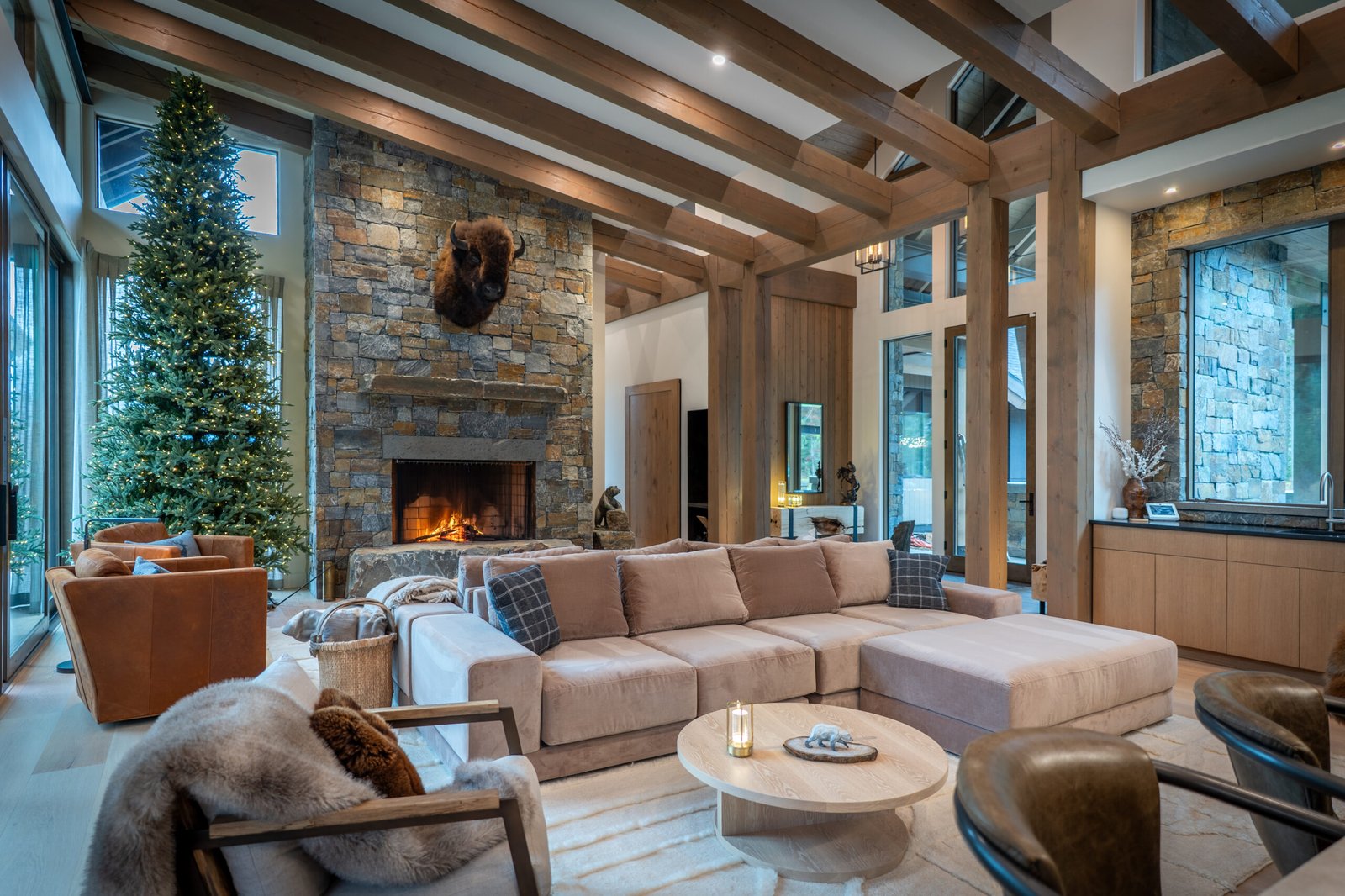
The defining room of any mountain cabin. The shade should disappear when raised and protect furniture from UV when lowered. A 5–10% openness solar shade in a warm neutral color (oat, sand, warm white) protects the view while reducing UV damage to your floors, sofa, and art.
Blackout shade with side channels. Mount inside the frame for the cleanest look. Pair with motorization so you don't have to climb out of bed at sunrise to manually lower a shade.
Light-filtering or room-darkening shades. Guests appreciate privacy and morning light control but don't necessarily need full blackout. World Wide Shades room-darkening fabrics block 90–95% of light at a lower price point than true blackout.
Vinyl or coated-polyester fabrics for moisture resistance. See our bathroom shade privacy guide and kitchen and bathroom shade guide.
Cellular-backed insulating fabric — these rooms often have less direct heat but lose warmth fastest. Cellular shades reduce heat loss significantly.
Durable, easy-clean vinyl fabric. Lots of in-and-out traffic, lots of snow and dirt. Match exterior face to home color palette for street-side appeal.
Mountain home shade maintenance schedule
Mountain shades benefit from a slightly different maintenance routine than year-round homes:
- Inspect all shades for any winter-residual moisture damage
- Test motorized shades from the app remotely before you arrive
- Replace batteries if motorized shades show low charge
- Vacuum hembar and roller tube
- Quick visual on all shades during a maintenance visit
- Verify motorized scenes are running on schedule
- Lubricate any chain mechanisms
- Lower all shades to 50% closed before locking up (protects fabric from prolonged direct sun while not fully stressing the mechanism)
- Turn off and disconnect any non-essential motors to prevent winter freeze damage
- Run dehumidifier in unoccupied periods if possible
- Schedule a remote check via smart-home app monthly
This routine, combined with high-quality hardware, can extend mountain shade lifespan to 15+ years.
Specific mountain home shade scenarios
Battery-powered motorization, mid-tier solar fabric for view-windows, blackout for primary bedroom. Total project typically runs $3,500–$6,500 for an 8–10 window cabin.
Hardwired motorization, premium UV-rated fabrics, full smart-home integration. Total project typically $6,000–$12,000 for a 12–15 window home.
Hardwired motorization, custom UV-rated fabric in matched colors throughout, integrated scenes, cellular-backed insulating fabrics in bedrooms. $10,000–$25,000+ for a fully equipped 15–25 window luxury home.
Maximum durability: aluminum hardware, vinyl or coated-polyester fabrics, simple operation (skip motorization where guests will fumble with apps). Cassette headrails to prevent guest tampering. $4,000–$8,000 for a 12–15 window lodge.
For project-specific pricing, call (844) 674-2716 or use /contact.
Common mountain home shade mistakes
High-altitude UV will fade non-rated fabric within 3–4 years. Always specify UV-rated fabrics for any window with direct sun exposure. World Wide Shades can match UV-rated fabrics to your color palette.
Mountain sunrise hits early and hard. Without true blackout, you'll wake up at 5:30 a.m. every clear day. Side channels are essential — without them, light leaks around the shade edges.
Lithium-ion batteries deep-discharge if left unused for 6+ months. The result: motors that work fine when you leave for the season and refuse to operate when you return. Hardwire any motorized shade in a home used less than 6 months per year, or budget for annual battery replacement.
Same lesson as beach homes: spend up once for the right specs and avoid replacing shades every 3–4 years. Marine-grade hardware works equally well at altitude — both environments destroy standard hardware.
Mountain homes face high winds. Loose shade hembars rattle in wind, causing fabric wear at the mounting points. Hembar weights — heavier than standard — help shades hang straight and reduce wind movement.
A motorized shade you can only control through Wi-Fi is useless when the cabin's internet goes down. World Wide Shades recommends cellular-backed smart-home hubs for mountain homes — these maintain remote control even during Wi-Fi outages.
Coordinating shades with existing decor
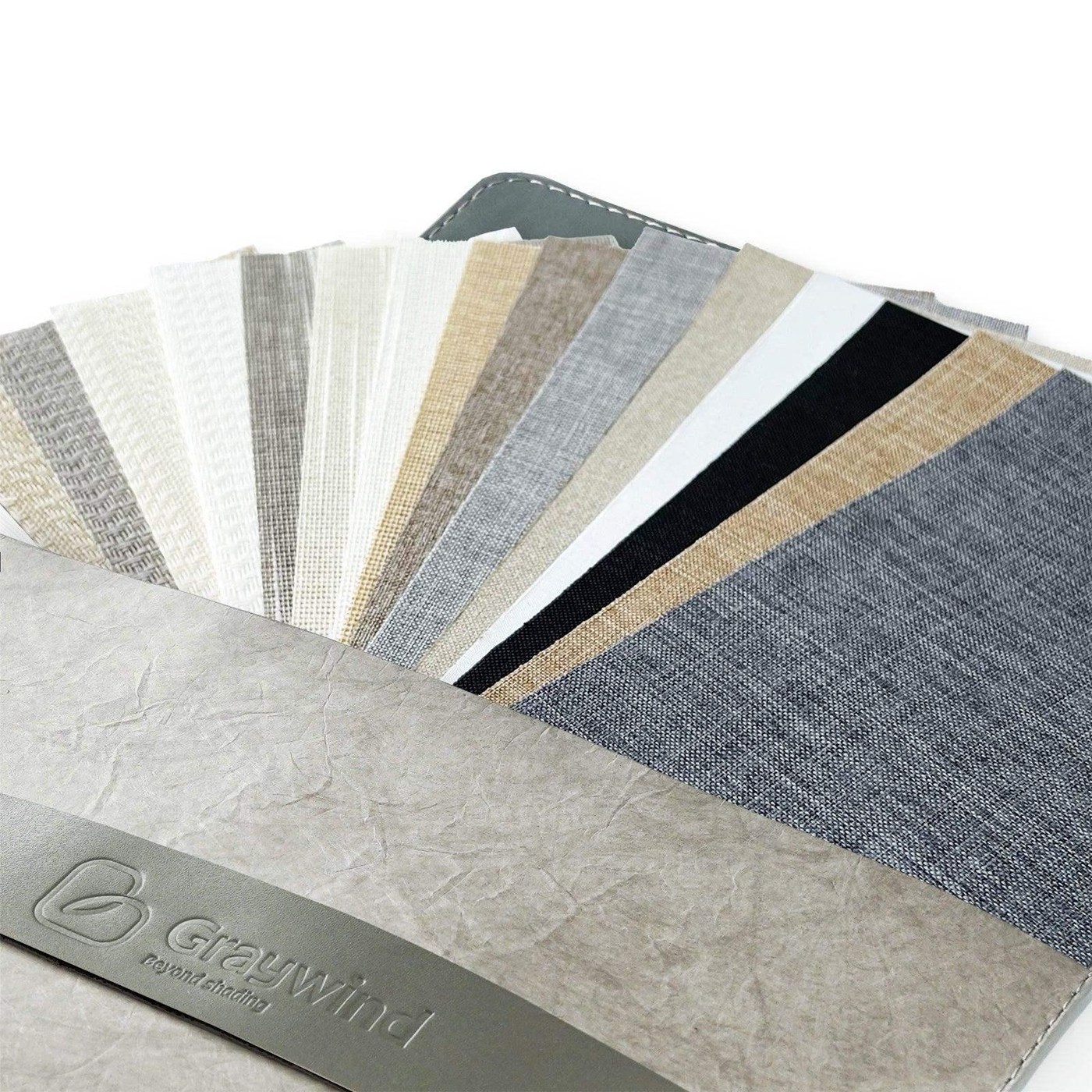
Mountain home aesthetics tend toward warm wood, stone, and natural textures. World Wide Shades offers fabrics specifically chosen for these palettes:
- Natural linen-look fabrics: oat, sand, mushroom, ivory
- Woven-wood-look fabrics: rich browns and deep neutrals
- Charcoal and graphite solar fabrics: for view-windows where heat rejection matters
- Custom hembar colors: brushed bronze, antique brass, or oil-rubbed metal to match interior hardware
For style coordination, see our Tudor, Craftsman, and Bungalow style guide and the color guide.
FAQs: mountain cabin and ski house roller shades
At 9,000 feet, UV is roughly 40% more intense than at sea level. Combined with snow reflection in winter, mountain shades see 2–2.5x the UV exposure of inland sea-level homes. Specify UV-rated fabrics.
Yes, for homes used less than 6 months per year. Lithium-ion batteries deep-discharge when unused. Hardwire if possible, or plan on annual battery replacement.
For primary bedrooms, yes. High-altitude sunrise is intense and starts early. Side channels prevent the side-light gaps that defeat the purpose of blackout shades.
A 5% or 10% openness solar shade in a warm neutral color (oat, sand, warm white). This protects from UV while preserving the view. Choose darker colors for view-windows that face direct afternoon sun.
Yes, with the right hardware. Aluminum and stainless steel hardware handles freeze-thaw indefinitely. Avoid plastic chain operators and brackets — these crack within 2–3 winters.
No. Heat-tape near window frames creates condensation between the shade and glass, which can mildew the fabric. Better solution: insulating cellular-backed shades that reduce condensation entirely.
World Wide Shades motorized shades pair with Apple HomeKit, Google Home, Alexa, and SmartThings for full remote control. From your phone, you can lower shades, preheat the cabin, and turn on lights before driving up.
Ready to spec your mountain home shades?
World Wide Shades offers high-altitude UV-rated, freeze-thaw-tested roller shades with full smart-home integration. To plan your system:
- Browse mountain-friendly fabrics in our swatches gallery.
- Design your shades in the online builder.
- For project planning, hardwired motorization specs, or whole-home automation, call (844) 674-2716 or reach us at /contact.
World Wide Shades helps you build a mountain cabin or ski house shade system that survives altitude, weather, and time.