Blackout and room-darkening shades both reduce daylight, but they do not promise the same result. Blackout fabric is designed to block nearly all visible light through the cloth. Room-darkening fabric lowers the light level substantially while allowing a small amount of glow. In both cases, light can still enter around the edges unless the shade is mounted and layered for coverage.
World Wide Shades helps homeowners choose the right darkness for sleep, screens, privacy, and daily comfort. When you are ready to compare fabrics, start the World Wide Shades builder, order World Wide Shades swatches, or contact World Wide Shades for a window-by-window recommendation. This guide explains the difference in plain language, shows how mounting changes performance, and gives practical recommendations for bedrooms, nurseries, media rooms, and living spaces.
The short answer
Choose blackout shades when the room needs the darkest practical environment: a nursery, bedroom, media room, home theater, or shift-worker space. Choose room-darkening shades when you want a strong reduction in glare and brightness but still want a little daytime glow for navigation and comfort. Use light-filtering fabric when the objective is softness rather than darkness.
Blackout is a property of the shade material, not a guarantee that a room has zero light. The U.S. Department of Energy discusses how coverings affect sunlight, heat, and privacy, but product performance is also shaped by fit, side gaps, headrail, and glass.
World Wide Shades can review the opening and recommend an inside or outside mount, overlap, cassette, or side channel. Start with the builder or call (844) 674-2716 for a bedroom or media-room plan.
What blackout means
Blackout shade fabric has an opaque layer or backing that blocks visible light through the material. When the shade is fully lowered, the cloth itself can make the room very dark. The result is strongest when the window treatment covers the full opening and the edges are managed.
An inside-mounted blackout roller fits within the recess and preserves trim, but a narrow halo can appear along the sides and bottom. An outside mount overlaps the frame and typically reduces those gaps. A cassette conceals the roll and may make the headrail look more finished. Side channels can restrict edge light further, though they add hardware and need room for the shade to travel.
Blackout is valuable for sleep consistency. It can also reduce reflections on a television or projector. In a room that needs both daytime brightness and nighttime darkness, pair a light-filtering or solar layer with a blackout layer rather than compromising one window treatment.
What room darkening means
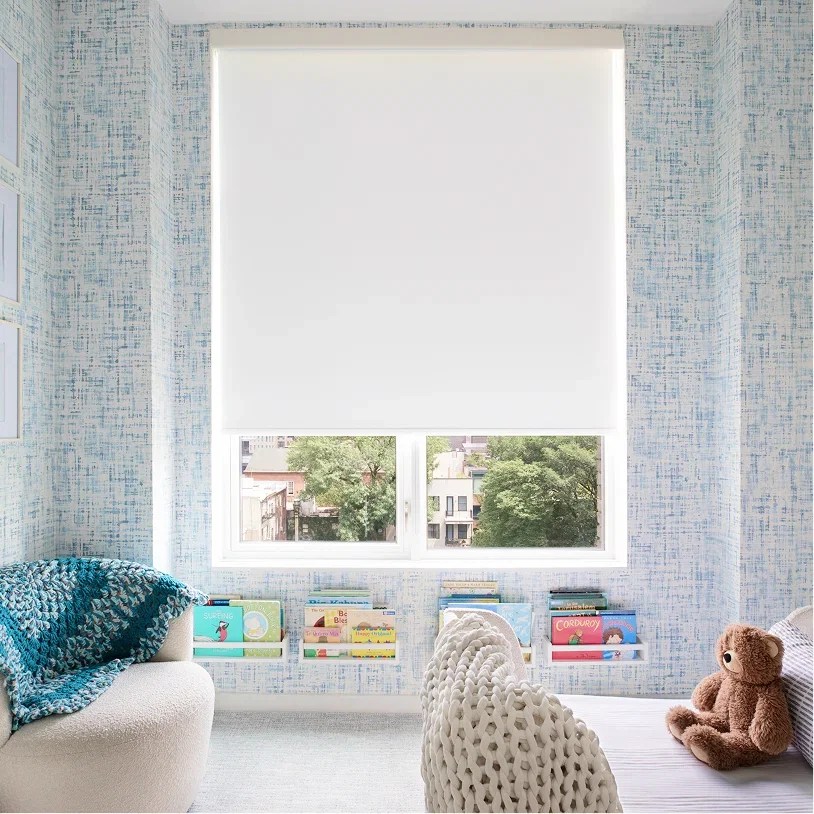
Room-darkening fabric reduces light significantly but may allow a low level of glow through the weave, edges, or backing. It is often comfortable in living rooms, guest rooms, and children’s rooms where some daylight is desirable. The fabric can make a room feel shaded without the cave-like effect of a full blackout treatment.
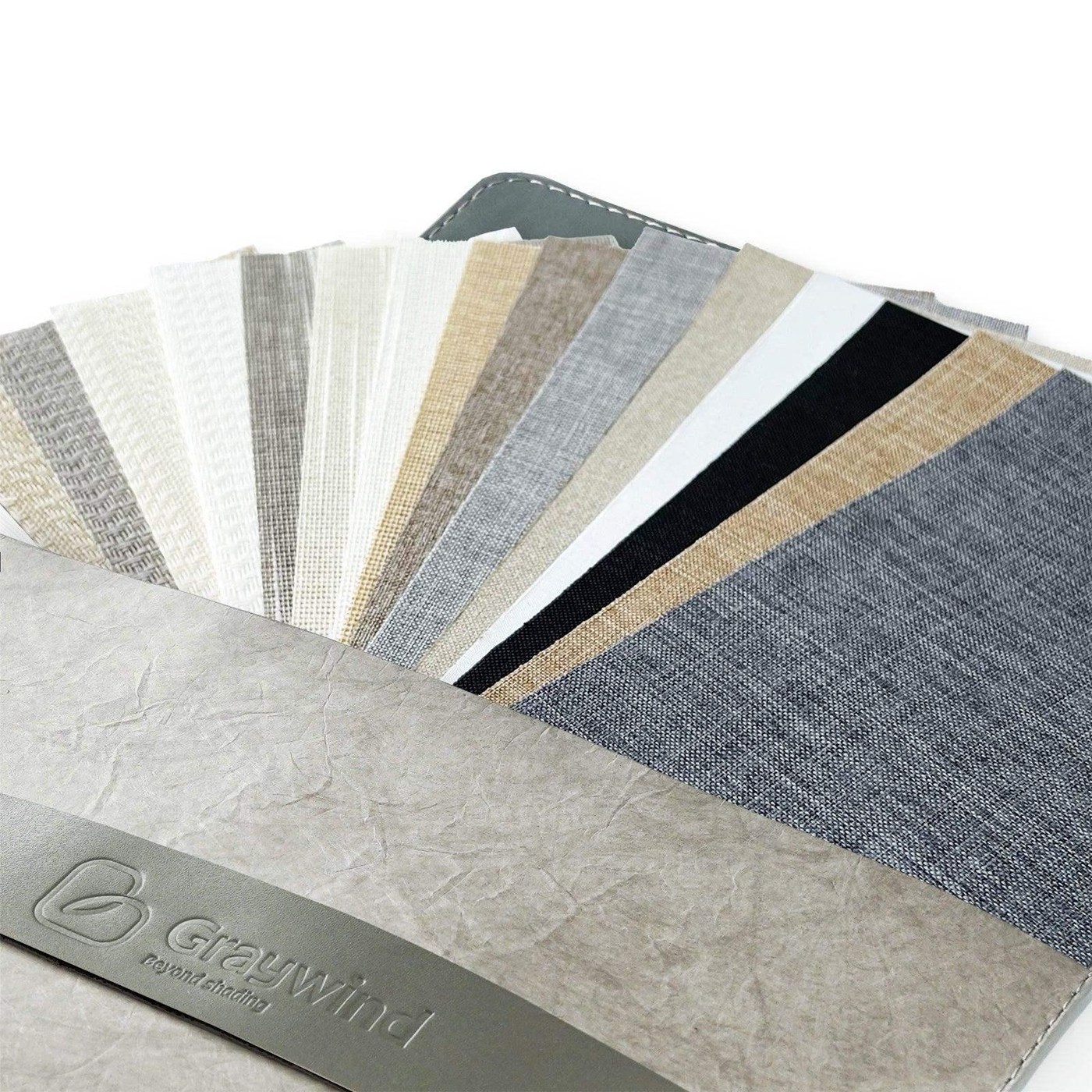
A room-darkening roller is often easier to coordinate with a soft neutral palette because it can use a more textile-like face. A medium gray or warm oatmeal may diffuse light without becoming stark. For the difference between woven, coated, and layered materials, review best fabrics for roller shades and light-filtering shades guide.
World Wide Shades can show side-by-side material samples in swatches. When you are ready to compare fabrics, start the World Wide Shades builder, order World Wide Shades swatches, or contact World Wide Shades for a window-by-window recommendation.
Performance by room
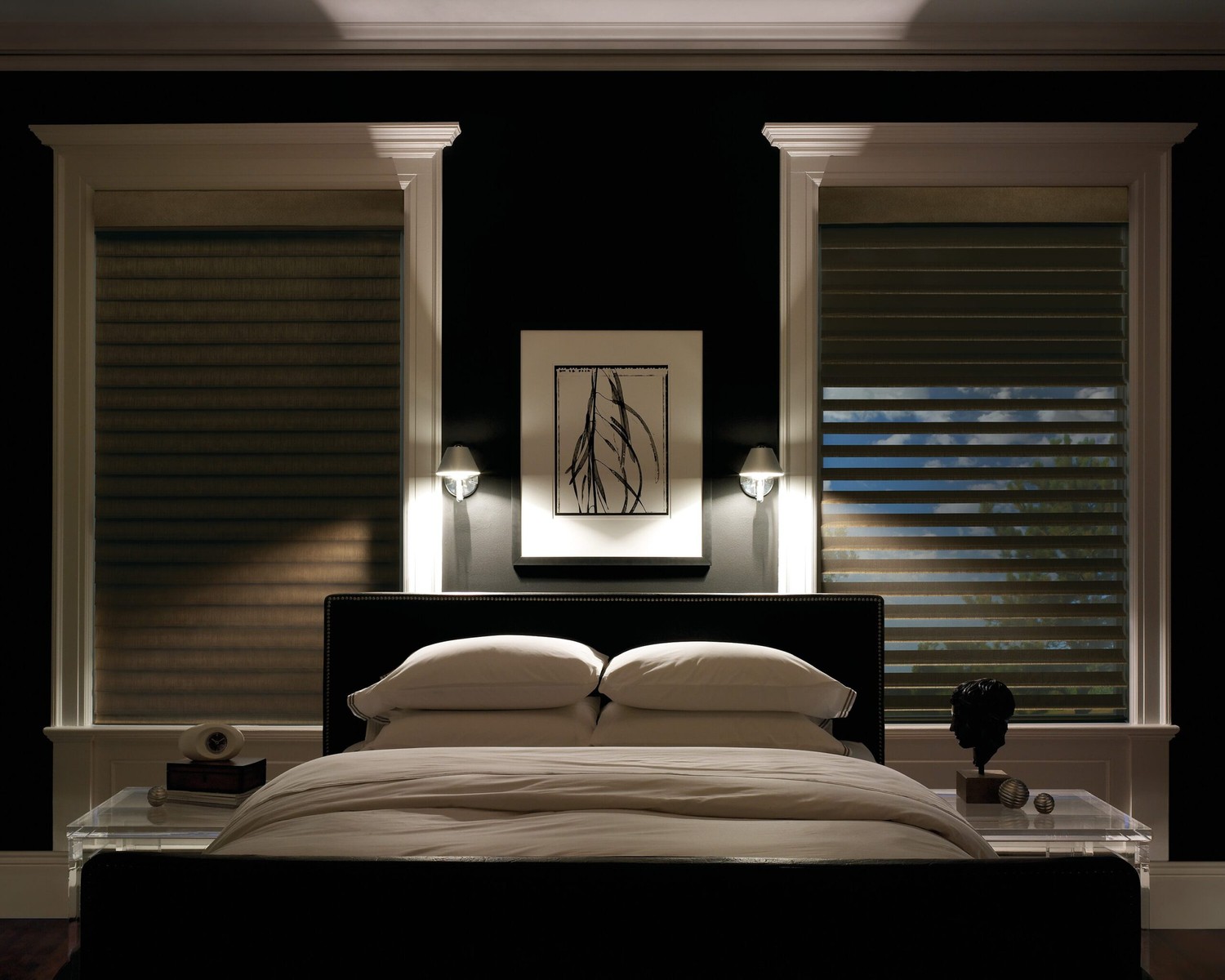
Adults who sleep during the day, light-sensitive sleepers, and young children often benefit from blackout. Choose cordless or motorized operation to reduce dangling cords and plan the shade so the bottom rail does not collide with a nightstand. An outside mount with 2 to 4 inches of side overlap is a useful starting point when trim and wall space allow.
For a bedroom that still needs a bright morning, motorize the blackout shade and schedule it to open at 7:00 a.m. Add a sheer or light-filtering layer if you want daylight without lifting the blackout treatment. Compare best window shades for bedrooms and child-safe window treatments.
A projector or glossy screen exposes small reflections. Blackout fabric is the better base, but dark walls, ceiling treatment, and controlled lighting also matter. Use side channels or overlap where the sun hits directly, and mount the shade high enough to clear speakers and trim. A motorized group can lower several openings simultaneously before a movie.
A room-darkening shade may be sufficient for a television room that does not require a projector. Our smart home motorized shades setup guide covers scenes and control choices. World Wide Shades can coordinate blackout with noise-reducing window shades when the room faces a busy road.
Room darkening is often more practical than blackout in shared spaces. It reduces harsh glare while leaving enough ambient light for conversation, reading, and movement. In a home office, a 3% or 5% solar screen may be better than either darkness option if the goal is a clear monitor and an outdoor view; see energy-efficient window shades.
If a living room has west-facing glass, use room darkening for late afternoon and layer decorative drapery for softness. If fading is the primary concern, compare UV protection window shades. The right treatment can solve a measurable problem without making every daytime hour dark.
Mounting, edge gaps, and measurements
Inside mounts require three width measurements and at least two height measurements. Use the narrowest width and check the depth for the headrail, handle, and fabric roll. Outside mounts need a clear wall above and beside the frame. Extending 3 to 6 inches above the frame and 2 to 4 inches past each side can reduce edge glow, but trim and furniture may change the recommendation.
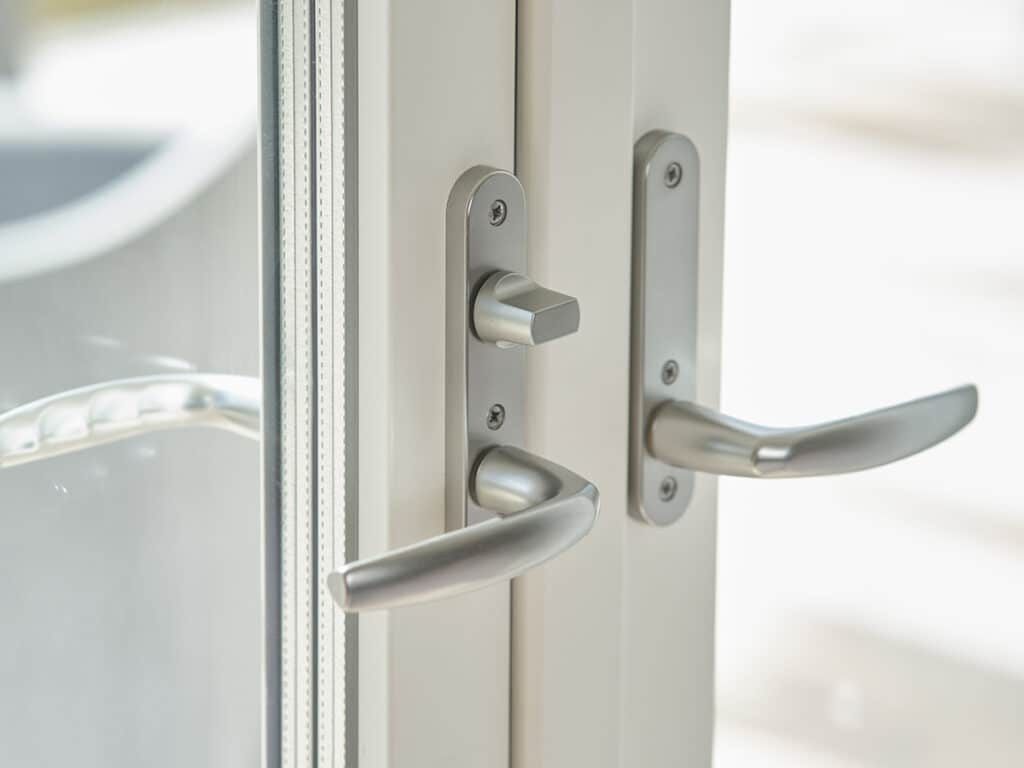
Large windows may need two or more shades. A center split can leave a slim line of light, so plan the opening and furniture around that seam. For French doors, use a separate shade on each panel so handles remain accessible; see roller shades for French doors. For an unusually wide opening, review roller shades for wide picture windows before ordering.
World Wide Shades can calculate mount depth and overlap from your dimensions. Use the builder, order swatches, or contact World Wide Shades. Call (844) 674-2716 if the room includes bay windows, shallow recesses, or a projector.
Cost and care
A standard manual room-darkening or blackout roller shade may budget around $150 to $500 per opening, with cassette, side channel, large dimensions, and premium fabric moving higher. Rechargeable motorization can add roughly $100 to $250 per shade. A four-window bedroom might therefore range from $600 to $2,000 manually or $1,000 to $3,000 with motorization before installation.
Dust with a soft brush or low-suction attachment. Wipe only as the manufacturer permits, and do not soak blackout backing. Inspect the roll periodically to ensure it is level and not rubbing the bracket. With correct installation and ordinary use, many quality shades can serve for 8 to 15 years.
World Wide Shades can phase a project by treating the sleep and media rooms first, then matching the visible fabric in living spaces. Compare how to install roller shades, configure in the builder, and contact the team for exact pricing.
Frequently Asked Questions
No. Blackout fabric is intended to block nearly all visible light through the material, while room-darkening fabric substantially reduces light but may allow some glow. Edge gaps can affect both results.
They can make a room very dark, but an inside mount may leave light around the sides, bottom, or headrail. Outside mounting, overlap, cassettes, and side channels can reduce those gaps.
Often. They reduce glare and brightness while preserving a small amount of ambient light. Choose blackout when the room is used for daytime sleep, projection, or a very light-sensitive occupant.
A standard manual shade may budget around $150 to $500 per opening, while rechargeable motorization can add about $100 to $250. Size, fabric, cassette, and edge-control hardware change the final price.
Yes. World Wide Shades can compare opacity, mount, overlap, and control for each room. Start with World Wide Shades swatches, configure the builder, or contact the team.