Coastal roller shades should make a room feel lighter, not turn it into a themed vacation rental. The most durable approach combines a quiet fabric, controlled contrast, and enough solar performance for bright rooms. Linen-like textures, sand tones, pale gray, and soft blue can suggest the coast while leaving room for wood, stone, art, and everyday life.
World Wide Shades helps homeowners choose custom solar, light-filtering, woven, room-darkening, and motorized shades for coastal interiors. Use the online shade builder to compare openness and operating styles, order swatches beside floors and upholstery, or contact World Wide Shades for a coordinated plan. The goal is a calm window that performs in real sunlight, salt air, and changing seasons.
What makes a shade feel coastal
Coastal style is more about light and material than a literal pattern. A 3% solar screen in warm white can feel coastal in a modern room; a woven shade with a subtle reed texture can work in a traditional room; a pale gray roller shade can complement blue-gray cabinetry without adding another nautical motif.
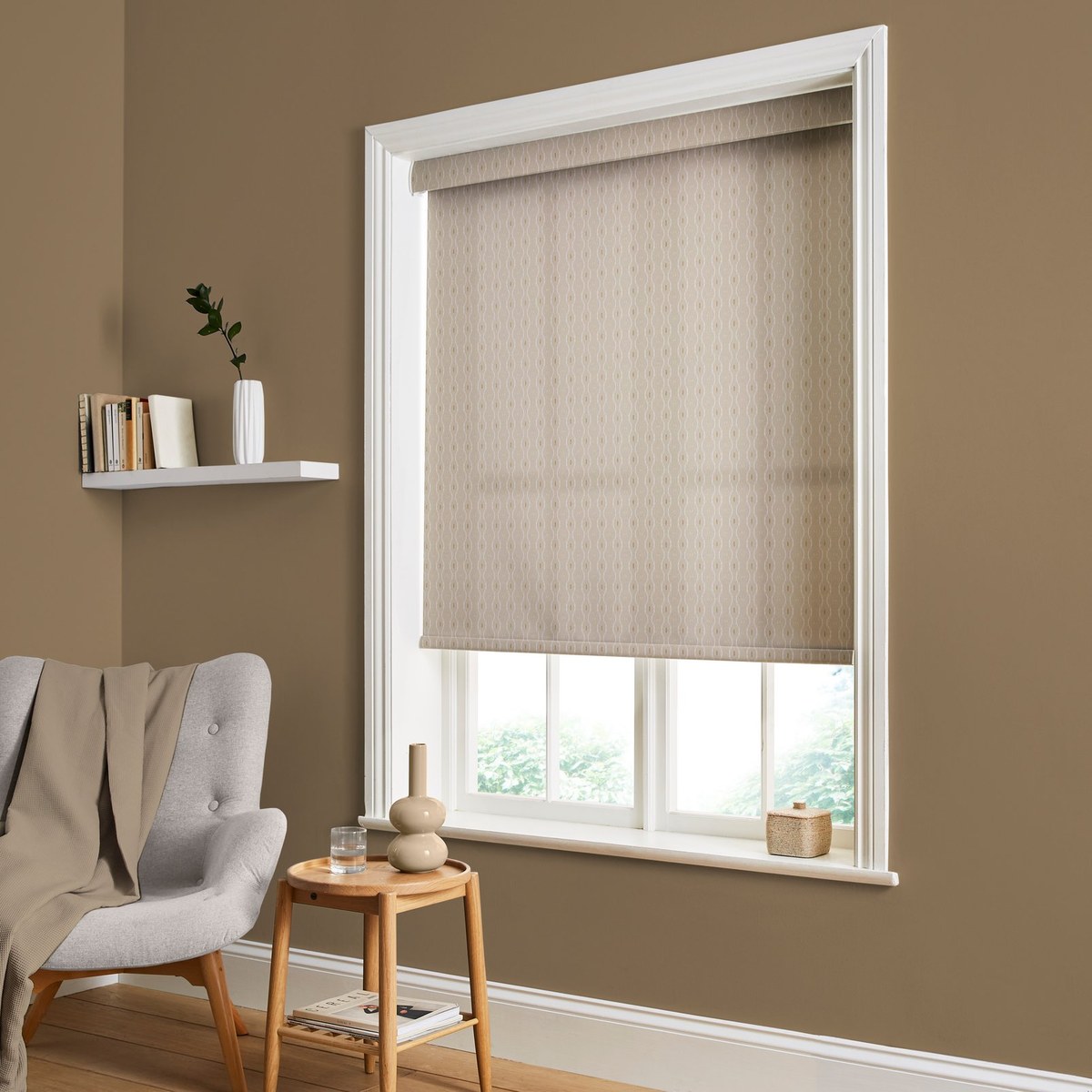
Start with the room's existing materials. If the floor is blonde oak, a sand or flax fabric may blend naturally. If the room has white walls and dark window frames, a cool gray can provide controlled contrast. If furniture already includes rattan, choose a roller shade with a fine texture rather than a highly patterned weave.
World Wide Shades can help keep the palette cohesive across multiple exposures. Send room photos through the contact page, order samples, and compare the fabric in morning and late-afternoon light. The window shades color guide is useful when a “white” fabric looks too blue, pink, or yellow in your room.
Solar performance in bright coastal rooms
Coastal rooms often have large windows, water reflection, and few trees to interrupt the sun. A solar screen can reduce glare while preserving the horizon. Openness factors commonly range from 1% to 10%; 1% offers stronger control, 3% balances view and glare, and 5% or 10% keep more transparency at the cost of more brightness and nighttime privacy.
A water-facing window may need a tighter screen than a shaded garden window. A 72-inch-wide opening facing west can create more afternoon heat than a smaller north-facing opening, even with the same fabric. Ask for solar and UV performance information, not only a color swatch. The UV protection window shades guide explains why openness, fabric color, and exposure need to be considered together.
Build a solar shade with World Wide Shades and test swatches at the eye level of the sofa. If glare lands on a television, laptop, or dining table, test that exact angle. Contact World Wide Shades when the room has glass doors or an extra-wide opening.
Light-filtering fabric for soft daylight
Light-filtering roller shades diffuse daylight rather than preserving a sharp outdoor view. They are a good fit for bedrooms, hallways, and living spaces where you want a luminous backdrop. A translucent ivory can soften a hard white wall, while pale taupe can add warmth to a room with limestone or travertine.
Remember that daytime and nighttime privacy reverse. A light-filtering shade may look private from outside during bright daylight, then show silhouettes when the room is lit after dark. For a street-facing coastal home, choose a denser fabric, an outside mount with good side coverage, or a dual-shade configuration.
World Wide Shades can combine a daytime screen with a room-darkening roller so the look remains consistent from room to room. Request coordinated swatches and contact the team before ordering multiple rooms. Compare light-filtering shades with blackout curtains versus blackout shades when overnight privacy matters.
Woven texture without visual clutter
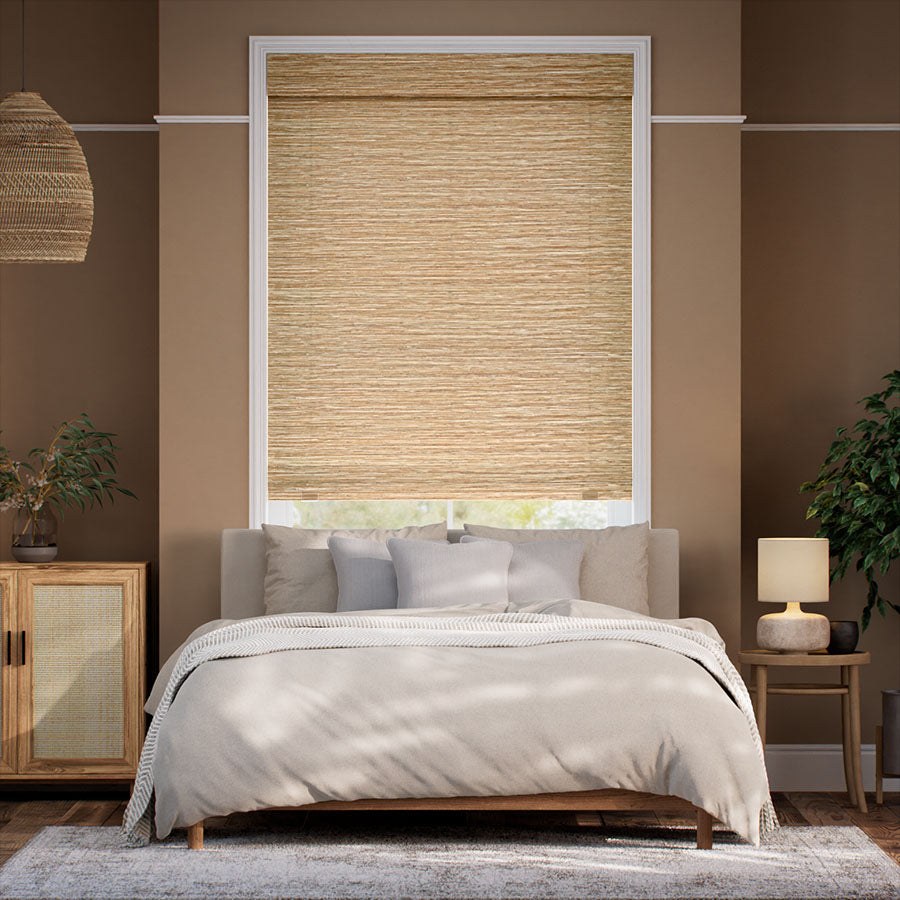
Woven wood and textured rollers bring depth to a coastal palette, but texture should support the architecture. A fine horizontal weave can echo siding or shiplap without repeating it literally. A grass-like material may add warmth beside white walls, though an unlined weave can allow pinpoints of light and reduce privacy.
Liners improve light control and create a more finished exterior appearance. In a bathroom or humid beach home, confirm the material and care instructions before selecting natural fibers. The woven wood shades guide explains where lining and exposure deserve extra attention. World Wide Shades can suggest a roller or woven alternative when a room needs a more moisture-tolerant solution.
Order samples from World Wide Shades and hold them next to hardware, cabinetry, and artwork. Contact World Wide Shades if you want texture without adding a busy pattern or if the window is close to a shower, sink, or exterior door.
Inside mount or outside mount
Inside mounts preserve trim and make a coastal room feel tailored. They work best when the frame has enough depth and no latch, crank, or casing interferes with the roll. Measure width at the top, middle, and bottom; use the narrowest width. Measure height on the left, center, and right; use the relevant finished dimension.
Outside mounts can improve edge coverage and make a small window look larger. Plan 2 to 3 inches of overlap per side when wall conditions allow, then verify that the brackets clear trim and door handles. On a French door, a shallow mount may be more practical than a large cassette. Compare roller shades for French doors and roller shades for patio doors before deciding.
If casing depth or salt-air exposure complicates the installation, contact World Wide Shades. Call (844) 674-2716 for a recommendation on a high window, a corner condition, or a wide coastal opening.
Motorization for sun and privacy scenes
Motorized shades are valuable in coastal rooms because exposure can change rapidly. A “view” scene can raise shades in the morning, a “glare” scene can lower them to 50% during the brightest period, and a “privacy” scene can close them at dusk. On a tall window or sliding opening, motorization also avoids reaching over furniture.
A rechargeable motor commonly adds $150 to $350 per opening. Hardwired power can add $300 to $600 or more if electrical access requires wall work. A hub and sensors increase the project total, but even a remote-controlled pair can make a meaningful difference. See smart-home motorized shades setup and motorized shades with Alexa and Google Home.
World Wide Shades can specify quiet motors and consistent top treatments across a room. Configure motorization, request fabric swatches, and contact World Wide Shades for control compatibility. Call (844) 674-2716 when shades need to coordinate with a whole-home scene.
Cleaning and coastal durability
Salt, sand, and humidity call for simple maintenance. Dust with a soft brush or low-suction vacuum attachment every month. Do not spray cleaner on the fabric or allow wet sand to rub against the bottom rail. For a spot, follow the manufacturer's care instructions and test first.
A shade near a frequently opened door may collect more grit than one in a bedroom. Choose a fabric with a practical cleaning method and keep the roll aligned so grit does not abrade one edge. World Wide Shades can help compare easy-care fabrics for a beach house or year-round coastal home. Ask for care guidance before choosing a delicate natural weave.
Coastal roller shades cost guide
A custom manual roller shade for a standard opening may cost roughly $150 to $350. Textured weaves, liners, cassettes, extra-wide widths, specialty hardware, and motorization can take one opening to $400 to $1,000 or more. A four-window living room with two rechargeable motors might reasonably range from $1,600 to $4,000, depending on size and controls.
Treat those numbers as planning ranges, not a quote. Fit, edge coverage, fabric performance, installation, and warranty can matter more than a low initial price. Use the World Wide Shades builder, order swatches, and contact the design team for a room-specific configuration.
Coastal roller shades FAQ
Warm white, sand, flax, pale gray, misty blue, and natural straw tones are flexible choices. The best color depends on wall paint, flooring, window frames, and direct sun. Order World Wide Shades swatches because screen fabrics can shift noticeably in strong light.
They can be excellent for glare and view control, especially with water-facing glass. Choose openness based on exposure and privacy needs, then verify care requirements for salt and sand. Contact World Wide Shades for a fabric recommendation.
Unlined woven shades usually filter light and may show small gaps. A liner improves room darkening and privacy. Compare the woven wood shades guide and ask World Wide Shades about a lined option.
Use texture, proportion, and a restrained palette rather than anchors, stripes, or novelty prints. A quiet solar screen or fine weave can suggest the coast without competing with art and architecture.
A rechargeable motor often adds about $150 to $350 per opening; hardwired work may add $300 to $600 or more. Build a configuration and include controls, installation, fabric, and access in the budget.
Yes. World Wide Shades can match or coordinate roller, solar, and motorized treatments across a living room, bedroom, and patio door. Contact the team with a window list and photos.