Craft rooms need more than attractive windows. A cutting table, sewing machine, paint station, or jewelry bench all depend on light that is bright enough to see detail but controlled enough to prevent glare, fading, and eye strain. The best craft room window shades let you tune daylight through the day instead of forcing one compromise from breakfast to bedtime.
At World Wide Shades, we help homeowners match shade openness, opacity, mounting style, and control method to the way a room is actually used. This guide explains the measurable choices: why a 3% or 5% solar fabric may suit a sewing table, when a blackout liner is worth the upgrade, and how to plan shades for windows facing east, south, west, or north. When you are ready, use the World Wide Shades builder to configure each opening or order World Wide Shades swatches before you commit to a color.
Why craft room light control is a design and accuracy issue
Natural light is valuable for matching thread, paper, paint, and fabric. Direct sun is not. A bright beam across a work surface can create a sharp reflection on a rotary cutter or tablet, while uneven contrast makes a white fabric look different from a gray fabric. In practical terms, a shade should reduce glare without turning the whole room dim.
Window direction changes the problem. East windows can send low morning rays directly across a table; west windows create the strongest late-day glare; south windows produce long periods of solar heat and UV exposure; north windows offer the most even daylight but may need privacy at night. The U.S. Department of Energy explains that window coverings can help manage solar heat gain, glare, and privacy, but performance depends on how tightly the covering fits and whether it is closed when the sun is strongest.
World Wide Shades can help you plan different opacity levels for different walls rather than repeating one shade everywhere. Start with the online builder, then call (844) 674-2716 if a craft room has skylights, corner windows, French doors, or an unusually wide opening.
The best shade types for craft rooms
Solar roller shades use an open-weave screen fabric to soften light while preserving some view-through. Openness is expressed as a percentage of the fabric that is open: a 10% fabric preserves more view and brightness, a 5% fabric gives stronger glare control, and a 3% fabric blocks more direct light while still feeling airy. For a craft table, 3% to 5% is often a useful starting range, especially on south- or west-facing windows.
Solar shades are also easy to wipe, which matters when a room contains glue, chalk, paint, or loose fibers. They do not deliver true nighttime privacy when interior lights are on, so pair them with a room-darkening roller shade, drapery, or an opaque liner if the craft room is visible from a neighbor’s house. Our best fabrics for roller shades guide compares weave, texture, and cleanability.
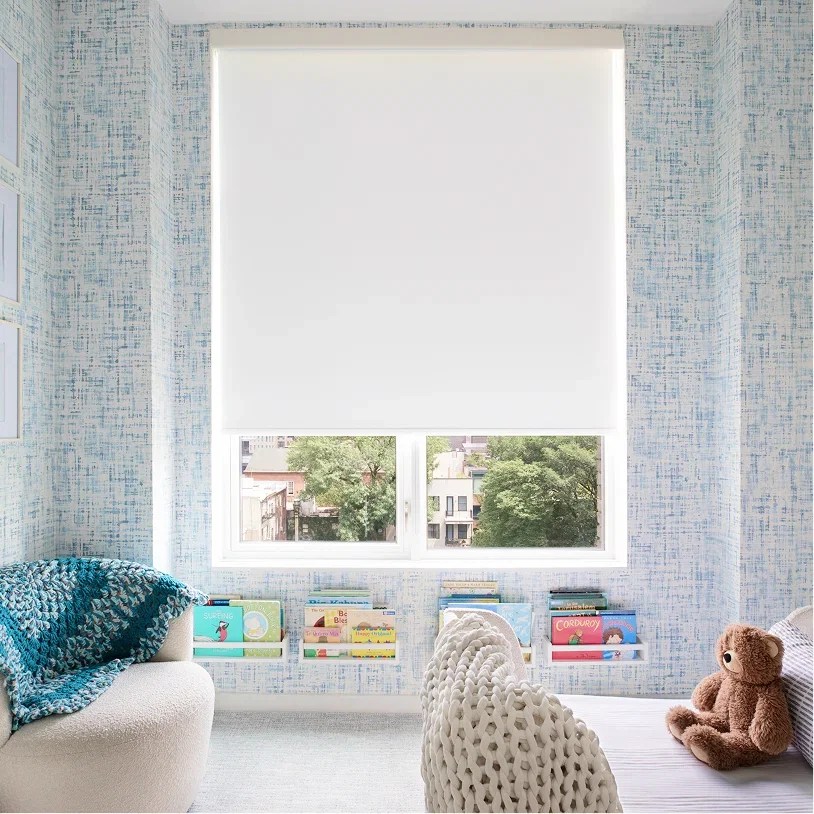
A light-filtering roller shade diffuses daylight through a coated or woven fabric. It is a strong choice for paper crafts, quilting, and general-purpose hobby rooms where you want a bright background without a hard sun patch. A matte linen-look fabric is usually easier on the eyes than a glossy finish, and warm white, natural, or pale gray can keep the room from feeling yellow or blue.
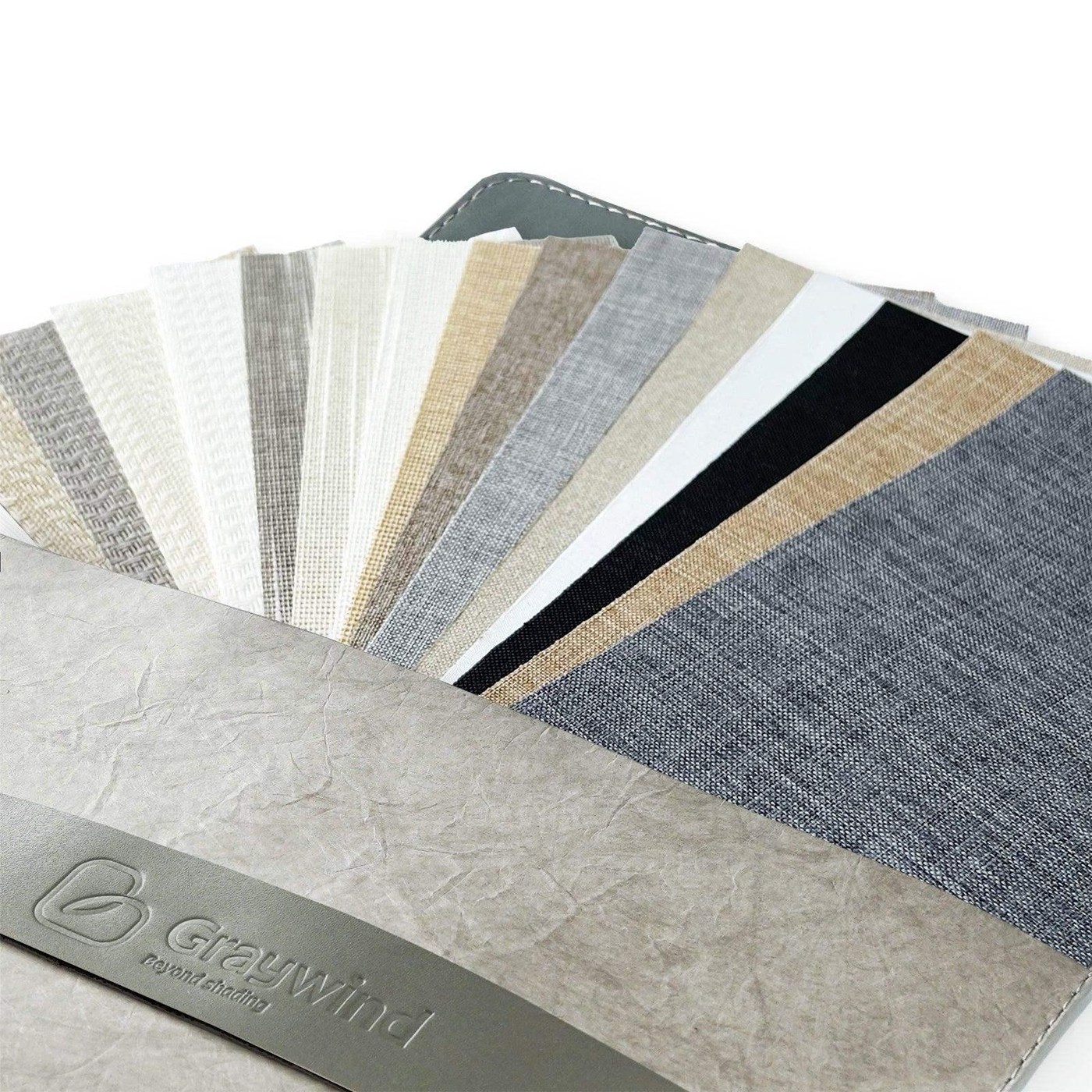
If you need privacy after dark, ask about a fabric with a privacy backing or add a second shade. World Wide Shades swatches make it easier to compare undertones beside your actual paint, cutting mat, and storage cabinets. For a small room that doubles as a guest room, compare light-filtering and blackout options in our light-filtering shades guide and best window shades for bedrooms.
Some craft rooms include a photo corner, projector, Cricut display, or computer monitor. In those zones, a room-darkening shade can eliminate reflections and make colors more consistent. Blackout fabric blocks most visible light through the cloth, but edge gaps still allow a halo unless you use an outside mount, side channels, or layered drapery.
A practical setup is a light-filtering shade for daytime work plus a blackout roller behind it for photography or evening privacy. The blackout curtains versus blackout shades comparison explains where each solution performs best. Ask World Wide Shades to size the outside mount so the shade extends roughly 2 to 4 inches beyond the frame on each side when the wall allows.
If a craft room sits over an unconditioned garage, has older glass, or feels drafty, cellular shades add an insulating air pocket. The U.S. Department of Energy notes that cellular shades can reduce heat loss through windows when properly fitted; the result varies by product, installation, and window. Single-cell shades are slimmer and generally less expensive, while double-cell shades provide more structure and insulation.
For a typical 36-by-60-inch window, a custom shade may cost about $150 to $450 depending on fabric, control, and motorization. Treat those numbers as planning ranges, not a quote. World Wide Shades can review room conditions and show cell structure through swatches. If utility comfort is the priority, read energy-efficient window shades before selecting a fabric.
How to choose opacity, color, and mounting
Measure the height of the table, easel, or machine and note where the sun lands between 9 a.m. and 5 p.m. A shade that stops at the sill may leave a bright strip across the work surface; a full-height shade or outside mount often provides smoother control. For inside mounts, measure width at the top, middle, and bottom and use the narrowest measurement. Record height in at least two places because older frames can be out of square.
Color affects perceived brightness and color judgment. A bright white shade can reflect more light into the room, while a medium taupe or soft gray reduces visual bounce. If you photograph finished projects, keep the shade neutral and check samples under both daylight and your task lamps. Our window shades color guide explains undertones and why a beige fabric can look green beside certain paints.
Cordless shades keep loose cords away from cutting tools and are easier to operate when your hands are full. For tall windows or a studio used by several people, motorization lets you raise or lower shades without walking around a large table. A rechargeable motor may cost roughly $100 to $250 more per shade than a manual control, with higher costs for hardwired power and smart-home integration.
World Wide Shades can build a single-room scene that raises shades for morning daylight and lowers west-facing shades during peak glare. Visit the builder for configurations, or contact World Wide Shades for a multi-window plan. If children or pets use the room, review child-safe window treatments before choosing a control loop.
Craft-room layouts that work in real homes
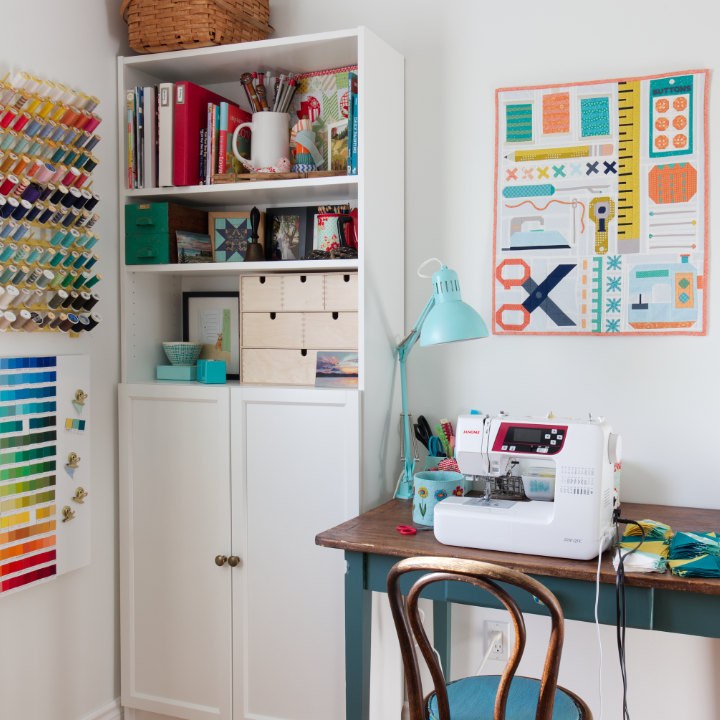
For a narrow sewing room, mount matching solar rollers on the long wall and use a 3% to 5% openness factor. Keep the fabric close to the wall so it does not interfere with shelving. For a mixed-use office and craft room, use a light-filtering roller at the desk and a blackout shade at the photography station; the same warm-neutral color keeps the room cohesive.
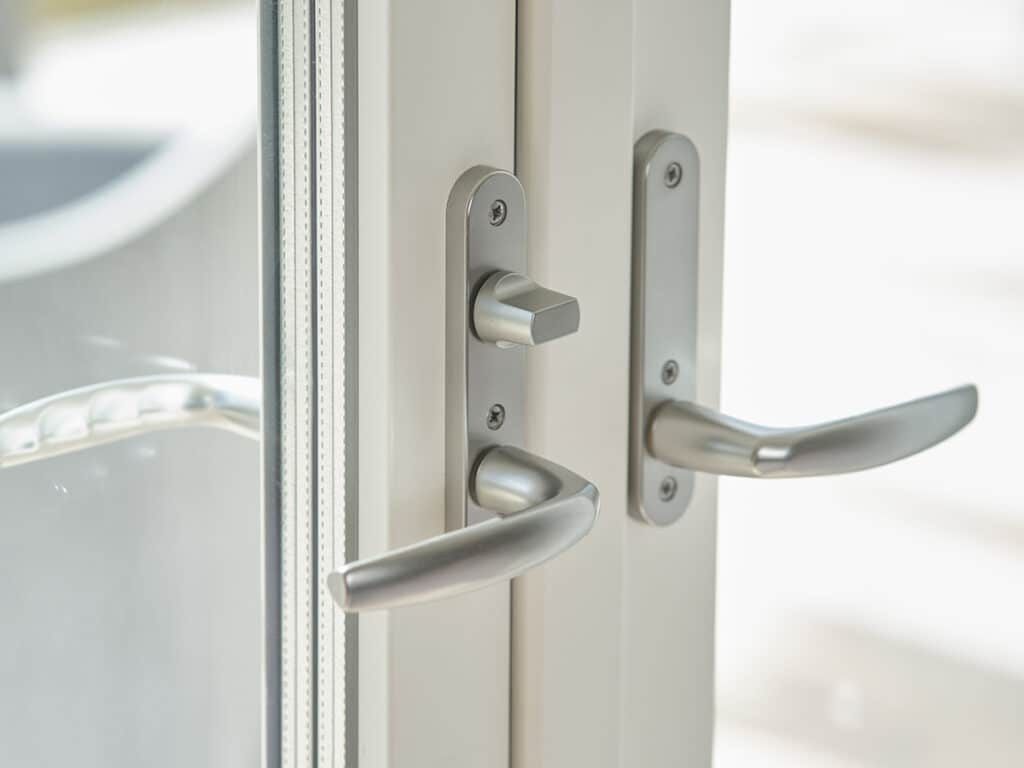
For a basement craft room, cellular shades can soften cold glass while a bright task lamp handles close work. For a sun-facing studio, use a solar shade as the daily layer and add a second room-darkening layer only where needed. A craft room with French doors may need separate door-mounted shades so the handles remain accessible; our roller shades for French doors guide covers clearance details.
Care, longevity, and budget planning
Dust solar and roller fabrics with a soft brush or vacuum upholstery attachment at low suction. For a spot, use a barely damp cloth and mild soap only after checking the fabric instructions; saturating the roll can cause warping or water marks. Keep solvent-based adhesives and spray paint away from the cloth. A quality shade can serve for 8 to 15 years when the roll remains aligned and the fabric is not exposed to repeated abrasion.
A five-window craft room might budget $750 to $2,250 for manual custom shades, or $1,250 to $3,750 with rechargeable motorization, depending on size and fabric. World Wide Shades can separate the project into priority windows: treat the west wall first, then add secondary openings. Use World Wide Shades swatches, compare the how to install roller shades guidance, and call (844) 674-2716 for help with a difficult opening.
Frequently Asked Questions
For most worktables, start with a 3% to 5% solar shade or a light-filtering fabric. Choose room-darkening or blackout for photography, projection, or a craft room that needs strong nighttime privacy.
Usually not when interior lights are on. Solar shades preserve daytime views, but the brightness reverses at night. Add a privacy liner, second roller shade, or drapery layer if the room faces neighbors.
They can be worthwhile for tall windows, wide rooms, or anyone who wants scheduled glare control. Plan on roughly $100 to $250 above manual pricing per shade for rechargeable motorization, with project-specific variation.
For an outside mount, extending about 2 to 4 inches past each side and 3 to 6 inches above the frame can reduce edge glare, if wall space and trim allow. An exact recommendation depends on the fabric roll and hardware.
Yes. World Wide Shades can coordinate fabric, color, cassette, and control style across standard windows, doors, and specialty openings. Start with the World Wide Shades builder or contact the team with your room dimensions.