Choosing between dual roller vs single roller shades is easier when you start with the job each fabric must do. A single roller uses one continuous fabric: solar or light filtering for daytime, room darkening or blackout for privacy and sleep. A dual roller, also called a double or day-night roller, stacks two independent fabrics on one window. You can lower a screen fabric for daytime glare control, then lower a blackout layer when you need privacy or darkness.
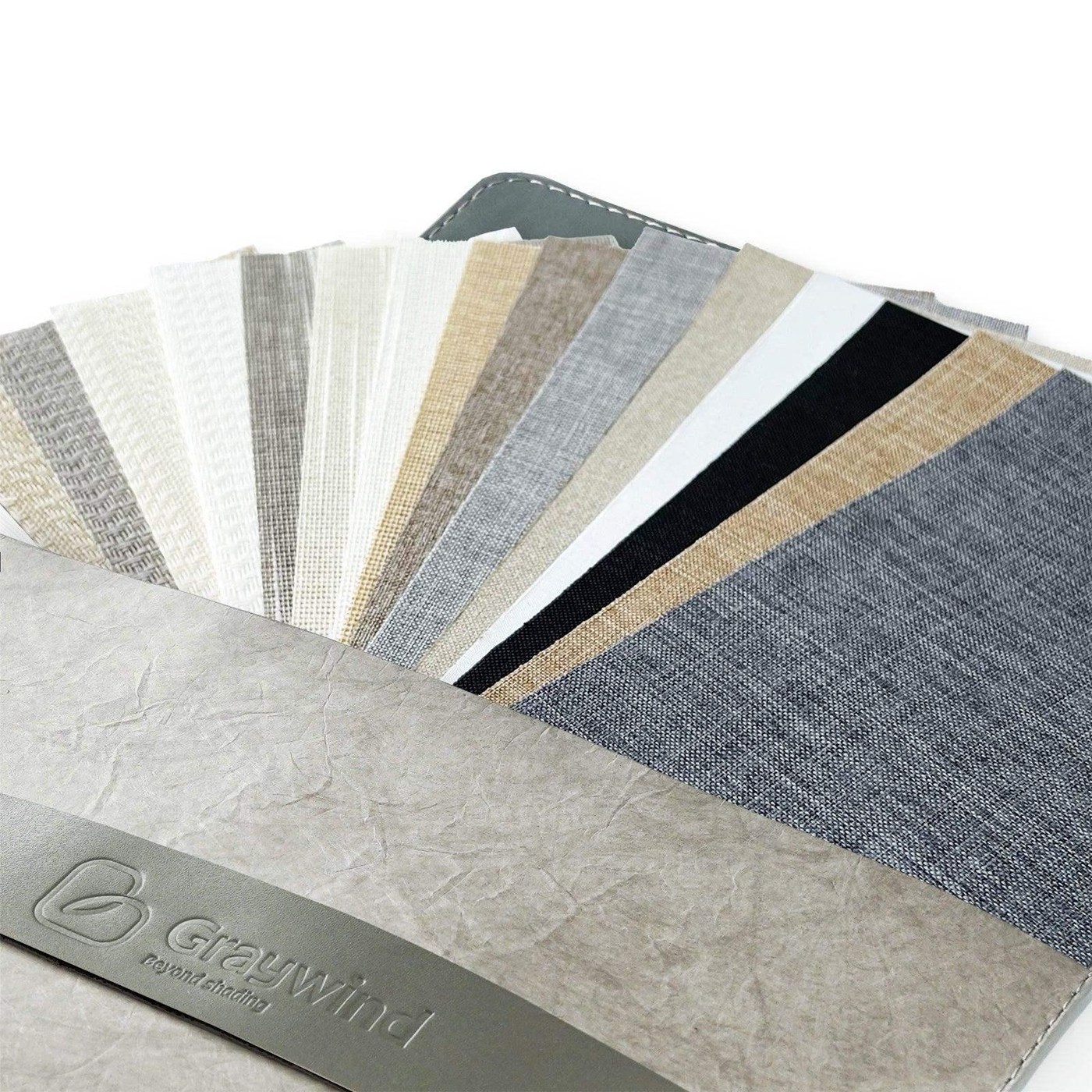
World Wide Shades helps homeowners match the shade configuration to the room, window orientation, and control style rather than selling extra layers by default. If you are comparing fabrics, begin with the World Wide Shades online builder, then request fabric swatches to see how both layers look in your actual light.
What is the difference between a dual roller and a single roller shade?
A single roller has one tube, one fabric, and one operating system. It is compact, usually less expensive, and straightforward to install. A dual roller puts two tubes or two fabric rolls into a shared headrail or bracket system. The front layer and rear layer operate separately, so one window can provide two different performance levels.
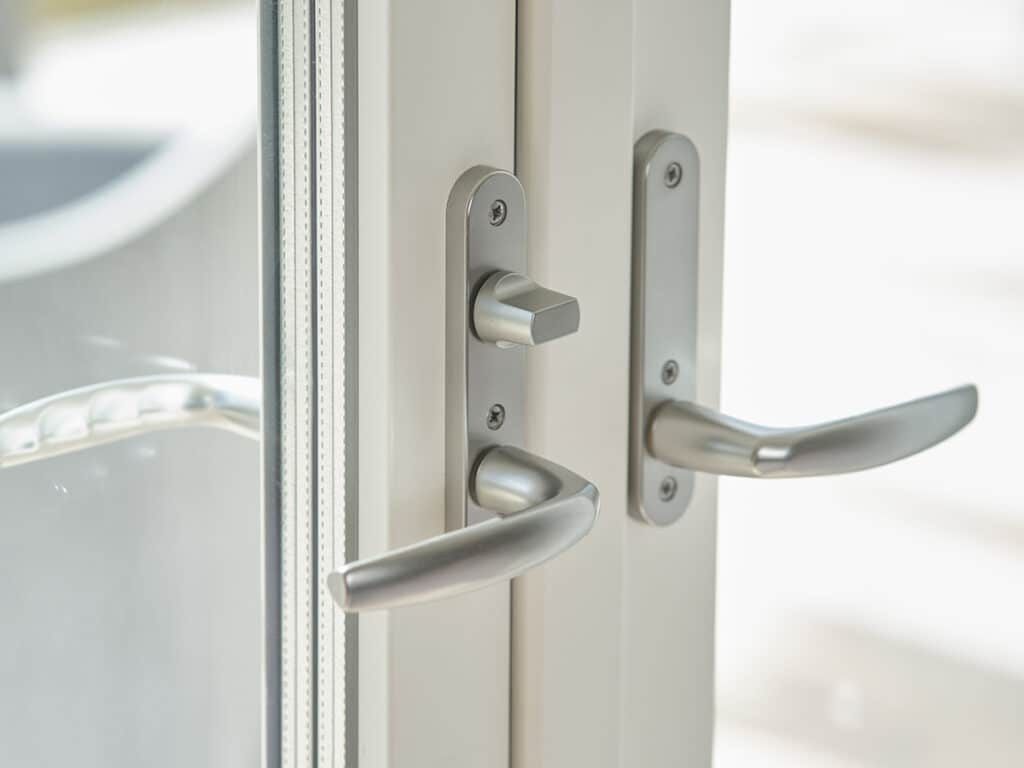
The extra layer adds depth. A single shade may project about 2 to 3 inches from the glass; a dual system commonly needs roughly 4 to 6 inches of headrail depth, depending on the cassette and fabric roll. Confirm available depth before ordering, especially on shallow jambs, doors, and windows with inward-opening hardware. World Wide Shades can review a photo and your measurements at Contact World Wide Shades or by phone at (844) 674-2716.
When a single roller shade is the smarter choice
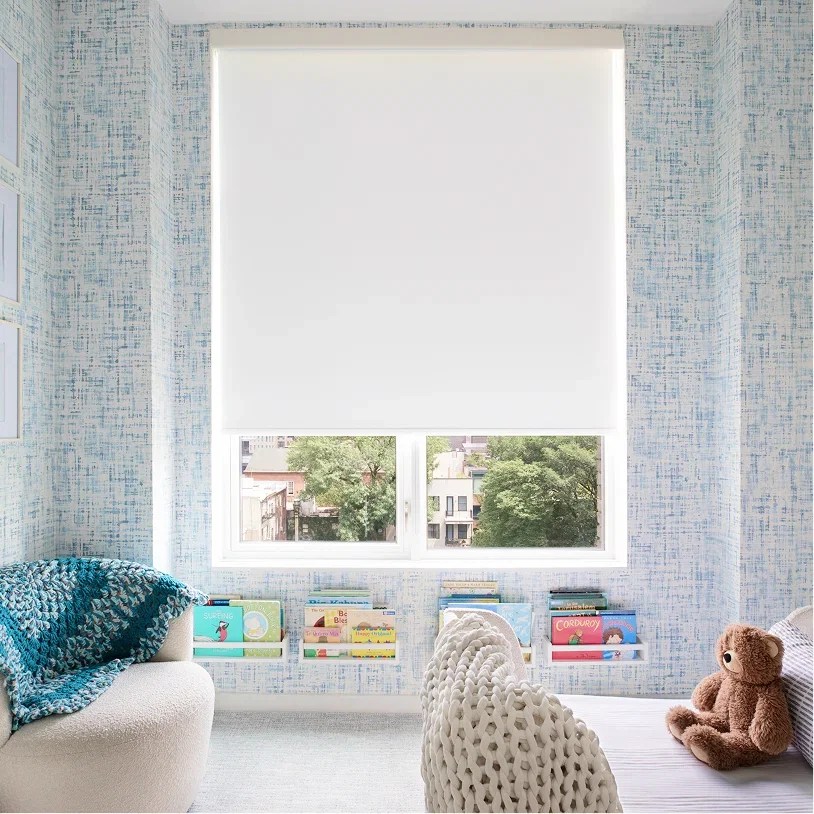
Single roller shades are usually best when one fabric can meet the room's main need. A 3% or 5% openness solar fabric can reduce glare while preserving a view in a living room or home office. A room-darkening or blackout fabric is a simpler answer for a bedroom where the priority is sleep.
One tube means fewer moving parts, a slimmer profile, and a quicker installation. It also means a single control is easier for children, guests, and short-term-rental turnover. For a standard 36-by-60-inch window, a manual custom roller shade often falls in the approximate $100–$250 range, while a basic battery motor can add about $150–$300 per shade. Actual pricing changes with width, fabric, cassette, and control.
Single shades also make sense for windows that are opened frequently. A dual headrail can interfere with a handle or screen if the opening depth is limited. If your window is in a kitchen or bath, read the roller shades for kitchens and bathrooms guide before choosing a fabric that can tolerate moisture and cleaning.
Start a single-shade configuration with World Wide Shades when you want a clean profile, one control, and a predictable budget. If you are replacing several rooms at once, contact World Wide Shades for help grouping windows by performance instead of ordering identical shades everywhere.
When two fabrics solve a real problem
Dual rollers earn their added cost when the window needs different behavior at different times of day. The most useful pairing is a light-filtering or solar front layer plus a room-darkening or blackout rear layer.
A 3% solar fabric can soften reflected light on a television or monitor while keeping the outside view recognizable. At night, that same open fabric can reveal silhouettes when interior lights are on. Lowering the second blackout layer closes that privacy gap. The light-filtering shades guide explains how openness and opacity affect the result.
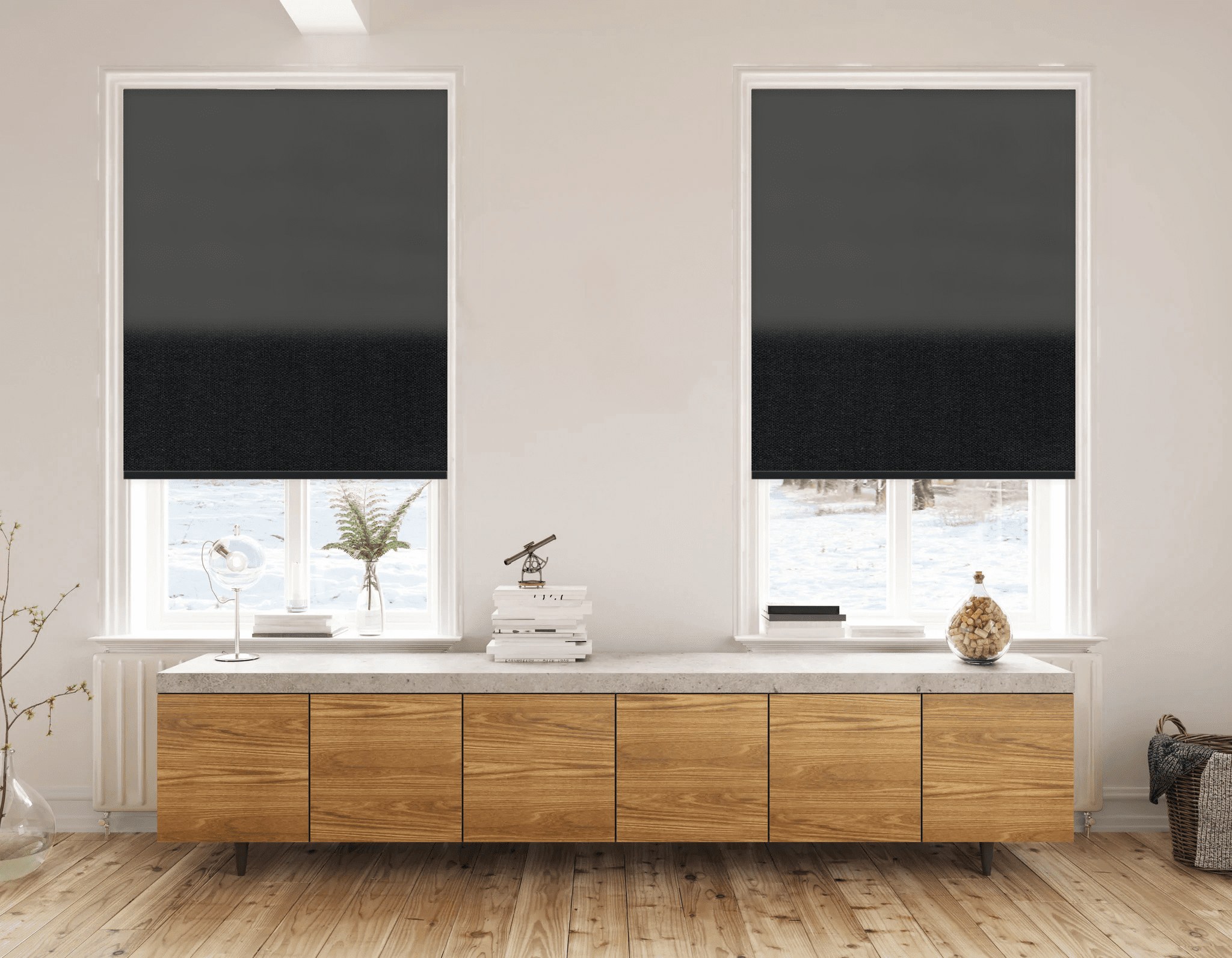
A dual shade lets you use the light-filtering layer during the day and the blackout layer for naps, early sunrise, or shift-work sleep. Blackout performance still depends on mounting: an inside mount leaves side gaps, while an outside mount with 2–3 inches of overlap per side can reduce edge leakage. For a broader comparison, see blackout curtains vs. blackout shades.
In a living room, the solar layer can manage heat and screen glare without making the room feel closed. In the evening, the second layer gives privacy without relying on curtains. This is especially useful on south- and west-facing glass, where sun exposure changes sharply between 2 p.m. and sunset. Our guide to best shades for south-facing windows covers fabric openness and orientation in more detail.
How much do dual roller shades cost?
A dual roller typically costs more than two separate budget shades because the headrail, brackets, fabric rolls, and controls must fit together precisely. A practical planning range is $250–$650 for a manually operated dual shade on an average 36-by-60-inch window; motorization can bring the same opening to roughly $450–$1,000 or more. Large windows, premium woven textures, blackout side channels, and smart-home hubs increase the total.
Compare the full installed system, not just the fabric price. Ask whether the quote includes the cassette, both controls, child-safe hardware, programming, shipping, and installation. World Wide Shades can model single and dual configurations side by side so the upgrade is tied to a measurable benefit. Use the custom roller shade cost guide to set a realistic project budget, then call (844) 674-2716 if you want a room-by-room estimate.
Installation and daily operation differences
Dual rollers need accurate bracket placement because two rolls must remain parallel. Allow room for the larger headrail, and verify that the fabric will clear window locks, handles, and trim. On doors, check the projection when the panel swings or slides. A level install matters even more with two rolls: a small lean can make one fabric rub while the other looks straight.
Manual dual systems normally have two chains or two cordless controls. Motorized systems can use separate channels, a paired remote, or scenes in a smart-home app. Plan at least 1 inch of clearance from nearby trim when the shade is fully raised, and leave access for charging or battery replacement. For setup ideas, see smart home motorized shades setup.
World Wide Shades can specify the roll direction, headrail style, and control side before fabrication. Use the builder for a quick configuration, or send your window details to World Wide Shades before you drill.
A practical decision rule
Choose a single roller when one fabric solves the main problem, the window has limited depth, or the smallest profile and lowest initial cost matter most. Choose dual rollers when you need both daytime view-through and nighttime privacy, when schedules vary, or when replacing the shade seasonally would be inconvenient.
Do not buy a second layer just because it sounds premium. If the room always needs blackout, one well-mounted blackout shade may outperform a dual system for less money. If the room needs glare control in the afternoon and privacy after dark, two fabrics can be more useful than two separate window treatments.
Frequently asked questions
They are better when one window needs two distinct performance levels, such as solar control by day and blackout at night. A single roller is better when simplicity, shallow depth, or a lower budget is the priority.
Yes. Dual rollers can use separate motors or paired channels so each fabric moves independently. Battery motors commonly add about $150–$300 per layer, while hardwired or integrated systems can cost more depending on electrical access.
Not automatically. The blackout fabric may block light through the cloth, but an inside mount can still leave side and top gaps. Outside mounting, a cassette, or side channels can improve darkness; ask World Wide Shades to match the construction to your target room.
Many dual systems need approximately 4–6 inches of headrail depth, though the exact requirement depends on fabric thickness and hardware. Measure the jamb and nearby handles before selecting inside mount.
They take slightly longer because there are two fabric surfaces and more hardware. Dust with a soft brush or vacuum on low suction, and spot-clean only when the fabric care label permits it. Avoid saturating the rolls or spraying cleaner into the headrail.
Pair a 1%, 3%, or 5% solar fabric with a room-darkening or blackout fabric when glare and privacy are both concerns. Order World Wide Shades swatches and compare them at morning, afternoon, and evening light before ordering.
Ready to compare both configurations? Build your dual or single roller shade with World Wide Shades, request swatches, or contact the team for a recommendation tailored to your window.