Dual shades and layered window treatments both give you more than one light-control setting, but they create flexibility in different ways. A dual shade combines two fabrics in one window system, commonly a solar or light-filtering layer with a room-darkening or blackout layer. A layered treatment combines a functional shade with drapery, side panels, or another separate treatment.
World Wide Shades helps homeowners choose based on the room, view, privacy, stacking space, and desired look. When you are ready to compare fabrics, start the World Wide Shades builder, order World Wide Shades swatches, or contact World Wide Shades for a window-by-window recommendation. This comparison explains how each option works, where it performs best, and how to plan a flexible treatment without sacrificing clean operation.
The short answer
Choose dual shades when you want fast switching between view-through daylight and privacy or darkness in the same compact opening. Choose layered treatments when you want the softness, color, and acoustic presence of drapery in addition to a precise shade. A dual shade is generally cleaner and easier to automate; a layered treatment offers more decorative range and can improve the finished scale of a large room.
The U.S. Department of Energy explains that window coverings can affect glare, solar heat, and privacy. More layers are only useful when each one has a job. World Wide Shades can help you avoid paying for two fabrics that are always used together or selecting a single dual unit where drapery would solve a proportion problem better.
Use the builder to compare configurations, then call (844) 674-2716 if you are working with a wide picture window, French doors, or a ceiling-height opening.
How dual shades work
A dual roller shade places two independent rolls on one headrail or in a coordinated cassette. The front layer may be a solar screen for daytime view and glare control; the rear layer may be light filtering, room darkening, or blackout for privacy. You lower one, the other, or both, depending on the system.
A typical sequence is simple: solar layer down at 10:00 a.m. for daylight, both layers down during a west-facing glare period, and the privacy layer down at sunset. The two rolls need enough depth to clear the frame, handles, and each other. Check recess depth before choosing an inside mount.
Dual shades suit modern interiors because the headrail remains compact and the fabric rolls align. They are useful in bedrooms that need a bright daytime setting and dark sleep setting. Compare blackout curtains versus blackout shades and light-filtering shades guide before choosing the second fabric.
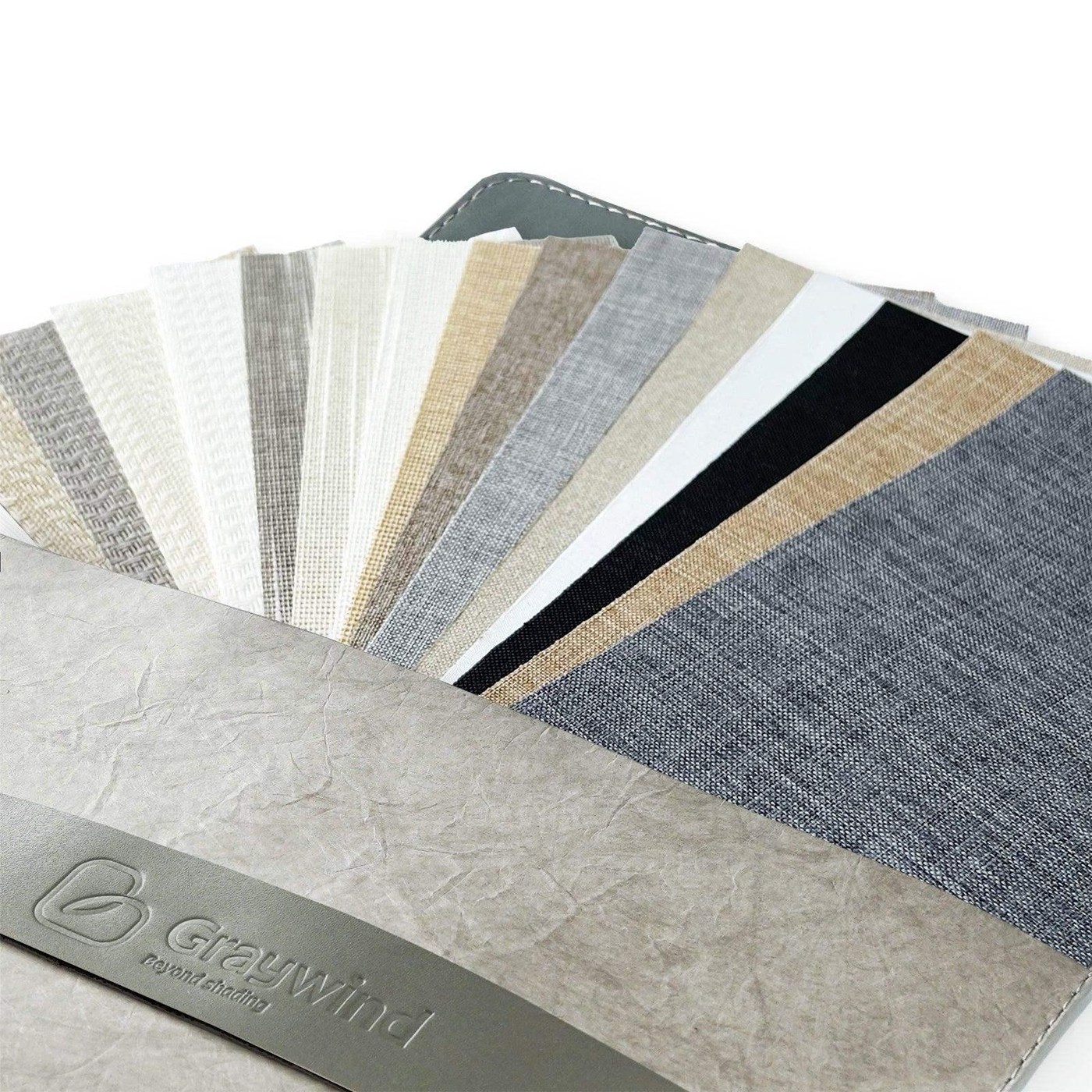
World Wide Shades can coordinate color and opacity between the two rolls. Order World Wide Shades swatches, or When you are ready to compare fabrics, start the World Wide Shades builder, order World Wide Shades swatches, or contact World Wide Shades for a window-by-window recommendation.
How layered treatments work
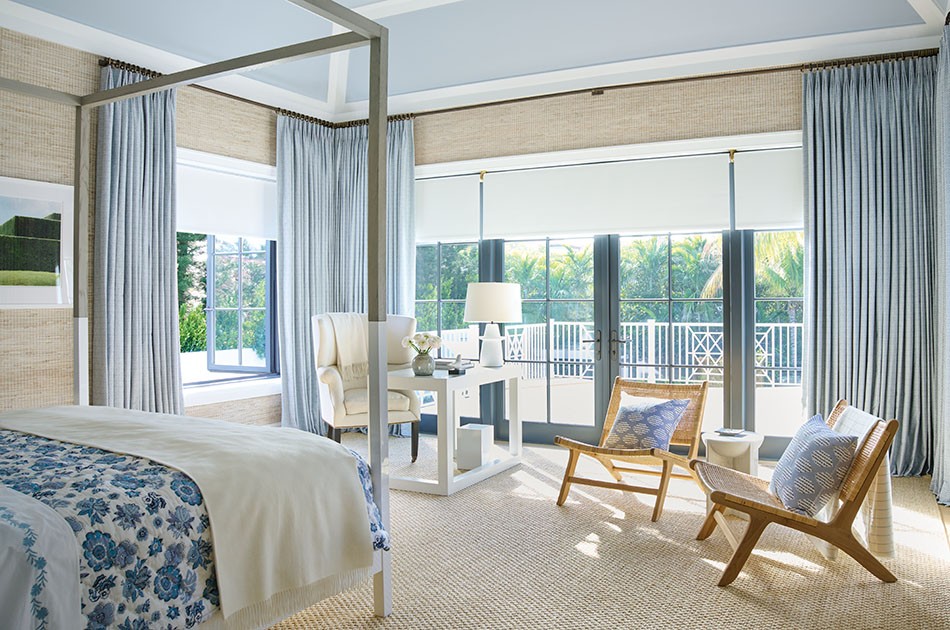
Layered treatments usually pair a roller or Roman shade with drapery panels. The shade handles glare, privacy, and daily light control. The panels frame the window, soften the wall, add color or pattern, and can provide a second barrier after dark.
Layering offers more choices in fabric weight, pleat style, rod or track, lining, and stack location. It can make a 90-inch-tall room feel finished and can visually connect a row of windows to furniture. The trade-off is space: drapery needs room to stack beside the glass, and the rod or track must clear the shade headrail.
For a modern room, use a matte solar roller and tailored side panels. For a transitional room, choose a light-filtering roller and softly textured lined drapery. For a bedroom, use a blackout shade with full panels if the room needs both darkness and a substantial layered look. Read roller shades with drapery layering guide for placement details.
Flexibility by performance goal
A solar layer is usually the best way to preserve a daytime view while reducing glare. A 3% or 5% openness fabric is a practical starting point for strong sun; 10% admits more view and brightness. Drapery alone can reduce glare, but it often blocks the view completely when closed.
Light-filtering fabric gives more privacy than an open solar screen, especially during the day. At night, even a screen can reveal silhouettes when interior lights are on. A second opaque layer or drapery provides more reliable nighttime privacy. Our best window shades for bedrooms guide covers privacy by room.
For sleep or projection, blackout fabric and good edge coverage matter more than whether the treatment is dual or layered. Outside mounting, side overlap, a cassette, or side channels can reduce light halos. World Wide Shades can coordinate both shade types with the room’s trim and furniture.
A closed solar shade can reduce direct sun and help protect flooring and furniture from UV exposure. Drapery adds another barrier when closed, but the exact benefit depends on fabric color, glass, orientation, and how often the treatment is lowered. Review UV protection window shades and best shades for south-facing windows.
Style and room proportions
Dual shades win when the window itself should remain visually quiet. Their two rolls are compact, and there is no rod or panel stack competing with artwork. This is especially useful in small living rooms, kitchens, and rooms with built-ins.
Layered treatments win when the wall needs softness or scale. Full-height panels can make a window appear taller, and wide stacking can make a narrow opening feel broader. Hang drapery high and extend the rod or track beyond the frame where possible; a 6- to 12-inch side extension is a common planning range, subject to trim and furniture.
Use one repeated fabric across a row of windows and vary only the opacity or panel width. World Wide Shades can coordinate a dual shade in the office with a roller-plus-drapery combination in the living room. See window shades color guide, roller shades versus Roman shades, and woven wood shades guide for related style decisions.
Operation, power, and maintenance
Dual shades can be operated manually with separate controls or motorized as a group. Motorization is helpful when the two layers are tall, wide, or used on a schedule. Plan roughly $100 to $250 above manual pricing per motorized shade, with a dual system and smart-home bridge potentially adding more.
Layered treatments can motorize the roller and leave drapery stationary, or motorize both if daily access and privacy justify it. Keep charging access clear for rechargeable motors. Review smart home motorized shades setup and motorized shades with Alexa and Google Home before choosing automation.
Flat roller fabric is usually simpler to dust than drapery. Vacuum panels with an upholstery attachment and follow the shade manufacturer’s cleaning instructions. Keep steam, grease, and wet areas away from fabrics; use roller shades for kitchens and bathrooms for moisture-aware placement.
Costs and decision framework
A manual dual shade may budget around $300 to $900 per opening, depending on width, fabric pair, cassette, and control. A single roller with custom drapery may range around $400 to $1,200 per opening, with lined or motorized panels adding more. For six living-room windows, a planning range of $1,800 to $7,200 is realistic before installation, depending on the treatment mix.
Choose dual shades if compactness, automation, and quick light changes are the priorities. Choose layering if the room needs architectural softness, pattern, or a drapery stack. Choose a hybrid if the window has intense glare but the room also needs a finished textile wall.
World Wide Shades can build a side-by-side proposal. Use the builder, order swatches, or contact World Wide Shades. Call (844) 674-2716 for a wide opening or a project that mixes dual shades and drapery.
Frequently Asked Questions
No. Dual shades put two independent fabrics into one shade system. Layered treatments combine a shade with separate drapery or another window covering, giving more decorative and fabric choices.
Either can work. Dual shades offer compact daytime and blackout settings, while a blackout roller plus drapery adds softness and a fuller finished look. Edge coverage and opacity matter more than the label.
Not automatically. Both can use blackout fabric, and both can have edge gaps. The mount, overlap, cassette, side channels, and fabric determine darkness more than whether the treatment is dual or layered.
A manual dual shade may budget around $300 to $900 per opening. A roller with custom drapery may range around $400 to $1,200 or more. Exact pricing depends on size, fabric, hardware, and motorization.
Yes. World Wide Shades can use dual shades where compact control matters and layered treatments where softness or scale matters. Start with World Wide Shades swatches, use the builder, or contact the team.