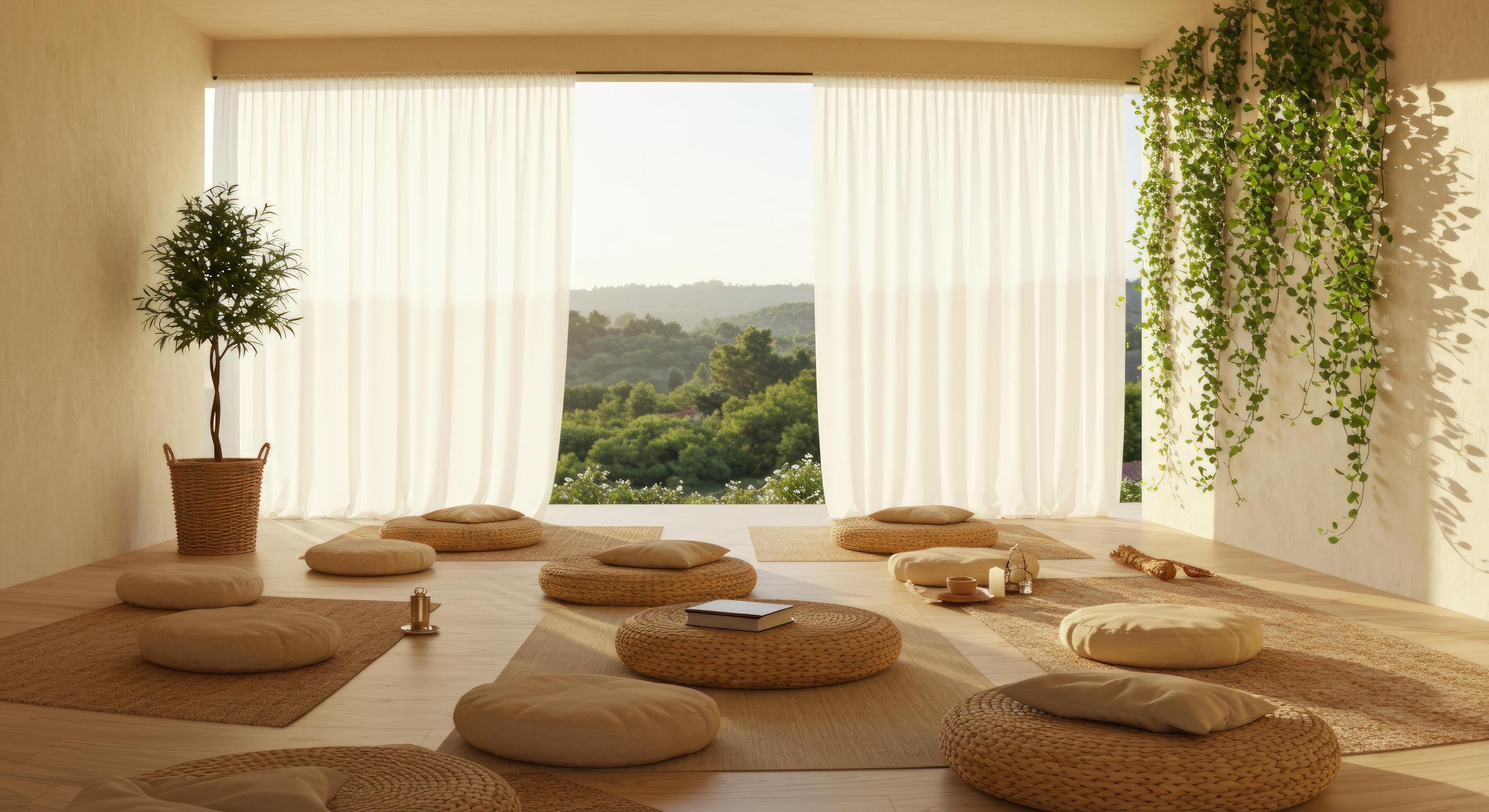
A meditation room should feel quieter than the rest of the home. The right meditation room window shades help create that feeling by turning harsh sun into soft, even light, limiting visual distractions, and giving you privacy when the room faces a street or neighboring building. The goal is not simply to make a room dark. It is to make the room predictable at 6 a.m., comfortable at noon, and restorative after sunset.
World Wide Shades designs custom window treatments around the way you actually use a room. Start with the online shade builder to compare opacity, color, and operating options, or contact World Wide Shades for help with unusual windows. A 10-minute planning conversation can prevent the common mistake of choosing a beautiful fabric that still leaves a bright strip of glare across your cushion.
What meditation room shades need to do
A useful meditation space usually benefits from four kinds of control:
- Brightness: Reduce direct glare without making daytime practice feel like a cave.
- Privacy: Block sightlines from sidewalks, adjacent homes, and interior hallways.
- Temperature: Slow solar heat gain in summer and drafts near cold glass in winter.
- Consistency: Make the room feel similar from one session to the next.
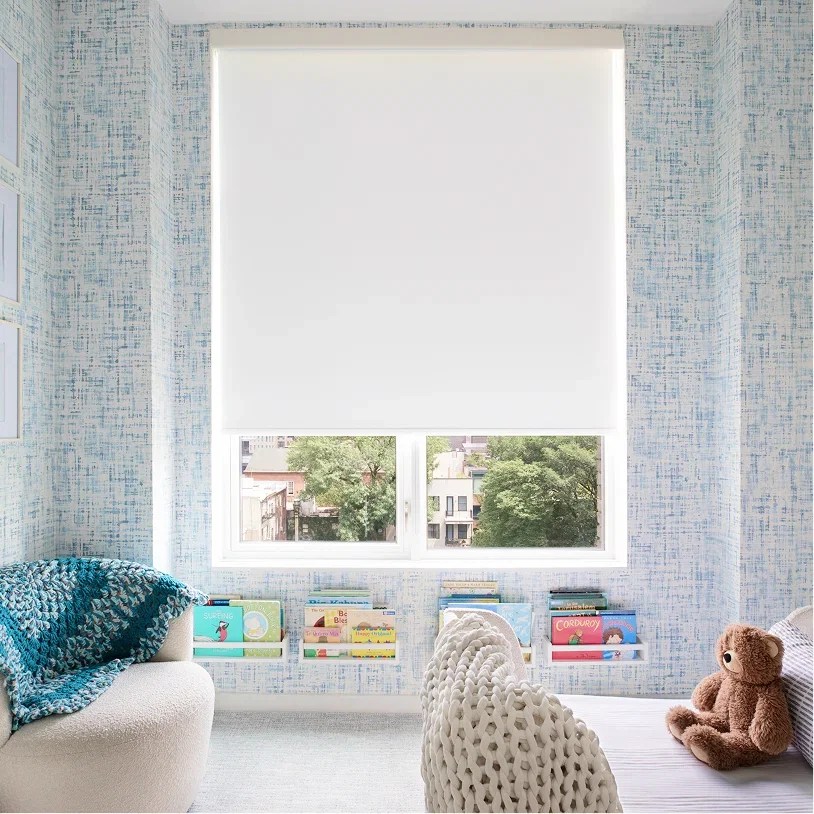
Light-filtering roller shades are often the best starting point because they diffuse daylight across the room while preserving a gentle sense of time. A fabric with roughly 3% to 5% openness can soften bright light and retain some view, while a room-darkening fabric is better for evening breathwork, nidra, or meditation with candles or a projector. For a street-facing room, privacy fabric or a lower openness factor may matter more than the view.
The light-filtering shades guide explains how openness, weave, and lining change the light you see. For a space with strong afternoon sun, compare that advice with best shades for south-facing windows before selecting a color.
Choosing the right opacity for your practice
Light-filtering shades usually provide the most versatile result. They reduce contrast on the floor and walls, which makes it easier to keep eyes relaxed, but they do not erase the natural daylight that helps anchor a morning practice. In a 10-by-12-foot room with one 36-by-60-inch window, a light-filtering shade can lower perceived glare without requiring overhead lighting during the day.
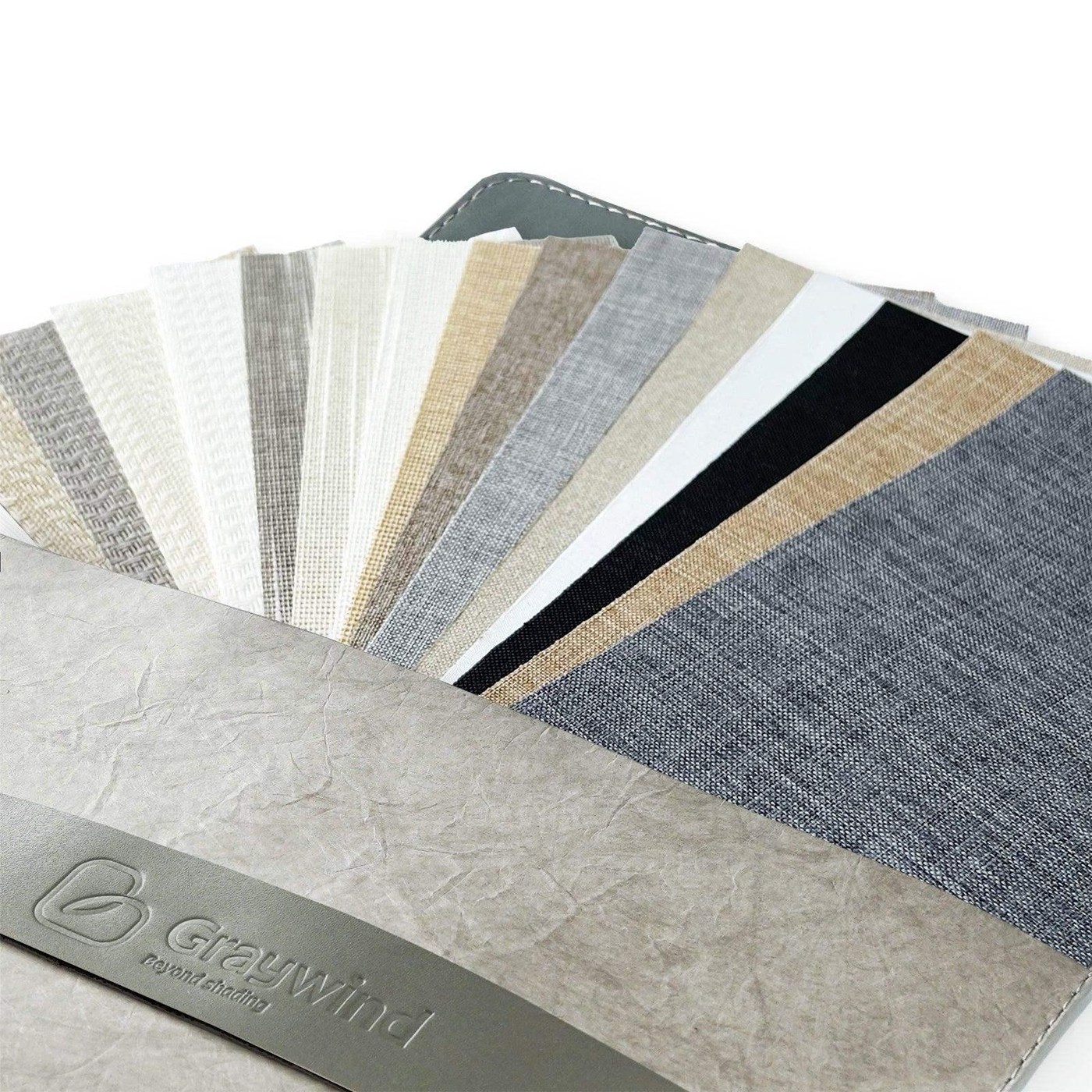
The fabric color changes the mood and performance. Pale ivory, sand, and warm gray reflect more daylight and keep the room airy. Mushroom, clay, and muted sage add depth while still feeling quiet. Order fabric swatches from World Wide Shades and look at them at 8 a.m., noon, and 4 p.m.; a fabric can appear two or three shades warmer when direct sun crosses it.
Room-darkening roller shades are useful when a meditation room doubles as a breathwork, stretching, or sleep space. They can block most visible light, but the installation determines how dark the room feels. An inside-mounted shade may leave a 1/4-inch to 1/2-inch perimeter gap. An outside mount with an overlapping cassette can reduce those bright edges, and side channels can reduce them further.
Blackout is a stronger choice when you need near-total darkness for restorative practices. Read blackout curtains vs. blackout shades for the trade-offs. If your room has both bright daytime practice and evening darkness needs, a dual shade combines a solar or light-filtering layer with a blackout layer in one window.
Fabric, color, and texture that support calm
Meditation rooms tend to work best with low-contrast surfaces. A shade that is within one or two tones of the wall will visually recede, while a high-contrast pattern can become the focal point. Smooth woven polyester creates a clean, minimal backdrop; a subtle linen-look weave adds warmth without introducing a busy motif. Woven wood can be beautiful in a yoga or nature-inspired room, but its natural variation may cast striped shadows. Explore the material differences in woven wood shades guide.
Choose a color based on both atmosphere and solar exposure. White-backed fabrics can reflect sunlight and keep a west-facing meditation room cooler. A medium neutral can hide dust better than a very pale shade, especially when the room includes floor cushions, incense, or open shelving. World Wide Shades can coordinate the shade with a wall, rug, or wood tone instead of asking you to match a catalog swatch in isolation. Request swatches before ordering.
Privacy without losing daylight
Privacy is often the hidden reason a meditation room never feels settled. A window that looks onto a neighbor's kitchen or a busy sidewalk can keep the nervous system alert even when the room is decorated beautifully. A 1% to 3% solar screen can make daytime sightlines less obvious while admitting daylight, but it generally will not provide nighttime privacy when interior lights are on. For all-day privacy, use an opaque light-filtering fabric or pair the screen with a privacy liner.
If the room faces a close building, consider top-down/bottom-up operation. Lower the shade from the top to keep the sky view and daylight while covering the lower half of the glass. For a high window, motorization eliminates the need to reach behind a cushion or move furniture. World Wide Shades can plan a cordless or motorized configuration around your window height; start a custom design to see available options.
Fit and installation details that affect the atmosphere
Small gaps can be surprisingly noticeable in a quiet room. Measure width in three places and use the smallest width for an inside mount. Measure height from the top of the opening to the sill, and check that the window can open without colliding with the shade. For an outside mount, add at least 2 inches of overlap on each side when wall space allows; add more when edge light is a concern.
A cassette valance conceals the roll and creates a finished horizontal line. A reverse roll can move the fabric closer to the glass, while a standard roll may keep the material farther from a handle. For installation guidance, see how to install roller shades. World Wide Shades also offers a professional path when the room has plaster, deep trim, multiple windows, or a delicate acoustic treatment nearby. Contact the team before drilling into a finished meditation wall.
Manual, cordless, or motorized operation?
Cordless shades preserve a clean visual field and are easy to operate on standard windows. A chain-loop shade can be practical for frequent adjustment, but the control should be placed where it will not interrupt a seated practice. Motorization is worthwhile for tall windows, multiple openings, or a daily schedule. A morning scene can open the shade to 35%, while a sunset scene can lower it to 80% without a phone call or a light switch.
Battery motors commonly add about $150 to $300 per window; hardwired power may add $300 to $600 or more when electrical work is required. Actual pricing depends on size, fabric, and controls. World Wide Shades can help compare the cost of one motorized focal window against automating every opening. Build your configuration or call (844) 674-2716 for a practical recommendation.
A simple meditation-room specification
For a typical 10-by-12-foot room with one south-facing window, a balanced specification might be:
- A 3% to 5% light-filtering solar or roller fabric for daytime glare.
- An outside mount with a cassette and 2 inches of side overlap.
- A warm neutral selected from physical swatches.
- Cordless operation for a standard 60-inch opening, or a rechargeable motor for a high opening.
- A blackout side layer if evening sessions require darkness.
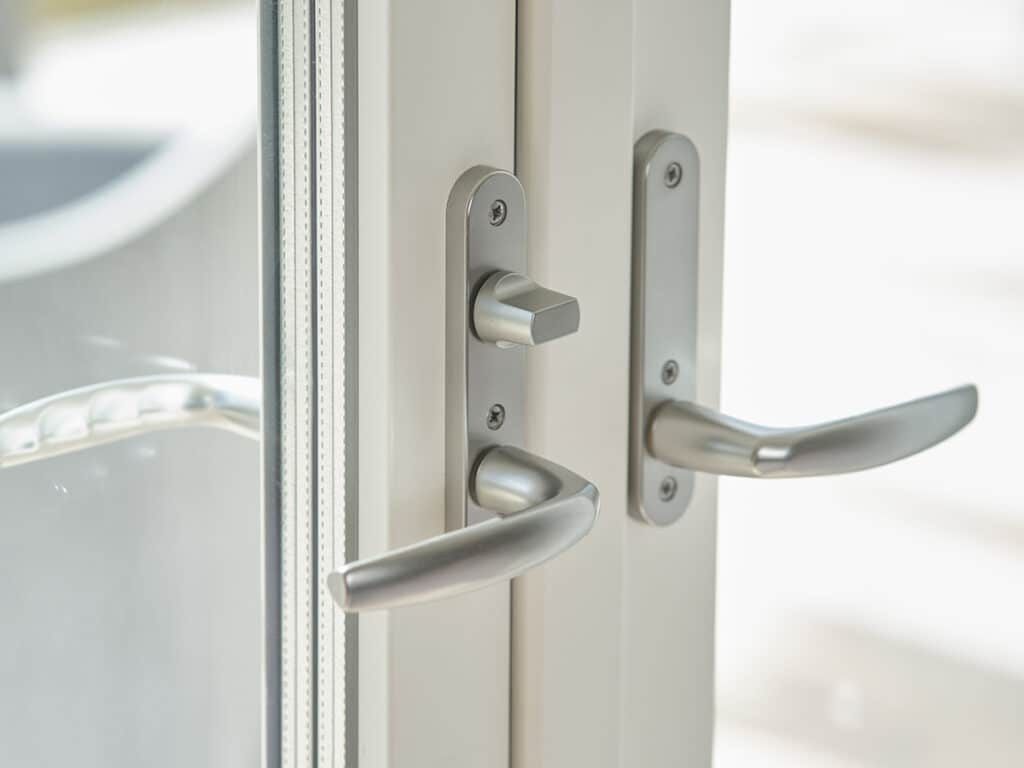
This arrangement controls the most common distractions without making the room feel overtreated. If your meditation room has a skylight, angled ceiling, or French doors, use the skylight shades guide and roller shades for French doors to plan each opening as part of one visual system.
FAQ: meditation room window shades
Light-filtering roller shades are the most flexible choice for daytime meditation because they soften glare while preserving daylight. Add room-darkening or blackout fabric when evening darkness is part of your practice.
Choose a light neutral when you want the room to feel open and reflective; choose a medium neutral when you need more visual depth or dust resistance. Performance depends more on opacity and installation than on color alone.
Yes. Privacy or light-filtering fabrics can obscure daytime views while admitting diffuse light. Remember that many solar screens lose nighttime privacy when interior lights are on, so an opaque layer may be necessary.
Motorization is especially useful for high windows, heavy fabrics, or a daily routine. A scheduled opening and closing can create consistency, while cordless operation is a cost-effective alternative for reachable windows.
A standard custom manual shade may start around $100 to $250 per window, while a motorized shade often starts around $250 to $600 per window. Large openings, specialty fabrics, and installation can increase the total.
Create a calmer window on purpose
The best meditation room window shades disappear into the ritual: light arrives gently, the outside world stays where it belongs, and the room is ready when you are. World Wide Shades can match the fabric, mounting style, privacy level, and control to your actual practice instead of forcing a one-size-fits-all package. Explore the builder, order swatches, or contact World Wide Shades to get a room-specific recommendation. Call (844) 674-2716 if you want to talk through the options before you order.