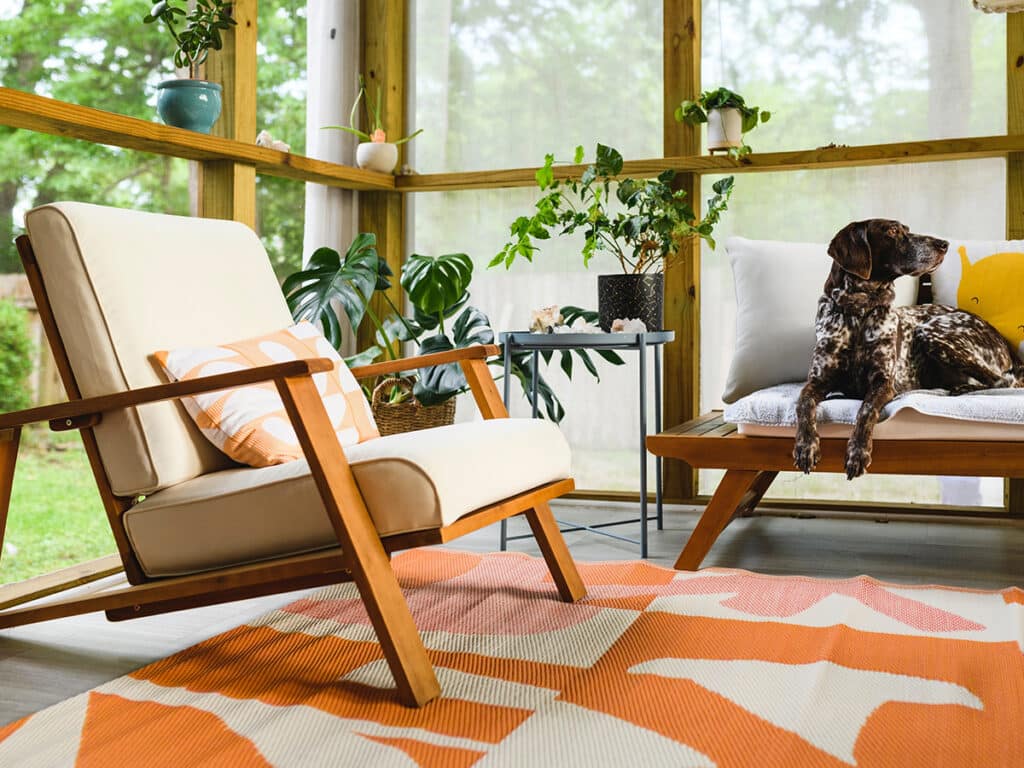
Mid-century modern rooms depend on proportion. Tapered legs, walnut, teak, molded forms, and large panes of glass create a look that feels open but never empty. The window shade should follow that logic: simple in outline, warm in color, and engineered to control glare without covering the architecture.
A custom roller shade is often the cleanest answer because its fabric rolls into a compact tube and leaves the window’s geometry visible. Use the World Wide Shades online builder to compare fabric openness and mounting options before you commit to a color.
The design rules behind a mid-century shade
Mid-century modern window treatments work best when the headrail or cassette is slim and the fabric hangs in a single plane. Avoid oversized decorative valances, excessive ruffles, and high-contrast patterns that compete with an Eames-style chair or a sculptural pendant. A 2-inch to 4-inch roller tube can stay visually quiet above the glass, particularly when the cassette matches the wall or window frame.
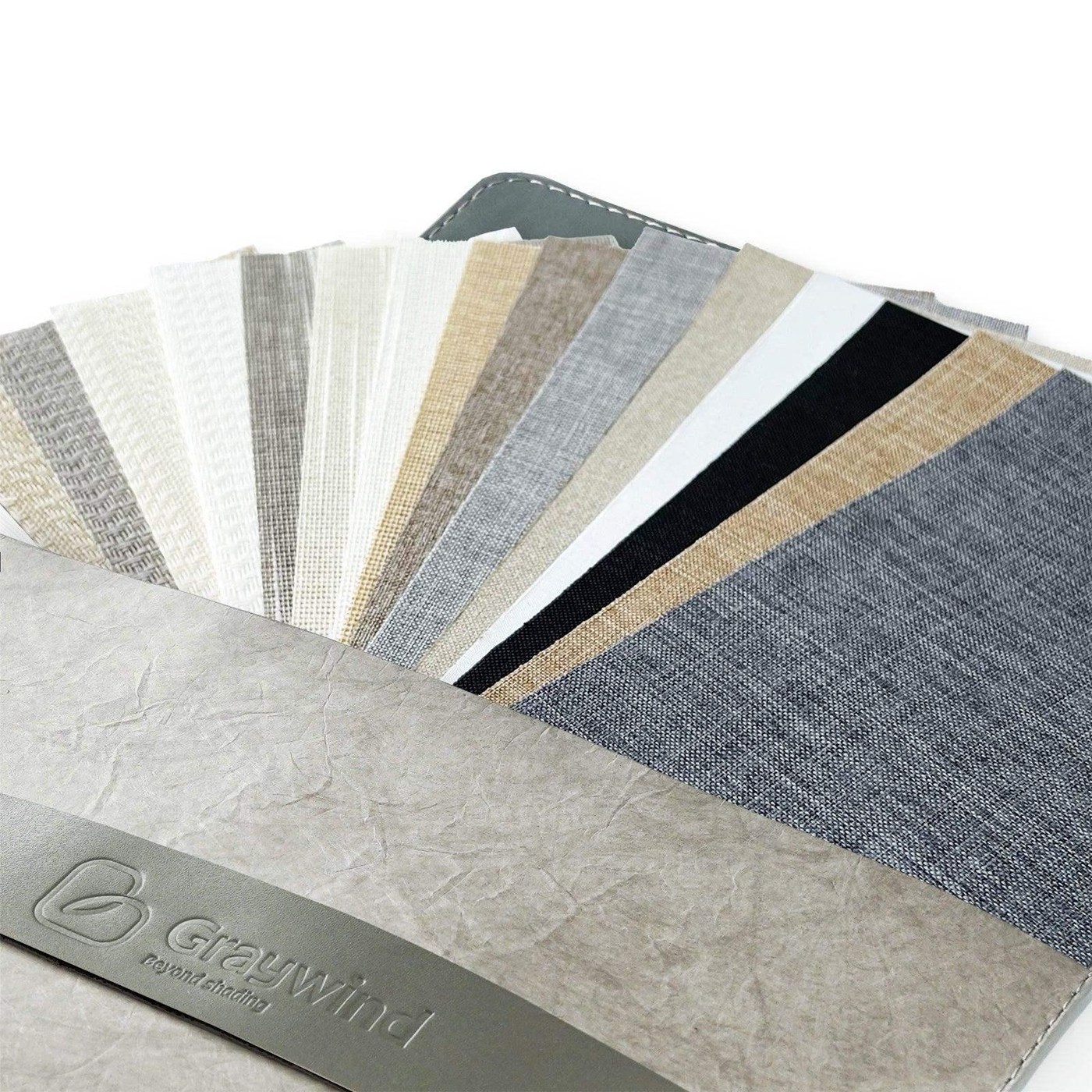
Match the shade to one existing element rather than every element. A camel, sand, or warm gray fabric can echo leather; a cinnamon or walnut tone can echo a credenza; an ivory linen-look fabric can keep a room with dark wood from feeling heavy. Compare several undertones with World Wide Shades fabric swatches because a gray that looks neutral in a showroom can read blue beside walnut.
Large picture windows deserve one continuous visual field, but very wide shades can become heavy or sag if they exceed the fabric and tube limits. A 72-inch window may work as one unit with the right product, while a 96-inch opening is often cleaner and more reliable as two aligned shades. For corner or angled windows, split the treatment at the meeting point so each unit can operate without rubbing.
Pick the right fabric for the room
Solar roller fabrics are measured by openness: 1%, 3%, 5%, or 10% are common choices. A lower percentage means a tighter weave, more glare control, and less outward detail. A 3% fabric is a strong starting point for a south- or west-facing living room that needs television and conversation comfort without losing the daytime view. For more view and less privacy, move toward 5% or 10%.
Solar fabric can reduce the visual intensity of direct sun, but it is not blackout. At night, lights inside can reveal silhouettes. For orientation-specific advice, read best shades for south-facing windows, then configure a solar roller with World Wide Shades.
A light-filtering roller gives a softer wash of daylight and a more opaque fabric face than many solar screens. Use warm white, mushroom, camel, or muted olive to bring color into a room without turning the shade into a graphic accent. A 5% to 10% light transmission range can keep a dining room bright; a bedroom may need a denser room-darkening cloth.
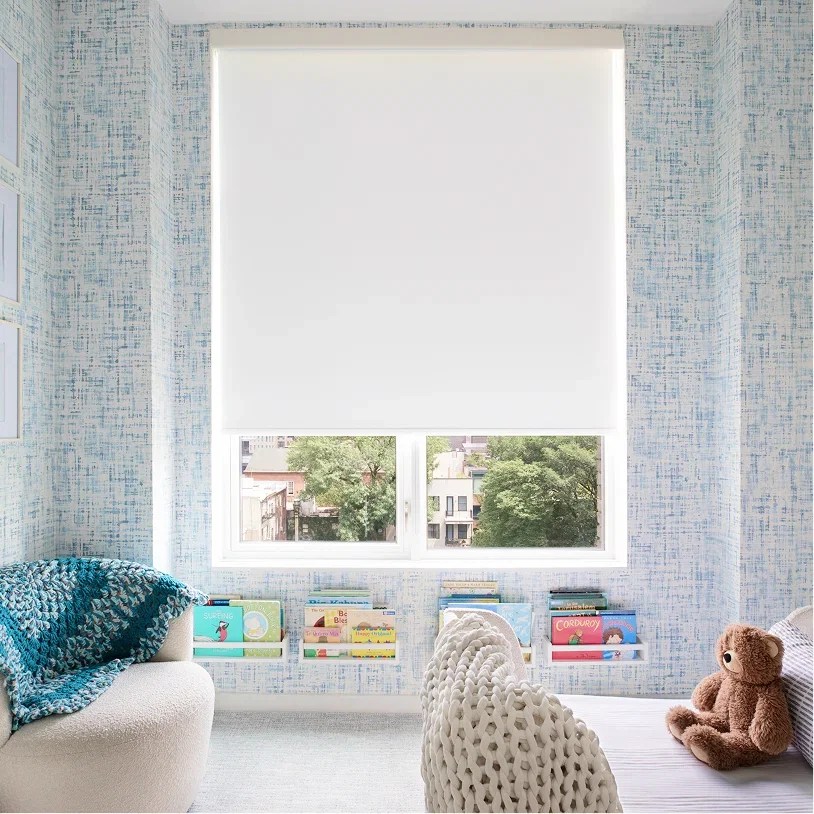
Blackout roller shades make sense in a bedroom, nursery, or media room where the screen or sleep schedule demands darkness. Mount outside the opening and extend the fabric 3 to 4 inches past the sides when possible. Read blackout curtains vs. blackout shades for an honest comparison of edge coverage and layering.
World Wide Shades can combine a clean mid-century face with a blackout liner and cordless or motorized operation. Contact the team if you are treating a large picture window or multiple rooms with different opacity requirements.
Five color palettes that look intentional
This is the safest classic combination. Use an ivory or warm white linen-look shade to let walnut furniture remain the anchor. It keeps the glass bright and works with black, brass, or teak accents. Choose a subtle weave rather than a stark white vinyl if the room has vintage pieces.
Muted olive shades bring a period-aware accent without making the window feel themed. Pair with caramel leather, walnut, and cream walls. Keep the openness at 3% to 5% if the room receives strong afternoon sun; the shade will read as color and performance fabric rather than a dark block.
A rust, terracotta, or cinnamon fabric works with lighter oak and geometric textiles. Use this palette on one focal room and repeat a quieter sand shade elsewhere. For a complete color study, see the window shades color guide.
Charcoal can be excellent in a modernized mid-century room with teak, black metal, and white walls. Choose a matte texture and a close inside mount so the charcoal panel does not extend beyond the frame. If the wall is also dark, a soft graphite or warm gray will preserve separation.
A desaturated blue can refresh a sunroom or bedroom with blond wood. Avoid icy blue; look for gray or green undertones that sit comfortably beside oak. Order swatches and view them in both morning and afternoon light before ordering several windows.
Inside mount, outside mount, or cassette?
Inside mount preserves the original casing and is ideal when the frame is square and deep enough for the bracket. Measure the width at the top, middle, and bottom, and use the narrowest measurement. Check the product deduction instead of automatically subtracting; different systems need different clearances.
Outside mount is better when the opening is shallow, the casing is uneven, or you want more light blockage. Extend 3 to 4 inches beyond each side and 3 inches above the frame when space allows. It can also make a low window feel taller, which works well with the horizontal emphasis of mid-century furniture.
A cassette conceals the roller and fabric tube. Choose a low-profile cassette in white, black, bronze, or a finish that disappears into the wall. If the cassette is visible, it becomes part of the room’s geometry, so align it carefully across adjacent windows. Our roller shade valance options guide compares clean ways to hide the hardware.
Motorization without losing the vintage look
Motorization is practical for expansive glass, paired windows, and shades behind a sofa or credenza. A battery motor can raise and lower the fabric on a schedule while the visible shade remains a simple rectangle. Typical motorization adds about $180 to $350 per standard window; hardwired systems add installation cost but avoid battery charging.
A sunrise scene can raise bedroom shades gradually, while a 2:00 p.m. glare scene can lower west-facing living-room shades. Explore motorized shades with Alexa and Google Home if your home already uses voice controls. Ask World Wide Shades for a motorized layout, or call (844) 674-2716 for help pairing controls across a set of windows.
Measure for alignment across a whole room
Create a window schedule before ordering: label each opening, record width and height, note inside or outside mount, and mark the room’s primary sun direction. For a bank of windows, measure every opening instead of assuming the trim is identical. A difference of 1/8 inch can be visible when multiple rollers are lowered together.
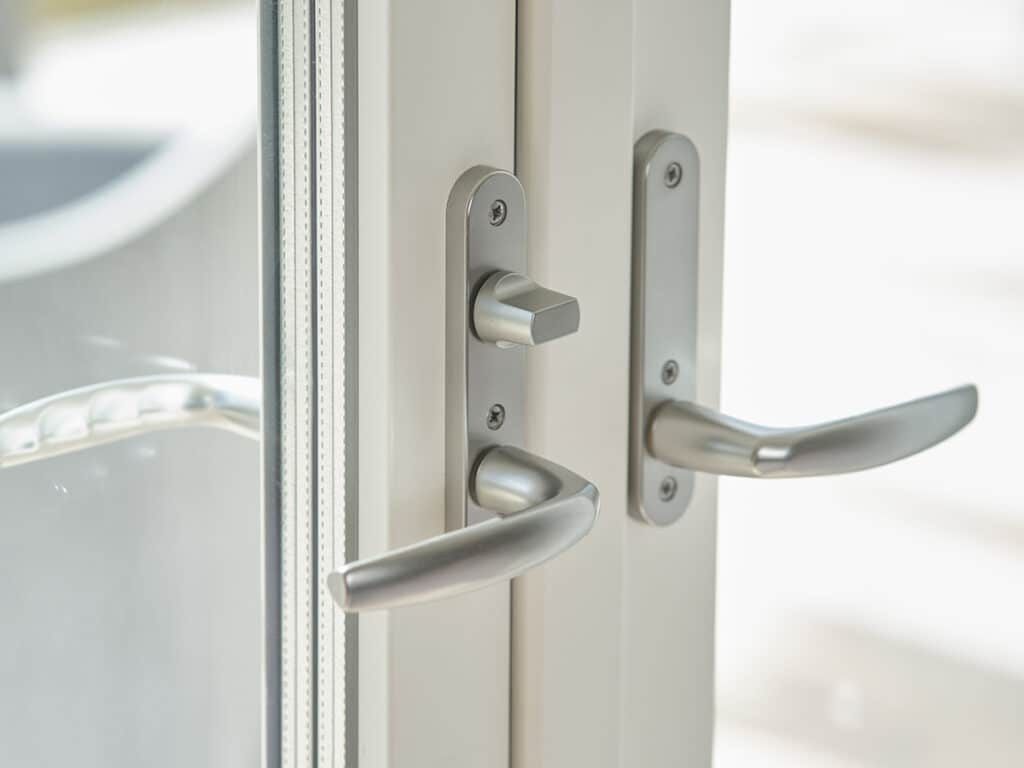
If windows are over 60 inches wide, ask whether splitting into two shades improves tracking and fabric tension. For French doors or sliding doors, confirm handle clearance and operating swing; our guide to roller shades for French doors covers the common conflicts. World Wide Shades can review the schedule before production; send the project to the team when the opening is unusual.
Frequently Asked Questions
Warm white, ivory, sand, camel, olive, rust, charcoal, and muted blue work especially well with walnut, teak, oak, leather, and black metal. Match the undertone to the furniture rather than choosing a generic gray. Use World Wide Shades swatches to test the color in direct and indirect light.
Yes. A 3% to 5% openness solar shade usually balances glare reduction and daytime views in a bright living room. A 1% to 3% weave provides stronger glare control, while 5% to 10% preserves more view and light. Solar fabric is not blackout, so use a denser roller or a layered curtain where nighttime privacy matters.
Use inside mount when the frame is square, deep enough for the hardware, and worth preserving. Use outside mount when the recess is shallow, the casing is uneven, or you want greater edge coverage. Outside mounting 3 to 4 inches beyond each side can also make the window feel larger. Contact World Wide Shades for a mounting recommendation.
Manual custom rollers commonly run about $120 to $450 per window, depending on size and fabric. Textured, blackout, oversized, and motorized systems can reach $600 or more per opening. Motorization often adds approximately $180 to $350. Use the online builder for a dimension-based estimate rather than relying on a generic per-window price.
Yes, if the frame can support the brackets and the shade clears handles, cranks, and trim. For narrow clerestories, casements, or deep wood frames, outside mount or a low-profile cassette may be safer than forcing an inside mount. World Wide Shades can help coordinate the shade with original architecture.
Finish the room with a precise, restrained treatment
Mid-century modern roller shades should make the architecture easier to read, not compete with it. Start with openness and sun direction, choose a warm or period-aware color, and specify a mount that leaves the casing and furniture in proportion. Accurate alignment matters as much as the fabric: level rollers and consistent top lines make an entire room feel designed.
World Wide Shades offers custom fabrics, cordless lifts, and smart motorization for living rooms, bedrooms, offices, and wide picture windows. Build a project with the online builder, order swatches, or contact World Wide Shades. Call (844) 674-2716 for a recommendation that respects both the room’s vintage character and its everyday use.