What “not holding a charge” usually means (symptoms to document)
Battery-powered motorized shades are convenient, but the symptom “it won’t hold a charge” can mean different things:
- The shade works for minutes after charging, then dies.
- The shade runs slower, stalls, or stops halfway.
- The battery shows “full,” but the motor still won’t run.
- The battery lasts weeks instead of months.
Before you troubleshoot, write down:
- Approximate shade width and fabric type (blackout loads the motor more)
- How often you operate it per day
- Room temperature (cold can reduce usable capacity)
- Whether the shade is binding or rubbing
If you want a motorized setup tuned for reliability, World Wide Shades can spec the right motor + battery for your window size. Start at design your shade, request materials at order swatches, or call (844) 674-2716.
Quick expectations: how long should a shade battery last?
Real-world battery life depends on shade size and daily cycles.
As a practical range:
- Light-filtering shades in moderate sizes often run 3–6 months between charges.
- Large blackout shades or high daily use can drop to 1–3 months.
If you’re charging every few days, something is wrong (battery health, charging system, or mechanical load).
For automation best practices that reduce unnecessary cycles, see smart home motorized shades setup and smart-home-shade-scenes-automations.
Step 1: rule out mechanical drag (the most overlooked cause)
A battery that “doesn’t last” may actually be fine—the motor is working too hard.
Check for:
- Shade fabric rubbing the jamb (tight inside mount)
- Uneven tracking that steers the roll to one side
- Bottom hem bar hitting a window crank or handle
- Brackets out of level
If the shade is tracking crooked, fix that first (it can double the motor’s load). Related: how-to-troubleshoot-roller-shade-uneven-tracking and inside-mount-vs-outside-mount-shades.
If you’re replacing a hard-to-fit shade, World Wide Shades can help you choose the best mount and deductions—start at design your shade.
Step 2: verify the charger and cable (simple, but common)
Battery systems fail more often at the connection than at the battery.
- Inspect the plug for bent pins or corrosion.
- Try a different outlet.
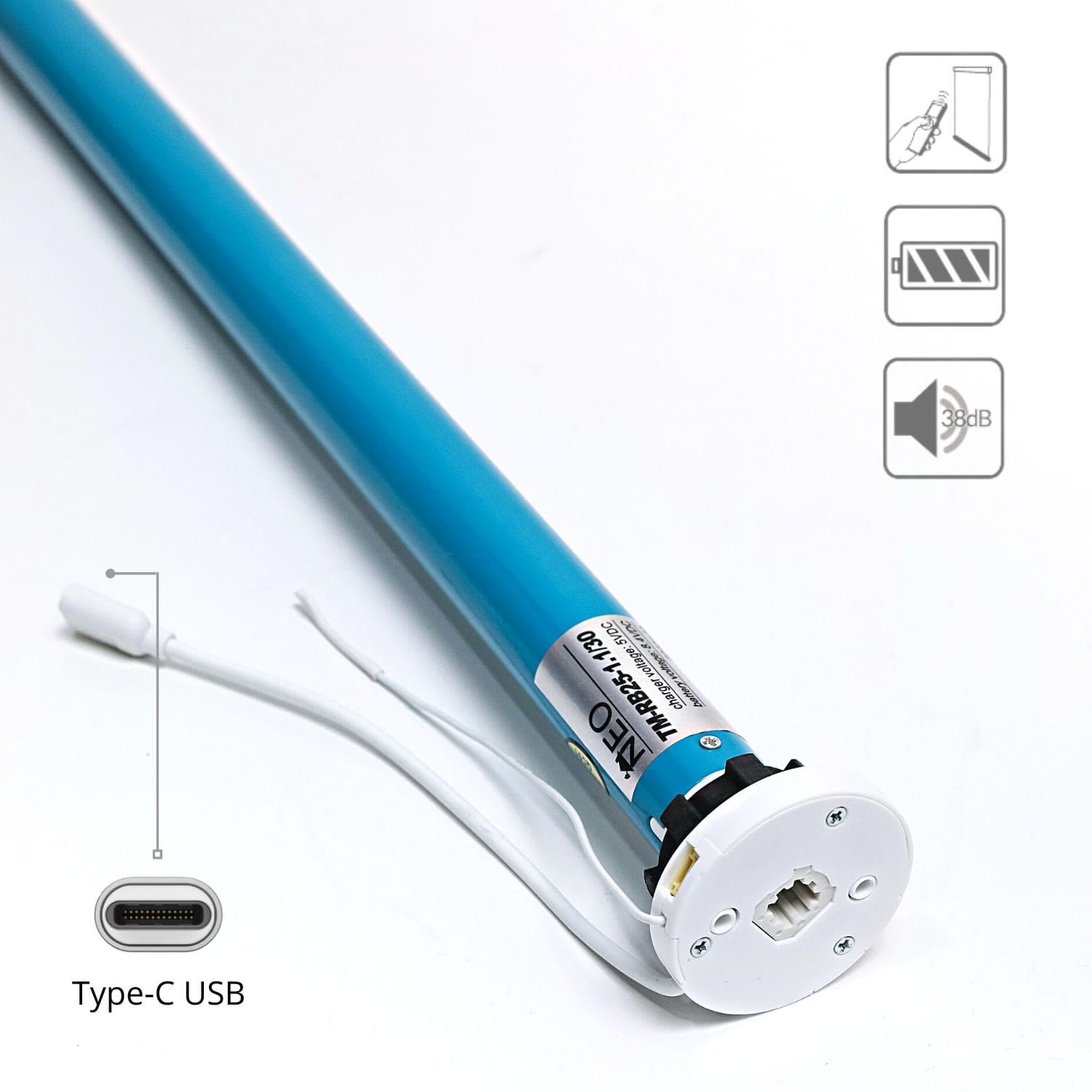
- If the system uses USB, test with a known-good cable and adapter.
- Make sure the battery is seated firmly—some packs need an audible click.
If you have multiple shades, swap chargers between them. If the problem follows the charger, you found your culprit.
Step 3: check temperature and placement
Lithium batteries deliver less usable energy in cold conditions.
If the shade is near:
- A drafty window
- An uninsulated sunroom
- A garage or basement opening
…you may see shorter runtime in winter. Improving insulation and reducing drafts can help. Related: energy efficient window shades.
World Wide Shades can also recommend fabrics that reduce heat loss and drafts—start at design your shade.
Step 4: confirm settings that can drain batteries fast
Some motor systems have features that increase power use:
- Frequent scheduled automations
- “Jog” positioning corrections
- Repeated obstacle detection retries
If you’re running automations, make sure you’re not firing multiple routines per day unnecessarily. See motorized shades alexa google home and smart-home-shade-scenes-automations.
If you want a clean smart-home plan, World Wide Shades can help you pick a compatible system—contact contact us or call (844) 674-2716.
Step 5: evaluate battery age and cycle life
Rechargeable packs wear out. Signs of an aging pack:
- Noticeably shorter run time even after a full charge
- The pack gets warm while charging
- Voltage drops quickly under load (shade stalls)
If the pack is more than 3–5 years old or was stored fully discharged, replacement is often the correct fix.
Step 6: reset and re-pair the shade (when electronics are the issue)
If the shade’s controller has a glitch, it may misreport charge or behave erratically.
General approach:
- Power-cycle the battery pack.
- Run a reset per your motor’s instructions.
- Re-pair to the remote or hub.
If you’re integrating with a smart home, also re-check hub placement and signal strength. Related: roller-shades-with-home-assistant-open-source and roller-shades-with-google-nest-hub-routines.
Step 7: right-size the power system (battery vs hardwired)
Some windows simply benefit from hardwiring.
Consider hardwiring if:
- The shade is very wide or tall
- It’s blackout fabric
- It’s used many times per day
- It’s installed in a cold room
See battery-vs-hardwired-motorized-shades.
World Wide Shades can help you decide between battery and hardwired based on your window sizes and usage. Start at design your shade or reach out at contact us.
Troubleshooting matrix: symptom → likely cause → fix
- Likely: aging battery or heavy mechanical drag
- Fix: reduce drag, then replace pack if runtime doesn’t improve
- Likely: loose connection, failed charger, or controller error
- Fix: reseat connectors, swap charger, reset controller
- Likely: binding, tracking issue, or cold temps
- Fix: realign brackets, correct tracking, warm the room, check fabric clearance
- Likely: battery aging or increased automation cycles
- Fix: reduce daily cycles, replace battery pack
When to stop troubleshooting and replace components
Replace the battery pack when:
- Runtime is below 25% of what it used to be
- It won’t charge reliably
- It fails across multiple chargers
Replace the motor/control unit when:
- A known-good battery still produces random shutdowns
- The system won’t reset or pair
If you’re not sure which part is failing, contact World Wide Shades at contact us or call (844) 674-2716 and we’ll help you narrow it down.
Understanding modern shade battery chemistry
Almost all current motorized roller shades ship with lithium-ion battery packs — usually 7.4V or 11.1V configurations rated between 2,200 and 3,400 mAh. These packs typically last 300–500 full charge cycles before capacity begins to drop noticeably. In a normal residential setup with two open/close cycles per day, that translates to 3–5 years of usable life before the pack should be replaced. Older AA-alkaline-based systems degrade far faster and are increasingly rare on new orders from World Wide Shades.
If your shade is more than three years old and you are noticing shorter runtime, aging chemistry is often the simplest explanation — before you troubleshoot chargers, connectors, or motors, verify the pack age. Most packs have a date stamp on the label; if that stamp is more than 36 months old, replacement is likely the fastest fix.
Isolate the cause: a 5-minute diagnostic
Before ordering a replacement pack, work through this checklist so you do not end up buying the wrong part:
- Confirm the charger output with a multimeter — most 12V chargers should read 12.0–12.6V unloaded.
- Charge the pack fully overnight and record the resting voltage. A healthy pack rests at or near its rated voltage; anything more than 10% below is suspect.
- Cycle the shade manually 5 times and time each cycle. Slowing cycles under load usually indicate mechanical drag, not battery failure.
- Check the tube for binding — a slightly bent tube can double the motor's current draw and cut runtime in half.
- Inspect the connector between battery and motor for green corrosion or loose crimps.
If cycles are consistent but the shade dies after only a few days on a full charge, the pack itself is the problem. If cycles slow down over the day, the motor is drawing too much current — often because the fabric is dragging on a side channel, or the shade is out of level. Our uneven tracking guide covers the alignment fixes.
Cold weather, drafty windows, and battery drain
Lithium-ion capacity drops sharply below 50°F (10°C) — expect roughly 20% less runtime in a cold Northeast window. Battery-powered shades on north-facing windows or single-pane glass can lose enough capacity in winter that they feel "broken" even though the pack is healthy. Two fixes work well:
- Insulate the pack. Many customers mount the battery in a valance or above the window trim; adding a foam sleeve or small insulator around the pack keeps it 5–10 degrees warmer than the glass surface.
- Reduce cycles during cold snaps. Automations that adjust shades hourly can drain a pack in a week when it would otherwise last a month.
If you have very large windows or blackout fabric on a cold exposure, hardwired power eliminates seasonal drain entirely. The World Wide Shades team can spec a low-voltage transformer that hides in the wall and eliminates future charging.
When to replace the pack vs. the motor
Motor replacement is warranted when:
- A known-good, freshly charged pack still causes random shutdowns
- The system won't respond to reset or re-pair commands
- The motor makes grinding, whining, or clicking noises during operation
- Cycles complete only partially even with a full charge
Pack replacement is warranted when:
- Resting voltage after a full charge is more than 10% below rated
- Runtime has dropped by half or more compared to when new
- The pack gets noticeably hot during charging
- The date stamp is more than 3 years old
A replacement pack typically runs $45–$95 for common shade brands. A motor replacement is closer to $180–$320 including labor. If you're unsure which failure mode you have, contact World Wide Shades at (844) 674-2716 — we can often diagnose from a short video of the shade cycling.
Extending future battery life
Small habits make a large difference. Charging to 80–90% (rather than 100%) roughly doubles cycle life for lithium-ion packs. If your system supports it, set the charger to stop at 90%. Also avoid leaving the pack near a heat source — a battery mounted above a radiator will age twice as fast as one in a temperature-neutral spot.
For customers running multiple motorized shades, consolidating automations into 1–2 daily events per shade — instead of dozens of small adjustments — dramatically extends time between charges. See our smart home motorized shades setup guide for scene design tips, or design your own from /builder. If you want help planning a reliable multi-shade rollout, call World Wide Shades at (844) 674-2716.
FAQ: motorized shade battery not holding charge
Many setups run for months between charges, but large blackout shades or high daily use may need charging every 1–3 months. If you’re charging weekly, check mechanical drag and battery health.
Cold temperatures reduce usable battery capacity. Drafty windows can also increase friction from fabric stiffness and alignment shifts.
Some systems allow it, but continuous charging can reduce long-term battery life on certain packs. Follow your motor manufacturer’s guidance.
Yes. Extra open/close cycles are the biggest drain. Consolidate routines into 1–2 daily events when possible.
If your shades are large, blackout, or used frequently, hardwired power can be more reliable and eliminates charging maintenance. See battery-vs-hardwired-motorized-shades.