First-floor windows that face a sidewalk, driveway, or neighboring home call for more than a generic privacy treatment. The right shade should soften views into the room while still allowing the space to feel bright and connected to daylight. That usually means choosing fabric by the direction of light, the distance to passersby, and how much privacy you need after sunset.
For a living room used throughout the day, a light-filtering fabric may be the best starting point. For a bedroom or a window directly aligned with a walkway, blackout fabric may be more appropriate when the shade is lowered. World Wide Shades offers custom roller shades in both categories, with fabrics from established mills and dimensions configured to each opening. Compare light-filtering shades for privacy and daylight, then use the room and timing questions below to narrow the choice.
Decide when and from where you need privacy
Privacy is not one condition that stays the same all day. In daylight, a bright exterior and a dimmer room may make it difficult for someone outside to see clearly through some shade fabrics. After dark, indoor lights can reverse the contrast: people outside may see into the room even when the same fabric seemed private at noon. A shade that filters views is not automatically a one-way mirror or a guaranteed night-privacy solution.
Start by locating the sightlines. Stand at the sidewalk, driveway, neighboring porch, or any place where someone might naturally look toward the window. Then sit at the room’s usual seating position and check whether the shade needs to cover the full glass, only the lower portion, or a specific section. A window beside a front door may need a different treatment from a living-room window set back behind landscaping.
If daytime privacy is the main concern and you still want a view of the garden or street, compare solar fabrics by openness factor. If you would rather soften the exterior view and maintain a luminous room, begin with light-filtering fabrics. If the goal is a more private room when the shade is closed, look at blackout roller shades and plan for edge gaps as well as fabric. The shade material, mount, and how far it overlaps the opening all affect the result.
World Wide Shades displays the mill’s published openness factor for its applicable fabrics. That number is useful for comparing fabrics within a family, but it is not a privacy guarantee. Consider the window’s direction, the shade’s lowered position, and the inside-to-outside lighting balance together before you order.
Choose a fabric that supports light and privacy
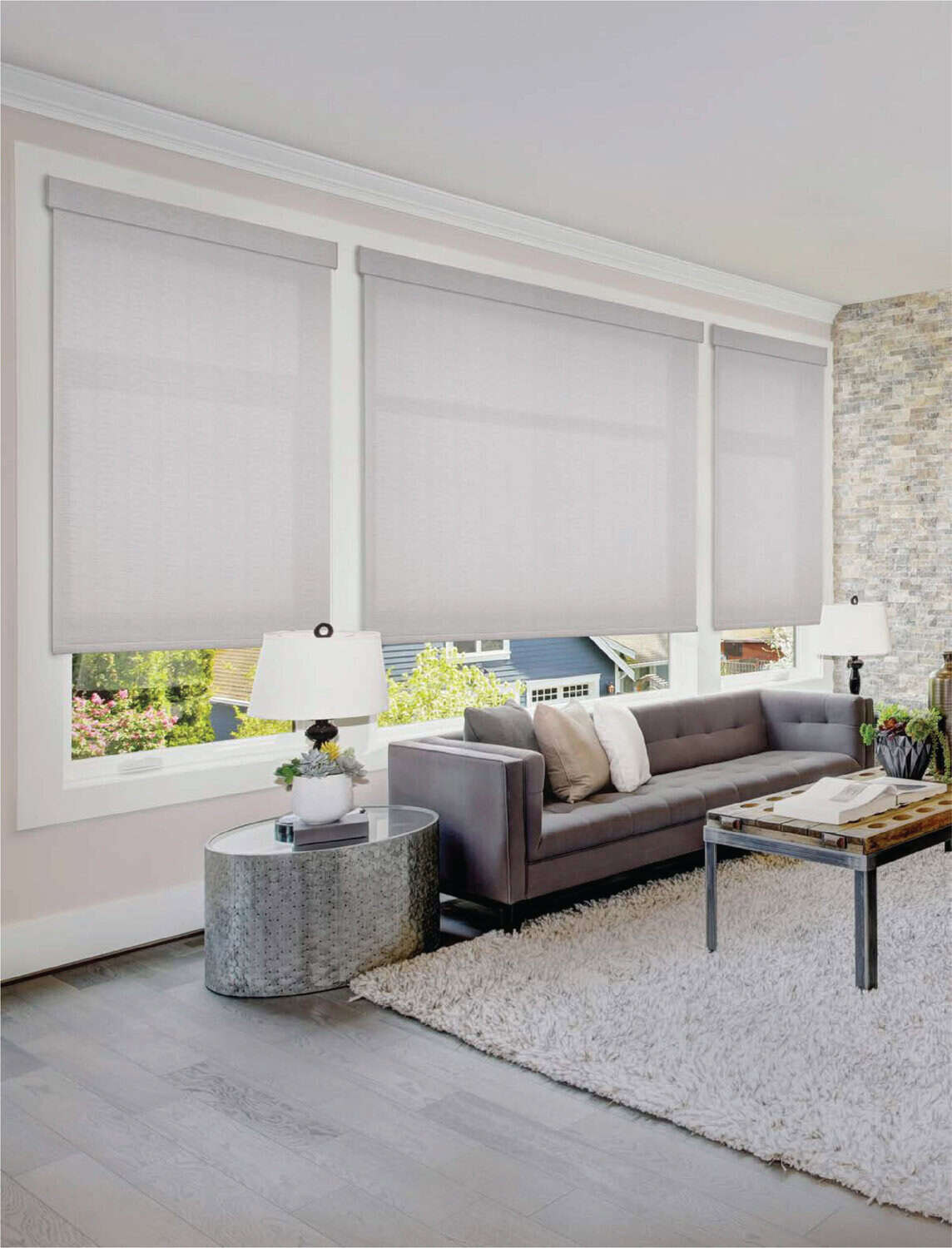
Light-filtering fabric diffuses incoming daylight instead of creating a fully dark room. It is a strong candidate for a street-facing dining room, foyer, or living room where you want a softer view and a more settled visual boundary. World Wide Shades carries more than 500 colors across more than 40 fabric families, including light-filtering choices from Phifer, Mermet, Ferrari, Copaco, Senbesta, and Texstyle.
Color and openness work together. A lighter neutral can keep the window wall visually airy, while a darker color may create a more defined outline against pale trim. When comparing materials, look at the mill’s actual fabric photography and its published openness factor rather than judging by color name alone. Explore the World Wide Shades fabric collection and compare the light-filtering options before you select a finish.
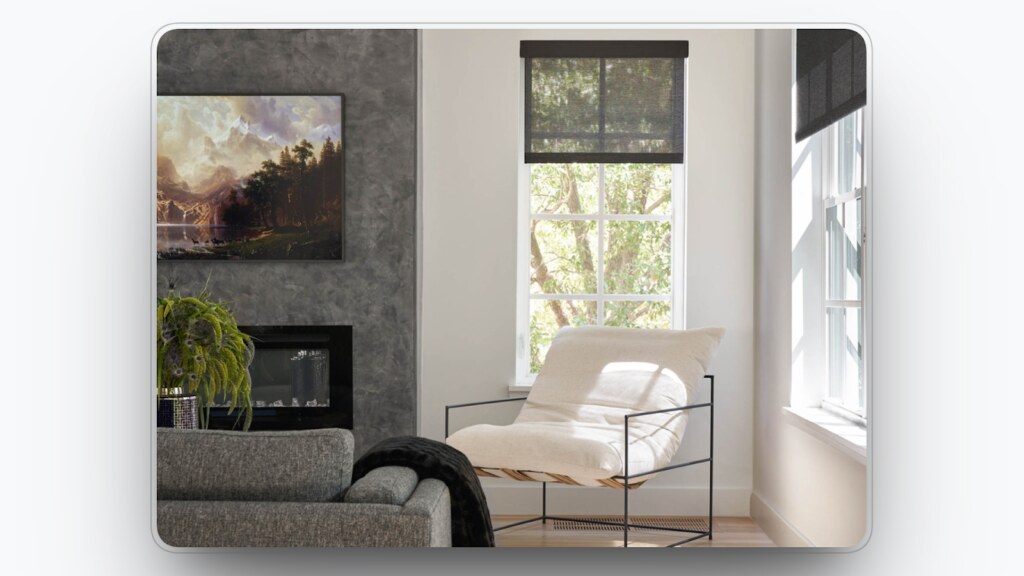
Solar fabric can be useful when street-facing glass receives glare but the view beyond it still matters. A more open weave tends to preserve more of the view; a tighter weave reduces the amount of visual detail that passes through. Neither openness nor fabric color should be treated as a substitute for full privacy at night.
For a first-floor room, decide whether you are trying to screen the room from someone at the curb or simply reduce visual exposure from across the street. If someone can stand close to the glass, choose privacy as the priority and plan to lower the shade when the room is occupied. If the window is farther from the sidewalk and you mainly want daytime glare control, a solar weave may preserve the outside view more successfully. For windows with strong afternoon light, compare the advice in best shades for south-facing windows.
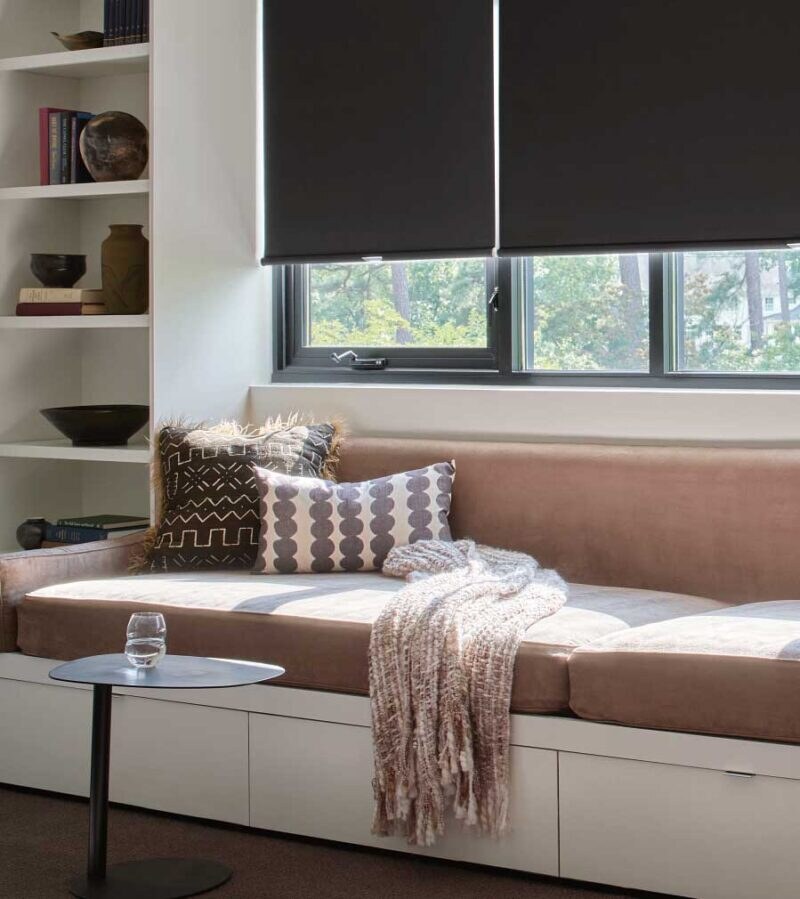
Blackout fabric blocks light through the fabric itself, but the edges of a shade may still allow light to enter. An inside-mounted shade sits within the opening and creates a clean, tailored line, although the glass-to-shade gaps remain part of the design. An outside mount can cover beyond the frame when the surrounding wall permits it.
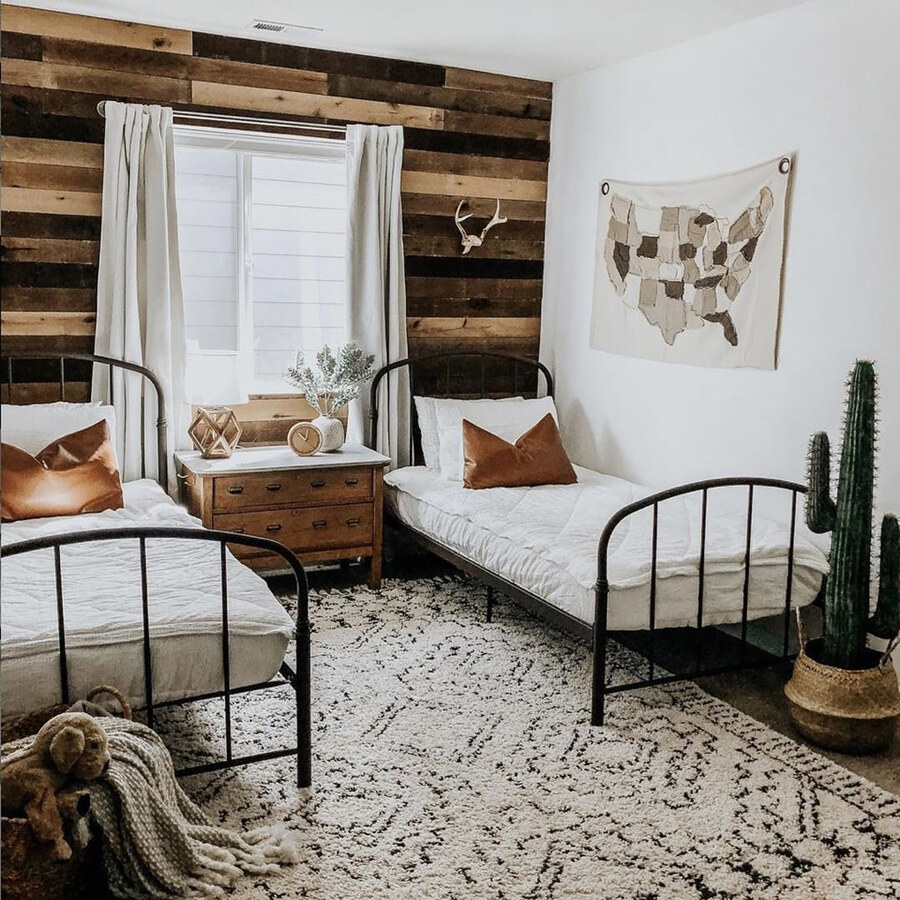
For bedrooms, blackout fabric may be worth considering even when the street-facing window is not especially exposed. See the bedroom shade guide and the comparison of blackout curtains and blackout shades to decide whether a roller shade fits the room’s furniture, trim, and desired look.
Plan the mount around the opening and sightline
An inside mount can keep the shade close to the glass and preserve visible trim, provided the frame has sufficient depth. World Wide Shades requires at least 1.5 inches of frame depth for an inside mount; 2.5 inches is recommended for motorized shades. If the opening is shallower than the minimum, choose an outside mount instead of forcing an inside fit.
For an inside mount, measure width at the top, middle, and bottom and use the NARROWEST measurement. Measure height at the left, center, and right and use the TALLEST measurement. Enter the exact opening size in the builder; the factory makes the deductions. Do not subtract from the width or height yourself. The World Wide Shades measuring guide explains the measurement approach before you configure a shade.
Outside mounting is useful when you want coverage beyond the frame or when the window lacks enough depth. Add 2 to 3 inches on each side and 3 inches above the frame. Check how that planned overlap relates to the sill, casing, neighboring wall, and nearby furniture. A larger shade can soften the view from outside, but the amount of wall space available determines how much coverage is practical.
If the window is part of a group, decide whether one shade should cover the whole bank or whether each opening needs separate control. A continuous shade can reduce visual seams; separate shades let you cover the most exposed opening while leaving another one raised. For a front room used for work or entertaining, that distinction can matter more than matching every window identically.
Choose controls for a room people use at different times
Battery motorization can make a street-facing shade easier to operate when you want to adjust privacy across several windows. World Wide Shades’ rechargeable battery motors need no wiring. Automate motors are the default; customers who already have a Somfy remote can choose a compatible Somfy motor paired to it.
A remote is required for motorized shades. The Push 5 can operate up to five shades. Automate customers who want app, voice, or scheduled operation can add the Pulse 2 hub. That hub works with Automate motors only. No charger is included in the box; any USB-C charger works, or you can add the Motor Charger. Review the available motorized shade options if the front room has several windows or a hard-to-reach opening.
The control choice should follow how the household uses the room. A single front-window shade may not need automation, while several street-facing windows that are lowered every evening may benefit from a consistent control routine. World Wide Shades lets you configure the fabric and control for the actual opening rather than selecting one specification for every room in the home.
Compare the whole-window value before ordering
The value of a custom shade is in specifying the opening, fabric, and control together. A stock width may leave an awkward gap or require a compromise in color and opacity. A custom shade makes it possible to coordinate the window wall and choose a material for the room’s actual privacy needs. When evaluating an investment, consider fit, the mill fabric, motor requirements, and whether the shade will still work with your furniture and trim after a room refresh.
Use the builder to compare the complete configuration rather than guessing from a single component. See live pricing in the World Wide Shades builder by entering your dimensions and selecting the fabric and control you intend to use. You can also review the same light-filtering shade options again after deciding whether nighttime privacy requires blackout fabric in particular rooms.
Every World Wide Shades shade is 100% custom-made by hand in the USA, with free shipping in the United States. Delivery is 2 to 4 weeks from order; limited-stock fabrics and specialty shapes take 3 to 4 weeks. Custom orders are not returnable. Manufacturing defects are remade free within 30 days, with motor coverage for 1 year. If a shade is mismeasured, World Wide Shades offers a one-time free recut, with the customer covering shipping.
For another room-by-room perspective, read light-filtering shades: how to choose, window-shade color guidance, roller shades for rental apartments, and custom roller shades versus home-center options. If you are weighing a larger project, compare custom shades after window replacement, roller shades for black frames, ordering before a renovation handover, and shared-bedroom light control. For help narrowing fabric or mount choices, contact World Wide Shades or call (844) 674-2716.
Frequently asked questions
They soften the view and diffuse daylight, but the level of privacy depends on the fabric, the distance from the window, and the light inside and outside. Check the window from the sidewalk as well as from inside the room before choosing a fabric.
It can provide privacy while lowered if the fabric and coverage suit the window, but a shade that seemed private in daylight may be more see-through after indoor lights come on. For stronger privacy, compare blackout fabric and an outside mount with practical overlap.
Not necessarily. Solar fabrics are often chosen to soften glare while preserving a view. Their published openness factor helps compare the weave, but the number does not promise privacy in every lighting condition.
Choose inside mounting when the frame has at least 1.5 inches of depth and you want a recessed appearance. Choose outside mounting if the frame is shallower, or if coverage beyond the opening better supports your privacy goal.
No. Blackout describes the fabric, not the entire window treatment. Light may still come around the sides or top depending on the mount and opening, so plan the coverage as well as the material.
Ready to Order?
World Wide Shades makes the order process specific to each window. If you want help deciding between daytime filtering and stronger privacy, call (844) 674-2716 before placing the order.
- Measure: Confirm the opening and choose inside or outside mount.
- Choose fabric: Compare solar, light-filtering, and blackout by view, daylight, and privacy.
- Choose control: Select manual or motorized operation and any compatible remote or hub.
- Review and order: See live pricing in the builder, check every opening, and place the custom order.