A roller shade chain can stretch, split, jam, or pull out of its clutch after years of daily use. Replacing it is often a manageable repair, but the chain is part of a tensioned lifting system. A loose loop can become a strangulation hazard, and a mismatched chain can damage the clutch or make the shade unsafe to operate.
This guide covers identification, measurements, tools, removal, installation, child-safety requirements, and when replacement of the entire shade is smarter. World Wide Shades can help you compare a repair with a new cordless or motorized treatment; start with the World Wide Shades builder.
Identify the shade and clutch first
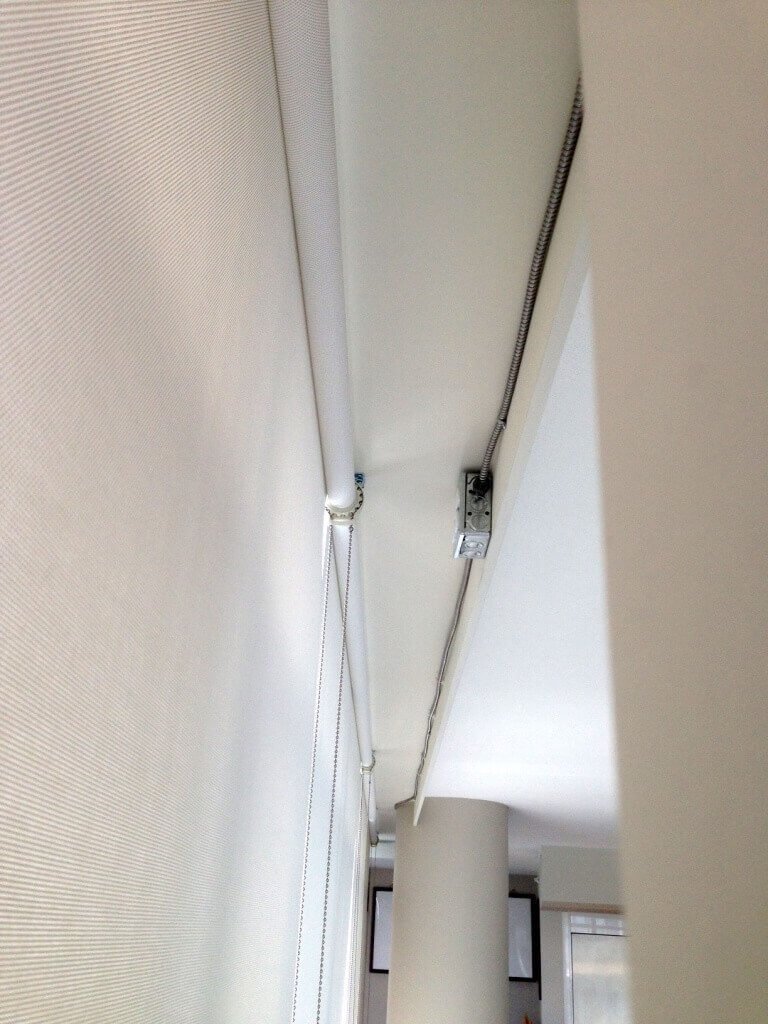
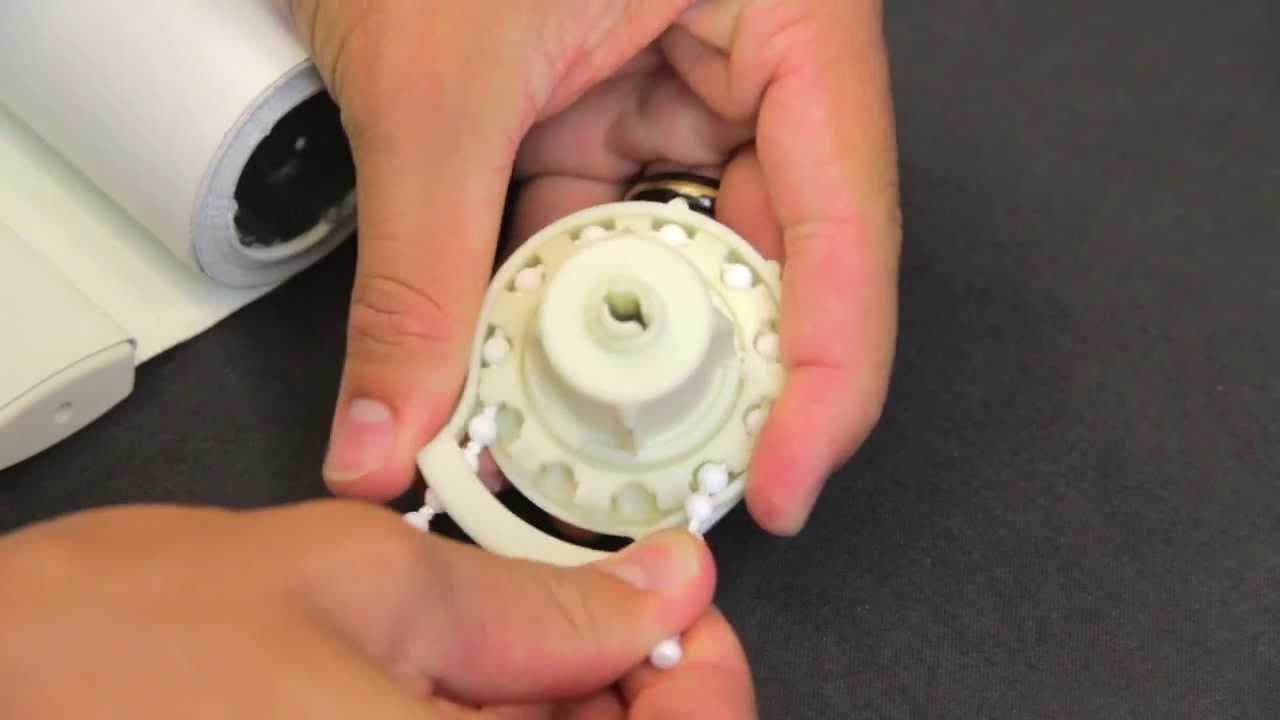
Before ordering parts, photograph the headrail, clutch end, chain connector, bottom rail, and mounting brackets. Roller shade chains may use plastic beads, metal beads, a continuous loop, or a cord-and-chain combination. Bead diameter and spacing are not universal, and the clutch may be designed for a specific loop size.
Measure the bead diameter with calipers if possible. Common bead diameters are approximately 3 millimeters or 4.5 millimeters, but a visual match is not enough. Count the beads over a known length, note the loop connector style, and record the shade drop. World Wide Shades can review photos and help identify whether a replacement chain is appropriate; use contact before disassembling the headrail.
If the product label is still present, record the manufacturer, model, and date. A chain repair on a 30-inch light-filtering shade is different from a clutch repair on a 96-inch blackout shade. Large shades store more weight and deserve extra caution.
When to repair and when to replace
A chain-only repair can make sense when the fabric is flat, the tube is straight, the clutch turns smoothly, the brackets are secure, and the shade still fits the opening. Replacement is usually more sensible when the clutch slips, the fabric edge curls severely, the tube bows, the bottom rail is damaged, or the shade is more than 10 years old and spare parts are uncertain.
If children or pets use the room, consider eliminating the loop entirely. The child-safe window treatments guide explains why cordless and motorized designs reduce accessible loop hazards. World Wide Shades can configure a cordless replacement through the builder, and you can request fabric samples through swatches.
Do not improvise a chain with string, fishing line, zip ties, or a random hardware-store bead chain. The repair may hold temporarily but can slip under load, create a sharp edge, or fail to work with the tension device.
Tools and safety setup
Prepare a small screwdriver set, tape measure, calipers or a bead-size gauge, needle-nose pliers, a soft blanket, a step ladder rated for your weight, and the manufacturer-approved replacement loop. Wear eye protection when removing a spring clip. Keep a container for screws and photograph each stage before parts move.
Work with the shade fully lowered if the mechanism allows it, then support the bottom rail so the fabric cannot unroll suddenly. Have a second person steady a wide headrail. Do not stand on a chair, lean sideways from a ladder, or work over a crib, bed, or stairwell.
If the chain is tight, the clutch is cracked, or the tube rotates unexpectedly, stop. Call (844) 674-2716 to ask World Wide Shades whether the shade should be serviced or replaced. A five-minute phone assessment is better than turning a small chain issue into a falling headrail.
Measure the correct loop length
Measure the exposed chain loop from the top of the loop on one side, down around the tension device, and up to the top on the other side. Then measure the distance from the clutch to the point where the tension device can be mounted. The loop should be long enough for comfortable operation but short enough that the tension device keeps it taut.
Do not make the loop so long that it can hang within a child’s reach. The tension device must be mounted to the wall or window frame according to the manufacturer’s instructions; it is not decorative. Replace a missing or broken tension device at the same time as the chain.
A loop that is 2 inches too short may bind at the clutch. One that is 12 inches too long may sag and defeat the safety function. Record the old loop length only as a clue, because the old chain may have stretched. World Wide Shades can recommend a safe configuration rather than simply matching a worn part.
Remove the old chain carefully
Lower the shade and secure the fabric. Remove the tension device from the wall or frame, keeping its screws separate. Depending on the clutch, the loop may be released by a retaining cap, a small clip, or by feeding the chain through a guide. Consult the exact product instructions rather than forcing the cover.
Support the headrail if it must be removed. Release the brackets in the intended direction and place the headrail on a blanket with the fabric facing upward. Never pull the chain hard enough to rotate the tube against a locked limit; that can strip the clutch or alter the fabric’s roll.
Photograph the chain path. Note which side the connector faces and whether the chain passes through a guide. If the clutch teeth are worn or missing, stop the chain-only repair and replace the clutch or shade.
Install and route the new loop
Compare the new chain with the old one for bead size, spacing, connector, and total loop length. Feed it through the guide in the same orientation. Ensure the connector does not sit inside a tight bend. Turn the clutch by hand several revolutions with the shade supported; it should rotate smoothly without grinding or skipping.
Reinstall the headrail and verify that both brackets are fully engaged. Keep the fabric centered on the tube. Operate the chain gently through three complete up-and-down cycles. Watch the fabric edges, bottom rail, chain connector, and tension device. If the chain climbs over the clutch or the fabric telescopes to one side, stop and correct alignment.
Use the how to install roller shades guide for general bracket and mount principles. World Wide Shades can check fit and operating direction before you close the bracket covers; send pictures through contact.
Secure the tension device
The tension device should remain attached to the wall or frame and keep the loop taut throughout the shade’s travel. Use the supplied fasteners or appropriate anchors for the substrate. Do not attach it only to drywall if a child could pull the loop free; select an anchor that matches the wall construction.
Mount it at the manufacturer’s specified height and alignment. The loop should move through the device without rubbing the window frame or trim. After mounting, apply a firm downward tug by hand and confirm the device does not shift. Replace cracked housings or missing screws.
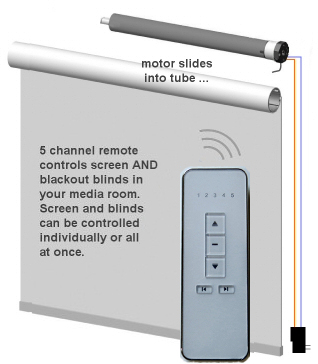
Cord safety is not a reason to remove the device. A free-hanging chain is more dangerous than a properly tensioned one. If the device cannot be installed securely because of tile, thin trim, or a moving window, choose a cordless or motorized replacement. World Wide Shades can help through the builder.
Diagnose problems after replacement
If the shade will not move, first confirm that the chain is routed through the clutch rather than beside it. If it moves only downward, the chain may be installed in the wrong direction or the clutch may be damaged. If the shade tilts, check bracket level and fabric centering. If it rises but immediately drops, the clutch is slipping.
A rough motion often indicates wrong bead size, a damaged guide, misaligned brackets, or excessive shade weight. Do not lubricate a clutch unless the manufacturer specifically calls for it; oil can collect dust and weaken plastic components. The roller shade fabric guide can help determine whether a heavier fabric is overwhelming the mechanism.
For an old or unreliable shade, repair labor can approach the value of a new custom treatment. Ask World Wide Shades for a cordless, chain-operated, or motorized alternative, then compare the cost of custom roller shades.
FAQ: replacing a roller shade chain
Yes, if the clutch, tube, brackets, fabric, and bottom rail are in good condition and the replacement loop exactly matches the mechanism. If the clutch slips or the chain path is damaged, replace the clutch or entire shade instead.
Measure bead diameter and spacing with calipers or a gauge, identify the connector, and check the product model. Chains that look similar can have different pitch or bead size. World Wide Shades can help confirm the part from clear photos.
Yes. A free-hanging loop can create an entanglement or strangulation hazard, especially near children or pets. Install and secure a compatible tension device, or choose a cordless or motorized design.
It should reach the operating height comfortably while remaining taut in the tension device and outside a child’s reach. Follow the mechanism’s instructions rather than copying a stretched old chain.
Stop if the clutch is cracked, the headrail is heavy or inaccessible, the chain is under unusual tension, the bracket is loose, or the shade is above a stairwell. Request help from World Wide Shades through contact or call (844) 674-2716.
For adjacent design decisions, compare roller shades versus Roman shades and review window shade trends for 2026.
For a complete shade refresh, compare roller shades versus Roman shades and review window shade trends for 2026.
The safer upgrade path
A chain replacement can restore a good shade, but safety and long-term reliability come first. Secure the tension device, test the entire travel, and do not force a mechanism that is failing. World Wide Shades can help you keep the existing fabric or design a better-fitting replacement. Start with swatches, configure options in the builder, or contact World Wide Shades for practical advice.