A roller shade chain should travel in a controlled loop beside the window. When it repeatedly falls off the clutch, jumps teeth, or separates at the connector, the problem is usually more than a nuisance. The chain may be the wrong size, the guide may be loose, the clutch may be worn, or the roller may be pulling sideways because the shade is not level. Fixing the visible chain without correcting the cause often leads to another failure within days.
World Wide Shades can help identify whether the right answer is a new chain, a clutch repair, a bracket correction, or a complete custom shade. Configure a roller shade with World Wide Shades, order World Wide Shades swatches if the fabric is also due for an update, or contact World Wide Shades with a close photo of the clutch and chain. Call (844) 674-2716 if the chain is in a child’s room, over a tub, or near a high window.
Why the chain falls off
The chain must stay engaged with the clutch sprocket while the clutch rotates the roller tube. A loose chain guide, missing stop, cracked connector, or worn sprocket allows the loop to drift. A shade that is installed out of level can also pull the chain sideways. If the fabric telescopes toward one bracket, the clutch can experience a side load that makes the chain jump.
Pay attention to the exact symptom. A loop that falls from the bottom of the clutch may have a missing guide or oversized connector. A chain that stays on but skips under load may indicate worn teeth or a shade that is too heavy for the clutch. A chain that breaks at the same connector may be catching on trim or a handle. Take photos before removing any hardware. Send them to World Wide Shades for a parts check.
Stop and make the area safe
Do not operate a hanging chain near a child, pet, crib, bed, or climbable furniture. The U.S. Consumer Product Safety Commission publishes window covering cord safety guidance because loops and cords can create a strangulation hazard. Move furniture away from the chain until the product is repaired, and use an approved tension device only as directed for the exact system.
Do not tie extra knots in a continuous loop, tape the chain to the wall, or substitute a random bead size. Those workarounds can make the chain less predictable and may defeat a safety device. World Wide Shades can recommend cordless or motorized operation where a reachable chain is not appropriate. Ask for a safer control option.
Inspect the chain and clutch
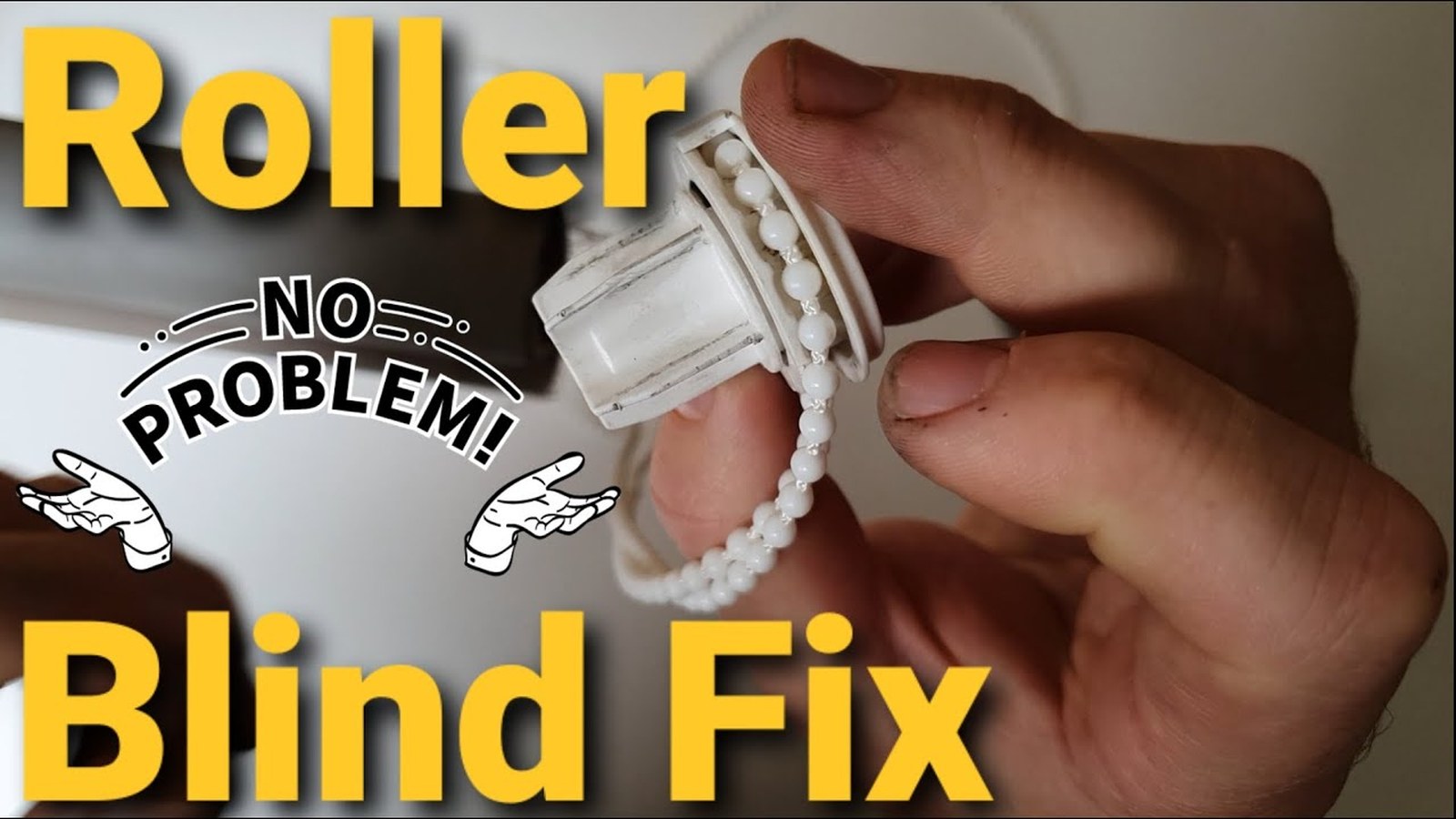
Beaded chains are made in several bead diameters and pitches. A replacement that looks close may not seat correctly in the original clutch. Count the beads in a measured 12-inch section or compare the old chain to the product specification. Inspect the connector for cracks, sharp edges, or a section that is wider than the beads.
If the connector catches at the guide, the chain can lift off every time it reaches that position. Never file the connector while it is installed above a child-accessible area. Replace the chain with the correct loop length and safety component. For a tall window, the loop should not hang so low that it becomes reachable from a crib or chair.
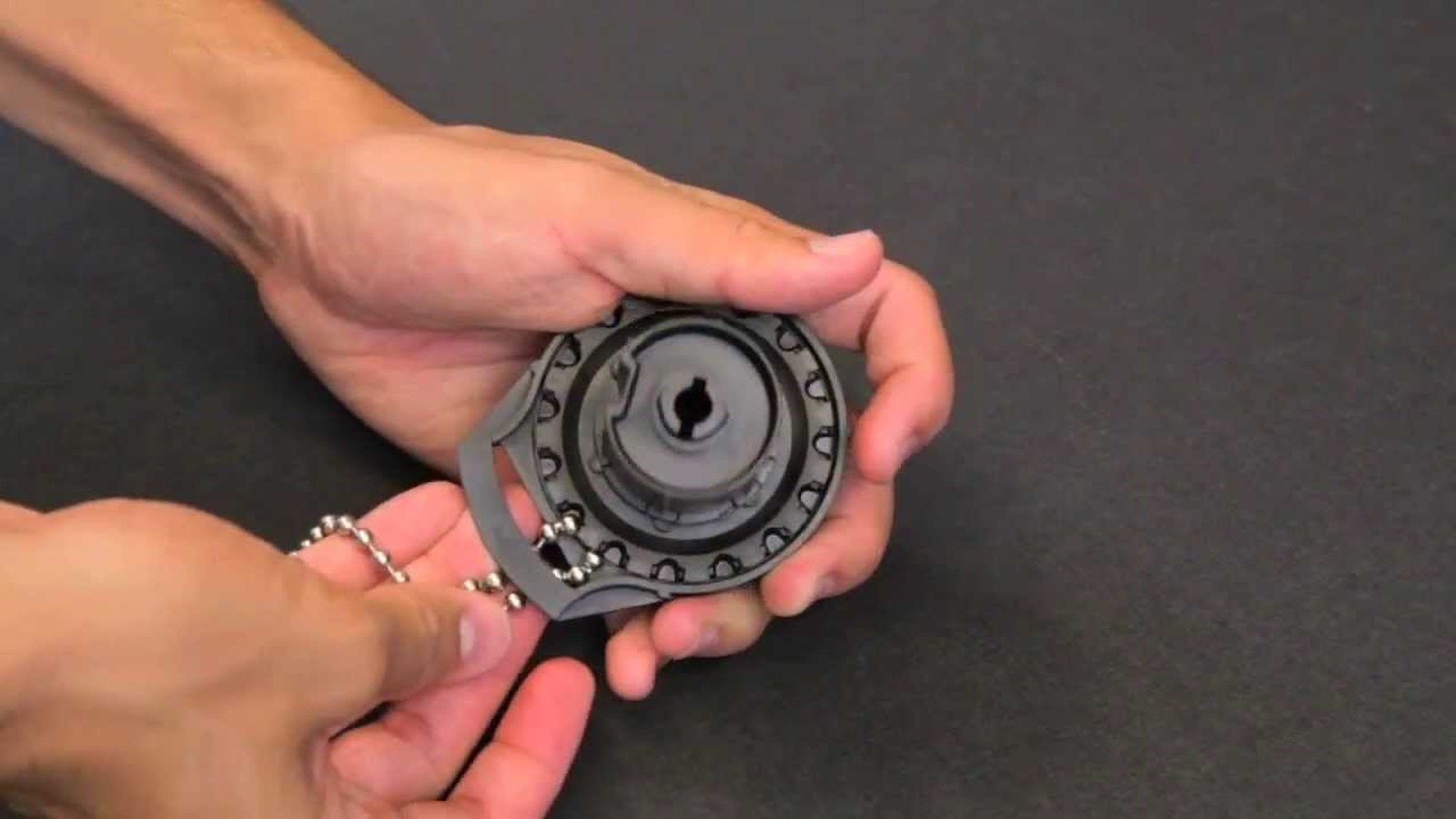
With the shade stationary, inspect the clutch’s teeth. Rounded, missing, or polished teeth indicate wear. If the chain is new but slips on the same portion of the sprocket, the clutch is likely the cause. A chain that moves smoothly unloaded but skips when raising a blackout shade can also mean the clutch is under-rated for the fabric weight.
Do not spray oil into the clutch. Lubricant can attract dust and migrate onto the fabric. If the clutch is enclosed, use the model number or a clear photo to identify the correct part. World Wide Shades can help match a replacement rather than relying on a generic listing. Contact World Wide Shades before ordering parts.
The chain guide should be securely attached, aligned with the loop, and positioned so the chain remains in the clutch. A loose screw can let the guide swing away. A guide that is too close can pinch the chain; one that is too far can allow it to jump. A safety tensioner should sit at the manufacturer’s specified height and should not be used to compensate for a misaligned clutch.
If the chain is taut on one side and slack on the other, inspect the roller level and bracket spacing. A guide cannot correct a tube that is pulling diagonally. Review the safe replacement process before removing a clutch or bracket.
Fixes in increasing order of effort
If the chain is sound and the connector is the only damaged item, a model-specific connector or complete loop can solve the issue. Measure the required drop carefully. A chain that is too short prevents full travel; a chain that is too long creates a safety problem. Confirm that the replacement matches the clutch and safety guide.
Tighten a loose guide only when the mounting surface is sound and the location matches the manufacturer’s instructions. Use the original fastener size or an approved anchor for the wall or frame. Do not overtighten plastic parts. Run the chain slowly through the loop and check that it stays centered without rubbing.
Use a level on the headrail or roller tube. Measure bracket heights from the same reference and check that the tube is fully seated. If the roller is out of level, the chain may keep walking toward the edge. Correcting the support can prevent both chain loss and fabric telescoping.
For general installation principles, see how to install roller shades. If the window recess is uneven or the shade is unusually wide, send measurements to World Wide Shades support before drilling new holes.
A clutch replacement is reasonable when the tube and fabric are in good condition and a compatible part is available. Record the clutch side, tube diameter, chain size, and shade dimensions. Many clutch systems look alike but use different adapters. Removing a spring-assisted mechanism without releasing tension can cause injury or damage.
Replacement is often better when the shade has a worn clutch, bent tube, telescoping fabric, discontinued chain system, or a safety concern that cannot be corrected economically. A custom cordless or motorized shade removes the hanging loop and can add better light control. World Wide Shades can match the new fabric to nearby windows. Build a replacement and order swatches before choosing the finish.
Costs and control choices
Planning costs vary by part and access. A replacement chain loop may be about $15 to $60, a clutch roughly $25 to $100, and professional service commonly adds a visit or labor charge. A new custom manual shade may cost from about $150 to $600 or more per window depending on size and fabric. Motorization can add roughly $150 to $450 per shade before installation and smart controls.
For bedrooms and nurseries, the safety benefit may justify cordless or motorized operation even if the chain still works. Read child-safe window treatments and best window shades for bedroom. In kitchens or baths, choose a material suited to moisture and cleaning; see roller shades for kitchen and bathroom.
World Wide Shades can compare a low-cost part repair with a better long-term control strategy. Contact World Wide Shades with the number of windows and whether the chain is reachable.
A chain-failure prevention routine
Keep the loop vertical, avoid pulling at an angle, and operate the shade from the center of the chain rather than yanking one side. Keep handles and decorations from catching the chain. Once a month, inspect the guide screw, connector, and lower loop. On a wide blackout shade, watch for a change in operating effort; increasing resistance is an early clue that the clutch or alignment needs attention.
When ordering new shades, specify chain safety hardware or cordless operation at the design stage. A control plan should match who uses the room, where furniture sits, and whether the window is above a tub, sink, or bed. Use the builder to compare controls, then request World Wide Shades samples.
FAQ
The usual causes are a loose or misaligned guide, worn clutch teeth, an incompatible chain, a damaged connector, or a roller that is not level. Identify which part is failing before replacing only the loop.
No. Bead diameter, pitch, connector shape, loop length, and clutch design must match. A chain that looks similar can skip or jam. Use the original specification or have World Wide Shades identify the correct replacement.
Yes. A hanging or continuous loop can create a strangulation hazard. Move furniture away, secure the area, and use approved safety hardware or choose cordless or motorized operation. See the CPSC guidance linked above for general safety information.
Only if the chain or connector is the problem. If the clutch teeth are worn, the shade is too heavy, or the tube is misaligned, a new loop will continue to skip. Test the chain fit and inspect the clutch before ordering.
Repair the clutch when the fabric, tube, and finish are good and compatible parts are available. Replace the shade when several components are worn, the fabric telescopes, or you want cordless or motorized control. Ask World Wide Shades to price both options.
Solve the cause, not just the fall
A chain that drops repeatedly is telling you about alignment, wear, fit, or safety. World Wide Shades can help make the next repair durable and the next control safer. Start a custom configuration, order fabric swatches, or contact World Wide Shades. Call (844) 674-2716 for a chain near a child, pet, tub, or tall opening.