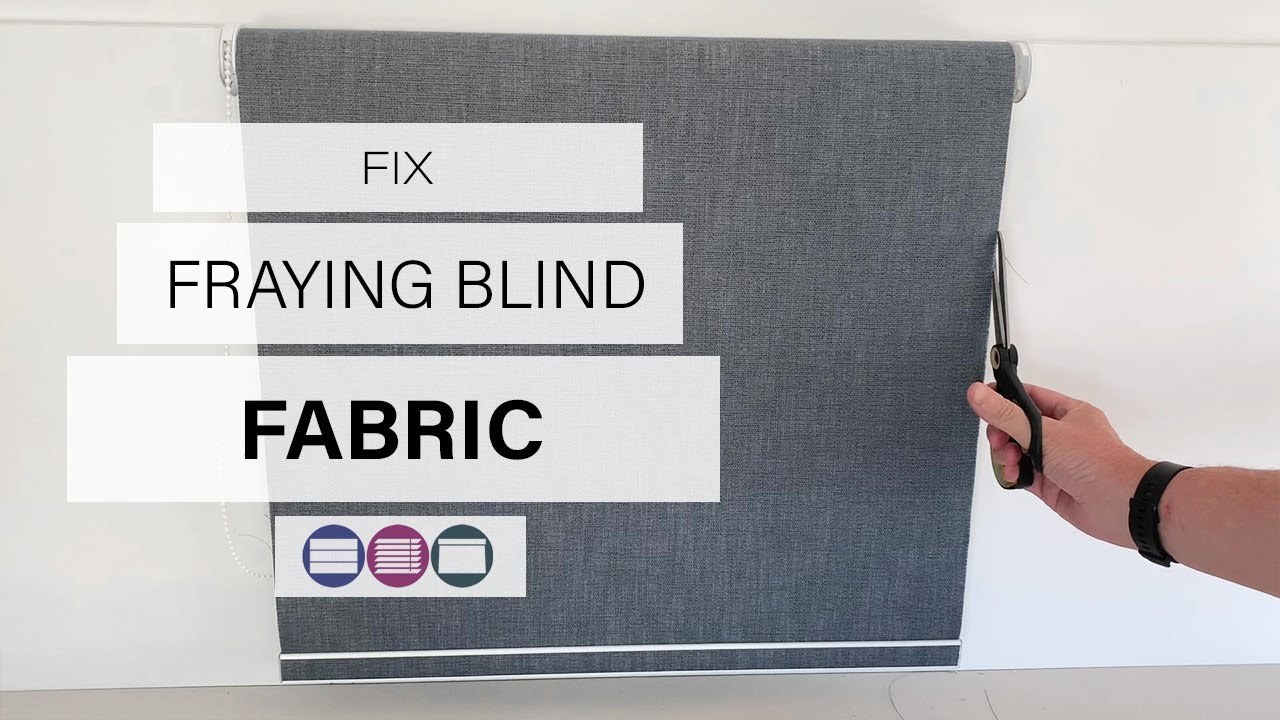
Fraying roller shade fabric edges are usually a tracking or clearance problem, not normal wear. When one side repeatedly rubs a bracket, cassette, side channel, window trim, or sill, threads pull loose and the edge begins to feather. A shade can still operate after the first few damaged fibers appear, but continued rubbing can turn a 1/16-inch flaw into a visible 1/4-inch strip and make the fabric roll crooked.
World Wide Shades can help identify the source before you replace the cloth. Use the World Wide Shades builder for a new fabric or shade, request swatches, or contact World Wide Shades with close photos of both edges and the roll.
What fraying looks like and why it matters
Fraying may appear as loose threads, a fuzzy edge, a diagonal “stair step,” a pulled coating, or a narrow line of abrasion. Woven solar fabrics can show individual yarns, while coated blackout fabrics may show a white or gray substrate after the surface is rubbed. Heat, sunlight, and cleaning chemicals can make a weakened edge fail faster.
The location tells you a lot. Damage only on the left edge often points to a bracket, cassette, or channel on that side. Damage that increases toward the bottom suggests the fabric is telescoping as it rolls. Fraying on both edges can indicate an opening that is too narrow, a shade cut too wide, or side channels that are not parallel.
Take a photo with a ruler beside the damage. Record the shade width, fabric type, and whether the problem appeared after installation or after months of operation. Send those details to World Wide Shades before trimming or gluing the edge.
The most common causes
A correctly rolling shade keeps the fabric centered on the tube. If the cloth shifts to one side each cycle, the edge rubs the bracket or cassette. Dust on the tube, a slightly crooked hembar, an uneven bottom stop, or an out-of-square opening can start the shift.
Do not correct telescoping by pulling the fabric sideways while it is under tension. Stop the shade, photograph the roll, and have the tube and bracket alignment checked. A small alignment correction early can prevent the need for a complete fabric replacement.
Guided blackout shades need channels with a smooth, parallel path. A screw head, burr, compressed gasket, or channel installed at a slight angle can scrape the edge on every cycle. A channel gap that is only 1/8 inch too narrow can be enough to create a repeated rub.
Inspect the channel for debris and check whether the bottom bar moves freely with power disconnected as directed by the manufacturer. Do not file the channel or shave the fabric. The blackout curtains vs. blackout shades guide explains why a seemingly small alignment change can affect both darkness and durability.
Inside-mount shades require accurate deductions. If the final shade is cut wider than the clear opening, the fabric may press against the jamb or rub on the hardware. Measure the top, middle, and bottom widths; do not assume a window is square because the frame looks straight.
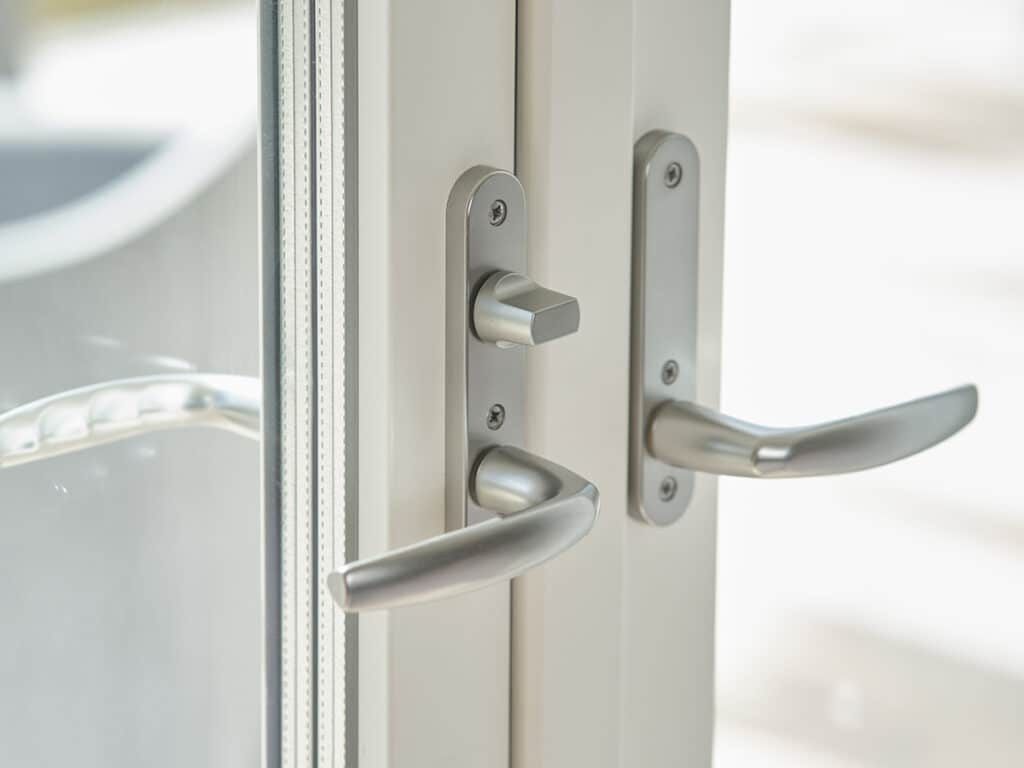
Outside-mount shades need enough overlap to cover the glass, but excessive overlap can collide with trim or a handle. A custom shade should be specified from the actual mounting surface, not just the visible pane. Review how to install roller shades before a replacement is ordered.
Abrasive sponges, stiff brushes, bleach, and household sprays can roughen coatings and weaken yarns. Dust with a soft brush or vacuum at low suction. For spot cleaning, use only the method listed on the fabric care label, apply moisture to a cloth rather than spraying the shade, and let the fabric dry fully before rolling.
Moisture-prone rooms need a fabric selected for the environment. Read roller shades for kitchens and bathrooms for cleaning and ventilation considerations.
What you can do immediately
Stop operating the shade if the fray is growing, the edge catches, or the bottom bar is no longer level. Mark the damaged section with a photo, not tape; adhesive can leave residue and pull more fibers. Keep pets and children away from loose threads, and do not let a motor continue cycling against a jam.
If the edge is only lightly fuzzy and the shade tracks perfectly, gentle dust removal may be enough while you schedule an inspection. Do not use a lighter, hot knife, super glue, fabric glue, or clear nail polish on an installed shade without the fabric manufacturer's approval. Heat can melt coatings, and hardened glue can create a rough spot that damages the opposite edge.
Ask World Wide Shades whether the fabric can be repaired or must be replaced. Call (844) 674-2716 if the shade is still under warranty or the damage appeared soon after installation.
Repair options and their limits
Minor loose threads may sometimes be secured by a professional using a fabric-approved edge treatment or by replacing a hembar component. Repairs are most successful when the cause of abrasion has been corrected first. A repair cannot make a shade track straight if the tube or channel is still misaligned.
If the fabric is removable and the roller tube is sound, re-fabrication may preserve the brackets, motor, and cassette. This is often useful when a favorite color is discontinued or when you want to upgrade from light filtering to blackout. Ask whether the new fabric weight and roll diameter are compatible with the existing motor.
A complete shade replacement is more sensible when the edge has a long tear, the coating is peeling, the fabric is sun-brittle, or the hardware is obsolete. A replacement fabric is not a safe do-it-yourself cut-and-paste project; uneven edges can telescope immediately.
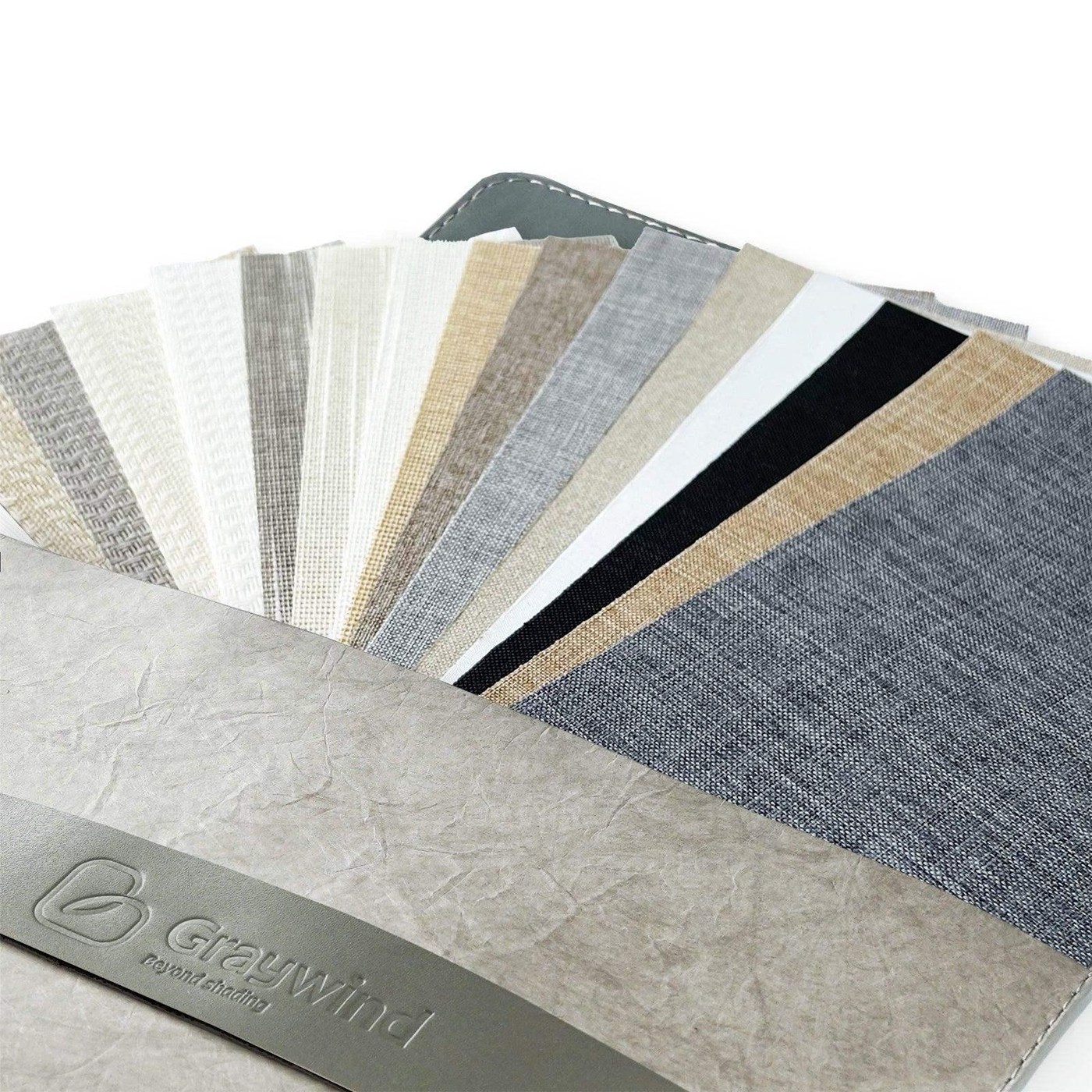
Build a replacement with World Wide Shades and order matching swatches before approving the fabric.
How to prevent fraying on a new shade
Start with a precise measurement and choose the correct mount. For inside mount, use the smallest width at the top, middle, and bottom and follow the manufacturer's deduction rules. For outside mount, allow enough side and top overlap to control light without colliding with trim. Check that handles, locks, and screens remain clear through the full travel.
On wide windows, select a tube and motor rated for the shade's fabric weight. A stronger tube reduces deflection, and a cassette can protect the roll from dust and incidental contact. Side channels should be cut square and installed parallel; measure diagonals if the opening is large.
Use the correct control. A motor can stop at programmed limits without pulling a chain, and cordless operation reduces dangling hardware. If the shade is in a child's room, review child-safe window treatments before choosing the operating system.
World Wide Shades can specify fabric, tube, cassette, and control as one system. Start the configuration after you know the shade's width and exposure, or contact the team for a review of an existing installation.
Fraying, sun exposure, and fabric choice
Direct sun can fade color and make some fibers brittle over time. A solar fabric can reduce glare and UV exposure through the window, but it still faces the sun and needs appropriate care. Dark fabrics often absorb more visible light and can show dust; textured weaves can hide minor variation but may catch loose fibers.
For a room with strong south or west exposure, compare openness, backing, and colorfastness rather than choosing only by appearance. The UV protection window shades guide and best fabrics for roller shades provide a useful starting point. Request World Wide Shades swatches and view them at the same time of day when the damage is most visible.
Repair versus replacement cost
A service visit or alignment correction may cost roughly $100–$300, while a motor-compatible re-fabrication may range from $150–$600 depending on width and fabric. A complete custom roller shade commonly falls around $150–$800 per opening, with motorization, blackout channels, and installation raising the total. A very wide or specialty-shaped opening can exceed that range.
The lowest quote is not always the best value if the original cause remains. Ask whether the price includes measuring, hardware inspection, fabric, reprogramming, shipping, and installation. World Wide Shades can compare a repair with a replacement and specify the clearance that caused the failure.
Frequently asked questions
Minor loose fibers may be repairable after the rubbing cause is corrected. A long tear, peeling coating, or repeated telescoping often requires re-fabrication or a complete replacement. Do not glue or burn the edge without manufacturer approval.
The fabric may be rubbing a bracket, cassette, side channel, or jamb, or it may be telescoping toward that side. Check alignment and clearance before treating the visible damage.
Do not trim an installed shade as a first step. A cut edge can unravel faster, become uneven, and make the fabric roll crooked. Have the fabric and hardware evaluated by the provider.
Use a soft brush or low-suction vacuum and follow the fabric care label. Avoid abrasive tools, bleach, soaking, and spraying cleaner directly onto the cloth or headrail.
Motorization can reduce chain pulls and abrupt manual force, but it does not fix a crooked tube, tight channel, or incorrect width. Alignment and correct sizing remain the primary protections.
Send photos through the contact page, start a replacement configuration, or call (844) 674-2716. Request swatches if a new fabric is needed.