Roller shade fabric telescoping happens when the fabric walks toward one side of the tube instead of rolling evenly. One edge may stack higher, the roll may rub an end cap, and the hem bar can drift left or right as the shade moves. The condition is more than a cosmetic annoyance: continued rubbing can crease the cloth, wear a coated edge, increase motor load, and make the shade stop before it reaches its limit.
World Wide Shades can help diagnose whether the cause is installation, fabric behavior, hardware alignment, or an obstruction. Build a custom roller shade with World Wide Shades, order fabric swatches, or contact World Wide Shades with photos of the roll. Call (844) 674-2716 when a wide shade is motorized, mounted over a door, or rubbing a cassette.
What telescoping looks like
A properly aligned roller shade keeps the left and right fabric edges nearly parallel to the side jambs. With telescoping, the top roll shifts sideways each cycle. The fabric may climb toward the left bracket, climb toward the right, or change direction after a partial movement. You may hear a light scrape, see a shiny rub mark, or find a diagonal crease near one edge.
Measure the drift over a complete cycle. A 1/8-inch movement can be difficult to notice on a small window, while a 1/2-inch shift on a 72-inch shade is obvious. Do not judge only by the hem bar at the bottom; observe the roll and fabric edges at the top as well. Send a close-up to World Wide Shades if you are unsure whether you are seeing telescoping or a crooked frame.
The most common causes
A roller shade needs a level tube. If one bracket is higher than the other, gravity and fabric tension can pull the roll toward the low side. A ceiling, sill, or decorative trim may look level while the actual bracket line is not. Use a quality level across the mounting points, not the bottom of the window as a reference.
For an outside mount, check the wall surface behind each bracket. A bump, uneven plaster, or a missing spacer can tilt the tube. For an inside mount, check whether the recess is out of square and whether the brackets are seated at the same depth. The how-to-install-roller-shades guide covers the alignment principles; World Wide Shades can verify the product-specific bracket layout. Request an installation review.
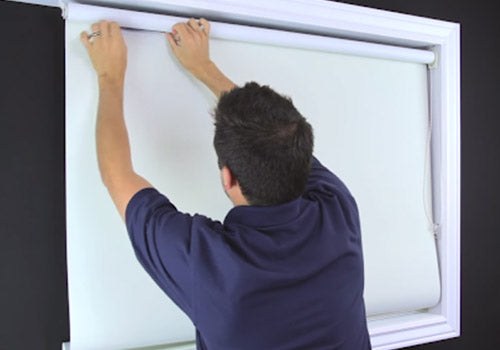
The tube may be clipped into one bracket but not fully engaged in the other. A loose screw, bent tab, or incorrect bracket position can let the tube shift as it rotates. Do not remove a heavy or motorized shade without assistance. Inspect only what the product instructions identify as user-serviceable.
A cassette can hide the end cap, making a small alignment issue difficult to see. If the roll rubs the cassette at one end, stop operating it until the alignment is checked. For a new installation, photograph the bracket and cassette before changing anything. World Wide Shades can help match replacement hardware.
Fabric can be attached to the tube at a slight angle, particularly if a shade was re-rolled by hand or an adhesive connection has shifted. A skewed leading edge creates a spiral path and pulls the cloth toward one side. Do not peel or reattach the fabric without the manufacturer’s process; a small mistake can create permanent wrinkles or weaken the bond.
Measure the top edge from the bracket reference points, then compare the left and right distances. If the fabric itself is cut out of square, adjusting the brackets may reduce symptoms but not solve the root cause. World Wide Shades can determine whether a fabric re-attachment is practical or whether replacement is more reliable.
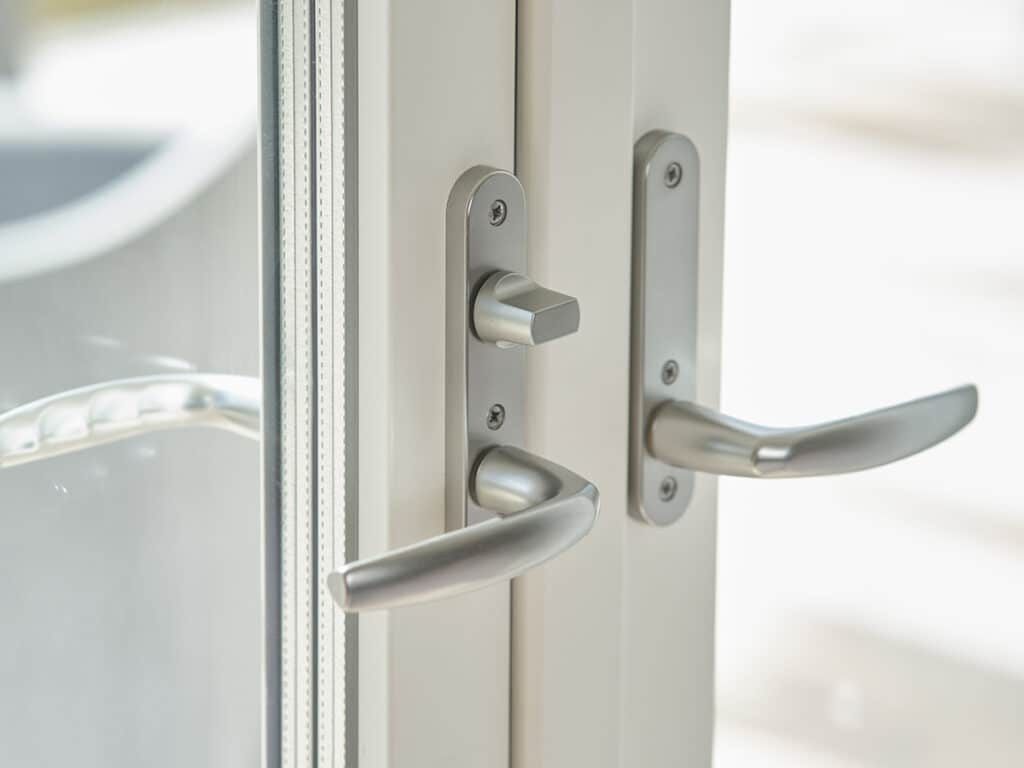
Window cranks, locks, door handles, insect screens, trim, side channels, and a projecting sill can push the fabric sideways. Open and close the window or door through its full travel while watching clearance. A shade can look clear when the opening is closed yet rub when the panel slides.
Keep at least the product-required clearance; do not rely on a visually narrow gap. A 1/4-inch clearance can disappear if the wall flexes, the door shifts, or the fabric bows. The roller shades for French doors guide explains why handle travel matters. Contact World Wide Shades for a door or crank-window review.
Very wide shades place more demand on the tube and brackets. Heavy blackout fabrics, dense woven materials, and large cassettes can magnify a small alignment error. A fabric’s stiffness and coating also influence how easily it tracks. This is why the same room may show different behavior with two different fabrics.
Do not assume a stronger motor will fix telescoping. More torque can worsen edge wear and damage the fabric. A larger tube, a split configuration, side channels, or a different fabric may be the correct solution. Compare roller shade fabrics with World Wide Shades.
A safe inspection sequence
- Raise the shade to a safe viewing position without forcing it.
- Photograph both fabric edges, the top roll, hem bar, brackets, and any side channels.
- Measure the bracket line with a level.
- Look for contact with handles, trim, sill, cassette, or guide.
- Check whether the bottom bar is level when fully lowered.
- Test one slow cycle while standing clear of the fabric.
- Stop if the motor strains, the cloth creases, or the roll rubs.
If the shade is over 60 inches wide, use a helper for any hands-on inspection. A loose tube can fall or twist a bracket. Keep remotes out of reach of children during testing and review child-safe window treatments when a cord, chain, or low remote is present.
Repair options by severity
If the shade is new and the tube is clearly out of level, an installer may be able to re-seat a bracket or add an approved spacer. The correction should preserve minimum end clearances and keep the roll centered in the cassette. Do not stack household washers or bend metal brackets to force alignment.
A side channel may need cleaning, repositioning, or a different depth. A fabric edge that has lifted can require professional reattachment. Do not apply glue, tape, oil, or silicone to the fabric. These materials can create a hard spot, attract dust, and void product support.
Replacement makes sense when the edge is frayed, the cloth is permanently creased, the openness has changed from wear, or the fabric was cut out of square. Match the replacement to the tube, bottom bar, motor capacity, and cassette. A new fabric roll is not automatically compatible with existing hardware. World Wide Shades can quote a fabric-only or complete replacement after reviewing dimensions. Request a replacement plan.
An oversized opening may be better served by two coordinated shades. Splitting a 96-inch opening can reduce tube deflection, make service easier, and let each half track independently. The center gap, light control, and visual alignment need to be planned before fabrication. Ask World Wide Shades to model a wide opening.
Prevent telescoping on a new order
Measure every opening rather than copying a neighboring window. Record the top, middle, and bottom width for inside mount, plus the left, center, and right height. For outside mount, record the desired overlap and the wall or trim condition. Accurate measurements help the fabricator choose a viable tube, bracket, and shade width.
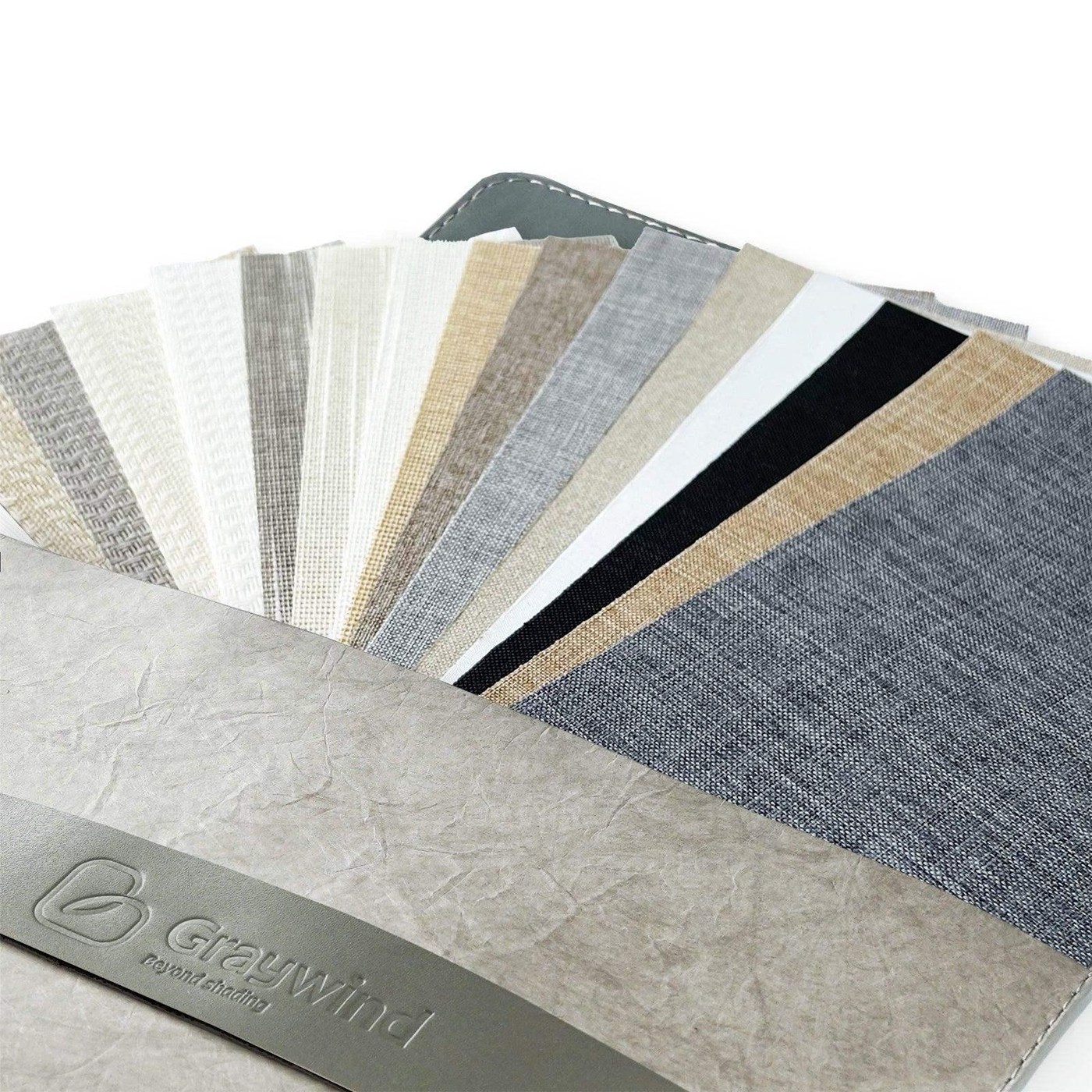
Select a fabric that fits the room’s use. A solar screen may be ideal for glare, while blackout fabric may be heavier and need a different tube. The best fabrics for roller shades guide explains how openness, texture, and care affect the choice. Order World Wide Shades swatches before committing to several windows.
At installation, level all neighboring shades to the same reference line. Operate each unit three times before finishing trim or hiding wiring. Keep the motor charger accessible and document the final limits. For motorized systems, a multi-channel remote should be programmed after the mechanical roll is tracking correctly; the multi-channel remote programming guide shows why the order matters.
Maintenance and when to call
Dust with a soft brush or low-suction upholstery attachment every 4 to 8 weeks. Do not pull the cloth sideways to “help” it track. If telescoping begins, stop normal use and inspect the cause. Continued cycling can turn a minor alignment issue into a frayed edge or damaged motor.
Call a professional when the shade is heavy, high, motorized, over a door, or attached to an unusual wall. World Wide Shades can compare repair cost with replacement cost; see the custom roller shade cost guide for the factors that change a quote. Call (844) 674-2716 or contact World Wide Shades with the shade width, fabric type, and photos.
Frequently asked questions
Telescoping is sideways movement of the fabric roll as the shade raises or lowers. The fabric walks toward one bracket, causing angled edges, rubbing, creases, or a hem bar that drifts off center. Common causes include an unlevel tube, mis-seated bracket, skewed fabric attachment, or side obstruction.
Do not add tape, glue, or improvised shims to the fabric. Those materials can create a hard spot, change the roll diameter, trap dust, and damage the coating. Have the tube, brackets, fabric attachment, and clearances checked by World Wide Shades or the product manufacturer.
Lowering can expose a sill, handle, side channel, or trim conflict. The motor may also apply more load as the fabric unwinds. Watch both edges during one slow cycle, stop if the cloth rubs, and check the level and clearance before changing the motor settings.
Usually not. Telescoping is primarily an alignment, attachment, clearance, or fabric issue. A stronger motor may increase friction and edge damage. If the opening is oversized, World Wide Shades may recommend a larger tube, split shades, or a different fabric rather than more torque.
Coverage depends on the manufacturer, cause, age, installation, and whether the fabric or hardware was modified. Photograph the issue before attempting a repair, keep the order information, and contact World Wide Shades for a product-specific review.
Replacement is often more practical when the fabric edge is frayed, the cloth is permanently creased, the tube is bent, or the original configuration exceeds the motor or width limits. A repair may be reasonable for a loose bracket or minor alignment problem. World Wide Shades can compare both options.