A roller shade motor humming without movement is giving you a useful clue: the motor is receiving at least some power, but the tube is not completing its job. The cause may be a limit setting, a jammed fabric roll, a slipping clutch, a low battery, or a motor that has reached the end of its service life. Do not keep pressing the button; repeated stalled cycles can create heat and turn a small adjustment into a larger repair.
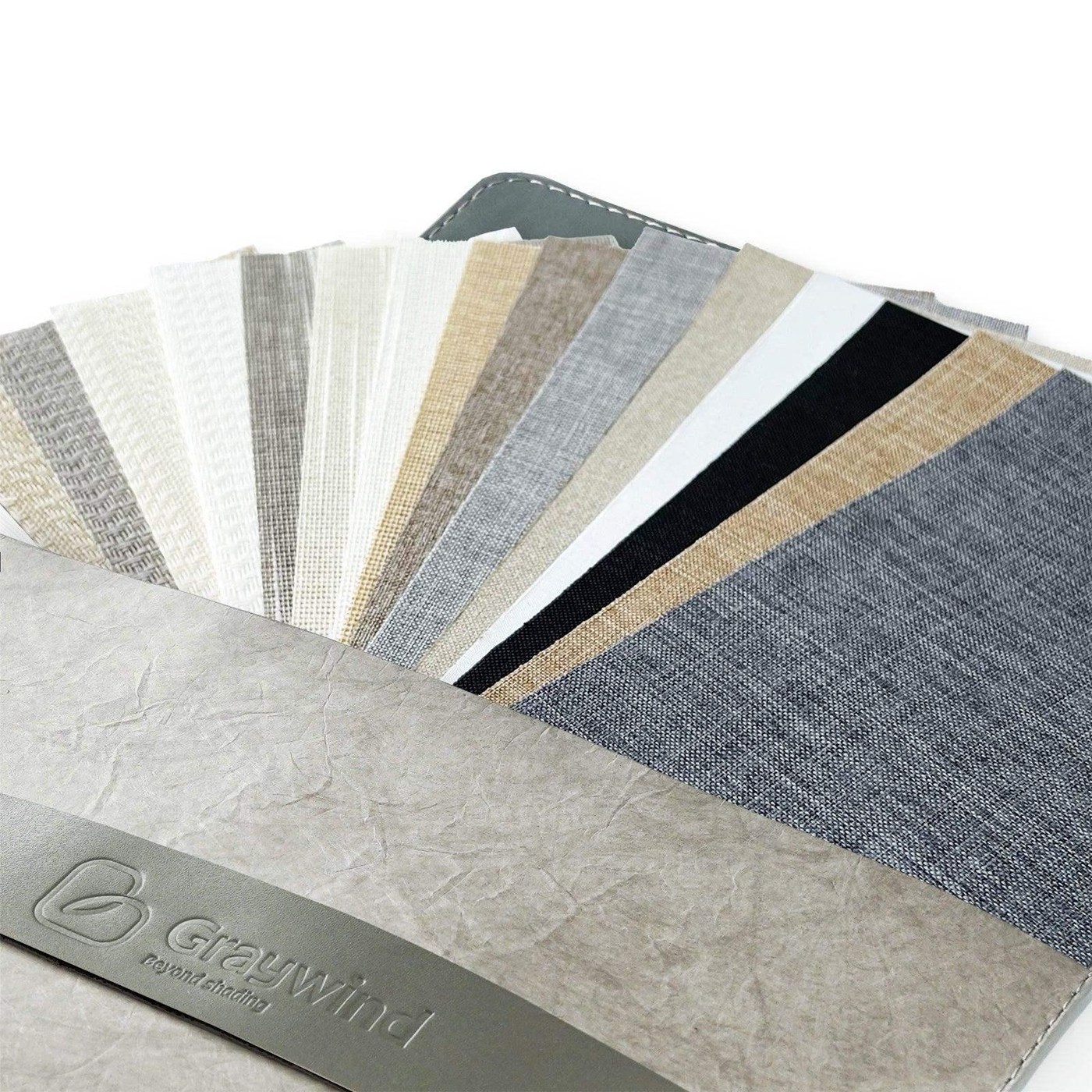
World Wide Shades recommends a calm, staged diagnosis that starts with the least invasive checks. Configure a replacement shade in the World Wide Shades builder, compare World Wide Shades fabric swatches, or contact World Wide Shades if the shade is high, hardwired, or still under warranty. For technical help with a custom opening, call (844) 674-2716.
What a hum tells you
A hum is different from total silence. In a battery motor, it can mean the motor is trying to run while voltage drops under load. In a hardwired motor, it can indicate a command reached the motor but the drive, tube, or fabric is resisting movement. A brief click followed by a hum can also occur when an obstruction or programmed travel limit stops the shade.
First, record three observations: whether the shade moves even 1/8 inch, whether the sound lasts for one second or the entire command, and whether the motor hums in both directions. Note whether the remote LED flashes, whether an app shows a battery percentage, and whether other shades on the same hub work. That small record prevents you from replacing a remote when the real problem is mechanical.
If the shade is silent rather than humming, start with our motorized shade setup guide. A humming motor needs the decision tree below.
Safety before troubleshooting
Stop if the shade is hardwired and you would need to open a junction box, remove a cover, or touch conductors. Turn off the correct breaker and use a qualified electrician for line-voltage work. Never put fingers near the roller, brackets, chain, or bottom bar while someone else is testing a command.
For a child’s room, secure any exposed loop or cord before testing. The child-safe window treatments guide explains why a repair is not complete if it creates a reachable loop. If the shade is above a stair, tub, or double-height room, do not balance on furniture; World Wide Shades can help plan a safer service visit.
Seven checks that isolate the fault
Cancel the command and wait 5 to 10 minutes. A motor that has stalled may enter thermal protection. Testing it every 10 seconds makes the result harder to interpret and can drain a rechargeable battery. After the pause, send one short open command and listen for the same sound.
A motor that works after cooling but stops again under load has a repeatable overload condition. Treat that as a diagnosis, not a successful repair.
Rechargeable motors commonly need several hours for a full charge; follow the motor maker’s instructions rather than guessing from an LED. Inspect the charging lead for a loose connector and check whether the charger indicator changes. If a battery has been used daily for years and the shade hums only at the top or bottom of its travel, capacity may be too low for the load.
For hardwired shades, confirm that the breaker has not tripped and that a wall switch or power supply is on. Do not bypass a fuse or substitute a random adapter. World Wide Shades can specify battery, plug-in, or hardwired hardware during a new shade configuration.
With power removed or the motor idle, inspect the full path. A bottom bar may be caught on a handle, a curtain rod, a plant, or a window lock. On an inside mount, a fabric edge can rub a jamb when the opening is out of square. Even a small contact repeated over 50 or 100 cycles can create enough resistance to stop a motor.
Raise the shade by hand only if the manufacturer allows manual movement. Never force a motorized tube or pull down on the fabric to “help” it. If the fabric is frayed, creased, or rolled onto itself, stop and photograph the problem for service.
Send one open command, wait, then one close command. If the shade hums in only one direction, the lower or upper limit may be wrong, the fabric may be tight against a sill, or one end of the tube may be misaligned. If it hums in both directions, suspect power under load, a jam, or the drive assembly.
A stop command that works but does not produce movement suggests the receiver is hearing you; it does not prove the mechanical parts are healthy. Do not repeatedly reset the motor until you know the current limits, because a reset can erase useful settings.
If the shade reaches a point and hums, the limit may be set beyond the usable opening. Compare the programmed stop with the actual clearance at the headrail, sill, handle, and bottom bar. A limit adjustment should be made with the correct remote sequence for that motor family.
Resetting a motor is not a universal fix. Write down the existing upper and lower positions and take a photo of the remote model first. World Wide Shades can help match the correct replacement motor or control path rather than guessing from a similar-looking remote.
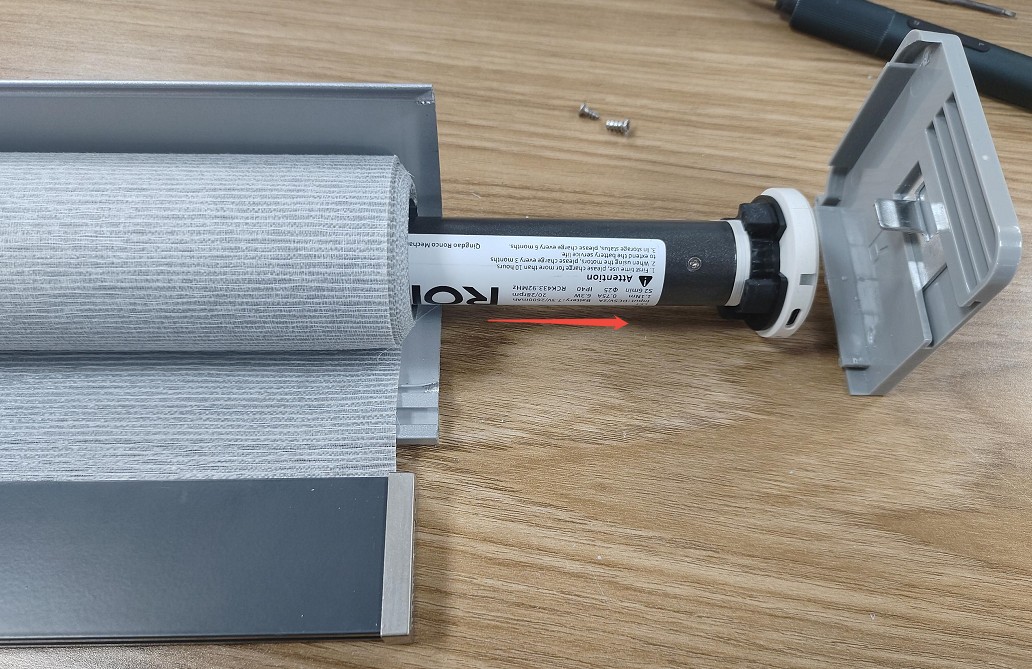
A motor may spin internally while a drive wheel, adapter, or clutch slips against the tube. You may hear a steady hum but see no change in fabric position. A bent tube can also bind at one end, especially on a wide shade. These are mechanical service issues, not app issues.
If one shade in a group fails while the others work, the hub is less likely to be the root cause. If several shades hum at once after a power event, investigate the power supply or control system first. The hardwired motor wiring guide is useful when planning a new line-voltage installation, but it is not a reason to open an existing circuit yourself.
After removing a visible obstruction, run no more than one complete cycle. Watch the fabric from the front and the side. It should wind evenly, with the bottom bar remaining level and a similar gap at both sides. Stop if the hum returns, the roll walks sideways, or the motor becomes hot.
A successful cycle does not erase evidence of an underlying tracking issue. Save a short video if the symptom returns; it helps World Wide Shades distinguish a limit problem from a tube or fabric problem.
Repair or replace: a practical decision
A limit adjustment or re-pairing may be reasonable when the shade moves normally by hand, the fabric is undamaged, and the symptom began after a power interruption. A service call is the better choice when the motor hums under every command, the tube is visibly bent, the fabric is rubbing, or the shade is hardwired.
Replacement is often more sensible when the motor, battery, and fabric are all aging. A new custom shade can solve several variables together: correct width, a tube sized for the span, a fabric with the right openness, and a control system that fits your home. Read how much custom roller shades cost to plan a realistic budget, then use the World Wide Shades swatch service to compare light control before ordering.
World Wide Shades can also review whether a dual shade, side channel, or cassette will reduce the load on the motor. Send your window details to World Wide Shades for a recommendation, or call (844) 674-2716 if the shade is stuck over a bedroom, entry, or large picture window.
Prevent a humming motor from returning
- Keep the shade path clear and leave handle clearance at the bottom of the travel.
- Run a rechargeable motor before its battery is completely depleted.
- Do not exceed the manufacturer’s width, fabric weight, or duty-cycle limits.
- Dust the sill and bottom bar so grit does not become a repeated contact point.
- Keep a note of remote pairing, upper and lower limits, and battery replacement dates.
- Arrange service when a shade starts tracking, slowing, or stopping rather than waiting for a full stall.
The energy-efficient window shades guide can help you choose fabric and control strategies that reduce heat load without asking one motor to do the wrong job.
Frequently asked questions
The most common possibilities are a low battery, an obstruction, a limit setting, a slipping drive, or a bent tube. Stop repeated commands, inspect the path, check the approved power source, and arrange service if the hum returns after one controlled retest.
No. Repeated stalled cycles can create heat, drain a battery, and worsen a mechanical bind. Let the motor cool, perform one safe check, and stop if the sound persists.
Only when the fault is a control or limit problem. A reset will not repair a jammed fabric roll, damaged tube, failed drive, or inadequate power supply, and it may erase useful travel settings.
A simple limit or pairing adjustment may cost little if it is covered by service or warranty, while a motor, tube, or full custom replacement can range from a small parts repair to several hundred dollars per opening. Exact pricing depends on size, fabric, access, and motor family; request a World Wide Shades quote for a window-specific number.
Replace the full shade when the fabric is frayed or faded, the tube is bent, the motor is obsolete, or multiple components are worn. A matched fabric-and-motor system is usually easier to support than mixing an old tube with an incompatible drive.
The next step
A humming motor is a warning worth diagnosing early. World Wide Shades can help you decide whether a setting, a service visit, or a better-matched custom shade is the responsible next step. Start with the World Wide Shades builder or contact World Wide Shades for a clear plan.