What a bent roller shade tube looks like
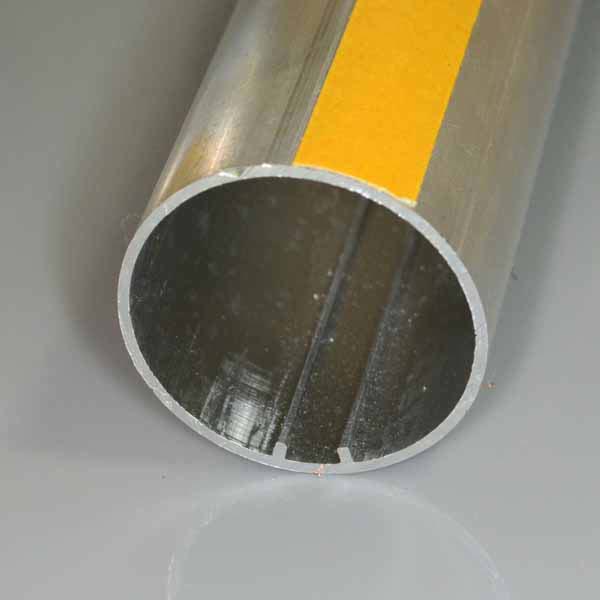
The tube is the long cylinder that carries the fabric. When it bends, the fabric can roll in a diagonal line, the bottom rail may dip in the middle, or the shade can wobble once per revolution. A tube does not need to look dramatically kinked to cause trouble: a deflection of about 1/8 inch over a 60-inch span can be enough to create a visible edge gap.
Bent tubes usually come from impact, lifting a shade by the fabric, overloading a long span, shipping damage, or a bracket that was forced into position. The safest response depends on the tube material, diameter, fabric weight, and whether the motor or clutch has also been stressed. World Wide Shades can help replace the entire assembly when straightening would compromise reliability.
CTA: Start a correctly supported replacement in the World Wide Shades Builder if the tube is visibly bowed or dented.
First determine whether the tube is actually bent
Lower the shade fully and inspect the top roll from a safe position. Look for a changing gap between the fabric edge and the bracket, a crease that appears at the same spot each turn, or a tube that moves closer to and farther from the headrail. A level across the bottom rail is helpful, but it does not prove the tube is straight.
For a manual shade, gently operate the chain while watching the tube. For a motorized unit, use a short jog and stop if the motor strains. Never place fingers near a moving tube, and do not run a wide shade while standing beneath it. If the tube is removed, place it on two level supports and measure the center drop with a straightedge or string line.
A small center gap on a long loose tube may reflect normal deflection under fabric weight, while a sharp localized bend suggests impact. Compare the unloaded tube with the assembled shade. If the tube is straight on a bench but the roll bows in the window, the fabric may be attached off-center or the brackets may not be level.
CTA: Send measurements and a photo to World Wide Shades for help separating a bent tube from an installation issue.
Why straightening a tube is usually risky
Aluminum roller tubes are designed to stay straight under a specified load. Bending one back by hand can leave a weak spot, a flat section, or a twist that makes the tube rotate unevenly. Steel tubes can spring back, and thin-wall tubes may crease before they look straight. A repaired tube can therefore pass a visual check but continue to steer the fabric.
Do not heat the tube, hammer it, clamp it directly in a vise, or drill new holes through it. Heat can damage fabric, adhesives, coatings, and motor components. A crushed tube can also prevent a clutch, drive wheel, or idle pin from seating correctly.
If the shade is small, lightly loaded, and the bend is minor at an exposed end, a qualified blind repair shop may approve a tube replacement rather than a full shade replacement. In most homes, replacing the tube is more predictable than attempting to restore its original geometry.
Three checks before ordering a new tube
Record the finished width, finished height, fabric type, hembar weight, and whether the shade is inside or outside mounted. A 36-inch light-filtering shade and a 96-inch blackout shade do not put the same torque on the tube. As a planning rule, long openings above about 72 inches deserve an engineered tube and support plan rather than a generic hardware swap.
For wide windows, compare a single shade with two or three coordinated shades. Splitting a 96-inch opening into two 48-inch shades can reduce deflection and lets you control each side, though it introduces a small center gap. See roller shades for large windows and large-format picture window shades.
A tilted bracket line can mimic a bent tube. Confirm the left and right bracket heights, check the level, and look for screws that have pulled out of the substrate. If the tube ends sit at different heights by more than about 1/8 inch, correct the mount before blaming the tube.
Inside mounts need enough depth for the tube and fabric roll. Outside mounts need stable anchors and sufficient overlap. Review inside mount versus outside mount shades and how to install roller shades before changing the hardware.
A fabric edge attached off-square can send the roll toward one side even when the tube is straight. Look for a diagonal first wrap, lifting adhesive, or a hembar that is not parallel to the tube. Never peel factory fabric from the tube unless the product instructions specifically allow it; a crooked reattachment is difficult to reverse.
CTA: Request World Wide Shades swatches while you confirm the replacement fabric, openness, and light-control level.
Repair, reinforce, or replace: the decision
Repair the installation when the tube is straight, the brackets are loose or tilted, and the fabric attachment is sound. A repair may take 15 to 45 minutes and can be the least expensive solution.
Replace the tube or operating assembly when the fabric is in good condition but the tube is bent, a clutch or drive wheel is worn, and the shade’s dimensions still work. The replacement must match diameter, bracket geometry, and load rating. On a motorized shade, only use the correct drive and limit procedure.
Replace the complete shade when the tube is bent and the fabric is faded, frayed, creased, stained, or too heavy for the original hardware. A new shade is also an opportunity to add side channels, a cassette, cordless operation, or a better fabric openness. The roller shade fabric openness guide explains how 1%, 3%, 5%, and 10% openness change glare and view-through.
A basic manual tube or repair part may be $40 to $150, while labor and access can bring a service visit to $100 to $300. Complete custom shades commonly range from $150 to $900 per opening, with motorization, large widths, blackout construction, and specialty hardware increasing the total. Treat these as planning ranges, not a quote.
CTA: Ask World Wide Shades for a repair-versus-replace recommendation at contact or call (844) 674-2716.
Designing a stronger replacement
A reliable replacement starts with the opening, not the old tube. Confirm the actual width at three points, the height at both sides, the depth, and any handle or trim interference. Decide whether the priority is privacy, glare control, darkness, heat reduction, or a clear view.
For intense sunlight, solar or screen fabric can reduce glare while preserving daytime view-through; blackout fabric is better when darkness is the priority. For bedrooms, pair the fabric decision with best window shades for bedrooms and blackout shades versus blackout curtains.
A cassette can protect the roll and create a cleaner profile. A center support or multiple shades can reduce long-span stress. Motorization can help on high windows, but you still need a tube correctly sized for the fabric. World Wide Shades can coordinate the tube, bracket, fabric, and control method instead of treating each part as a separate purchase.
CTA: Build the full configuration with World Wide Shades and use the notes field to mention the former tube bend.
Preventing future tube damage
Do not lift a shade by its fabric or bottom rail. Keep the roll level during operation and address rubbing as soon as it appears. Use anchors suited to drywall, wood, metal, or masonry; a bracket that shifts under load can twist the tube. Keep heavy objects away from the shade and do not attach decorative items to the hembar.
For motorized shades, stop when the motor sounds strained and check the limit settings rather than repeatedly cycling. For a basic system review, read smart home motorized shades setup. World Wide Shades can also help select a configuration that is easier to service later.
FAQ: bent roller shade tubes
It is not recommended as a homeowner repair. Bending, heating, or hammering can create a weak spot and leave the tube rotating unevenly. A qualified technician may replace the tube or operating assembly; replacement is usually more reliable than reshaping it.
Inspect the first wrap, run the shade slowly, and compare the tube ends. If the roll is diagonal but the tube looks straight, the fabric attachment or mount may be the cause. If the tube wobbles or the center drops on level supports, the tube is likely damaged.
Often, yes. Width, drop, fabric weight, and operating method determine the required tube. A long blackout shade places more load on the tube than a shorter screen shade. Ask for an engineered or matched system instead of choosing by appearance alone.
Two shades can reduce span and improve independent control. The tradeoff is a center gap and possibly two cassettes or brackets. For a 96-inch opening, two approximately 48-inch shades may be more stable than one large unit, depending on the exact product.
A cassette protects the roll and can improve appearance, but it does not make an undersized tube strong enough. The tube, brackets, fabric, and support plan still need to match the finished width and weight.
CTA: Talk with World Wide Shades at (844) 674-2716 or request custom swatches before ordering a replacement tube.