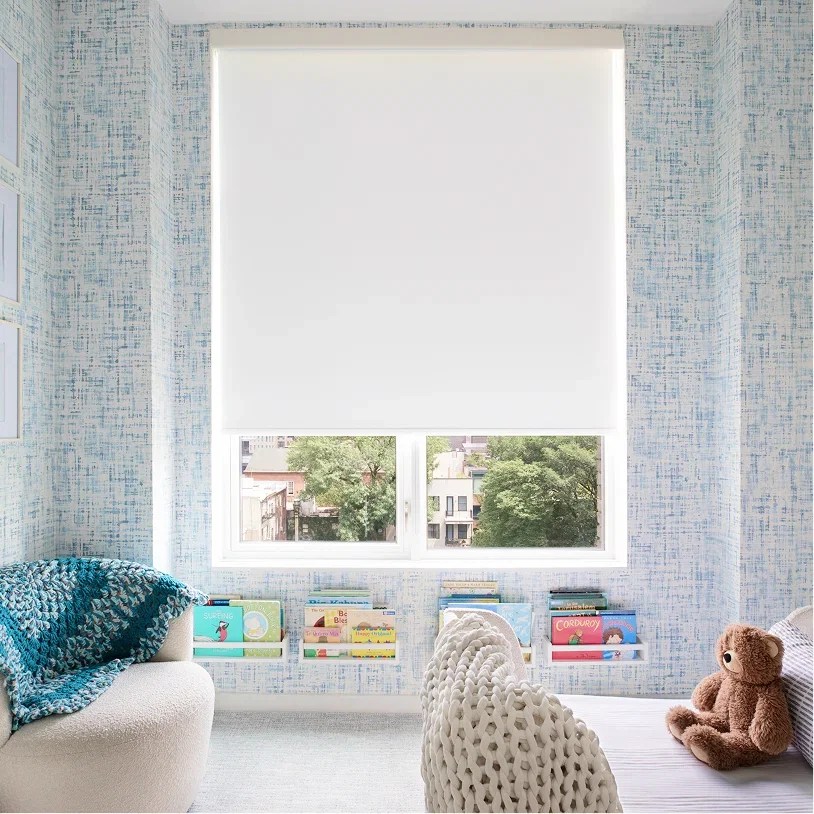
Why picture windows need a different shade strategy
Picture windows are designed for uninterrupted views, but they also:
- Bring in intense solar heat gain and glare.
- Expose furniture and flooring to UV.
- Create privacy concerns at night.
The challenge is coverage without turning a feature window into a heavy, bulky treatment.
If you want a clean, modern solution sized to your exact opening, start with World Wide Shades in our online builder.
Decide what “success” means for your picture window
Before choosing a shade, define the primary job.
A solar roller shade can reduce glare while still letting you see through.
A practical range most homeowners consider:
- 1% openness: strongest glare reduction, most privacy, least view
- 3% openness: strong glare reduction with a usable view
- 5% openness: best view preservation with lighter glare reduction
If you’re deciding between solar and standard roller fabrics, our comparison helps: solar shades vs roller shades.
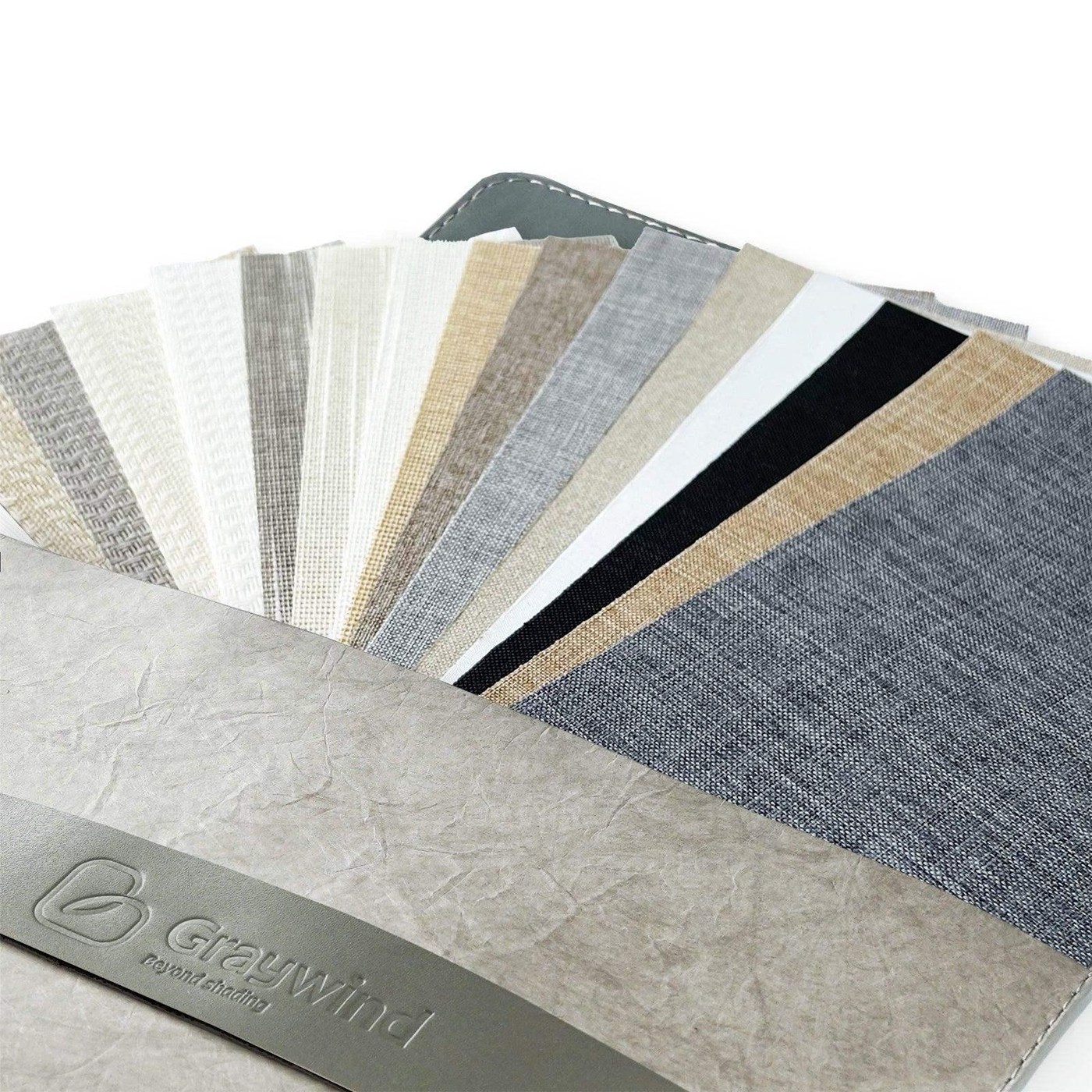
To see how openness looks in your room lighting, order World Wide Shades swatches.
If your picture window faces a street or neighbors, you may prefer light filtering or room darkening.
If your priority is bedroom darkness, read best window shades bedroom and the light-gap tradeoffs in blackout curtains vs blackout shades.
UV can fade floors, artwork, and upholstery.
If UV is the priority, our fabric guidance is here: uv protection window shades.
World Wide Shades can help you pick a UV-focused fabric in /builder.
Large width reality: fabric limits, seams, and performance
Picture windows often push the limits of what a single shade can cover.
A single wide shade looks clean, but two narrower shades can sometimes:
- Track straighter
- Handle wind/air movement better
- Be easier to operate and service
Some fabrics can’t be produced at unlimited widths. If your window is very wide, the practical options usually become:
- Choose a fabric available in a wider roll.
- Use two shades with a center gap.
- Use a valance to visually unify multiple shades.
If you’re planning a minimalist look, read roller shade valance options for ways to hide hardware cleanly.
World Wide Shades can help you decide whether one shade or two is best; contact us at (844) 674-2716 or use /contact.
Motorization is often the best upgrade for picture windows
Large shades can be heavy. Motorization improves daily use and helps the fabric roll evenly.
Motorized shades are especially valuable when:
- The shade is extra wide or tall.
- The window is high and hard to reach.
- You want scheduled glare control (morning/afternoon sun).
If you’re building a smart home, start with motorized shades Alexa Google Home.
Ready to price a motorized wide shade? Use World Wide Shades /builder.
Choosing the best mount style for a picture window
Inside mount works best when the frame depth is sufficient and the opening is square.
If your depth is limited or you want a more forgiving install, outside mount can look just as custom.
For a full comparison, see inside mount vs outside mount shades.
Outside mount can reduce light gaps by allowing extra overlap.
If the window faces harsh sun, this can also improve comfort by blocking edge glare.
If you want help choosing the best mount, call World Wide Shades at (844) 674-2716 or reach us at /contact.
Side gaps and “light leak” control on big windows
Even a great shade can feel disappointing if the edges glow.
Practical ways to reduce side light on picture windows:
- Increase outside-mount overlap.
- Consider side channels for near-blackout performance.
- Layer a roller shade with drapery panels.
For gap mechanics and fixes, see roller shade light gaps side fix.
Fabric selection: what performs best on large expanses
Solar shades are often the top choice for picture windows because they:
- Cut glare on TVs and screens
- Preserve the view
- Reduce UV
If the picture window is in a workspace, pair this with our glare tips: best shades home office zoom.
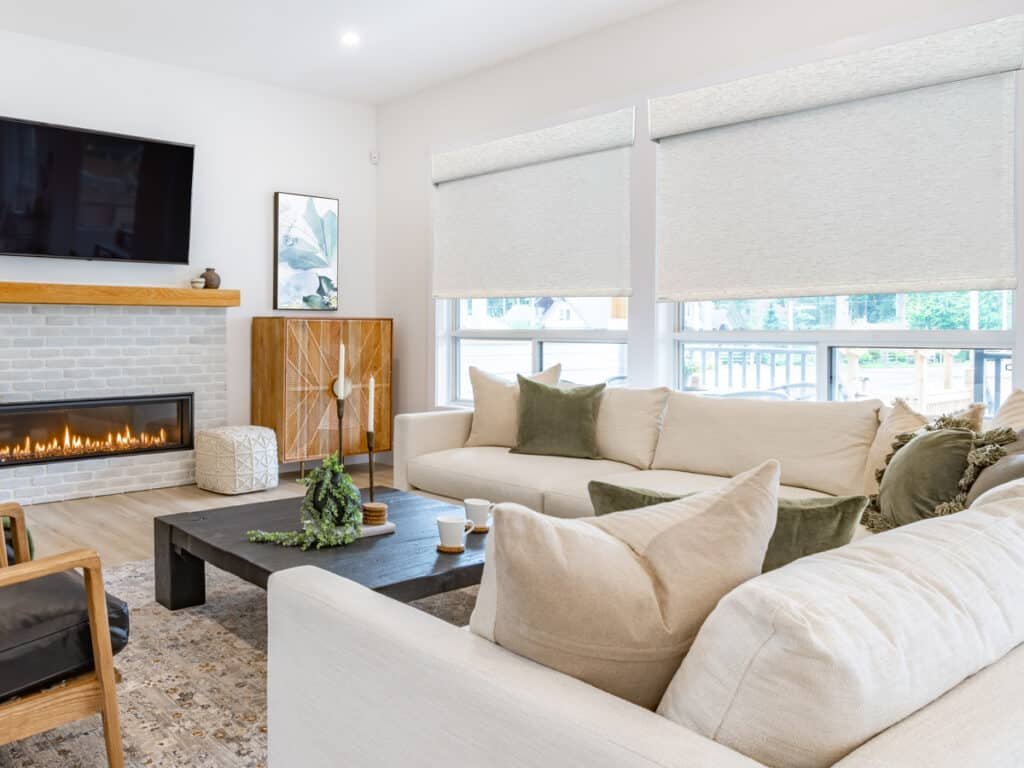
Textured weaves can add softness without losing the modern roller look.
For design pairing ideas, see window shades color guide.
If the window is in a media room, blackout plus better edge control matters.
See best shades media room home theater.
Measuring a picture window (so wide shades fit the first time)
Large windows amplify small measuring errors.
Top, middle, bottom—use the smallest for inside mount.
Left, center, right—use the largest for full coverage.
If your window is extremely wide, plan the split location so it aligns with mullions or visual center.
For the full measuring workflow, use how to measure windows for roller shades.
If you’d like us to sanity-check sizes, contact World Wide Shades at (844) 674-2716 or via /contact.
Installation and long-term performance tips
Wide shades highlight any tilt. Use a level and pre-drill carefully.
For very wide shades, stronger brackets and a sturdier tube help prevent “telescoping” (fabric drifting to one side).
Wide shades show dust more easily.
For cleaning best practices, see how to clean roller shades.
Why homeowners use World Wide Shades for picture window projects
Picture windows are where custom sizing and fabric choice really pay off.
A practical ordering path:
- Choose the performance goal (view, privacy, UV, or blackout).
- Order World Wide Shades swatches to confirm openness and color.
- Build the shade in the World Wide Shades online builder.
- If you’re deciding between one wide shade vs two, call (844) 674-2716 or reach us at /contact.
World Wide Shades can help you keep the view while making the room more comfortable.
Energy efficiency: what picture windows really cost you
Picture windows are beautiful, but they’re also the single biggest source of heat gain and heat loss in most homes. According to U.S. Department of Energy estimates, windows account for roughly 25–30% of residential heating and cooling energy use — and a large picture window can magnify that.
- Solar shades (3–5% openness) can block 70–85% of incoming solar heat while preserving the view. South- and west-facing picture windows benefit most.
- Cellular-backed roller shades or honeycomb layers add an insulating air pocket that improves winter performance.
- Blackout fabrics with side channels create the tightest seal, reducing both summer heat gain and winter conduction loss.
If energy savings are part of the decision, our energy efficient window shades guide and thermal insulated roller shades guide walk through fabric ratings. World Wide Shades can recommend the right combination for your climate — call (844) 674-2716 or use /contact.
Picture window shade ideas by room
Glare on a flat-screen kills movie nights. A 3% solar shade with a charcoal or graphite fabric absorbs incoming light rather than scattering it, which dramatically reduces TV glare while keeping the view. For homes with a south-facing picture window aimed at the TV, this is the most-requested World Wide Shades configuration.
When a picture window sits in a 20-foot great room, scale matters. Use a continuous fabric pattern across all windows for visual unity, or break up the space with a wider 5% solar shade in the picture window and matching light filtering shades on flanking double-hungs.
If the picture window faces west, late-afternoon sun can make dinner uncomfortable. A motorized shade on a schedule (lowering automatically at 4 p.m. in summer) solves the problem without anyone touching a remote. World Wide Shades supports automation via Alexa, Google Home, and HomeKit.
A picture window in a bedroom is gorgeous — until 6 a.m. sun rolls in. Layer a daytime solar shade with a blackout shade in a dual roller setup. See dual roller shades day night for how the layering works.
How wide can a single roller shade really go?
Most roller shade fabrics are available in maximum widths of 96–120 inches (8–10 feet). A few specialty fabrics extend to 144 inches (12 feet). Beyond that, you’re almost always splitting into multiple shades.
Practical guidance from World Wide Shades:
- Under 72 inches wide: single shade is best.
- 72–96 inches wide: single shade works for most fabrics; confirm fabric width availability.
- 96–120 inches wide: single shade possible with select fabrics, but two shades may track better.
- Over 120 inches wide: plan for two or three shades, ideally split at mullions or visual center.
The one-shade-vs-multiple decision affects both look and function. Talk to World Wide Shades at (844) 674-2716 for a project-specific recommendation.
FAQs: picture window shades
Solar roller shades are usually the best choice because they reduce glare and UV while remaining see-through, especially at 3% or 5% openness.
Not always. One wide shade looks seamless, but two narrower shades can track straighter and may be easier to operate on very wide openings.
Yes. Motorization is often recommended for large picture windows because it improves daily operation and helps wide fabric roll evenly.
Use outside mount overlap, consider side channels, or layer with drapery panels depending on how dark you need the room.
Solar fabrics can reduce UV exposure significantly, which helps slow fading of floors, upholstery, and artwork.
Use the World Wide Shades online builder. If you want help planning wide-shade layout, call (844) 674-2716 or message /contact.