Home Assistant shade geofencing can close motorized shades when the last person leaves, reopen selected rooms when someone arrives, or switch a house into a privacy scene based on location. It is more useful than a simple timer because the automation follows occupancy. It also needs careful boundaries: a phone can be late, a guest can be home, and a shade should not close on an open door, pet area, or dark room without a manual override.
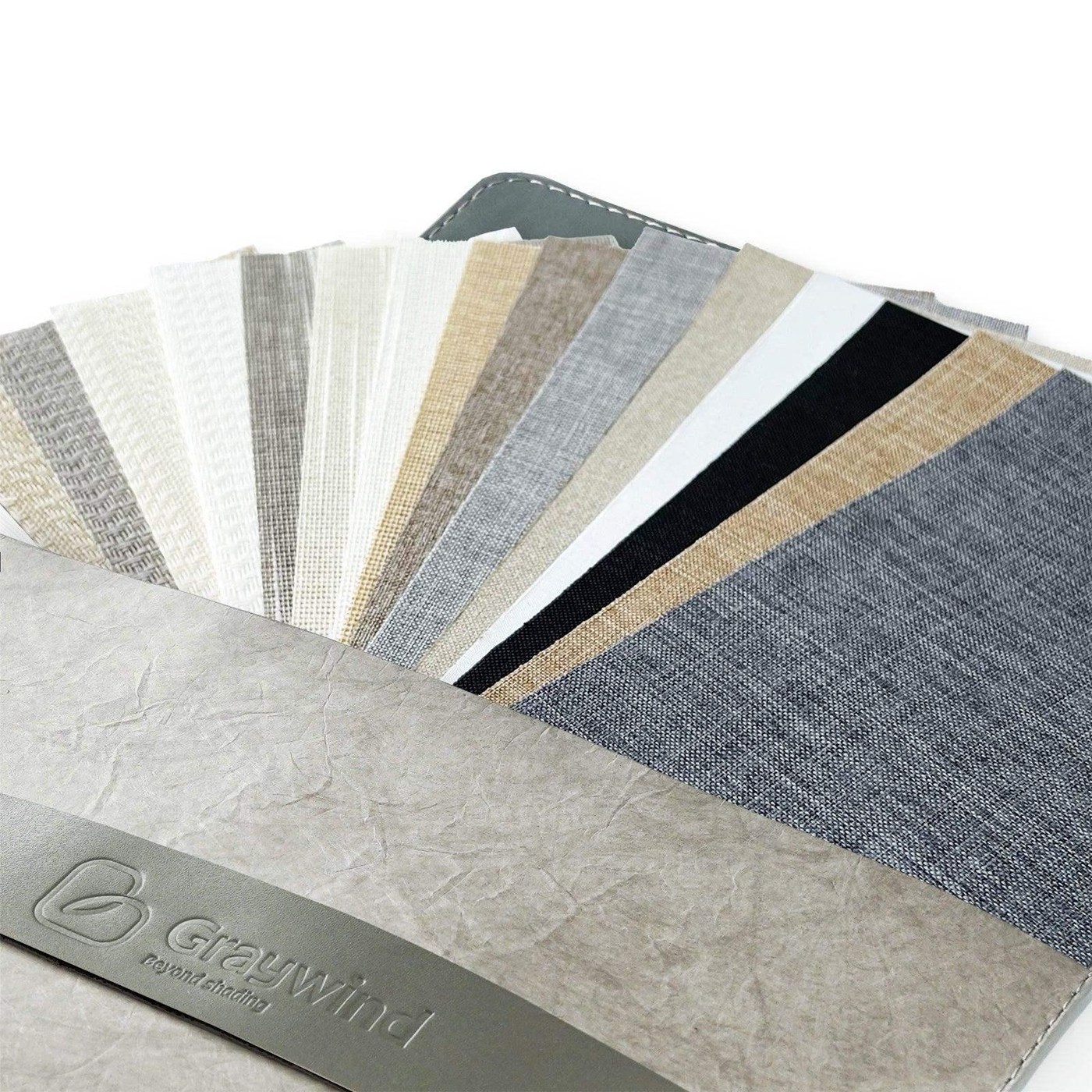
The shade hardware comes first. World Wide Shades can match a motor, fabric, and control bridge to your windows before you build automations. Start a World Wide Shades configuration, compare fabric swatches, or contact World Wide Shades about battery, wired, and local-control options. Call (844) 674-2716 if you are planning geofencing for high windows or a whole home.
What geofencing actually detects
Home Assistant uses a zone and one or more device trackers to decide whether a person is home, away, or in another place. The official Home Assistant zone documentation explains that zones are geographic areas with a name and radius. The tracker can be a phone app, router presence, or another supported source. A shade automation should react to the person entity or a deliberately chosen group, not to one unreliable ping.
Create at least two zones: Home for the property and Work or another frequent destination if you want different behavior. A home radius of roughly 100 to 200 feet may work for a detached property, but the correct value depends on lot size, GPS accuracy, and whether a driveway or nearby road should count as home. Test the zone from the street before you let a privacy automation control every room.
Geofencing is not a security alarm. It is a convenience signal that can be delayed by battery-saving settings, poor cell service, or a phone left behind. Keep wall controls, remotes, or a dashboard available. Read Home Assistant’s cover integration documentation for the services your shade entity exposes.
Build the automation in layers
Pair one shade, set its upper and lower limits, and verify open, close, stop, and position commands from Home Assistant. A cover entity may represent 0% and 100% in a direction that differs from your mental model, so confirm what “closed” means in your installation. Watch the fabric for rubbing and listen for abnormal motor noise.
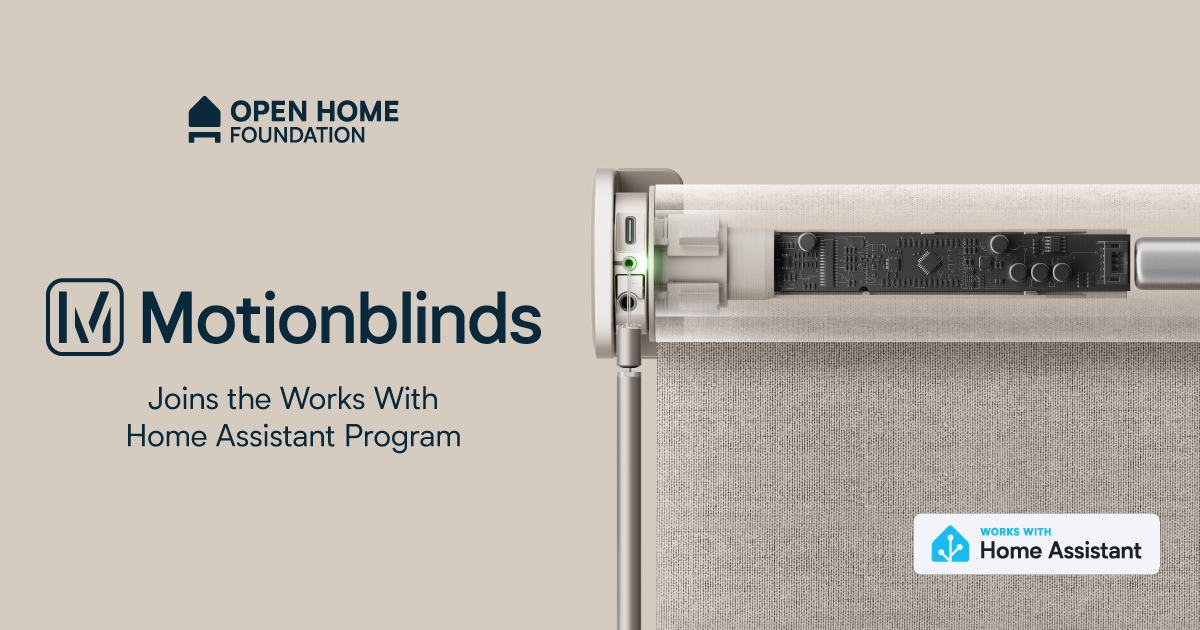
World Wide Shades can help specify a motor that works with your preferred bridge or protocol. Do not buy a hub first and hope every motor will appear as a usable cover. Ask World Wide Shades about compatibility when local control, battery status, or position feedback matters.
For a privacy-away scene, close shades only when all intended occupants are away. A simple rule is “when the last household member leaves Home,” not “when my phone leaves Home.” If you have a cleaner, sitter, guest, or dog walker, decide whether they should count as present or whether only selected rooms should close.
A practical group might include two adults’ person entities and use a 2- to 5-minute delay before closing. The delay filters out a quick GPS bounce at the edge of the zone. The Home Assistant person integration explains how person state combines trackers; use it to diagnose why a person remains home or changes state unexpectedly.
Do not close every shade every time the last phone leaves. Add conditions such as:
- Only run between sunrise and sunset, unless the goal is nighttime privacy.
- Skip a room when a door or window contact is open.
- Skip a nursery, pet area, or plant window when its special condition is active.
- Avoid closing during a maintenance mode or while a guest scene is selected.
- Require the shade to be available and not already moving.
For a south- or west-facing room, geofencing can be paired with sun position or indoor temperature. The energy-efficient window shades guide covers fabric and mounting choices that help manage heat while the automation handles timing. The best shades for south-facing windows guide explains why orientation changes the fabric decision. A 5-minute delay may be acceptable for privacy but too slow for a room receiving harsh afternoon glare; use separate logic by elevation.
A useful leave-home pattern
Start with a small group such as living room and street-facing bedroom shades. When the last person leaves Home, wait 3 minutes, confirm the house is not in Guest mode, then close those shades. Leave bathroom or kitchen behavior separate if privacy needs differ. Send a notification that says which scene ran, but do not rely on the notification as the control itself.
If a shade reports a position, use a close command and then verify the state after 30 to 60 seconds. If it reports only a command, add a conservative timeout and let the user see an error. A motor that is offline should not cause the entire automation to fail silently. World Wide Shades can help you choose a control path with a physical fallback for important rooms.
Configure shades for a privacy scene or contact World Wide Shades if you want the same automation across windows with different sizes and fabrics.
A useful arrival pattern
Arrival automations deserve more restraint than leave-home automations. Opening a bedroom shade at 7:00 a.m. may be welcome; opening every street-facing shade the moment a phone enters the driveway may expose the home. Create arrival rules by room and time:
- Let the person enter the Home zone.
- Confirm the time is within the chosen daylight window.
- Confirm a privacy or sleep scene is not active.
- Open only selected living areas to a comfortable percentage.
- Keep bedrooms or street-facing rooms closed unless someone requests them.
Use a 50% position for a soft arrival scene instead of full open when glare is likely. With dual shades, open the light-filtering layer and keep the blackout layer closed until the room is occupied. See smart home motorized shade setup and light-filtering shades for the hardware and fabric decisions behind this pattern.
Geofencing failure modes to plan for
A phone can jump across a small zone radius when GPS accuracy changes. Increase the radius modestly, add a delay, or require a second condition such as home Wi-Fi absence. Do not solve false triggers by making the zone so large that a nearby shopping trip counts as home.
A device tracker can say “home” even when the person is away. A person entity with multiple trackers is usually more dependable than one phone, but it still needs testing. Include a manual Away scene for travel, and keep the automation from claiming the home is secure merely because shades closed.
Local automations cannot run while the controller is off. Choose motors that retain remote or wall-switch control, and decide what the shade should do after power returns. The motorized shades with Alexa and Google Home guide is useful when you want a second control route, but avoid adding cloud dependencies without understanding them.
Some integrations report only a command or estimated position. Calibrate limits at the motor, then test a 25%, 50%, and 75% position if supported. If the shade stops short, treat it as a motor or fabric setup issue rather than compensating with random delays.
Privacy and data choices
Location data is sensitive. Use the smallest zone and the fewest trackers that reliably support the scene. Keep geofencing local when your hardware and Home Assistant setup allow it, document who can edit the automation, and avoid broadcasting exact presence to unnecessary dashboards. A shade routine should make a home more comfortable without exposing a family’s schedule.
World Wide Shades can help you separate the fabric goal from the automation goal. A privacy fabric, a blackout layer, and a solar screen behave differently even when the same geofence closes them. Order swatches, design the room, or send requirements to World Wide Shades before you automate five different exposures with one rule.
If a geofence must work across a large home or high windows, call (844) 674-2716 or contact World Wide Shades before finalizing the motor and bridge.
Frequently asked questions
Yes, if Home Assistant has reliable person or device-tracker states and the shades appear as controllable cover entities. Use a last-person-away condition, a short delay, and a manual override before expanding beyond one test room.
A starting range of about 100 to 200 feet can work for many detached homes, but GPS accuracy, lot size, and nearby roads matter. Test the boundary and adjust it so a driveway arrival does not repeatedly trigger away behavior.
It depends on the tracker, hub, and motor protocol. Local shade commands may continue on the local network, while phone location updates or remote access may not. Keep a remote or wall control and test the actual outage behavior.
Usually no. Open selected living spaces during appropriate daylight hours and keep bedrooms or street-facing windows closed until requested. Privacy and glare conditions are different from room to room.
Yes, but account for battery level, radio range, and command frequency. Geofencing may add only a few commands per day, yet a weak battery or unreachable bridge will still cause missed movement; choose and test the motor system as a whole.
Start with one dependable scene
Good Home Assistant shade geofencing is predictable, reversible, and specific to the people and rooms it serves. World Wide Shades can help you specify the fabric, motor, and mount before you write the automation. Build your system or contact World Wide Shades to plan the first room.