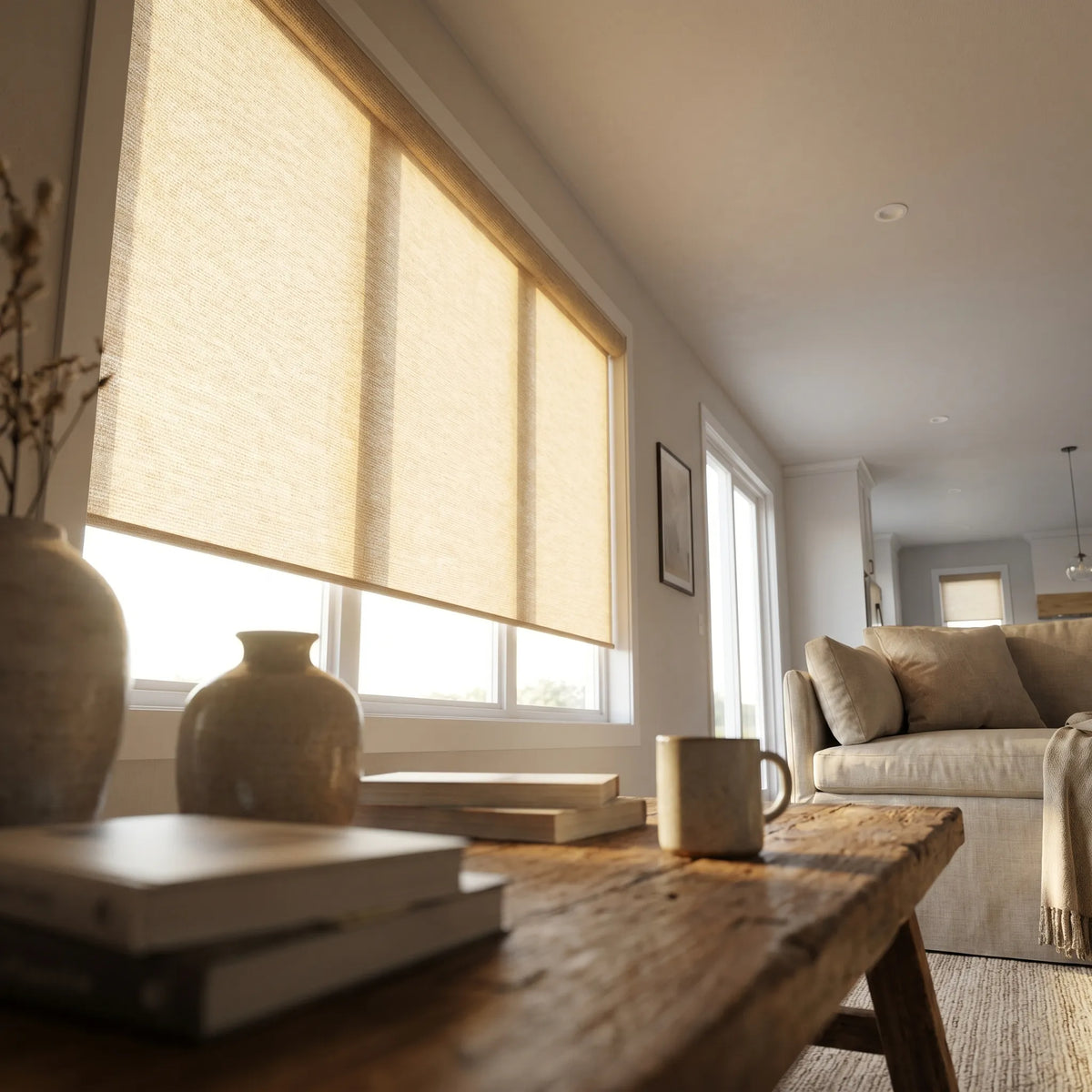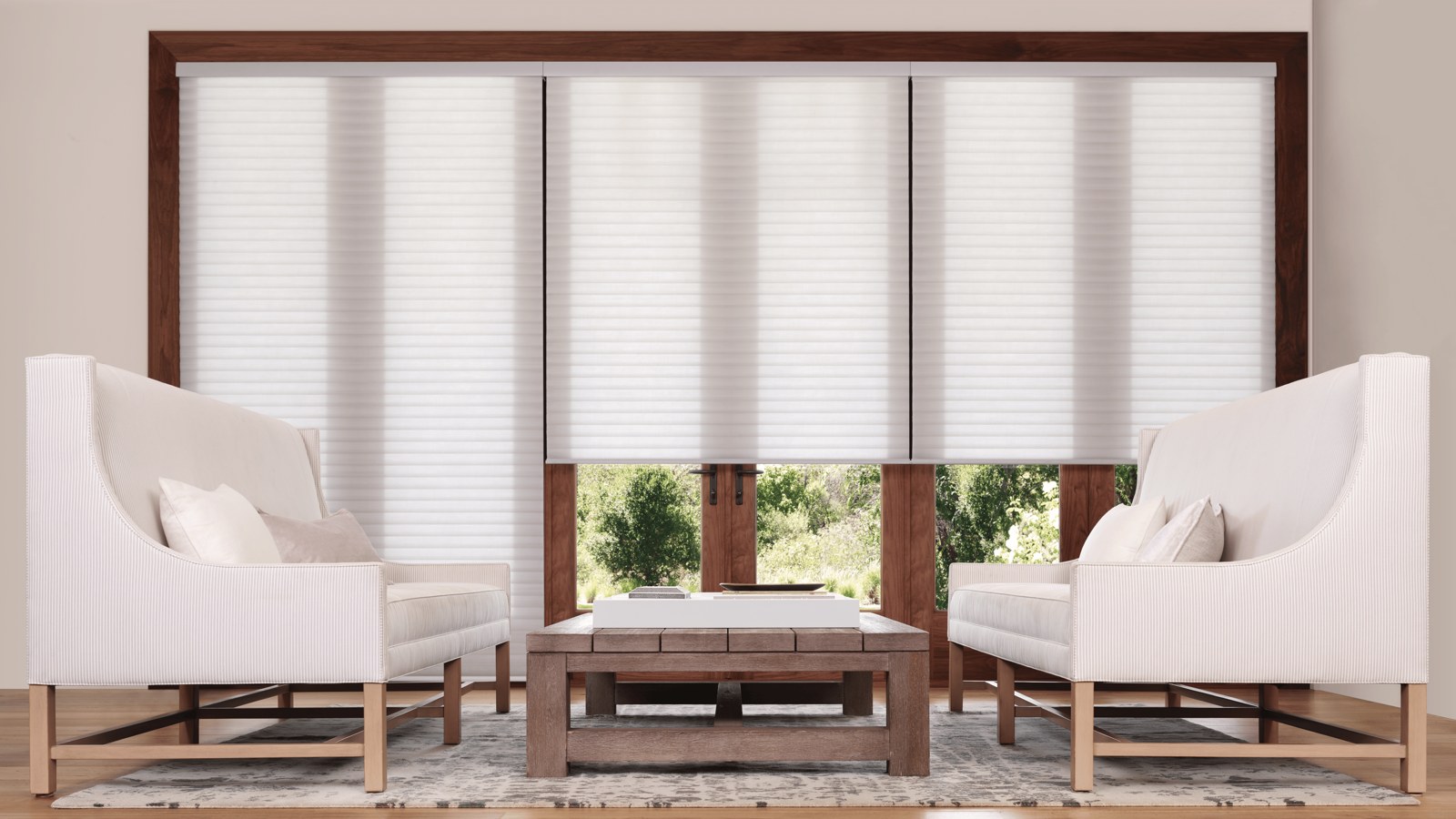
If you’ve ever stood next to a window on a cold night and felt a chill, you already understand why “thermal” window treatments are so popular. Windows are beautiful, but they’re also one of the biggest comfort trouble spots in a home. Thermal insulated roller shades are designed to reduce that discomfort by slowing heat transfer, blocking drafts, and improving temperature stability—often with a clean, modern look.
Do they really save energy? They can, especially when you choose the right fabric, mount style, and side gaps. This guide explains what thermal insulated roller shades do, when they help the most, and how to choose a setup that pays off.
If you want to see the best insulating materials for your climate and style, start with the World Wide Shades builder or order free samples from swatches.
What “thermal insulated” really means for roller shades
Thermal insulation isn’t one single feature. It’s a combination of design choices that reduce heat movement through the window area.
- Thicker fabrics or foam-backed materials that slow heat transfer.
- Reflective or light-colored backings to reduce solar heat gain in warm seasons.
- Blackout-style constructions that tend to be more substantial than sheer fabrics.
- Tighter fit (especially with outside mounts) to reduce air leakage around the edges.
The takeaway: thermal performance is not just about “buying an insulated shade.” It’s about choosing a complete system.
If you want a quick recommendation based on your room and sun exposure, World Wide Shades can help via contact.
How roller shades can help with energy savings
A window loses or gains heat in a few main ways. Understanding them helps you choose the right shade.
- Conduction: Heat moves through the glass and frame.
- Air movement: Warm indoor air meets a cold window surface, cools, and circulates downward.
A more insulating shade creates a warmer “interior surface,” which can improve comfort and reduce how often your HVAC needs to run.
Sunlight adds heat quickly, especially through large windows. Fabrics with reflective backings or lower openness factors reduce that heat gain.
For a deeper look at sun control, read uv-protection-window-shades and energy-efficient-window-shades.
Thermal shades vs blackout shades vs solar shades
People often mix these up. Here’s the practical difference.
Blackout is about blocking light. Many blackout fabrics are also better at insulation because they’re thicker or coated, but “blackout” doesn’t automatically mean “best insulation.” For more, see blackout-curtains-vs-blackout-shades.
Solar shades reduce glare and heat gain while preserving some view, depending on openness. They can help with cooling loads in sunny rooms, but they’re typically not as insulating at night as thicker fabrics. Compare options in solar-shades-vs-roller-shades.
Thermal-focused roller shades are about comfort and reducing heat transfer, especially in winter or in rooms with temperature swings.
If you’re not sure what category fits your home, build a few options in the World Wide Shades builder and compare light control and pricing side by side.
What to look for when buying thermal insulated roller shades
There’s no single “best” product for every window. Use this checklist to choose correctly.
Look for fabrics described as insulated, foam-backed, or blackout with thermal properties. If you’re ordering samples, feel the thickness and check whether the back has a special coating.
Want to compare in person? Order free World Wide Shades swatches so you can see color accuracy and fabric weight.
A tight fit matters. In general:
- Inside mount looks built-in, but it can leave more side gaps.
- Outside mount can overlap the window opening and reduce edge leakage.
If energy savings is a priority, outside mount is often the stronger choice, especially for older windows. Learn the pros and cons in inside-mount-vs-outside-mount-shades.
Even a great insulating fabric can underperform if there’s a lot of space between the shade and the window frame. Accurate measuring helps minimize gaps.
Before ordering, use how-to-measure-windows-for-roller-shades and then plug your measurements into the World Wide Shades builder.
- Lighter colors typically reflect more sunlight and can help in hot, sunny rooms.
- Darker colors can absorb heat, which may or may not be desirable depending on season and climate.
For choosing a shade color that matches your room and sun exposure, see window-shades-color-guide.
The best energy strategy is the one you actually use every day. Motorized shades make it easy to lower shades during peak sun and raise them when you want daylight.
If you like smart home routines, read motorized-shades-alexa-google-home and smart-home-motorized-shades-setup.
Where thermal insulated roller shades make the biggest difference
Thermal shades are most noticeable in rooms with big temperature swings.
These rooms often feel chilly because they don’t get much solar warming. A more insulating shade can make the space feel more comfortable near the window.
Thermal performance in sunny rooms is often about reducing heat gain and glare. If you’re dealing with intense sun, also read best-shades-south-facing-windows.
Bedrooms benefit from both comfort and light control. If you’re optimizing sleep, see best-window-shades-bedroom.
If your windows are drafty, outside-mounted thermal roller shades can help reduce the “cold wall” feeling near glass.
If you want help choosing a solution for older windows, call World Wide Shades at (844) 674-2716 or use contact.
Practical energy tips: how to use thermal roller shades day to day
Thermal shades work best when you treat them like part of your comfort routine.
- Open shades on sunny windows during the day to let in passive warmth.
- Close shades at dusk to reduce heat loss and drafts.
- Close shades during peak sun on hot exposures.
- Open when outside temps drop if you want more daylight without heat.
If you want a setup that’s easy to follow, motorized options from World Wide Shades can automate these habits. Start with the builder and ask about smart controls through contact.
Are thermal insulated roller shades worth it? Cost vs comfort
“Worth it” depends on your goals. Many homeowners buy thermal shades for comfort first, and energy savings second.
- You feel drafts or cold near windows in winter.
- You have large glass areas that overheat in summer.
- You want a clean look that still improves comfort.
- You prefer a window treatment that’s easier to operate than heavy drapes.
If you’re comparing custom to off-the-shelf options, read custom-roller-shades-vs-home-depot and how-much-do-custom-roller-shades-cost.
How to pick the right thermal shade in the World Wide Shades lineup
You don’t need to be an engineer to make a smart pick. Focus on these decisions.
- Maximum insulation
- Balanced light + insulation
- Glare control and daytime comfort
Outside mount often improves thermal performance by reducing edge gaps. Inside mount often wins on a “built-in” look.
Bathrooms and kitchens need moisture-friendly materials. Bedrooms may need blackout. Living rooms may want a softer light-filtering look.
If you’d like help narrowing it down, World Wide Shades can recommend a fabric and mount style—call (844) 674-2716 or message via contact.
FAQs
Some products list an R-value, but many don’t. In practice, your results depend on fabric thickness, backing, and how well the shade seals around the window opening.
Cellular shades are often very insulating because of their air pockets. But many homeowners choose roller shades for a cleaner look, easier operation, and modern style. Thermal roller fabrics can still improve comfort significantly when paired with a tight fit.
They can reduce the temperature difference between the room air and the window surface, which may help. But condensation depends on indoor humidity and window performance, too.
Blackout fabrics are often thicker and can improve comfort, but the best choice depends on whether you want light blocked 24/7. If you want daylight, a thermal light-filtering fabric may be a better fit.
Next step: build a thermal shade that fits your window perfectly
Thermal insulated roller shades can improve comfort, reduce glare, and help stabilize room temperature—especially when you choose a fabric that matches your climate and mount it to minimize gaps.
To get started, design your shade with the World Wide Shades builder, order free swatches to compare materials at home, or reach out through contact for personalized help choosing the best energy-saving setup.