Basement windows have a job that most other windows in the house don't: many of them are legally required egress points, meaning they must stay fully operable and unobstructed in an emergency, not just decorative glass. That single requirement changes almost everything about how you should approach roller shades in a basement — mount depth, hardware clearance, and even fabric choice all need to account for code compliance alongside the usual privacy and light-control goals. World Wide Shades works with a steady stream of basement remodels, from egress-window bedrooms to daylight-window rec rooms, and the projects that go smoothly are the ones where egress clearance gets checked before fabric gets ordered. This guide covers egress code basics, moisture-resistant fabric selection, mounting around window wells and casement cranks, and cost expectations for a typical basement shade project.
Understanding Egress Window Requirements Before You Shop
If a basement room is used as a bedroom, most building codes require at least one egress window that provides a clear, operable opening of a minimum size — commonly a net clear opening of 5.7 square feet, with a minimum height of 24 inches and minimum width of 20 inches, though local codes vary and always take precedence. The critical takeaway for shade shopping is that whatever hardware you mount cannot block that opening or interfere with quickly operating the window's release mechanism in an emergency.
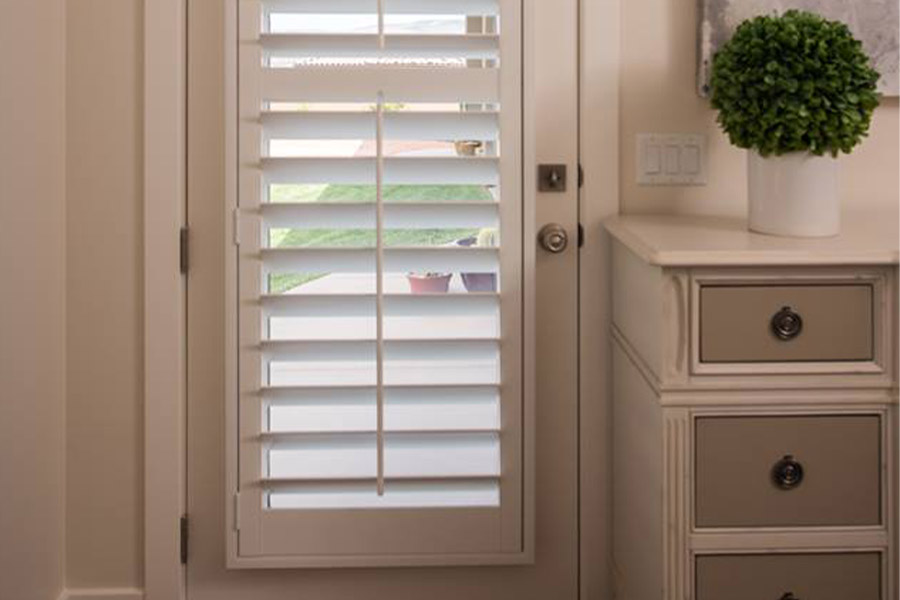
This rules out heavy stacked hardware, deep valances, or any bracket configuration that would need to be removed before the window can open fully. Inside-mount shades that clear the operable sash, or outside-mount shades positioned entirely above the window's swing radius, are typically the safest approach. Contact World Wide Shades with your window's egress specifications before ordering if there's any doubt about clearance, since getting this wrong isn't just an aesthetic problem — it can be a code violation in a bedroom.
Casement Cranks and Awning Hardware: Mounting Around Moving Parts
Many basement egress and daylight windows use casement or awning-style hardware with a crank mechanism rather than a standard double-hung sash, and that crank typically sits at the base of the window or along one side. Roller shade brackets need to clear the crank's full range of motion, not just its resting position, so measure with the window cranked fully open, not just closed, before finalizing bracket placement.
For casement windows, outside mount is usually simpler than inside mount because it avoids any interference with the crank hardware entirely, though it does require enough flat wall space above the window frame for brackets. If the basement has a low ceiling or the window sits close to the ceiling line, confirm mounting depth carefully — basements are one of the more common places where a bracket ends up too close to a joist or ductwork to seat properly. Order swatches from World Wide Shades and send photos of your casement hardware and available header space for a mounting recommendation before ordering.
Moisture and Fabric Choice for Below-Grade Rooms
Basements run more humid than the rest of the house on average, and below-grade windows are more prone to condensation, especially in window wells that trap ground moisture near the glass. Standard fabric roller shades handle typical basement humidity fine, but in rooms with a history of moisture issues, choosing a moisture-resistant, PVC-backed or vinyl-coated fabric reduces the risk of mildew developing on the shade itself over time compared to a natural fiber blend.
If the basement includes a bathroom or laundry area near the egress window, treat that window similarly to how you'd treat a bathroom window elsewhere in the house — our guide on roller shades for kitchen and bathroom covers moisture-resistant fabric options that translate directly to a damp basement environment. Design your basement window shades in the World Wide Shades builder and filter for moisture-resistant fabric options if your basement runs humid.
Window Wells and Daylight Windows: Privacy Without Losing Light
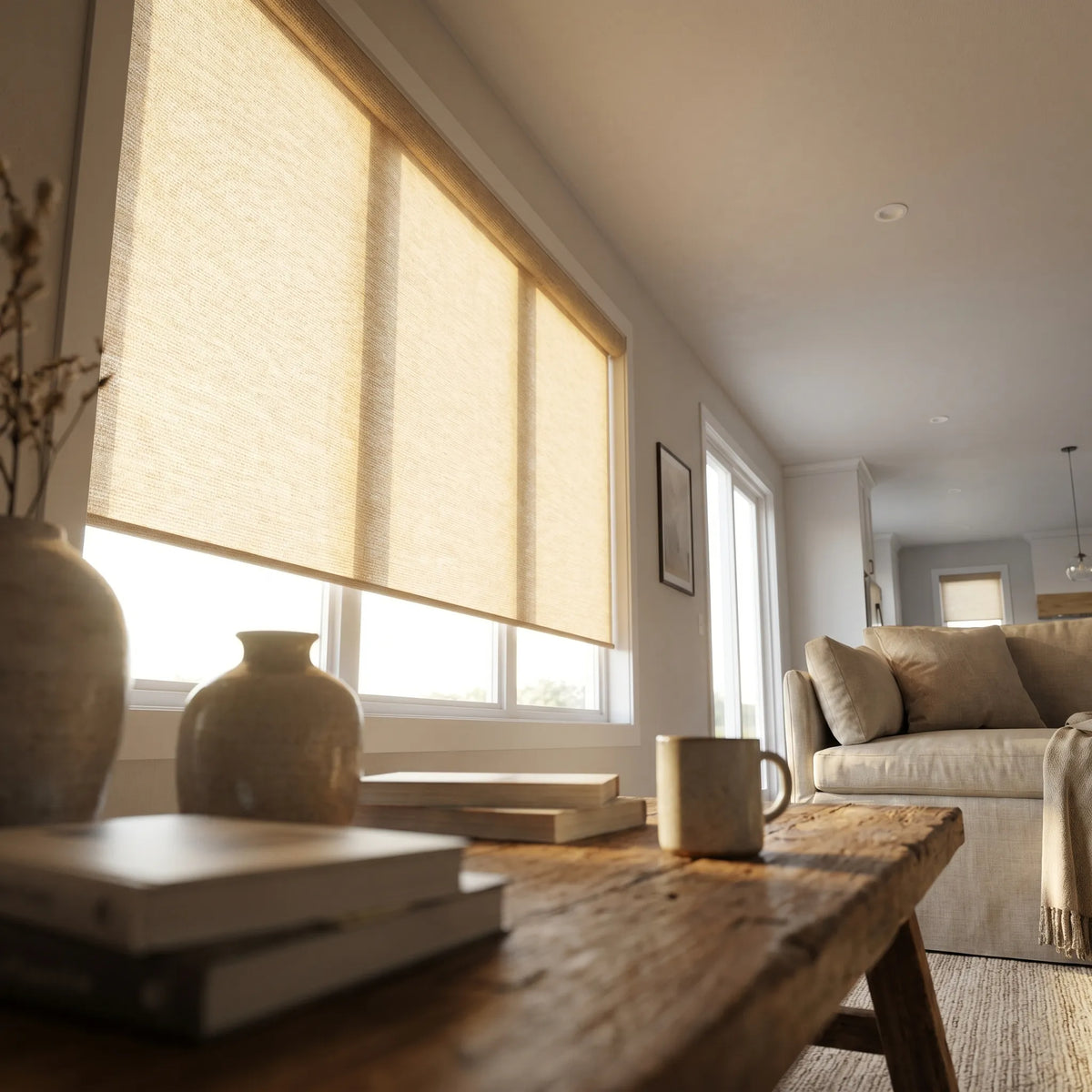
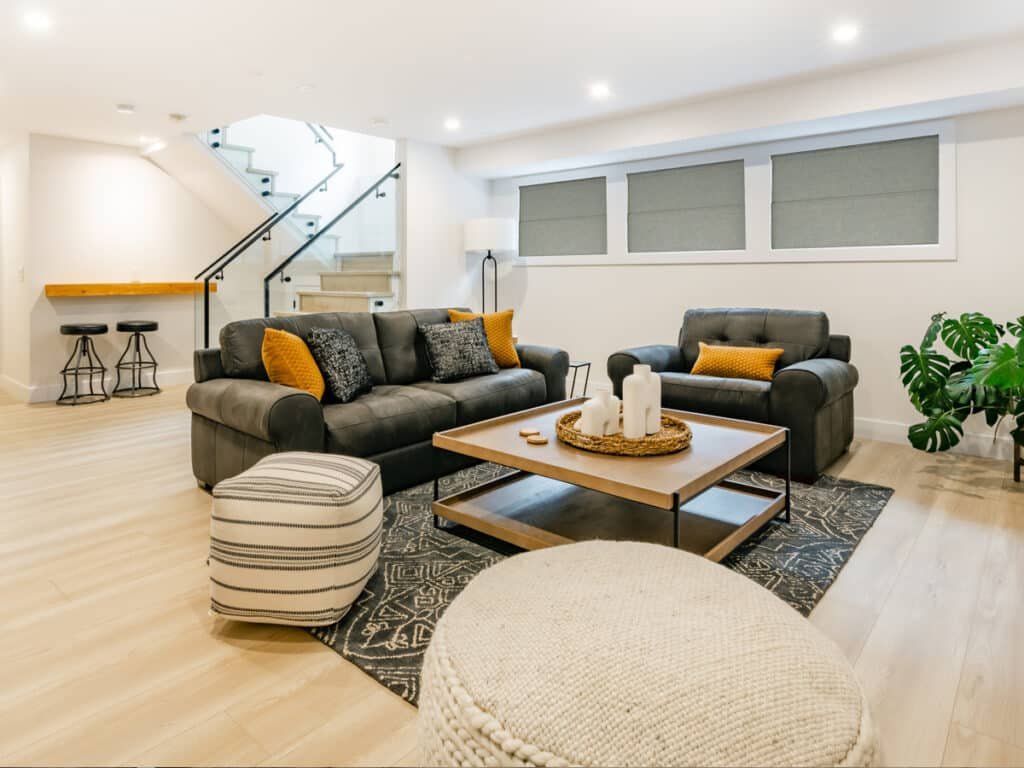
Below-grade egress windows often sit at or near ground level with a window well outside, and passersby at ground level can sometimes see directly into the basement room depending on well depth and window height. A light-filtering fabric in the 5 to 10 percent openness range provides meaningful privacy during the day while still letting in the daylight that makes a below-grade room feel less like a basement, which is especially important in egress bedrooms where natural light is often already limited.
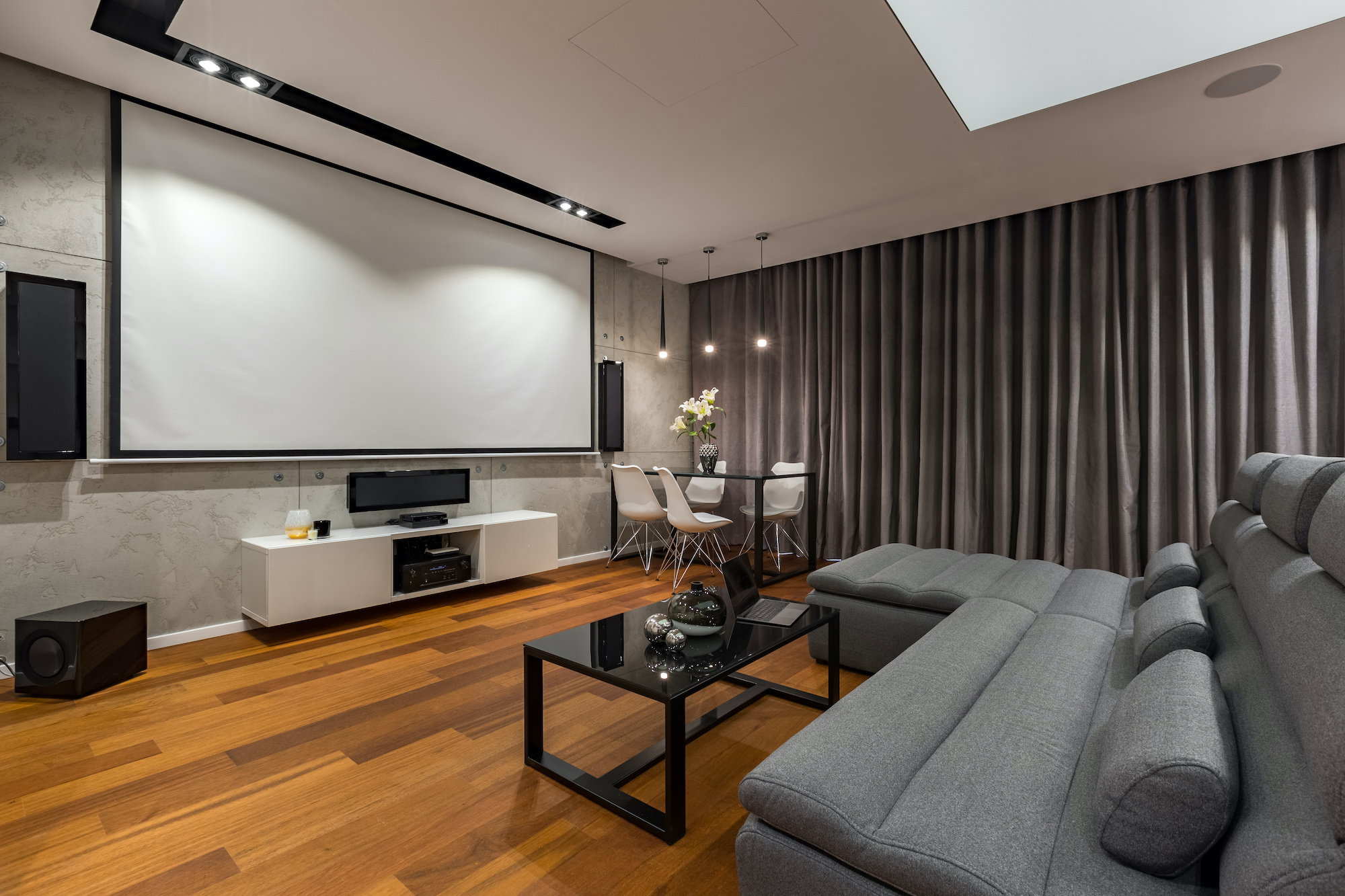
For basement daylight windows — the larger, higher-set windows common in walkout or partially above-grade basements — treat them more like a standard living-area window, since they typically bring in more usable light and face less of a street-level privacy concern. A blackout fabric is worth considering in a basement media room or guest bedroom specifically because below-grade rooms often already run darker, and full blackout capability lets you control that darkness intentionally rather than fighting persistent dim daylight. Compare filtering levels in our light filtering shades guide before choosing fabric.
Cold Bridging and Energy Performance in Basement Windows
Basement windows, especially older egress windows without high-performance glass, are common sources of drafts and heat loss since they sit below grade where ground temperature and indoor temperature diverge more sharply in winter. A cellular or insulating shade fabric adds a meaningful layer of thermal resistance directly at the glass, which matters more in a basement than in an upper-floor room simply because basement HVAC zones are often less balanced to begin with. Our guide on energy-efficient window shades covers R-value improvements from cellular construction that apply directly to a below-grade window. Talk to World Wide Shades about insulating fabric options or call (844) 674-2716 if winter drafts around a basement egress window are a concern.
Motorizing Hard-to-Reach Basement Windows
Egress windows are sometimes mounted higher on a basement wall than a typical window, or positioned behind furniture in a finished rec room, both of which make a manual chain or wand awkward to reach consistently. A battery or plug-in motorized shade solves the reach problem and also makes it easier to comply with egress clearance, since there's no dangling cord or wand that could interfere with quickly opening the window in an emergency. If your basement is part of a broader smart-home setup, our guide on roller shades with Apple HomeKit and Siri Shortcuts covers grouping basement windows into the same automation scenes as the rest of the house.
What Basement Egress Window Shades Typically Cost
Costs depend on fabric tier and whether motorization makes sense for your specific window placement. A standard egress window with mid-range light-filtering fabric on a manual cordless system typically runs $70 to $150 per window, while moisture-resistant or PVC-backed fabric adds roughly 10 to 15 percent to that base cost. Cellular insulating shades for energy performance run somewhat higher, typically $100 to $220 per window depending on cell depth. Motorization for a hard-to-reach basement window adds $150 to $300 per window including a battery-powered motor. For a wider comparison across fabric tiers and room types, see how much do custom roller shades cost.
Getting Basement Windows Right with World Wide Shades
Basement egress and daylight windows need a slightly different checklist than the rest of the house — code clearance first, moisture resistance second, and privacy and light control after that — and World Wide Shades walks through all three with every basement remodel project. Start your basement window project in the World Wide Shades builder to compare moisture-resistant and insulating fabric options sized to your exact egress or daylight window, or call World Wide Shades at (844) 674-2716 for a clearance check if you're at all unsure whether your planned hardware will interfere with the window's emergency operation.
Frequently Asked Questions
It can if the bracket, headrail, or fabric stack blocks the window's clear opening or interferes with the release mechanism, so measure with the window fully open and confirm clearance before ordering; when in doubt, contact World Wide Shades for a review.
Standard fabric is fine in most finished basements, but rooms with a history of moisture or condensation benefit from a moisture-resistant, PVC-backed fabric that resists mildew better than natural fiber blends.
Measure with the window cranked fully open, not just closed, and position brackets to clear the crank's entire range of motion; outside mount is usually simpler than inside mount for casement and awning hardware.
It depends on window well depth and ground-level sightlines, but a light-filtering fabric in the 5 to 10 percent openness range provides meaningful daytime privacy while still allowing natural light into the room.
Often yes, since below-grade windows sit closer to ground temperature extremes; a cellular insulating fabric adds thermal resistance directly at the glass and can measurably reduce drafts in a finished basement.
Motorization is worth considering if the window is mounted higher on the wall or positioned behind furniture, and it also removes any dangling cord or wand that could otherwise interfere with emergency egress operation.