Why fabric-specific care matters (and what damages shades fastest)
Roller shade fabric is engineered: coatings, weave density, and UV treatments are chosen to hit targets like glare control, privacy, and longevity. The wrong cleaner can strip coatings, cause edge curling, or leave permanent tide marks.
World Wide Shades customers often ask which cleaning method is safest before they touch a new shade. If you want help identifying your fabric or choosing a wipeable upgrade, call World Wide Shades at (844) 674-2716 or start with the custom shade builder.
The biggest damage drivers we see are:
- Oversaturating the fabric (water spots, mildew, glue-line failures)
- Abrasive scrubbing (fuzzing the weave, creating shiny patches)
- Strong solvents (softening vinyl or loosening lamination)
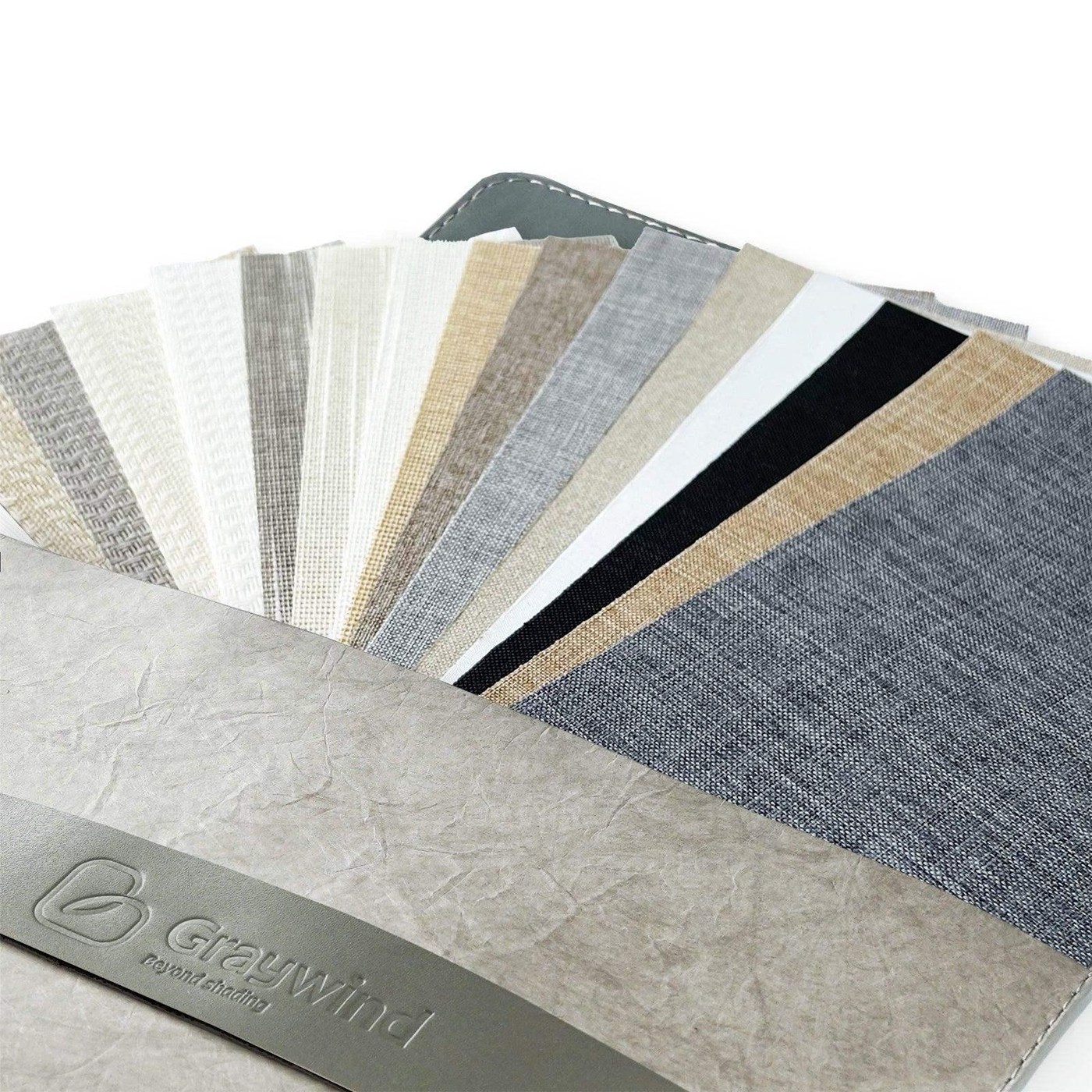
If you’re unsure what you have, World Wide Shades can help you identify the fabric and recommend the safest method. Start with free swatches to match your material, or message photos through contact.
The universal rules for cleaning any roller shade
Before you get into material-specific steps, follow these rules for almost every roller shade:
Dry dusting prevents mud-like streaks.
- Use a microfiber cloth or a soft brush attachment on a vacuum.
- Work top to bottom.
Even “gentle” soaps can react with some coatings. Test behind the bottom hem or near the edge.
Water can wick upward into the roll and stay trapped. That’s how mildew and odor start.
Think “damp cloth,” not “wet shade.”
If you’re choosing between shade styles and want the simplest long-term maintenance, compare with roller shades vs pleated shades which fits your home.
Polyester roller shade fabric: the safest and most common
Polyester is popular because it’s stable, affordable, and takes coatings well. Many light-filtering and blackout roller fabrics are polyester-based.
- Lower the shade fully.
- Vacuum lightly with a brush attachment.
- Mix a small bowl of lukewarm water with a few drops of mild dish soap.
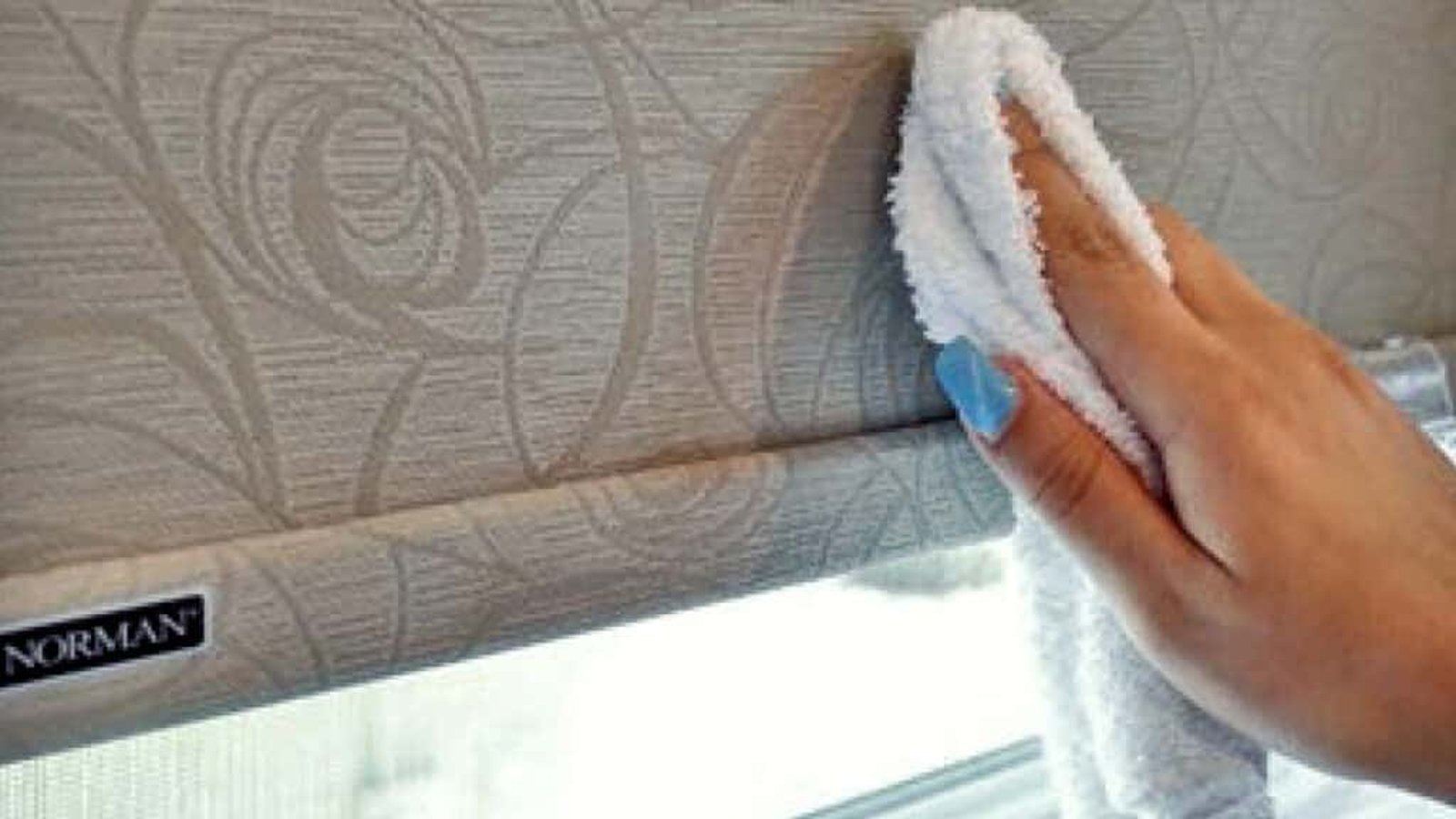
- Dampen a microfiber cloth, wring it out hard, then wipe in one direction.
- Rinse the cloth, wipe again with plain water.
- Let it air dry fully before rolling up.
- Bleach (can discolor)
- Magic-eraser style abrasives (can create shiny spots)
- High heat (hair dryers can warp or curl edges)
Want a clean look with fewer visual seams? Consider a cassette; compare finishes in roller shades with cassette headrail vs exposed tube.
Vinyl / PVC-coated roller shades: great for kitchens, but don’t use solvents
Vinyl-coated fabrics handle humidity and splashes well, which is why they’re common in kitchens and baths. But they can be damaged by harsh degreasers or alcohol-heavy cleaners.
- Dust first.
- Use a damp cloth with mild soap.
- For grease, use a slightly stronger dilution (still mild soap), and do two light passes instead of one aggressive scrub.
- Wipe with clean water to remove residue.
- Dry with a towel, then air dry.
- Alcohol and acetone (can soften and dull)
- Citrus solvents (can break down coatings)
- Abrasive pads
If you’re outfitting kitchens and baths, this overview helps: roller shades kitchen bathroom.
Linen-look and natural-texture roller fabrics: treat them like upholstery
Many “linen” roller shades are either linen blends or polyester woven to look like linen. Either way, textured weaves are more likely to hold dust and show water marks.
- Vacuum with a soft brush, especially along the weave.
- Spot-clean only when needed.
- Use distilled water + a tiny amount of mild soap.
- Blot—don’t rub—to avoid spreading the stain.
- Feather the edges outward so you don’t create a hard ring.
If you have a large stain or multiple panels, professional ultrasonic or shade-safe cleaning may be safer than repeated DIY attempts. World Wide Shades can advise whether replacement is a better value; start in the builder.
Solar screen fabrics (1%–10% openness): focus on dust + gentle wipe
Solar fabrics are engineered to manage glare and heat while preserving view. The “openness percentage” refers to how much open area is in the weave.
If you’re picking openness, use this guide: solar shade openness percentage.
- Vacuum with a brush attachment.
- Wipe lightly with a damp microfiber cloth.
- Avoid pressing dirt into the weave; multiple light passes work best.
Blackout roller fabrics: protect the backing
Many blackout fabrics have a white foam or acrylic backing. That backing is what blocks light, but it can scuff if scrubbed aggressively.
- Dust both sides gently.
- Spot-clean with minimal moisture.
- Avoid harsh brushing on the backing.
If your priority is sleep-level darkness, review room-darkening vs blackout roller shades difference and blackout curtains vs blackout shades.
Odors, mildew, and humidity: prevent the problem
Most shade “smell” problems come from trapped moisture.
- Let shades dry fully before rolling up.
- Run a bathroom fan for 20–30 minutes after showers.
- In humid climates, choose moisture-tolerant fabrics.
For humid coastal regions, you may also like window shades hurricane coastal.
How often should you clean roller shades?
A realistic schedule:
- Weekly: light dusting on high-use rooms
- Monthly: vacuum with brush attachment
- Quarterly: spot-clean as needed
If your shades live in a busy family room, see room-specific tips in best roller shades living room.
Shade care that improves longevity (beyond cleaning)
Cleaning is only one part of keeping shades looking new.
- Raise and lower evenly.
- Don’t yank the bottom rail.
- Keep the roll aligned.
If you’re installing new shades, correct bracket alignment matters; use how to install roller shades.
A tight, square mount reduces rubbing and edge wear. For trim-heavy windows, consider design options in roller shade valance options.
Material cheat sheet: what to do if you don’t know the fabric
If your shades were installed by a prior owner or came with the home, you may not know the material. Use these quick clues:
It’s often vinyl/PVC-coated. Prioritize gentle soap, minimal moisture, and no alcohol-based cleaners.
It’s often a polyester or linen-look woven. Vacuum first and avoid over-wetting to prevent water rings.
It’s likely a solar fabric. Vacuum regularly to keep dust from embedding in the weave.
World Wide Shades can help identify your fabric and recommend a safe method; order swatches to match your material or reach out via contact.
Stain removal: specific problems and what usually works
A barely damp microfiber cloth with mild soap is usually enough. Always finish with a clean-water wipe so soap residue doesn’t attract dirt.
Blot first. If the stain is sticky, use a second pass with diluted soap rather than scrubbing hard.
Choose vinyl/PVC-coated or other wipeable fabrics when you replace shades. For now, do multiple gentle passes; a single aggressive scrub is what damages coatings.
If you want replacement options that hold up to real kitchens, run your sizes through the builder and order swatches.
FAQ: Roller shade fabric care
It’s risky. Soaking can cause warping, water marks, and trapped moisture in the roll. Spot-clean instead unless the manufacturer explicitly approves soaking.
A small amount of mild dish soap in lukewarm water is usually the safest starting point, followed by a clean-water wipe.
Streaks usually come from wiping dusty fabric with too much water or leaving soap residue. Dust first, use minimal moisture, and do a final clean-water pass.
Vacuum with a brush attachment, then use a microfiber cloth. If you’re shopping for a pet-friendly fabric, see pet friendly window treatments.
Steam can loosen adhesives and deform coatings. Avoid steam unless the fabric manufacturer specifically recommends it.
Need help matching the right fabric (and keeping it looking new)?
World Wide Shades can recommend the most wipeable fabric for kitchens, the best solar openness for glare, or the right blackout option for bedrooms. Use the builder for quick pricing, order swatches, or call (844) 674-2716 through contact.