Quick answer: the best choice depends on your priorities
If you want the cleanest, most contemporary look and the easiest day-to-day maintenance, roller shades usually win. If you want a softer, layered look and better “trapped air” insulation in many installs, pleated shades can be the better fit.
Either way, the fastest way to avoid buyer’s remorse is to start with your goals (privacy, glare control, room-darkening, insulation, child safety, and long-term durability) and then match the shade construction to the room.
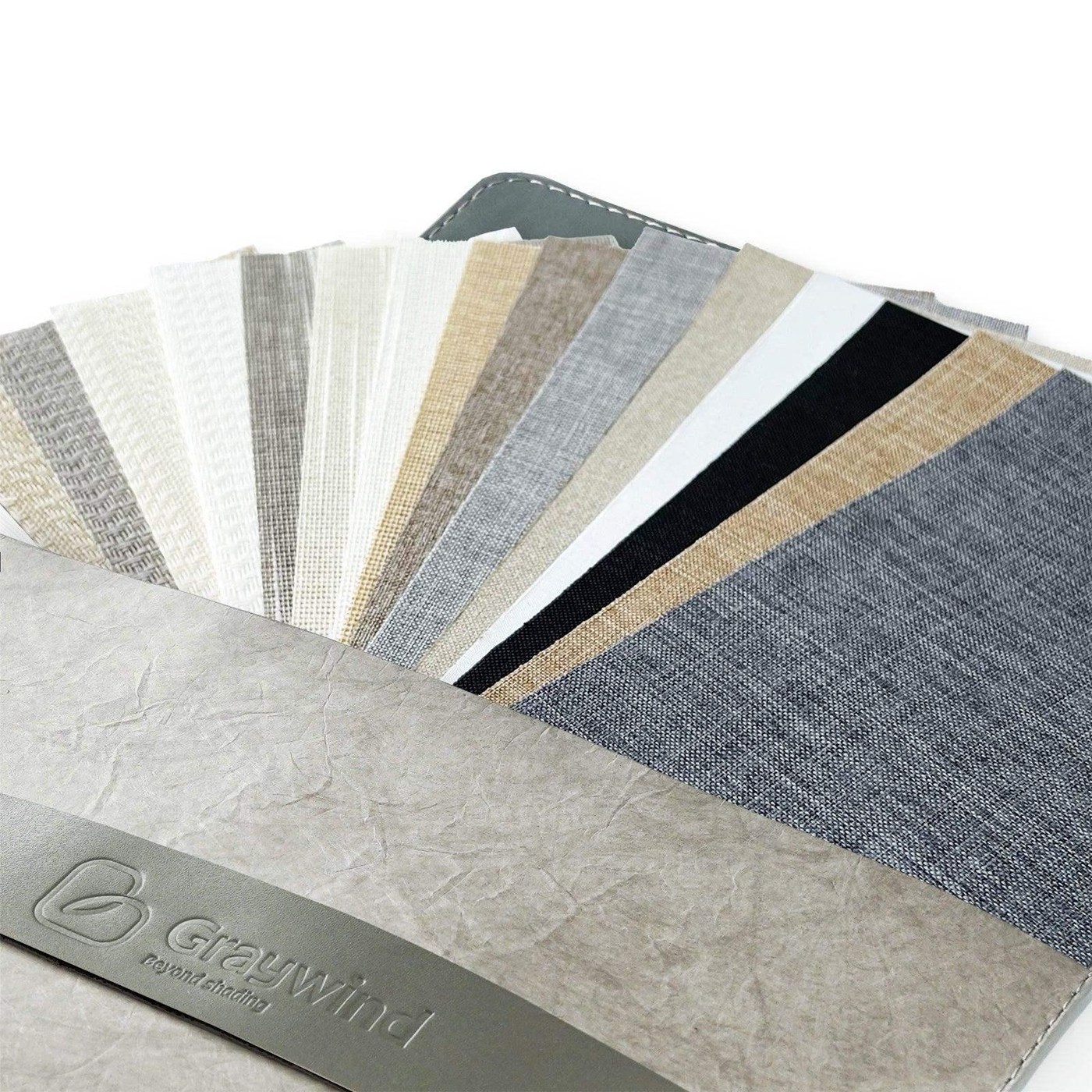
World Wide Shades can help you compare fabrics, linings, and hardware side-by-side before you order. Start with the custom shade builder to price options, or order color-matched free swatches to see them in your lighting.
What roller shades are (and how they behave)
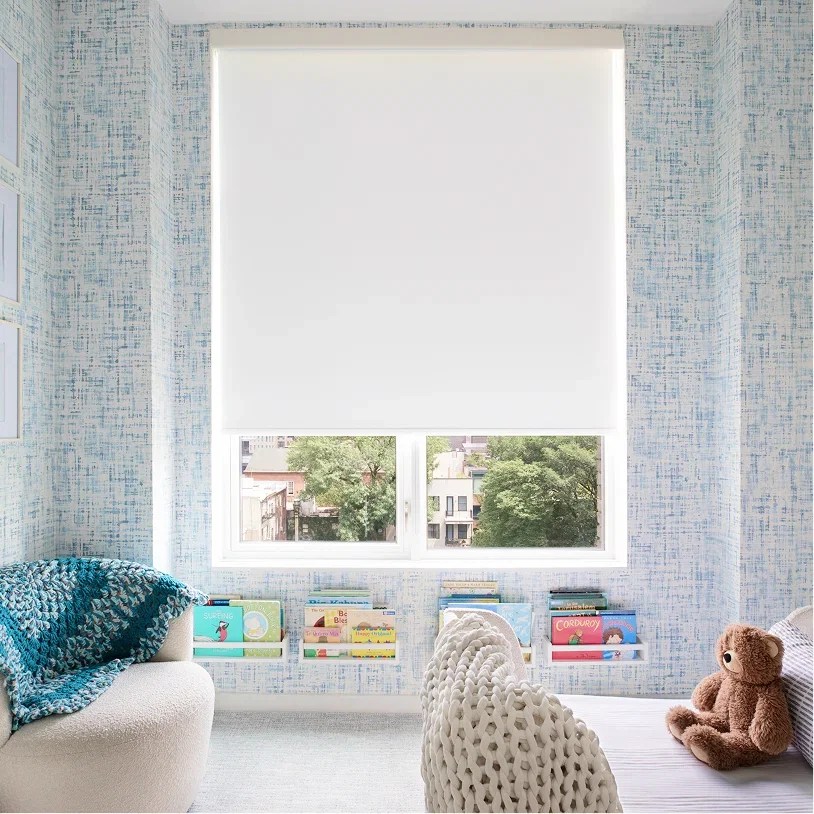
Roller shades are a single, continuous fabric panel that rolls up around a tube. That one-piece construction is why they look so crisp on big windows and why they’re often chosen for modern interiors.
- Tube diameter: common sizes range from about 1.5–2.75 inches; larger tubes reduce “telescoping” on wide shades.
- Light gaps at the sides: inside mounts commonly show a visible gap because you need clearance so the shade can move freely.
- Stack height: a roller shade stacks tightly at the top compared with most pleated styles.
If you’re trying to minimize side light, compare a roller shade with cassette and side channels (or consider solutions discussed in blackout curtains vs blackout shades).
What pleated shades are (and how they behave)
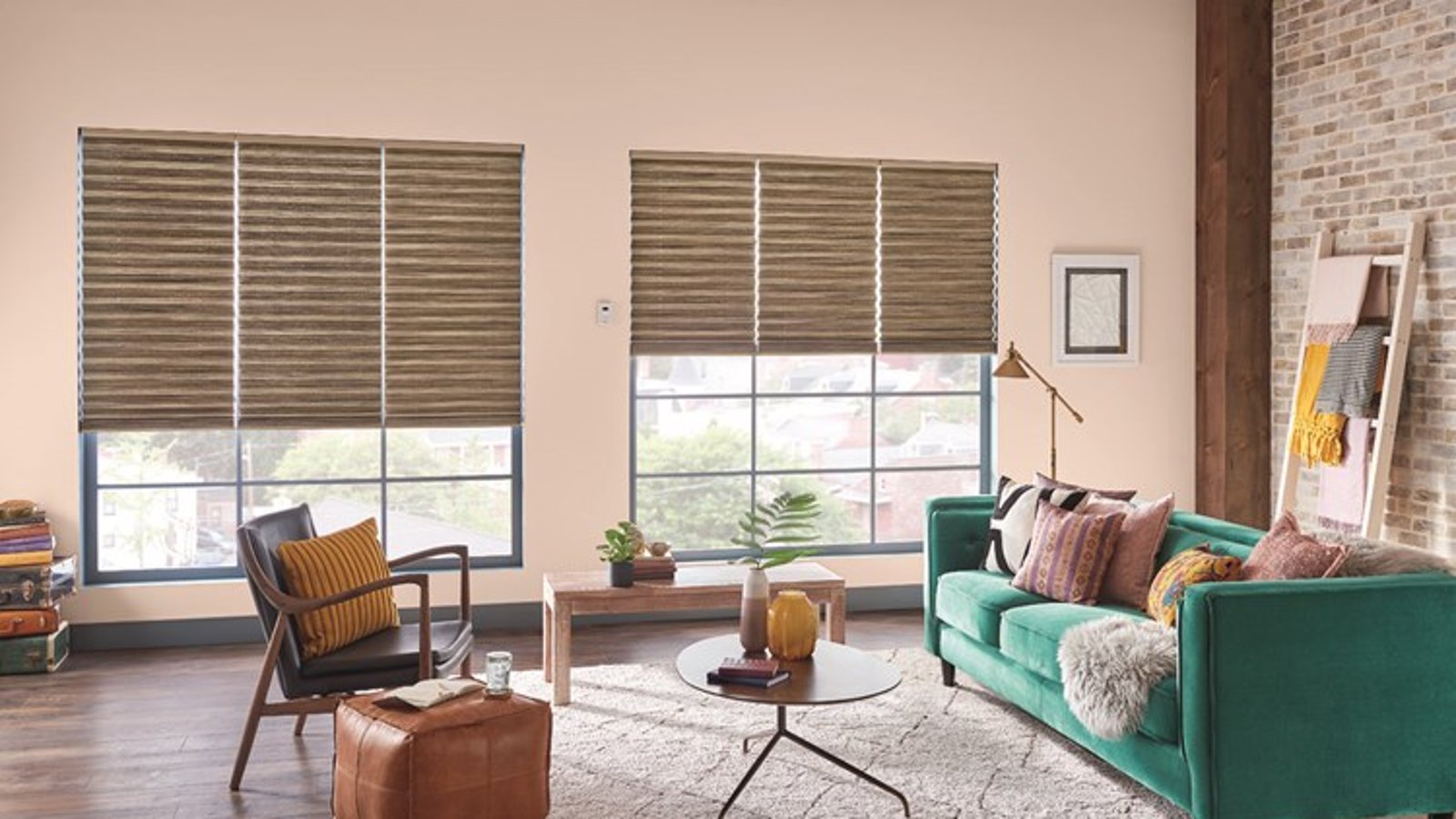
Pleated shades fold into crisp horizontal pleats as they raise. They create a softer look than a flat roller panel and often feel more traditional or transitional.
- Pleat size: commonly around 1–2 inches; larger pleats look bolder but can stack taller.
- Stack height: pleats typically stack thicker than a roller when fully raised.
- Fabric resiliency: pleats can soften over time if exposed to high humidity or repeated crushing.
For bedrooms where light control is critical, you may also want to review best window shades for bedroom.
Cost comparison: what you can expect in 2026
Pricing varies by size, fabric, and lift system, but these ranges are useful for planning.
- Fabric type (light-filtering vs solar vs blackout)
- Cassette/headrail upgrades
- Motorization and smart-home compatibility
If you’re budgeting motorization, compare your room needs with the numbers in how much do motorized roller shades cost.
- Fabric opacity and lining
- Cordless vs continuous loop vs motorized
- Top-down/bottom-up upgrades
In many homes, the gap between roller and pleated pricing narrows once you spec comparable upgrades (cordless safety, upgraded rails, and premium fabrics). World Wide Shades can walk you through “apples-to-apples” pricing; request a quote via contact or start in the builder.
Light control: glare, privacy, and room-darkening
Light control is where many homeowners notice the biggest real-world difference.
- Glare control: solar roller fabrics can reduce glare while preserving a view.
- Privacy: light-filtering fabrics offer daytime privacy but can silhouette at night with lights on.
- Room-darkening/blackout: achievable with blackout fabrics, but side gaps still matter.
For a deeper breakdown of opacity choices, see light filtering shades guide.
- Glare control: good, but pleated fabrics usually prioritize privacy and softness over “screen-like” view-through.
- Privacy: often strong because the fabrics are less transparent.
- Room-darkening: many pleated options do well in bedrooms, though gaps still exist on inside mounts.
If you’re deciding between “pretty dark” and “as close to zero light as possible,” read room-darkening vs blackout roller shades difference.
Energy efficiency and insulation
This is a nuanced category. Pleated shades can trap air in their folds, which can add a small insulating benefit in some setups. Roller shades can also be energy-efficient when you choose the right fabric and mount.
- Inside mount + tight fit generally performs better than a loose fit.
- Light gaps = heat gain/loss in many climates.
- Reflective backings can help on sun-exposed windows.
For strategies that consistently reduce overheating and drafts, reference energy efficient window shades.
World Wide Shades can recommend fabrics for west-facing glare or south-facing heat; see best shades for south facing windows.
Cleaning and maintenance: what homeowners actually deal with
Maintenance is one of the strongest arguments for roller shades.
- Dusting with a microfiber cloth is often enough.
- Many performance fabrics are designed to resist stains.
If you want a cleaning playbook by fabric type, read roller shade fabric care cleaning by material.
- Pleats can hold dust and pet hair.
- Deep cleaning is possible, but it takes longer.
If you have pets, see pet friendly window treatments for materials that resist claw marks and fur.
Durability and longevity
If you open and close shades daily, durability matters more than most people expect.
A quality roller shade can run smoothly for years because the fabric moves in a consistent path. You’re mainly paying for better hardware, sturdier tubes, and fabrics that won’t curl at the edges.
Pleated shades can look fantastic, but they’re more sensitive to crushing, moisture, and uneven lifting. If you have a kitchen or bathroom window, consider purpose-built solutions in roller shades kitchen bathroom.
Safety: cordless options and child-friendly choices
Cordless is the safest default for homes with kids. Both roller and pleated shades can be cordless, but the feel is different:
- Rollers often use a spring assist or cordless lift system.
- Pleated shades are commonly cordless with a bottom rail you lift.
For more safety considerations, read child safe window treatments.
World Wide Shades can recommend the best cordless mechanisms for your window sizes. Call (844) 674-2716 or use contact to talk through your rooms.
Room-by-room recommendations
- Choose roller shades when you want a clean look and glare control.
- Choose pleated shades when you want softness and layered decor.
For living rooms, also see best roller shades living room.
- If you’re sensitive to light, prioritize blackout fabrics and mounting details.
- Consider adding a valance/cassette for a finished look.
Valance options are covered in roller shade valance options.
If you might move soon, prioritize durability, easy cleaning, and simple installs. See roller shades rental apartment.
How to choose in 10 minutes (a practical decision framework)
- Decide whether you want view-through (solar roller) or privacy-first (many pleated fabrics).
- Decide your target: light-filtering, room-darkening, or blackout.
- Pick inside vs outside mount based on trim depth and how much you care about side gaps.
- Choose cordless for safety and simplicity.
- Order swatches and test them morning, afternoon, and night.
Do steps 1–3 in the builder, then order swatches. If you want a quick sanity check, call World Wide Shades at (844) 674-2716.
Design impact: how each style changes the room
Beyond performance, the shade changes how the window “reads” in the room.
Because the fabric is flat, your casing and trim become the main visual frame. This is ideal when your trim is a feature.
Pleats introduce a repeating horizontal rhythm. They can make a large window feel softer, but they can also feel busier in minimalist rooms.
If you’re trying to keep the top of the window clean, a valance or cassette can help; see roller shade valance options.
FAQ: Roller shades vs pleated shades
In most interiors, yes. Roller shades have a flat panel and minimal hardware, which reads modern, while pleated shades look softer and more traditional.
Roller shades are usually easier because you can wipe a flat surface. Pleated shades have folds that hold dust.
Neither automatically blocks side light on an inside mount. To reduce light gaps, consider outside mounting or adding a cassette/side channels.
Pleated shades can add insulating value because they trap air in folds, but fit and fabric matter as much as the style.
Durable roller fabrics are often a better match for pets because they don’t have folds that collect fur and are easier to wipe down.
Yes. Roller shades are especially common for motorization; if you want voice control, read motorized shades alexa google home.
Ready to pick the right shade for your home?
World Wide Shades will help you compare roller and pleated shades with the fabrics, mount types, and safety options that fit your rooms. Start with the custom builder, order free swatches, or reach us at (844) 674-2716 via contact.