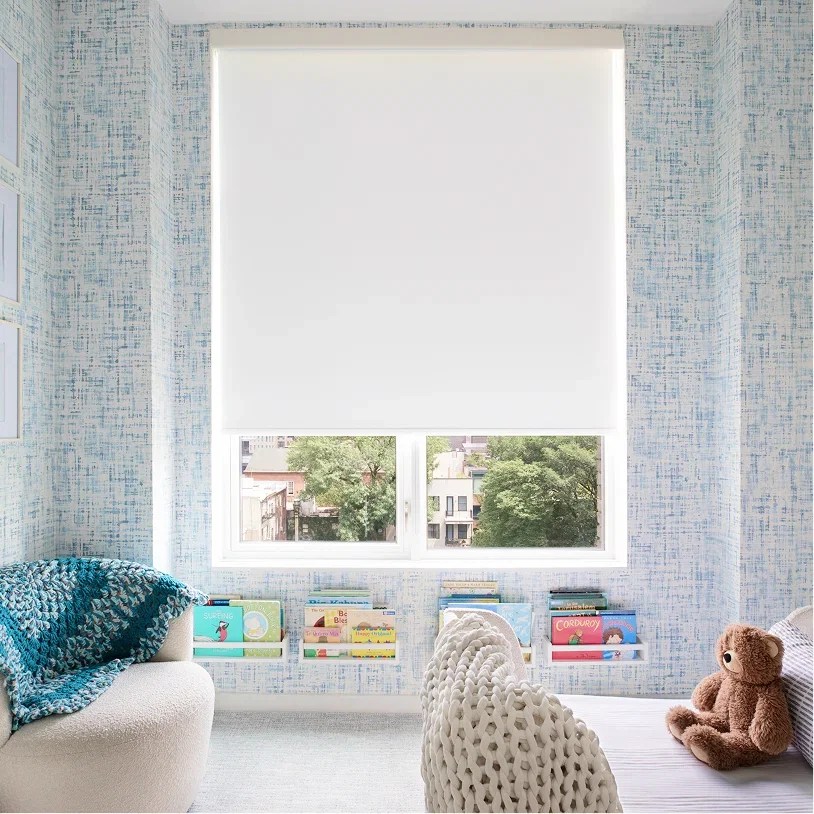
Roller shades for corner windows look simple until two shades meet at a 90-degree turn. The glass may be continuous, the frames may have different depths, and the brackets can compete for the same few inches of wall or ceiling space. A good plan protects the corner, keeps fabric from rubbing, and avoids a bright triangular gap where the two shades stop short.
The key decision is whether the shades should meet in the corner, stop before the corner, or overlap using a planned “butt” arrangement. World Wide Shades can turn those choices into a measured layout, with fabrics and hardware coordinated across both windows. Start with the World Wide Shades builder before ordering a pair as if each window were independent.
Why corner windows require custom planning
A standard rectangular window gives you one headrail, two end brackets, and a predictable pull direction. A corner installation adds a second headrail, a shared corner, and two adjacent planes that may not be perfectly square. Even a 1/4-inch difference in wall depth can make one shade project farther into the room than the other.
Corner windows also amplify light gaps. A 1-inch gap at a normal side edge may be barely noticeable, but two gaps near a bright corner can create a distinct beam across a floor or screen. Measure the angle, frame projection, sill depth, and distance from the corner to nearby trim. World Wide Shades can review those details through /contact; call (844) 674-2716 if the corner is hard to photograph or reach.
Three mounting strategies
Inside mounting places each shade within its own window recess. It gives the cleanest relationship to the frame when both recesses have enough depth, but the corner may not provide clearance for two brackets and two rolls. A shallow recess can also force the fabric closer to the glass than the handles allow.
Use inside mount when the two windows have consistent depth and the shade hardware can sit without touching. Leave room for the roll, bottom rail, and any cassette. Check the product’s minimum depth rather than assuming a roller shade fits any opening. World Wide Shades can confirm fit and fabric clearance when you submit dimensions through the /builder.
Outside mounting lets the two shades share a ceiling or wall line and can hide uneven recesses. It is often the most forgiving strategy when the corner has little depth. The trade-off is that the brackets, fascia, or cassette become part of the architectural view, and the shade may project farther into the room.
Plan the outside mount as one composition. Align the top of both shades, keep the front faces on the same plane, and verify that the open rolls do not collide. A cassette can make the intersection look intentional; roller shade valance options explains how a headrail changes the finished profile.
A short return is useful when a structural post, trim, or door casing occupies the corner. The shades do not meet, but each can operate freely without a fabric edge rubbing the adjacent wall. You can reduce the visual gap with a coordinated wall color, a drapery panel, or a darker interior recess.
This option is honest about the architecture and often more reliable than forcing a tight overlap. If the windows are part of a bay or angled layout rather than a true 90-degree corner, review corner windows and the meeting point before choosing a hardware layout.
How to measure the corner accurately
Record each window as its own opening, then record the relationship between them. For inside mounts, measure width in at least three places and use the smallest usable width only when the product’s deduction rules call for it. Measure height at the left, center, and right; note a difference of 1/8 inch or more because it can be visible at a shared corner.
For outside mounts, mark the desired fabric coverage, not just the frame size. Many homeowners want 1–2 inches of fabric overlap beyond each side, but the required amount depends on opacity, light direction, and whether the shade has side channels. A corner with strong afternoon sun may need more overlap than a north-facing reading nook.
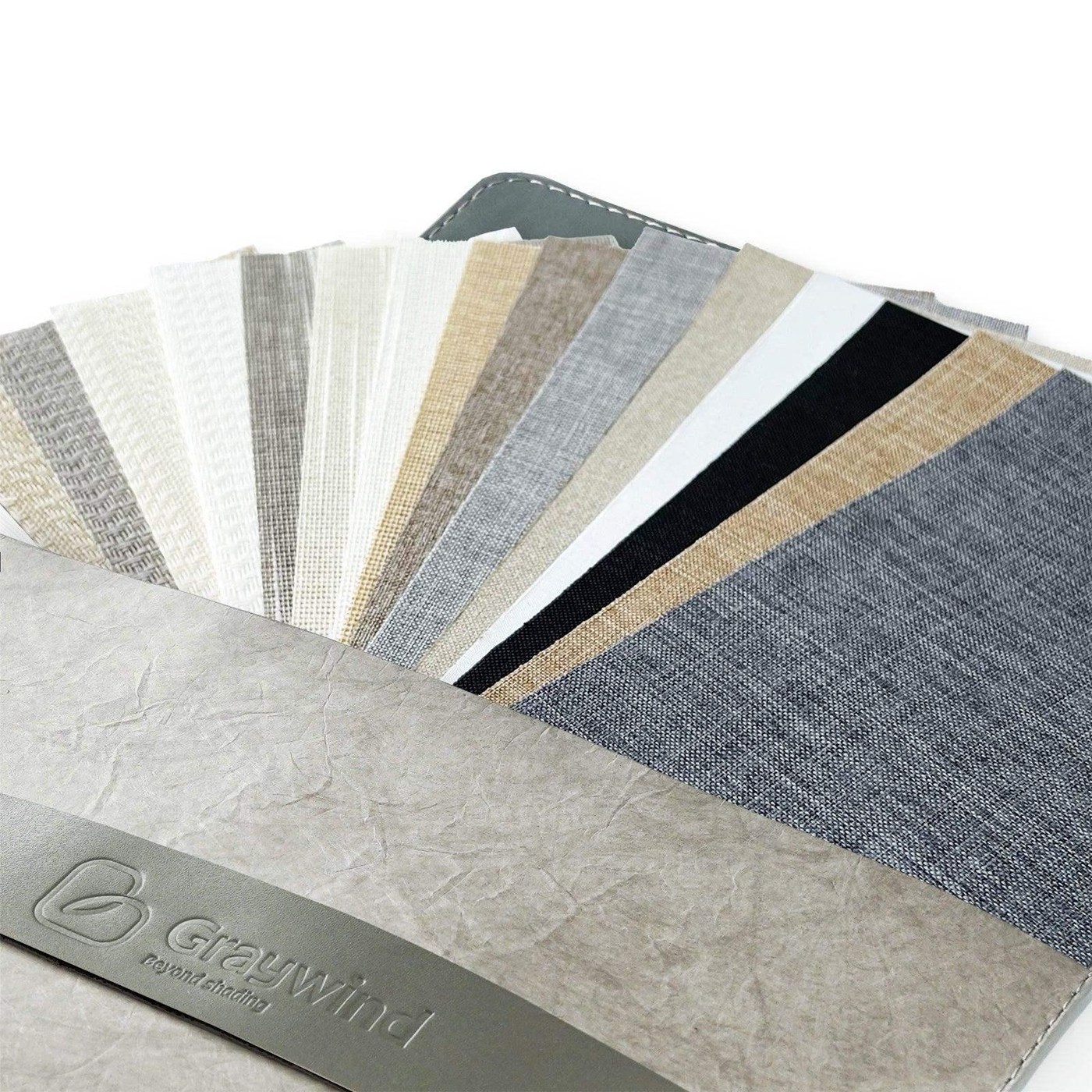
Use a square or laser level to check whether the two mounting surfaces are on the same plane. Photograph the corner straight on and from above if possible. World Wide Shades can use those details to recommend a bracket depth and confirm whether a coupled or separate motorized arrangement makes sense. Request fabric samples at /swatches before finalizing a color that will be seen from both angles.
Choosing fabric for a corner layout
Solar-screen fabric can reduce glare while preserving a view, but its openness factor determines how much light and privacy remain. A 1% screen usually blocks more direct glare than a 5% screen, while a light-filtering woven or textured fabric softens daylight without making the room feel like a dark box. Blackout fabric is useful for bedrooms and media rooms, but edge gaps matter more at a corner.
The two windows should normally use the same fabric and openness level, even if one window faces a different direction. If one side receives intense afternoon sun, you can use the same color with a tighter openness factor, but compare samples in both windows. Explore the guide to light-filtering shades and the best fabrics for roller shades before selecting a cloth by screen color alone.
Color also changes how the corner reads. A shade that matches the frame makes the meeting point quieter; a contrast shade emphasizes the architectural angle. World Wide Shades can send coordinated samples through /swatches, and a design specialist can help you compare the fabric against trim, flooring, and daylight.
Manual or motorized operation?
Manual chain control is practical when both shades are easy to reach and occupants do not need synchronized movement. Keep the chain on the room side and confirm that the two chains will not collide at the corner. If a chain would sit behind a sofa or close to a child’s play area, cordless or motorized control is usually a better fit. Review child-safe window treatments for operating-safety considerations.
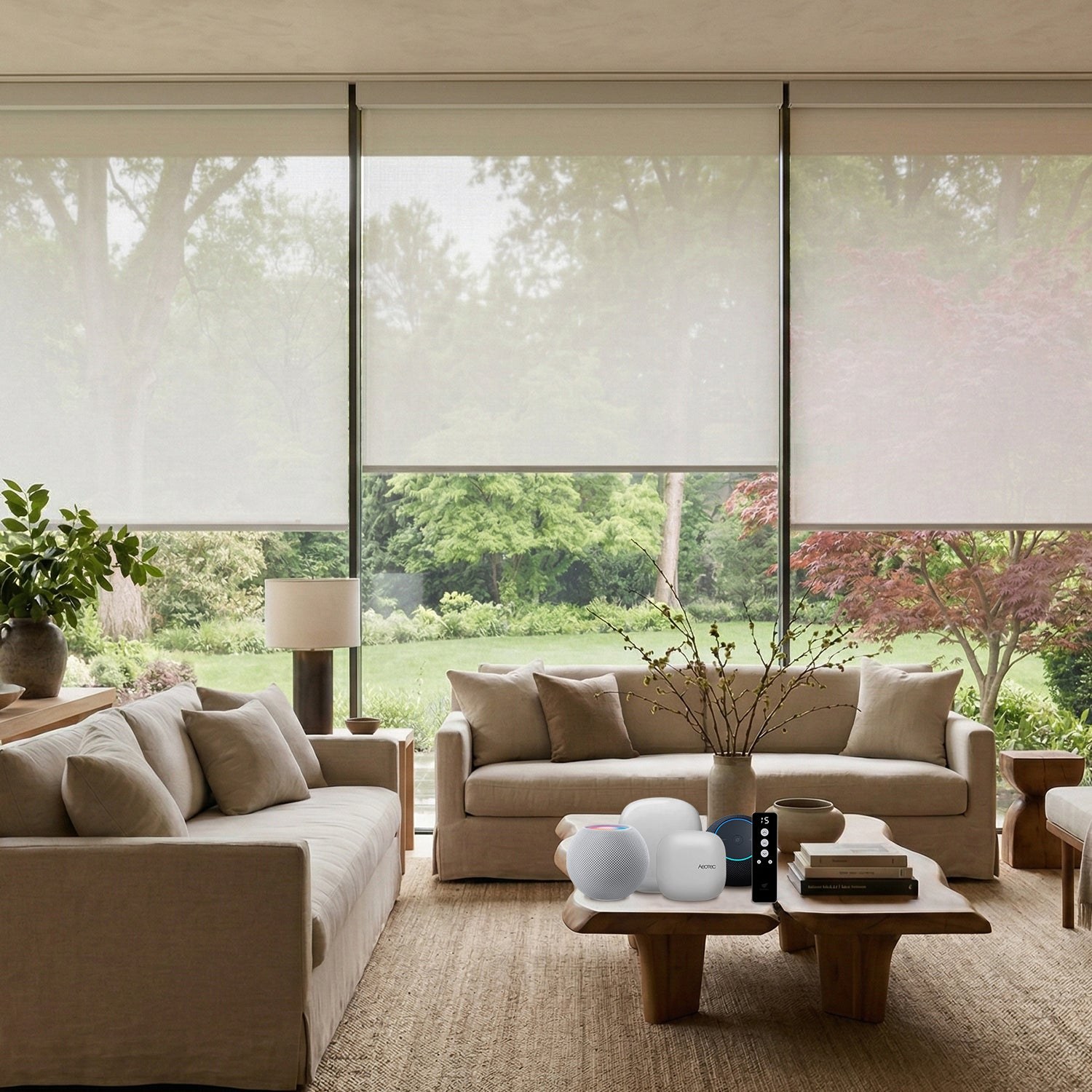
Motorization is valuable when the corner is tall, wide, or difficult to reach. Use separate motors when each window receives different sun or privacy conditions; use a group when the two planes should move together. A two-shade group should still have individual controls for cleaning, furniture changes, and seasonal glare.
Battery motors reduce wiring work, while hardwired motors make sense during remodeling. For a larger glass corner, stronger tubes and motors may be necessary because fabric width and weight increase torque demand. World Wide Shades can specify a coordinated motor package through the builder and explain the trade-offs before installation.
Avoid these common corner-window mistakes
Ordering two standard shades without checking the corner can put both brackets in the same space. The fabric may scrape, the rolls may sit at different depths, or the corner may remain uncovered. Draw the elevations first and mark the headrail face line.
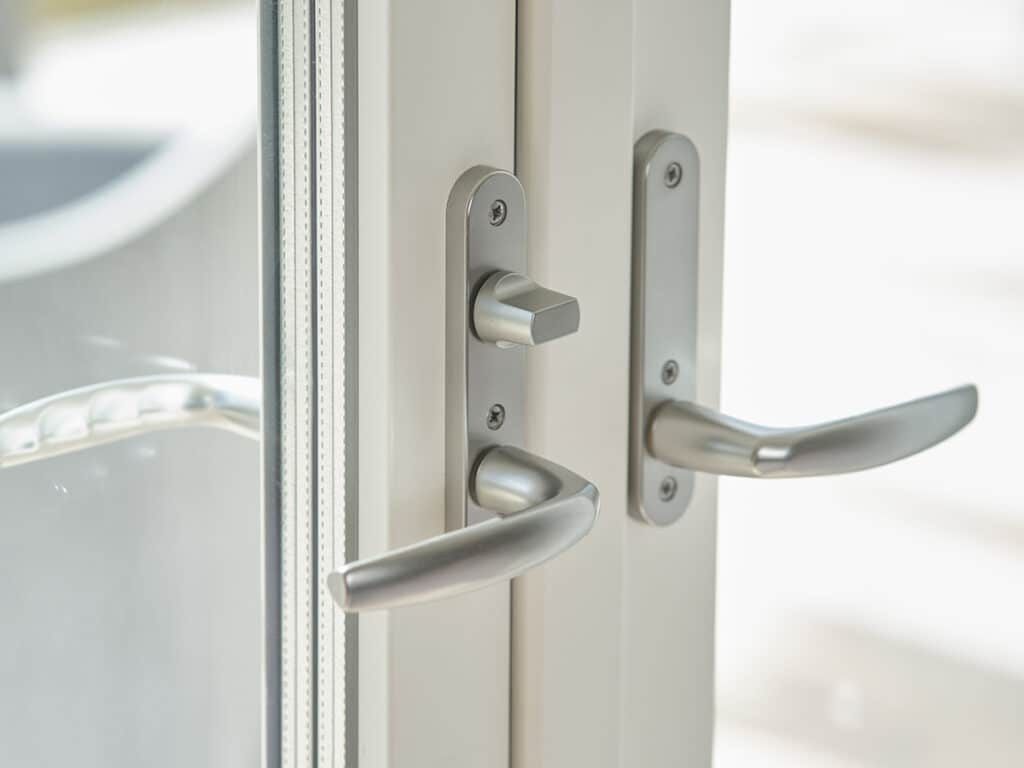
Glass width is not the same as usable shade width. Frames, handles, trim, mullions, and projection all matter. A shade that covers the glass but blocks a handle is not a successful fit.
A zero-gap target can create rubbing, telescoping, or a shade that cannot be serviced. Leave the clearance required by the hardware and use a cassette, return, or coordinated treatment to make the gap intentional. If blackout is the goal, side channels and an overlap may work better than pressure at the corner; see side-channel light blockers.
Two “white” fabrics can differ in warmth, openness, and visible texture. At a corner, the shade on one wall can look gray while the adjacent shade looks cream. Compare actual swatches in morning and afternoon light.
A practical design example
Imagine a 10-foot-wide living-room corner with two 60-inch windows, a 3-inch corner post, and 8-foot ceilings. An inside mount may leave insufficient clearance for both headrails. A clean solution could be two outside-mounted shades aligned on one top line, with the fabric stopping 1/2 inch before the post on each side. If glare is the concern, a 3% solar screen can preserve the view; if the room doubles as a media space, a layered blackout treatment may be more suitable.
If the corner is 12 feet high or the furniture blocks access, motorization adds practical value. Budget about $350–$1,200 per custom motorized shade depending on width, fabric, cassette, motor, and control system; use how much custom roller shades cost as a planning range, not a quote. World Wide Shades can produce a window-by-window specification and confirm the final fit through /contact.
Frequently Asked Questions
They can when the window depth, bracket geometry, and fabric clearance are planned together. Many installations use a small intentional gap, a butt arrangement, or outside-mounted headrails rather than forcing two rolls into the same point. A measured drawing is more reliable than ordering two standard sizes.
Inside mounts look clean when the recesses have consistent depth and enough clearance for both hardware sets. Outside mounts are often more forgiving when the corner is shallow, uneven, or obstructed by trim. The best choice depends on the corner’s dimensions and desired light-gap control.
Use adequate fabric overlap, a cassette, side channels, or a planned return where the architecture permits. Do not eliminate all clearance if it makes the fabric rub or the roll telescope. Choose blackout construction when you need darkness, then address the headrail and side gaps as a complete system.
Motorization is worthwhile when the shades are high, difficult to reach, or expected to move together for glare and privacy. Separate motors provide better control when each plane faces a different direction. World Wide Shades can compare battery and hardwired options based on access and project stage.
You can, but different textures or colors make the meeting point more noticeable. If solar exposure differs, first compare the same color in different openness levels. Request samples from /swatches and view them on both walls before committing.
Corner windows reward careful planning because the hardware is visible from multiple angles. World Wide Shades can coordinate measurement, fabric, motorization, and mounting strategy; use the /builder, contact the team, or call (844) 674-2716 for a corner-window fit review.