Why nursery windows need more than a pretty fabric
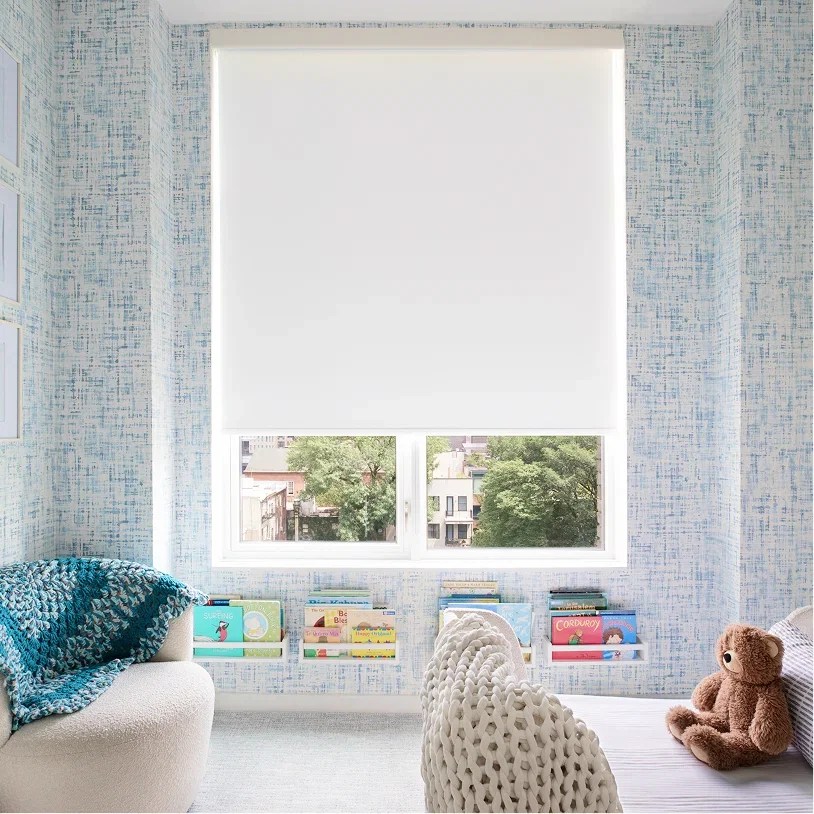
A nursery window has three jobs: control light for naps, protect a baby from glare and heat, and keep operating hardware out of reach. The right roller shades for a nursery can support a calmer sleep routine without making the room feel dark all day. World Wide Shades designs made-to-measure shades for the window, the crib location, and the way your family actually uses the room.
Start by considering the room at 7 a.m., nap time, and bedtime. A west-facing nursery may need strong afternoon glare control, while a north-facing window may benefit from a soft light-filtering fabric. For a tailored recommendation, start your shade plan in the Custom Shade Builder and compare fabrics before ordering.
Blackout, room darkening, and light filtering explained
The terms sound similar, but they describe different outcomes. A light-filtering roller shade softens daylight while leaving the room bright. Room-darkening fabric blocks a large share of visible light, but small halos can remain around the fabric. A blackout shade uses a denser backing and works best when the shade is sized with enough overlap to limit edge gaps.
For infant sleep, many families choose 90% to 100% light control on the primary sleep window. Blackout does not mean a window becomes a perfect optical seal: an inside mount can still show a narrow strip at each side, and light can enter above the headrail. An outside mount with 2 to 3 inches of overlap per side generally gives better coverage when the wall allows it.
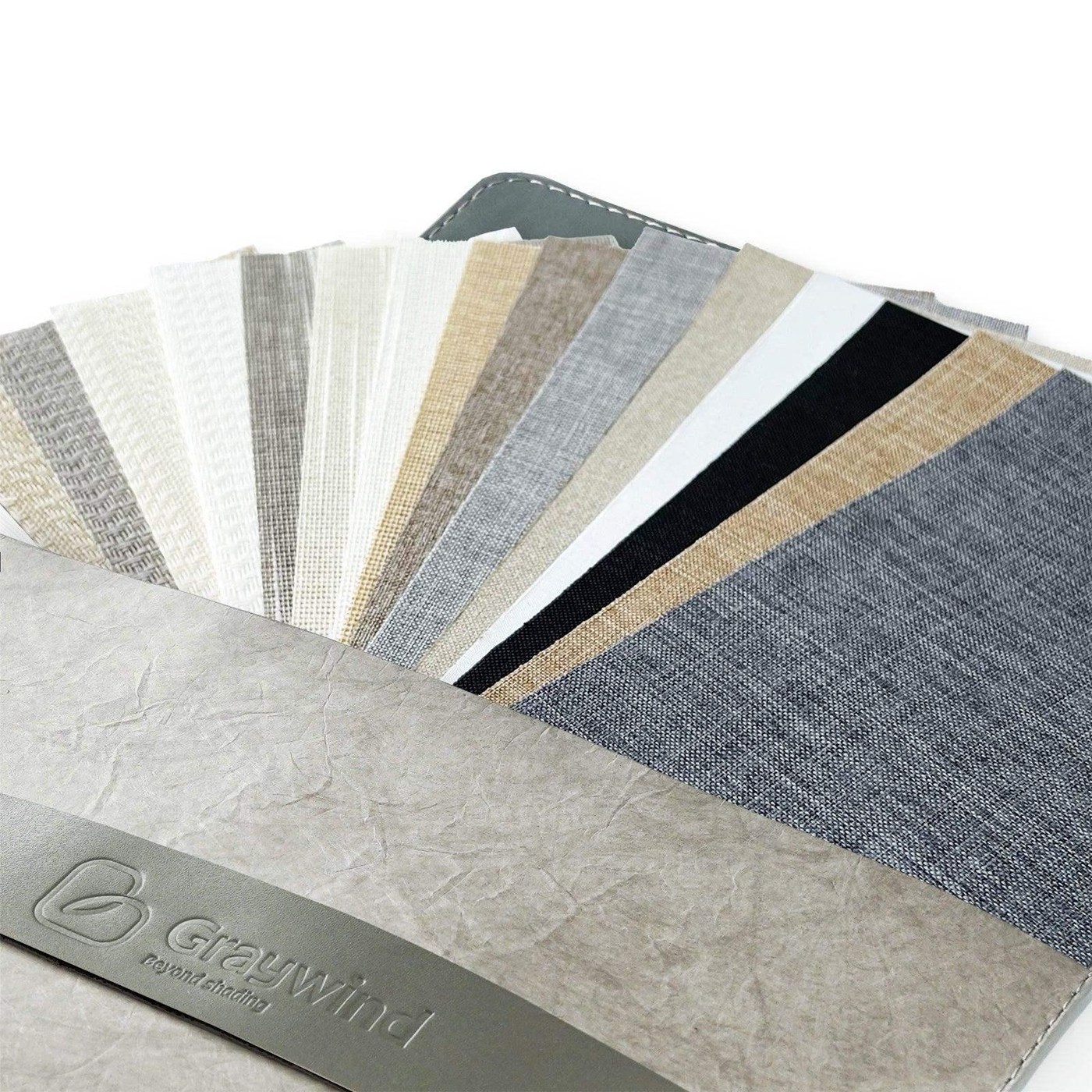
Read the tradeoffs in blackout curtains vs. blackout shades and compare softer daytime options in the light-filtering shades guide. Then order swatches from World Wide Shades to see how navy, ivory, gray, and warm white look in your nursery's actual light.
Cordless safety is the starting point
Window-covering cords can create a strangulation hazard. For a nursery, choose a cordless lift, a motorized shade with a protected control, or another operating method that does not leave a loop near the crib. Keep cords from other products, monitor cables, and furniture placement away from the window as well; a safe shade cannot compensate for a reachable loose cord elsewhere.
A cordless roller shade is easy to use for a small window. Motorization becomes useful when the window is high, wide, or behind a changing table. Set the crib and changing table at least several feet from the window whenever the room layout permits, and secure furniture according to the manufacturer's instructions. The CPSC's window-covering safety guidance is a useful reference for families reviewing cord hazards.
For a broader room-by-room overview, see child-safe window treatments. World Wide Shades can help you choose cordless or motorized hardware that fits the opening and the daily routine—talk with a shade specialist or call (844) 674-2716.
Selecting fabric by sleep, climate, and touch
A nursery fabric should be durable, low-maintenance, and appropriate for the window's exposure. Polyester shade cloths are common because they resist wrinkling and can be wiped with a dry microfiber cloth. A blackout-coated fabric adds opacity; a solar screen can cut glare while preserving a view but usually will not create a dark nap environment.
Use this decision guide:
- Naps and early bedtimes: choose room-darkening or blackout with an overlap plan.
- Bright afternoon sun: choose a backing that reduces solar heat and glare.
- Windows beside a changing area: choose a smooth, cleanable fabric rather than a textured weave that collects dust.
- A nursery that becomes a child's room: select a neutral color and hardware that can remain useful for 5 to 10 years.
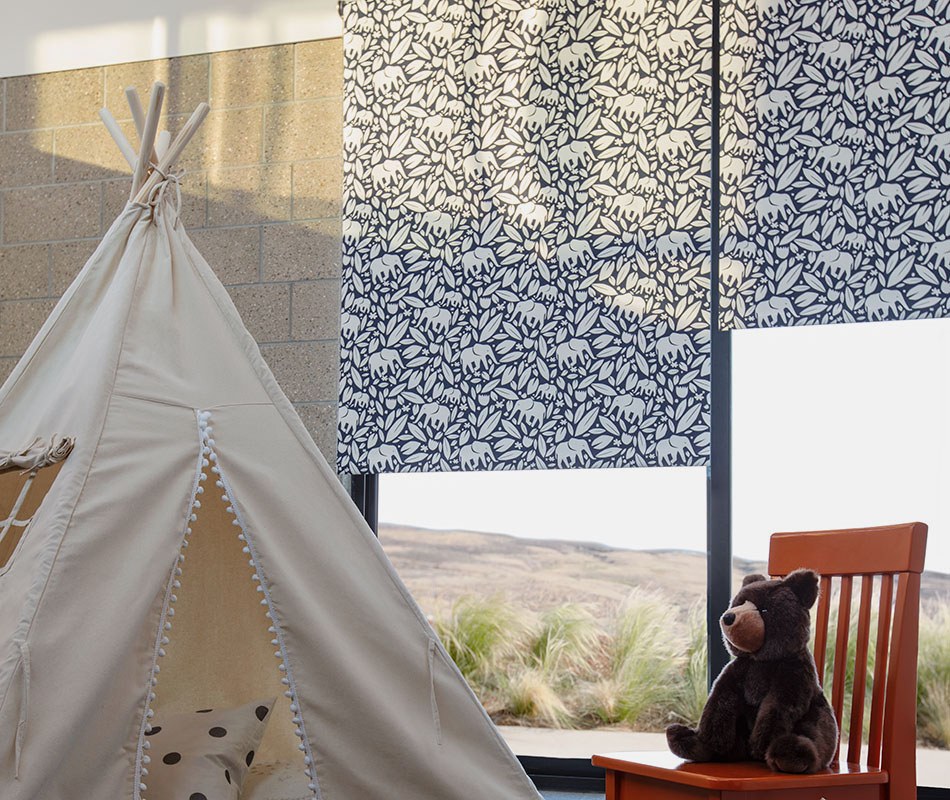
A shade's visible color also changes how the room feels. Pale fabrics reflect more daylight into the room; deeper colors can improve the perceived view through some screen fabrics but may make a small room feel cozier. Use the window shades color guide before committing to a full set.
Inside mount or outside mount?
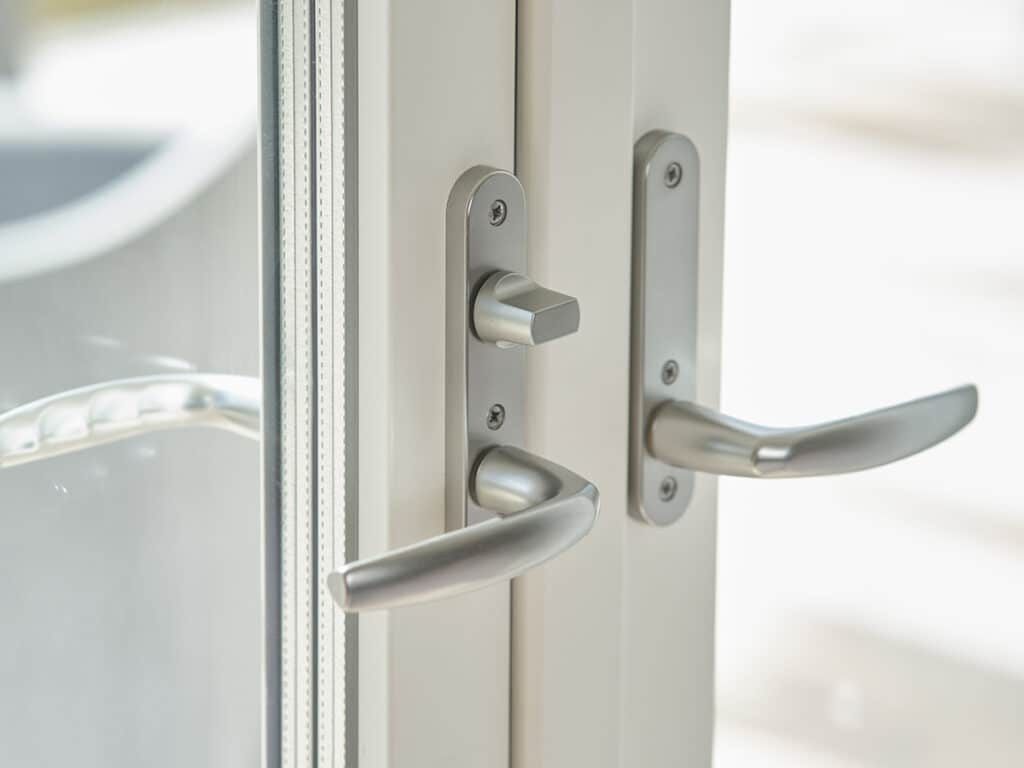
Inside mount places the shade within the window frame for a clean, built-in appearance. It is a good fit when the frame is square, deep enough for the hardware, and free of handles that interfere with the roll. Outside mount attaches above or beside the opening and can cover more of the glass, which is valuable when blackout performance matters.
Allow at least 1 to 2 inches of flat mounting surface above the frame for many outside-mount systems, but the exact requirement depends on the headrail. For an inside mount, measure width at the top, middle, and bottom because a difference of even 1/8 inch can affect fit. Record height at the left, center, and right, then use the smallest width and largest height when the manufacturer's instructions call for those conventions.
If your nursery has trim, a shallow frame, or two adjacent windows, send the details to World Wide Shades through the contact page. A specialist can help avoid a headrail conflict before you place an order.
Motorization and schedules for naps
Motorized shades can open at sunrise, close before a nap, and rise for morning light without an adult reaching over a crib. A rechargeable battery motor often lasts several months between charges, depending on shade size, fabric weight, and daily cycles. A typical family schedule might use two movements per day, while a sun-exposed room may need more frequent adjustments.
Keep controls secured and use a wall switch or app with access limited to caregivers. Do not automate a shade in a way that can close over a person, pet, or object; keep the window area clear. If you want connected routines, review the smart-home motorized shades setup guide, then build a motorized option with World Wide Shades.
Budgeting for nursery shades
A custom nursery shade commonly costs more than an off-the-shelf shade because the fabric, width, headrail, and operating system are matched to the opening. A practical planning range is $150 to $600 per window for many manual or cordless custom roller shades, with motorization often adding $200 to $500 per shade depending on the system. Oversized windows, specialty shapes, premium blackout backing, and professional installation can push the project higher.
Treat the room as a sleep-and-safety project, not just a decor purchase. Prioritize blackout coverage and safe operation on the window nearest the crib, then add matching shades to secondary windows. Request a tailored quote from World Wide Shades so your budget reflects actual dimensions rather than a generic square-foot estimate.
A practical nursery shade plan
Begin with the sleep goal, then match the hardware to reachability. Choose a cordless lift for simple windows, motorization for high or obstructed openings, and outside mount when edge gaps would undermine darkness. Keep the color quiet, test fabric samples in daylight and lamplight, and leave space around the window for safe furniture placement.
World Wide Shades can coordinate the look across a nursery, bedroom, and playroom as the home evolves. Compare your options in the builder, order swatches, or call (844) 674-2716 for help with a multi-window plan. The goal is a shade that makes bedtime easier today and still works when the nursery becomes a big-kid room.
Nursery roller shade FAQ
They can be, when paired with cordless or properly controlled motorized hardware and installed according to the manufacturer's instructions. Keep cribs, furniture, and loose cords away from the operating area, and inspect the shade periodically for damage.
They can block most visible light through the fabric, but an inside mount may leave side and top gaps. An outside mount with adequate overlap, a blackout side channel, or careful window treatment design can reduce those gaps.
Cordless is a strong choice for reachable, standard-size windows. Motorization is useful for high, wide, or obstructed windows and for caregiver-controlled nap schedules. World Wide Shades can compare both options for the specific opening.
Many custom manual or cordless shades fall around $150 to $600 per window, while motorization may add about $200 to $500. Fabric, dimensions, mounting, and installation change the final number, so request a project-specific quote.
Warm white, beige, pale gray, and muted blue can create a calm look. Choose based on wall color, flooring, and the amount of daylight; order samples because the same fabric can look different in morning and evening light.
Yes. Share the window dimensions, trim photos, crib location, and preferred light level through the contact page, or begin with the Custom Shade Builder.