Roller shades for wide picture windows must carry more fabric over a longer span, so the design is as much about support as it is about style. A shade can look perfect on a sample board yet sag in the middle, telescope toward one bracket, or strain a small motor when the finished width is too ambitious for the tube.
A successful wide-window treatment balances five variables: finished width, fabric weight, tube diameter, bracket support, and operating method. World Wide Shades can specify that package together instead of treating motorization as an afterthought. Use the World Wide Shades builder to begin with the opening dimensions and desired light level.
What makes a picture window different?
A picture window is typically a large, fixed pane designed for a view. It may be 72–120 inches wide or more, with limited frame structure and a deep sill. Because it is fixed, the window often becomes the room’s brightest surface and the shade’s fabric becomes a major visual plane.
Wide glass also magnifies small installation errors. A 1/8-inch difference in bracket height can make a long bottom rail look out of level. A fabric edge that drifts 1/4 inch can become noticeable over repeated cycles. World Wide Shades can review photos, mullion positions, and ceiling or wall structure through /contact; call (844) 674-2716 when the window requires special support.
Choose the fabric before the hardware
Solar screen fabric is often a strong choice for a living room, office, or view-focused space. Openness factors commonly range from about 1% to 10%; a lower number generally blocks more direct glare and provides more daytime privacy, while a higher number preserves more view and brightness. At night, interior lights can reverse the privacy effect.
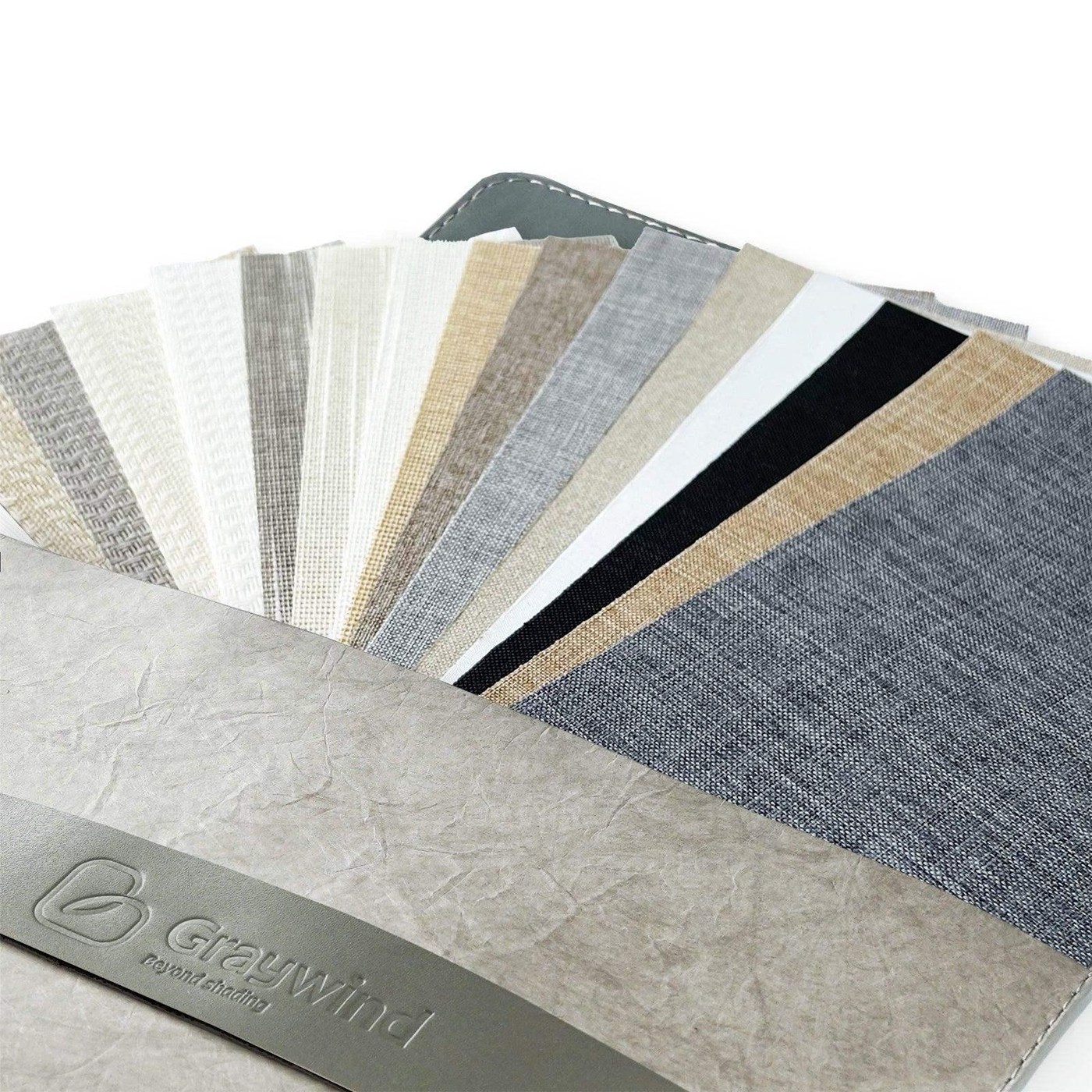
Use a screen when you want the room to remain visually open during the day. Best shades for south-facing windows and UV protection window shades explain why orientation and ultraviolet exposure should guide the openness choice. Request multiple samples from /swatches because the same percentage can look different in charcoal, ivory, and gray.
Light-filtering fabrics diffuse sunlight and make a wide opening feel calmer without eliminating the view of daylight. They are useful in dining rooms, open-plan spaces, and rooms where a strong screen would feel too commercial. Textured fabrics can hide minor dust and add warmth across a large wall of glass.
Look at the fabric from both sides. A wide shade is seen from across the room and may be visible from outside at night. The light-filtering shades guide and window shades color guide can help you compare color, texture, and privacy.
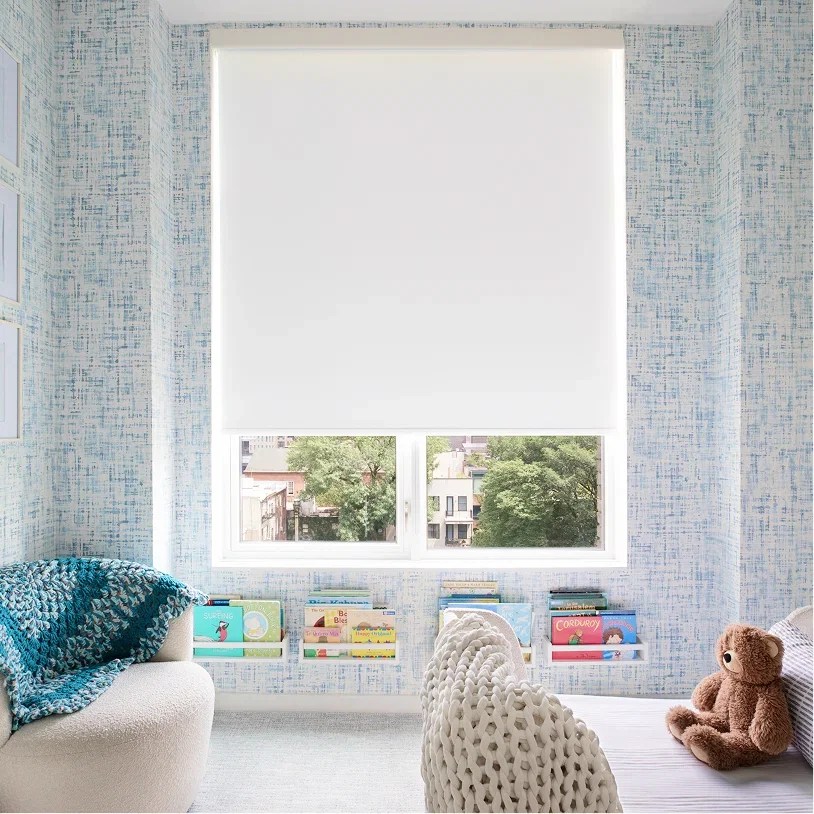
Blackout material can be the right choice for a nursery, bedroom, or media room, but “blackout” describes the fabric more than the entire opening. Light can still enter at the top, sides, or bottom unless the shade uses a cassette and carefully planned channels. Roller shades with side-channel light blockers shows how to address the perimeter.
On a picture window, side gaps are easy to see because the opening is bright. Decide whether you need full darkness or simply lower brightness before you pay for hardware designed for a theatrical result. World Wide Shades can coordinate fabric and perimeter control through the builder.
Support the tube and control fabric deflection
The tube is the structural backbone of a wide roller shade. A small tube may work on a 36-inch window but flex over a 96-inch span. A larger tube resists deflection and can support more fabric, although it also creates a larger open roll and may require a deeper cassette.
Center support brackets or a supported headrail can reduce bending over a long span. The exact number depends on the product, tube, material, finished width, and installation surface; never add a support in a place that blocks the fabric path. The headrail must remain aligned and serviceable.
The bottom rail should stay rigid enough to keep the fabric straight. If the rail bows or the shade is too wide for the specified system, the edges can look uneven when closed. World Wide Shades can confirm the maximum recommended width and support plan instead of guessing from a catalog photo.
One wide shade or multiple shades?
A single shade gives the cleanest uninterrupted view and the fewest vertical breaks. It also puts all the fabric weight on one tube and means the entire picture window moves together. Choose it when the opening is within the product’s rated width and you want a single glare or privacy zone.
Splitting a 120-inch picture window into two 60-inch shades can reduce tube load, simplify installation, and let one side stay open while the other blocks glare. The trade-off is a center gap and an extra headrail. Use the same fabric and mount both units on a common plane to make the split look intentional.
A two-shade configuration is useful when a desk occupies one side of the window or when a sofa blocks only part of the opening. World Wide Shades can model single versus coupled shades through the builder, and /contact is available for a project-specific recommendation.
Motorization for wide windows
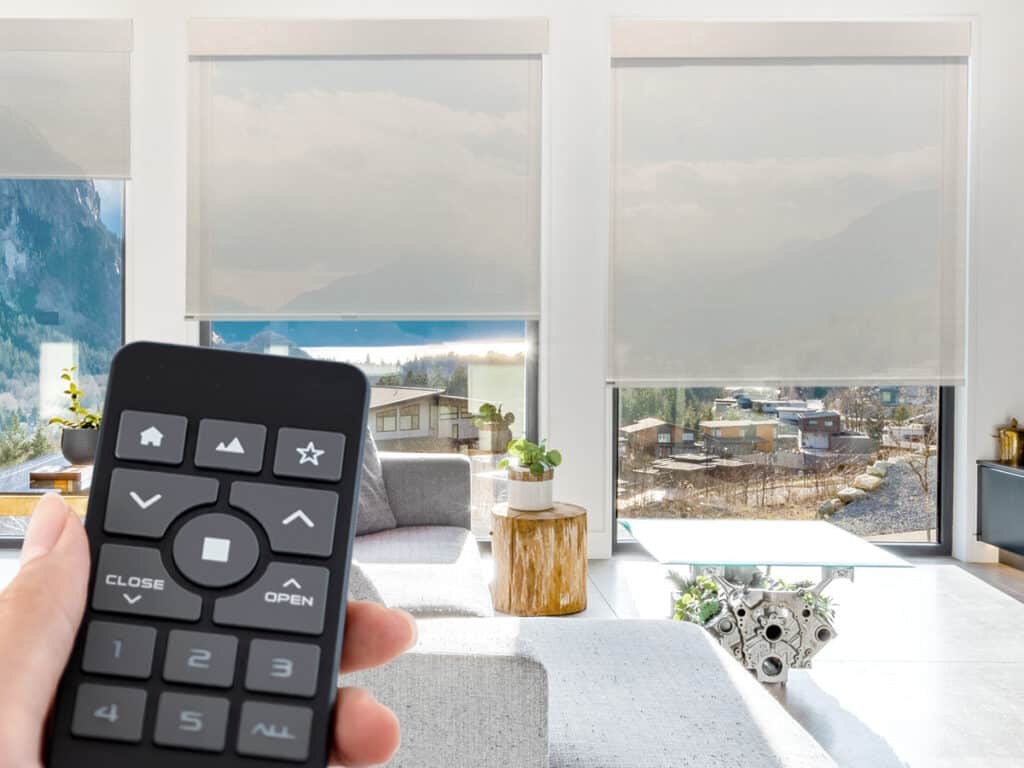
Manual chain control becomes less attractive as width and fabric weight increase. A motor makes the shade easier to operate and can keep the bottom rail level through a controlled travel cycle. It also supports schedules that protect floors, art, and furniture from direct sun.
Motor torque must match the finished shade, not just the window size. A heavy blackout fabric, large tube, cassette, and long drop can require more torque than a light solar screen at the same width. If the motor is undersized, it may move slowly, stop early, or overheat during repeated cycles. See why a motorized shade stops at the wrong position for warning signs.
Battery motors are convenient for finished rooms. Hardwired motors are attractive during new construction or a remodel because power can be hidden and charging is eliminated. Custom shades for new construction explains why a wide-window wiring plan should be included before drywall and trim are complete.
You may also connect compatible motors to a smart-home system. The guidance in motorized shades with Alexa and Google Home covers voice and routine planning, but keep a remote or wall switch available for guests and outages. World Wide Shades can help match control options through /contact.
Mounting and installation details
Inside mount gives a built-in look but requires enough depth for the roll, bracket, and bottom rail. It can be difficult on a shallow picture-window frame or when handles protrude. Outside mount above the frame gives more flexibility and can cover a wider area, but the wall or ceiling must carry the headrail and the open roll will project into the room.
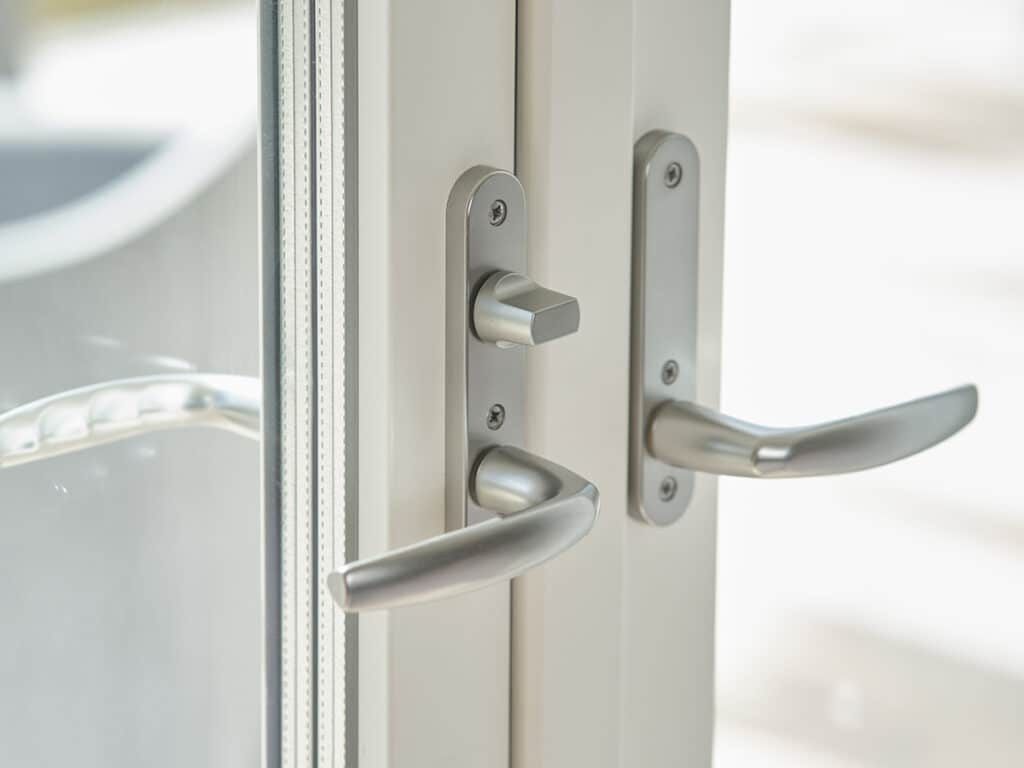
Measure width at the top, center, and bottom; measure height at both sides and the center. Note the exact location of mullions, handles, alarms, trim, and outlets. A 1/4-inch difference across a wide opening can affect the level line and fabric clearance. World Wide Shades can verify the order dimensions before you commit to fabric through /swatches.
Installation should keep the tube level and the brackets on a strong, consistent plane. Test the shade in short movements before running a full cycle. If the fabric telescopes, rubs, or sags, stop and correct alignment rather than adding weight to the bottom rail.
Cost planning for wide picture windows
A custom manual shade for a wide picture window may range roughly from $400–$1,000, while a motorized configuration can run about $800–$2,500 or more depending on width, fabric, tube, cassette, number of shades, and control system. Large, tall, or hard-to-access installations can add labor and support requirements. Use how much custom roller shades cost as a planning range, not a promise.
Splitting the window into two shades may raise hardware cost but lower structural and service risk. One wide shade may cost less per unit while demanding a stronger tube and more careful installation. World Wide Shades can compare both options and explain the value of each; call (844) 674-2716 for a wide-opening review.
Frequently Asked Questions
There is no single maximum because width depends on the fabric, tube diameter, motor torque, support brackets, and manufacturer rating. Some systems are comfortable around 96 inches, while others support wider spans or require a split. World Wide Shades should confirm the rating for the exact specification.
Use one when you want an uninterrupted view and the selected system supports the finished width without sagging. Use two when you need independent glare zones, easier handling, or less tube load. Plan the center gap and align both headrails on the same plane.
Solar shades are often effective for daytime glare and UV exposure while preserving an exterior view. Choose the openness factor based on orientation and desired privacy; lower percentages generally block more direct light. Remember that nighttime privacy changes when interior lights are on.
They may, depending on the tube, fabric weight, finished width, and mounting system. Center supports reduce deflection when the product calls for them, but they must not obstruct the roll or fabric. The support plan should be specified before installation.
It can be worthwhile because wide fabric is heavy, manual operation can be awkward, and timed closing can reduce glare and sun exposure. Choose a motor rated for the completed shade and keep a wall control or remote as a fallback. World Wide Shades can compare battery and hardwired options.
A wide picture window deserves a shade engineered for its span, not a small shade scaled up without review. World Wide Shades can coordinate tube, fabric, motor, mounting, and installation; start with /builder, request samples at /swatches, or contact the team.