Tilt-and-turn windows open in two directions: the sash tilts inward from the top for ventilation and turns inward from the side for a wide opening. That flexibility is valuable, but it leaves little room for a conventional roller shade. The treatment must stay close to the sash, clear the handle, and move with the window when the sash changes position.
World Wide Shades can help plan a compact inside-mount solution around your frame depth and hardware. Start with the World Wide Shades builder, take photos with the sash tilted and turned, and contact World Wide Shades before ordering a shade that must remain usable in both positions.
Why tilt-and-turn windows are different
A standard fixed window has one flat plane for the shade. A tilt-and-turn sash changes its relationship to the room, so a shade mounted on the wall may block the opening and a shade mounted deep in the recess may hit the handle. The window’s hinges and seals also need room to operate without fabric or brackets pressing against them.
The first question is how you use the window. If it stays closed except for occasional cleaning, a fixed outside mount may be acceptable. If you tilt it daily for fresh air, the shade should move with the sash or park clear of the opening. If you turn it inward, the shade and sash may need to open as a unit. Send World Wide Shades photos of every position for a fit review.
Slim inside-mount solutions
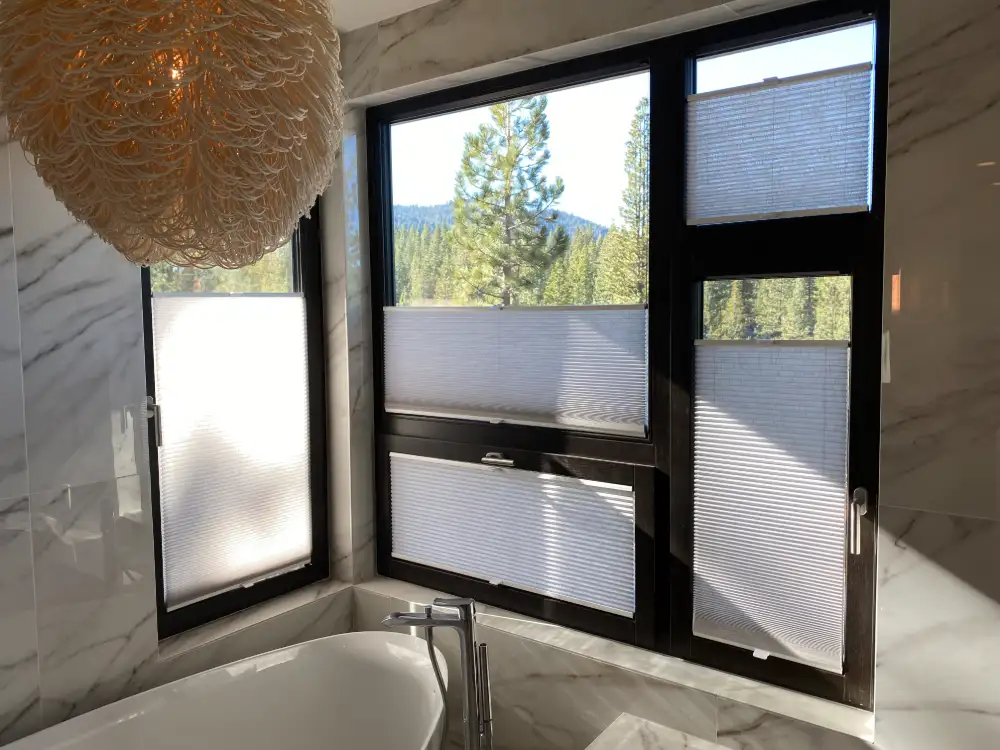
A sash-mounted shade follows the window when it tilts or turns. Compact brackets sit on the sash or frame, and guide wires, side channels, or retention hardware can keep the fabric aligned. The exact solution depends on the window brand, sash depth, handle position, and whether the treatment is a roller or another shade style.
The advantage is function: the window can tilt without leaving the shade behind. The tradeoff is a more specialized installation and a visible hardware relationship with the frame. Measure the actual sash face and keep the fabric roll clear of the handle. World Wide Shades can identify whether a sash-mounted configuration is appropriate for your opening.
A recess-mounted shade sits inside the reveal while the window remains closed. It can look clean and use a slim cassette or compact tube, but it may need to be raised before the sash turns inward. Check the frame depth, top clearance, side seals, and handle sweep. A shade that fits the glass can still collide with the handle when the sash opens.
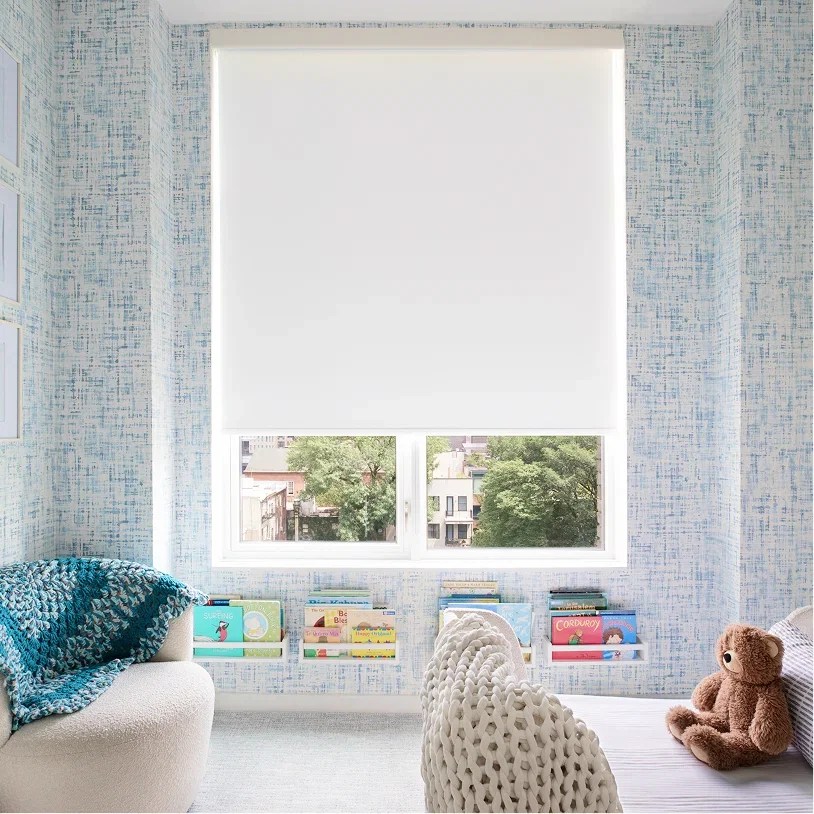
An outside mount is simplest when the window does not need to open frequently. It can cover the full recess and reduce perimeter light, but it will usually prevent the sash from turning inward unless the shade is raised first. Use this approach for bedrooms or living spaces where ventilation is occasional and the visual coverage is the priority.
The inside-mount versus outside-mount guide can help compare the tradeoffs. Ask World Wide Shades to review the clearance before choosing a mount.
Measure the frame, sash, and handle
Measure width at the top, middle, and bottom of the frame and height on the left, center, and right. Record the smallest width and height, the reveal depth, and the sash thickness. Measure from the glass to the handle’s furthest projection in the closed, tilted, and turned positions.
Photograph the hinge side, handle side, seals, and any vent slot. Include a ruler or tape for scale and mark which photo shows “tilt” versus “turn.” If the frame is European or has an unusual bead, do not assume a typical American inside-mount deduction applies. Send the measurement photos to World Wide Shades for a review instead of trimming the size yourself.
Use painter’s tape to mock up the tube and fabric edges. Operate the window slowly. Check that the handle can reach its locked, tilted, and turned positions, and that the fabric does not rub against the gasket. A 1/8-inch interference can become a visible crease or a damaged seal over repeated use.
Choose a fabric that suits ventilation and privacy
Tilt-and-turn windows often appear in bedrooms, bathrooms, kitchens, and modern apartments. Match the fabric to the room:
- 1% or 3% solar screen: useful for glare and UV control where a view remains important.
- 5% or 10% solar screen: brighter and more open, with less visual privacy at night.
- Light-filtering: diffuses direct daylight while maintaining a soft glow.
- Room-darkening or blackout: better for sleeping, though perimeter gaps can still admit light.
- Moisture-tolerant fabric: practical in a humid bath or kitchen when approved for that environment.
Fabric color changes the visual and solar effect. A dark screen can make reflections feel less distracting, while a light fabric may blend with trim and keep the room airy. Compare the light-filtering shades guide, best fabrics for roller shades, and window shades color guide before approving a narrow sash-mounted shade.
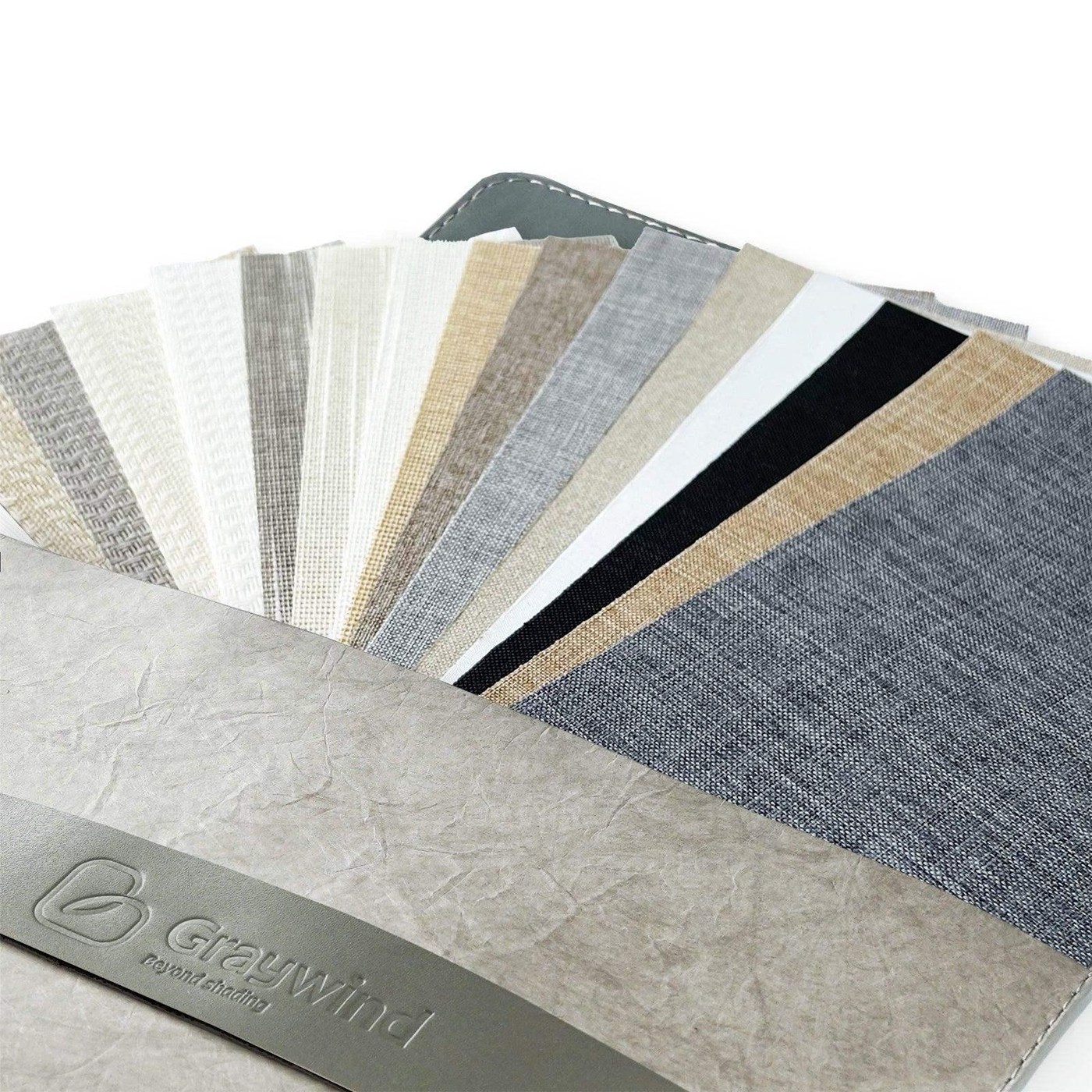
Order World Wide Shades swatches and view them with the sash closed and tilted. A sample that looks right on a flat window may read differently when the shade is close to a black or white frame.
Handle clearance and control choice
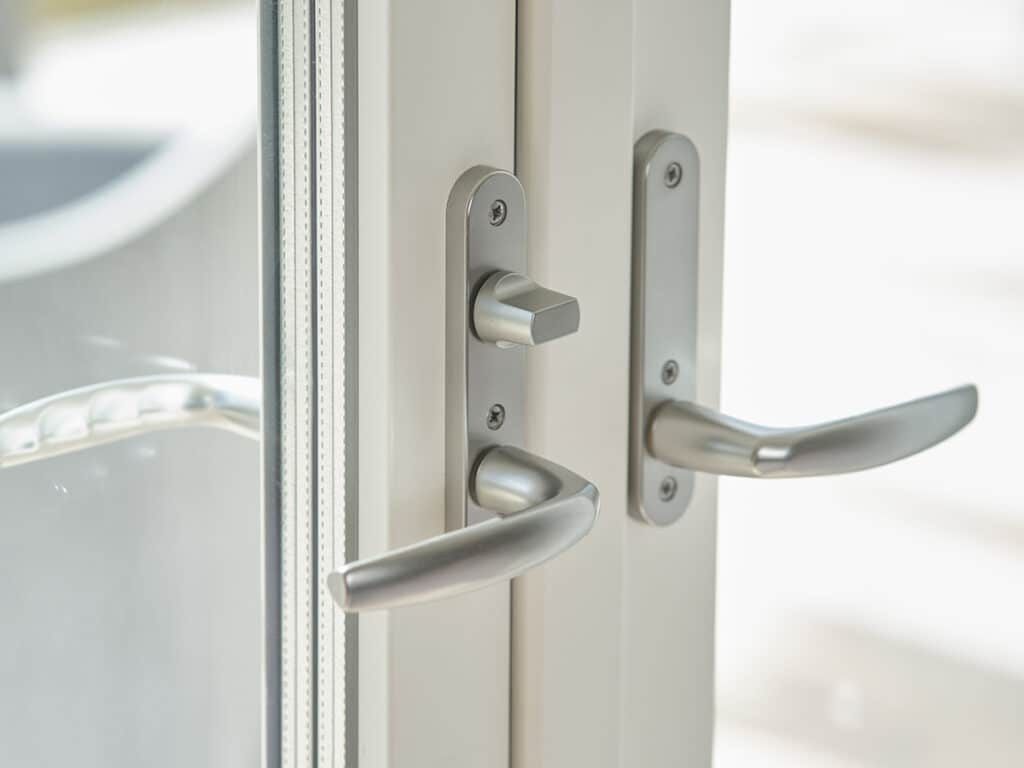
Tilt-and-turn handles commonly point upward, sideways, or downward depending on sash position. A low-profile cassette, a reverse roll, or a sash-mounted retention system can protect that handle path. Never force a handle around a shade or use the shade as a handhold.
For reachable windows, a cordless manual shade can be simple and economical. For high windows, grouped openings, or rooms where shades need to move before ventilation, motorization improves consistency. Battery motors can keep a retrofit clean, while hardwiring may suit a new build or a tall opening. Estimate daily movement: a morning vent, midday glare adjustment, and evening privacy close is about three movements per day.
Use the World Wide Shades builder to compare manual and motorized configurations, then call World Wide Shades at (844) 674-2716 if the shade must travel with the sash. Motor specifications should be based on finished fabric size, not only the visible glass.
Light gaps and privacy at night
Inside mounts naturally leave room for brackets and movement. If the window is in a bedroom, privacy can be more important than a perfectly flush look. Consider an outside mount when the sash is rarely opened, or a specialized cassette and guide when the sash must move. Remember that a light-filtering fabric can look private by day but reveal silhouettes when the room is lit at night.
For sleep-level darkness, blackout fabric plus a careful mount is more effective than fabric alone. A side gap of 1/4 inch on each side can be visible in a dark room, particularly across a row of windows. The blackout curtains vs. blackout shades guide explains why perimeter design matters. Contact World Wide Shades if a nursery or bedroom needs a darkness-focused specification.
Child and pet safety
Tilt-and-turn windows are often low enough for a child or pet to reach. Keep cords out of reach and consider cordless or motorized control. Secure remote controls and avoid a bottom bar that can become a climbing or pulling point. The child-safe window treatments guide provides a safety-first checklist.
If a cat, dog, or active child uses the sill, select a fabric and bottom-bar finish that can tolerate normal contact and teach the household not to push the sash into a lowered shade. Ask World Wide Shades for a pet-aware treatment recommendation.
Installation and daily operation
Installation should not obstruct hinges, drainage paths, or weather seals. Use the correct fasteners for the frame material and avoid drilling into a mechanism. Test the shade with the window locked, tilted, and turned. Test the handle at every position and verify that the fabric rolls straight.
Create a simple operating order: raise or park the shade, unlock the handle, tilt or turn the sash, then close and relock before lowering the shade. If motorization is used, a window sensor or an automation can help, but never rely on a routine as a substitute for checking the sash. Contact World Wide Shades if the shade binds or the motor limit needs adjustment.
Dust with a soft brush or vacuum attachment. For a bathroom, ventilate the room and avoid spraying cleaner onto fabric or motor components. Keep the bottom bar and guide hardware free of dust so the shade can move without drag.
Budget and lead-time planning
Many custom manual roller shades fall roughly in the $150–$600-per-opening planning range. Specialized sash-mounted hardware, cassettes, guide wires, and motorization can add $150–$500 or more. Installation may add $75–$250 per opening, with unusual frames and high access increasing the total. These are budgeting ranges, not a quote.
Plan for about 3–8 weeks after final fabric and measurement approval, with specialty hardware potentially adding time. Confirm the window manufacturer, frame depth, and hardware finish early. Ask World Wide Shades for a project estimate if several tilt-and-turn windows need a matching finish. Call World Wide Shades at (844) 674-2716 when the frame manufacturer or sash hardware is unusual.
FAQ: roller shades for tilt-and-turn windows
Yes. Options include sash-mounted shades that move with the window, compact recess-mounted shades, and outside mounts for openings that are rarely operated. Clearance must be checked in both tilt and turn positions.
A sash-mounted or slim inside solution often preserves ventilation, while an outside mount can offer better coverage when the sash seldom opens. The best choice depends on frame depth, handle sweep, and daily use.
Measure the frame width and height in three places, reveal depth, sash thickness, handle projection, and clearance in the closed, tilted, and turned positions. Photograph the hinges and seals.
Use blackout fabric when sleep or projection darkness matters, but pair it with a mount or guide that limits perimeter light. Fabric alone cannot eliminate light around the edges.
They are useful for high or grouped windows and for routines that raise shades before ventilation. Choose a motor and mounting system specifically approved for the sash movement.
Stop operating it and do not force the handle. Take photos and measurements of the interference, then contact World Wide Shades for a clearance review.
Start with the World Wide Shades builder, request swatches, or contact World Wide Shades to plan an inside-mount solution that preserves your window’s two opening modes.