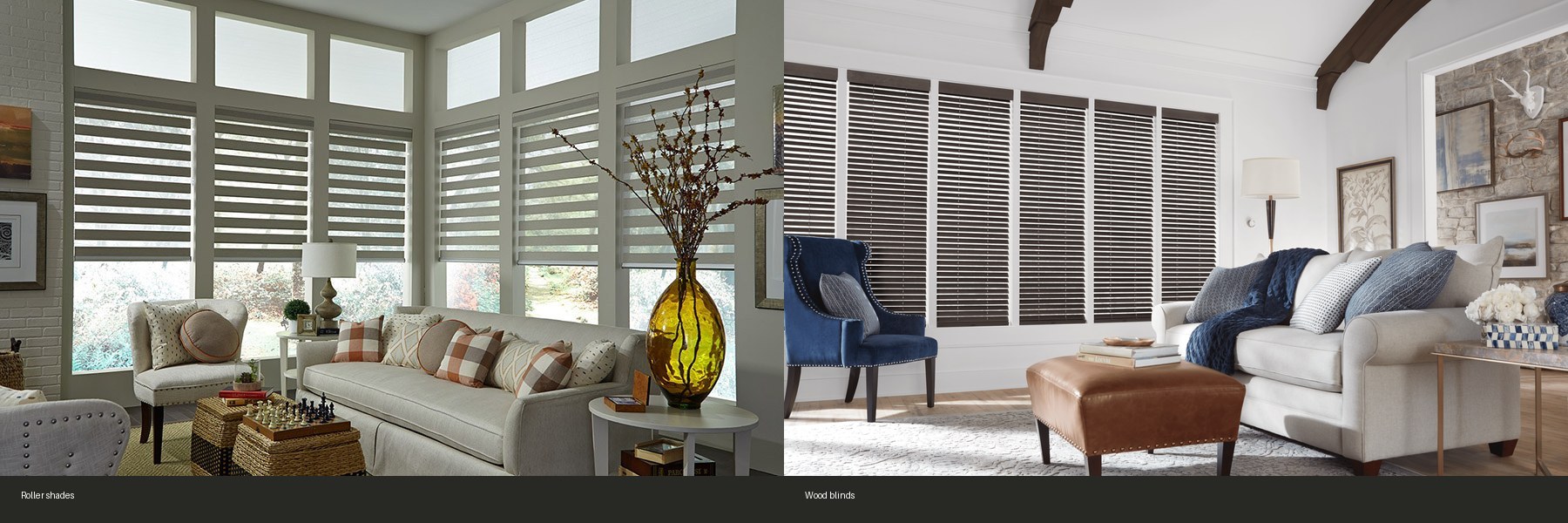
Roller shades vs wood blinds is a choice between a continuous fabric surface and horizontal slats made from real or composite wood. Both can provide privacy and a finished window, but they behave differently in sun, moisture, and everyday use. Roller shades are usually slimmer and easier to automate. Wood blinds offer adjustable slats, a stronger architectural look, and the ability to direct light upward or downward.
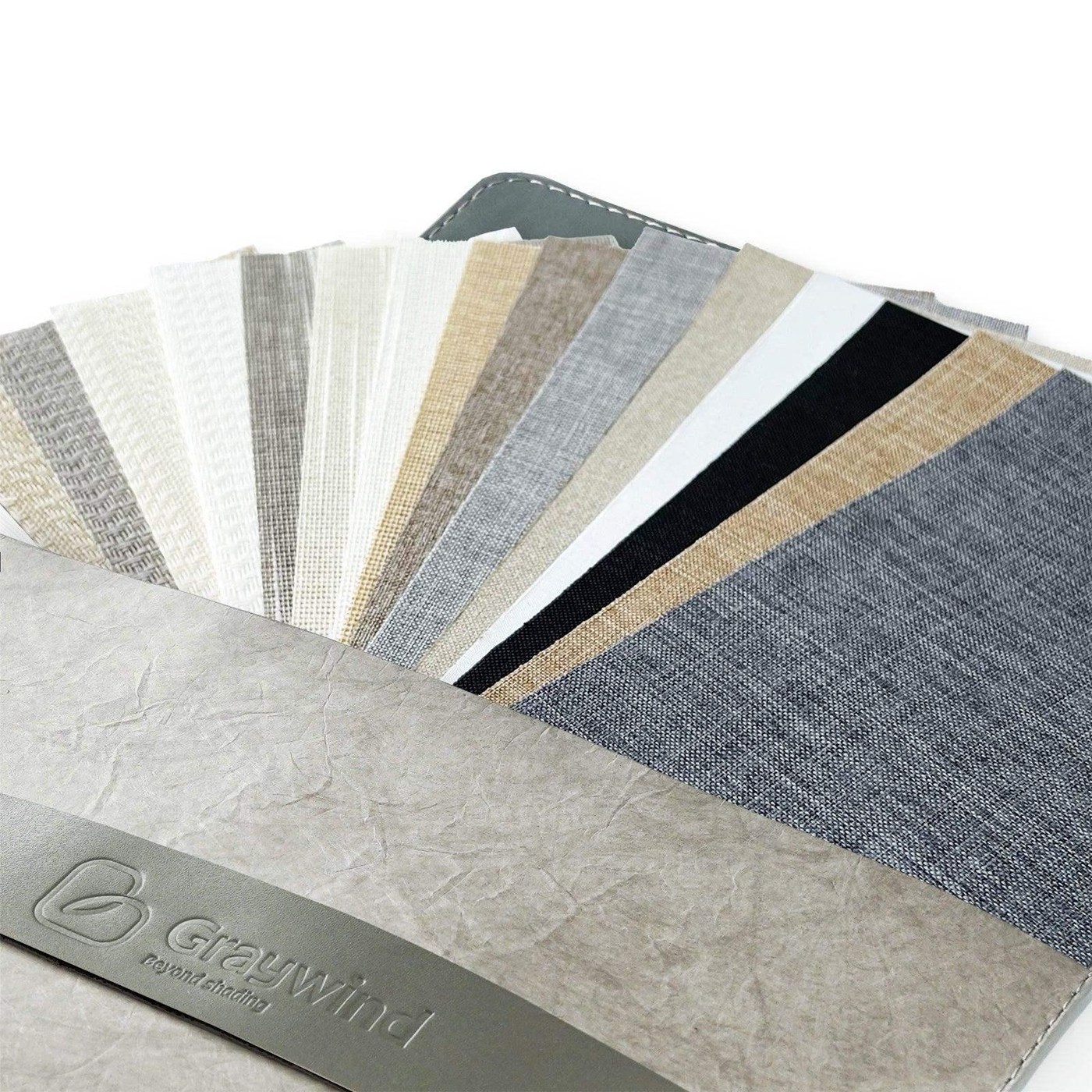
World Wide Shades helps homeowners choose by room and performance instead of treating one style as universally better. Compare fabrics in the World Wide Shades builder, or order swatches to see how a roller shade's color and openness compare with your trim and flooring.
The quick comparison
Choose roller shades when you want a clean profile, broad fabric choices, simple cleaning, or motorized control. Choose wood blinds when you want precise slat direction, natural grain, or a traditional treatment with more visual structure. On a standard 36-by-60-inch window, manual roller shades often start around $100–$250, while custom wood blinds commonly begin around $200–$500 and can rise with wider slats, premium stains, and installation.
Those ranges overlap because size and construction matter. A large blackout roller may cost more than a small faux-wood blind. Ask for the full specification, including valance, ladder style, control, and installation, before comparing quotes.
Light control: continuous fabric versus adjustable slats
A roller shade changes light by raising, lowering, or selecting a different opacity. Solar fabrics are commonly labeled by openness: 1%, 3%, 5%, or 10%. Lower percentages block more glare and provide more daytime privacy; higher percentages preserve more view and daylight. A blackout roller blocks light through the fabric, but the mount and side gaps still affect darkness.
Wood blinds use slats, often 2 inches wide, that tilt through a range of angles. Tilted slats can bounce light toward the ceiling while blocking a direct view. Fully closed slats offer strong privacy but create more horizontal shadows. For a bedroom or media room, compare the edge leakage discussed in blackout curtains vs. blackout shades.
Ask World Wide Shades for fabric guidance if you are trying to balance a view, a screen, and privacy on the same window. A dual roller can combine daytime solar control with nighttime blackout when one fabric cannot do both.
Privacy and views
At night, an open solar roller can show silhouettes when interior lights are brighter than the outdoors. Wood blind slats can be tilted to a privacy angle, but small gaps remain between slats and at the edges. A room-darkening or blackout roller is more predictable for sleep, especially with an outside mount and 2–3 inches of side overlap.
During the day, a 3% or 5% solar roller can preserve a recognizable exterior view while reducing screen glare. Wood blinds can preserve a view only when the slats are tilted open, which may allow direct sun. Our best roller shades for living rooms guide covers view-through choices for high-use spaces.
Maintenance and durability
Roller shade fabric has no individual slats to bend or ladder cords to collect dust. Dust with a soft brush or low-suction vacuum, then spot-clean only when the fabric label permits it. Avoid saturating the tube or scrubbing a coated blackout surface.
Wood blinds need regular dusting across both sides of the slats. Real wood can swell, crack, or warp when repeatedly exposed to moisture, while composite or faux-wood alternatives handle humidity better. A broken slat can sometimes be replaced, but repairs require matching the finish and route holes. For kitchens and baths, read roller shades for kitchens and bathrooms before selecting a material.
World Wide Shades can recommend moisture-appropriate roller fabrics for locations where wood is a maintenance risk. Request samples and test the texture with the cleaning routine you are willing to follow.
Insulation and solar performance
Neither product should be treated as a replacement for efficient glazing, weatherstripping, or insulation. Both can reduce direct solar exposure when closed. A roller shade with a reflective backing or cellular-style construction can add a stronger thermal benefit than a thin decorative fabric. Wood blinds create an air space at the glass, but gaps around slats and the headrail limit the effect.
The U.S. Department of Energy notes that window attachments can reduce heat transfer, but the result depends on fit and installation. For practical comparisons of fabrics and orientations, see energy-efficient window shades and best shades for south-facing windows.
Style and proportion
Roller shades read as a simple plane of color and texture. That makes them useful in modern, Scandinavian, transitional, and small-room interiors where visual clutter is a concern. Linen-look fabrics, subtle weaves, and warm neutrals can add depth without competing with art or furniture.
Wood blinds add lines and grain. They suit traditional, craftsman, coastal, and transitional rooms, and a painted finish can coordinate with trim. Slat width changes proportion: 2-inch slats feel substantial, while 1-inch slats create a busier rhythm. If you prefer a woven natural texture without separate slats, compare woven wood shades.
Use the World Wide Shades color guide before choosing a fabric. Test undertones against the floor and casing; a “white” that reads blue beside warm oak can make the whole window feel mismatched.
Operation and child safety
Roller shades can be cordless, chain-operated, or motorized. A battery motor is helpful for tall windows and schedules, while cordless operation keeps the window area visually clean. Wood blinds may use a tilt wand plus lift mechanism, cordless lift, or motorized tilt. Confirm control placement and reach in nurseries, playrooms, and homes with pets.
For safety basics, review child-safe window treatments. World Wide Shades can help specify cordless or motorized controls for the room's users, and the builder lets you begin with the window size and fabric performance.
Total cost and replacement value
Roller shades generally have fewer components, which can keep the initial price and maintenance burden lower. Wood blinds may justify the additional cost when their grain, slat control, or trim detail is central to the design. A practical project range for four standard windows is about $450–$1,200 for manual custom rollers and $900–$2,000 or more for premium wood blinds, before unusual installation conditions.
Think about replacement timing. A shade that is easy to clean and automate may provide more daily value even if the style is quieter. World Wide Shades can compare manual, motorized, solar, and blackout roller options without forcing a one-style answer. Contact the team for a room-specific recommendation, or call (844) 674-2716 with your window count and sizes.
Room-by-room recommendations
Rollers are often the practical choice in bedrooms, offices, and media rooms where opacity and glare control matter. Wood blinds can be especially effective in dining rooms, studies, and formal living rooms where slat direction and grain support the architecture. In a humid bathroom or busy kitchen, choose a moisture-tolerant construction and keep the cleaning method simple.
When adjacent rooms share a sightline, coordinate the outside color and headrail height even if the operating styles differ. World Wide Shades can help you keep the exterior view consistent while tailoring opacity inside each room.
Frequently asked questions
Roller shades are usually better for a slim profile, fabric performance, motorization, and simple cleaning. Wood blinds are better for adjustable slats, visible grain, and a traditional architectural look. The right choice depends on the room's light and moisture conditions.
A properly mounted blackout roller usually provides the more consistent darkening surface. An inside mount still allows some light at the edges; outside mount, cassette, or side channels can improve the result.
Wood blinds can add an air space, but their slat and perimeter gaps limit insulation. A tightly fitted roller with a reflective or insulating backing may perform better for a specific window. Compare construction, not the product name alone.
Usually. Most roller fabrics need light dusting and occasional approved spot cleaning. Wood blinds require dusting across many slats and need extra care around humidity.
Manual roller shades often cost less on standard windows, with common ranges of $100–$250 each. Custom wood blinds often begin closer to $200–$500 each, but size, finish, slat width, and installation can change both totals.
Yes. Use roller shades where glare, automation, or a clean profile matters, and wood blinds where grain and slat control support the design. Coordinate undertones and mount heights so the mix feels intentional.
Compare roller shade options with World Wide Shades, request fabric swatches, or contact the team for help choosing between fabric and slats.