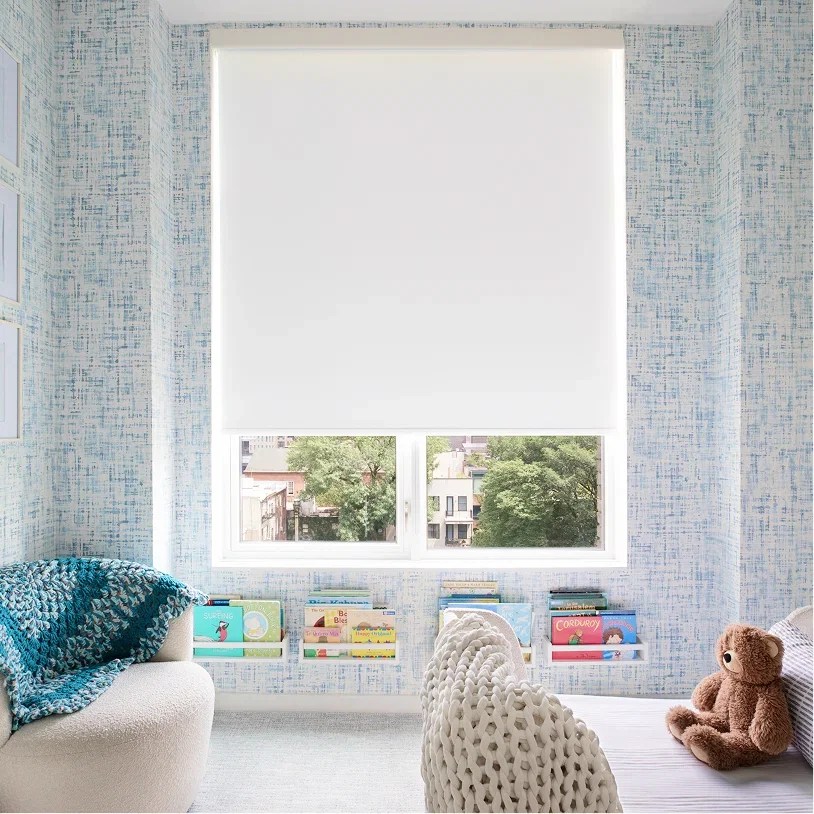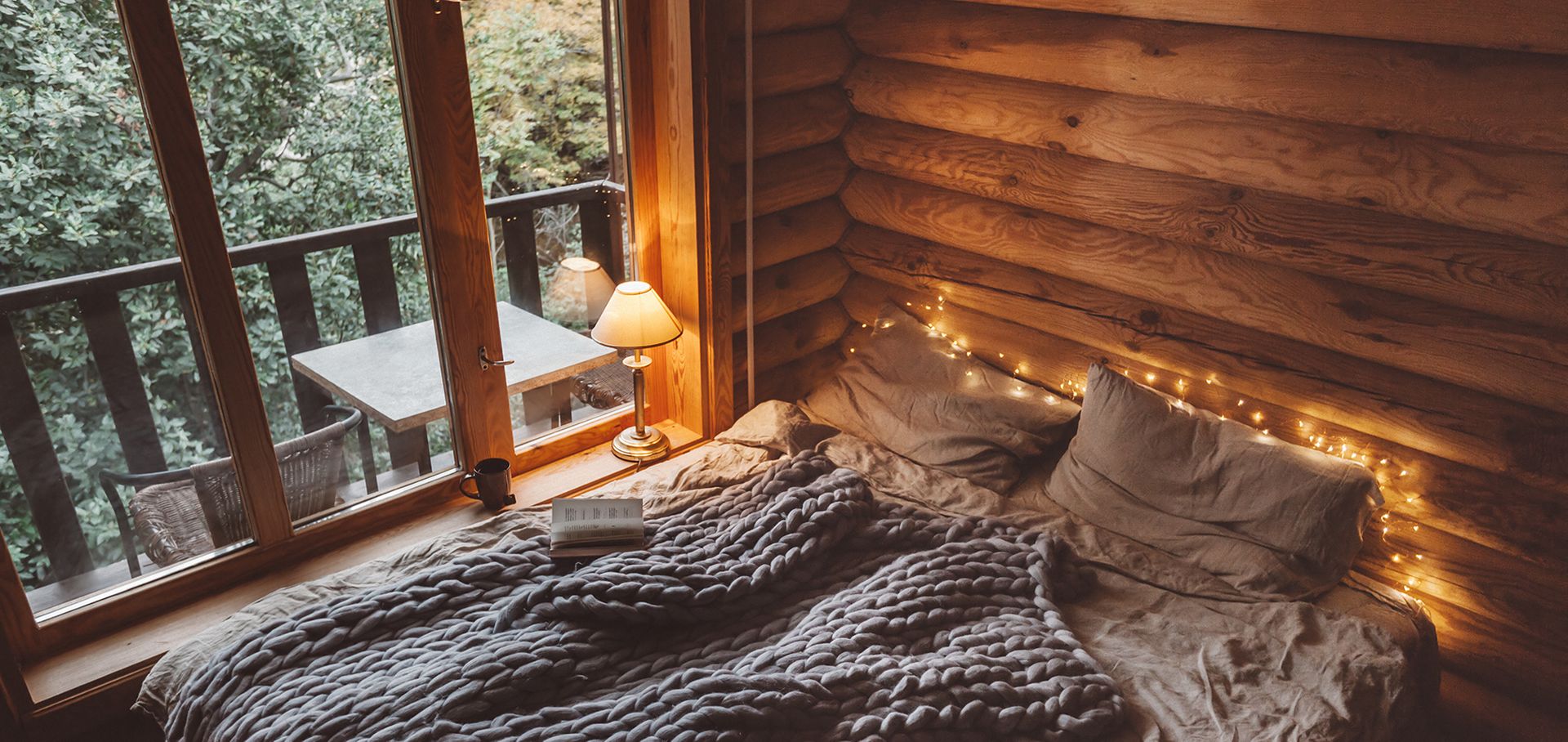
A cabin window should connect you to the woods, not turn every sunrise into a glare event or every evening into a privacy concern. Rustic cabin roller shades are a practical way to frame woodland views while controlling heat, fading, insects-attracted light, and the bright contrast that makes reading or watching a screen uncomfortable.
World Wide Shades designs custom shades around the view, the wall material, the window depth, and the way the cabin is occupied. Start a cabin design in the World Wide Shades builder, order World Wide Shades fabric swatches, or contact World Wide Shades for help with an unusual opening. Call (844) 674-2716 when you need advice for a great room, loft, or remote property.
Begin with the view and the exposure
A woodland setting changes the shade brief. You may want an open view from breakfast through sunset, but need glare control on a west-facing wall from 3:00 to 7:00 p.m. A south-facing window can add useful winter warmth and uncomfortable summer heat. A bedroom facing east may need darkness at 6:00 a.m., while a living room facing north may need only soft privacy after dusk.
Spend one clear day recording the room at 8 a.m., noon, 4 p.m., and after dark. Note where a beam lands on a table, television, floor, or bed. Also note whether neighboring cabins, a road, or a deck can see into the room when interior lights are on. World Wide Shades can turn that exposure map into different fabric recommendations for each elevation. Plan the window-by-window layout before choosing one shade type for the whole cabin.
For deep seasonal glare, pair a solar screen with a separate room-darkening layer. The best shades for south-facing windows guide explains why orientation matters more than a paint color or a generic “dark” label.
Choose a fabric that keeps the cabin feeling natural
Solar shades use an open weave, often described by openness factors of 1%, 3%, or 5%. A 5% screen keeps the most view and daylight but gives up some glare control. A 3% screen is a balanced starting point for a dining table or sofa near glass. A 1% screen gives stronger glare and privacy control, especially on a bright west wall, but the woodland view will look more filtered.
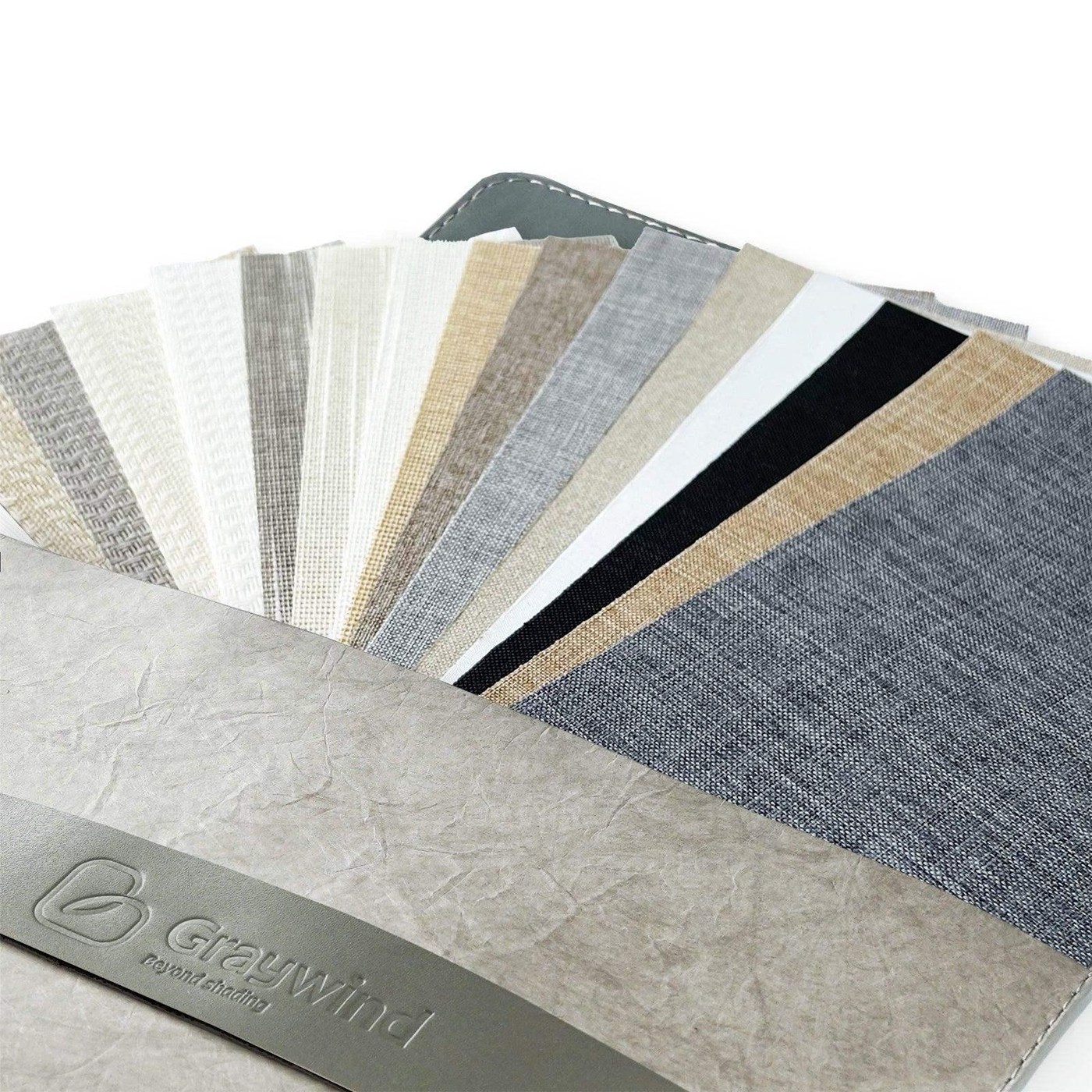
The openness number is not a complete privacy rating. During daylight, the brighter side is usually the side people see more easily; at night, a lit cabin can reveal silhouettes through a screen. Test a swatch with the cabin lights on behind it. Order samples from World Wide Shades and compare the fabric against logs, stone, flooring, and the actual view rather than judging it under retail lighting.
Light-filtering roller fabric diffuses direct rays without making the room feel sealed. It works well in a great room used for board games, cooking, and reading. A pale, textured fabric can echo linen or unfinished wood while reducing the sharp boundary between bright glass and darker timber walls.
Light filtering is not blackout. If the cabin is rented to guests, has an early sunrise, or sits near a lit driveway, use a room-darkening or blackout fabric in sleeping spaces. Read the light-filtering shades guide for a clearer comparison.
Blackout fabric blocks visible light through the cloth, which is useful in loft bedrooms and media nooks. It cannot automatically block light around the perimeter. For a dark sleeping room, an outside mount with approximately 2 to 3 inches of overlap per side, a cassette, or side channels can make a bigger difference than changing from one dark fabric to another.
World Wide Shades can pair a blackout shade with a simple hem bar and a quiet cordless or motorized lift. Contact the shade team if the opening is over a bunk, behind a headboard, or too high to reach safely.
Coordinate color with logs, stone, and landscape
Rustic does not have to mean red plaid. Warm white, oatmeal, flax, mushroom, bark brown, charcoal, and muted olive can reinforce the cabin palette without competing with a view. A matte surface usually feels calmer beside knots and grain than a high-sheen finish. If the walls are dark, a medium-light fabric can keep the room from becoming visually heavy when the shades are lowered.
Use the shade to repeat one finish already in the room. A charcoal hem bar can echo a stove or black window frame. A warm neutral can connect maple trim to a stone hearth. Woven textures are attractive, but they may admit more pinprick light than a tightly coated roller. Compare the woven wood shades guide with a smooth roller before deciding whether texture or light control has priority.
World Wide Shades can help coordinate one fabric family across different sizes while changing opacity by room. See color and texture options in the builder so the great room, kitchen, and bedrooms feel related rather than identical.
Decide between inside and outside mount
Inside mount keeps the shade within the recess and shows the wood casing. It needs enough depth for the brackets, tube, fabric roll, and bottom rail. Record width at the top, middle, and bottom; record height at the left, center, and right; and follow the final deduction rules for the chosen system. Check for log irregularity, trim returns, crank handles, screens, and insect-screen frames.
Outside mount is forgiving when a log wall or handmade trim is not perfectly square. It can also cover more of the opening and reduce side light. A planning range of 2 to 3 inches of overlap per side is common, but a cassette and the available wall surface determine the real number. Do not mount into thin trim without checking the structure behind it.
Cabin windows are often tall or grouped. A 96-inch opening may be better divided into two coordinated shades than one heavy unit; two shades also let you keep the upper view open while lowering the section nearest a table. World Wide Shades can verify tube capacity, bracket support, and the meeting point. Send measurements through the contact page before ordering hardware.
Handle heat, UV, and condensation
A solar screen can reduce direct brightness and help protect finishes from ultraviolet exposure, but performance depends on fabric color, openness, glass, and installation. Floors, leather, rugs, artwork, and wood furniture are all vulnerable to long periods of direct sun. The UV protection window shades guide explains why a shade is useful preventive care, not a guarantee that fading stops.
In a cold climate, keep the shade position consistent and allow air to circulate near the glass. A fully closed shade pressed against damp condensation can encourage moisture problems. In a humid summer cabin, choose a cleanable fabric and leave ventilation paths open when the property is unoccupied. Shades manage light and comfort; they do not replace roof, seal, or HVAC work.
Add controls that fit a remote property
Cordless lift is simple for a reachable window and removes a dangling cord from a bunk or pet area. Motorization is useful for clerestory windows, high great-room glass, and cabins that need a “close all” command before a storm or departure. Rechargeable motors avoid opening finished walls; hardwired power suits a new build where electricians can plan low-voltage routes.
A smart scene can raise shades at 8:00 a.m., lower west-facing shades at 3:30 p.m., and close sleeping-room shades at sunset. Keep a physical remote available for guests and for times when the internet is down. Review smart-home motorized shades setup and motorized shades with Alexa or Google Home before choosing a hub.
World Wide Shades can specify consistent controls for several rooms without forcing every window onto the same schedule. Ask for a motorization recommendation if the cabin has tall glass or no nearby outlet.
Budget for custom cabin conditions
As a planning range, a small manual custom shade may cost about $175 to $400. A larger solar or blackout shade with a cassette may land around $350 to $850, while motorization commonly adds approximately $250 to $600 per shade. Side channels, split units, remote installation, specialty brackets, and difficult access can raise the total.
Those figures are planning ranges, not a quote. Width, height, fabric, lift, mounting, quantity, and shipping all matter. The custom roller shades cost guide breaks down the main variables. Use the World Wide Shades builder to see the configuration, then contact World Wide Shades for a dimension-based proposal.
Maintain the shades between seasons
Dust with a soft brush or low-suction vacuum at the start and end of the season. Spot-clean only as the fabric instructions allow; soaking a coated blackout backing can create marks or delamination. Check that the bottom rail stays level and that no branch, screen, or latch rubs the fabric.
If a motor sounds strained, a chain pulls unevenly, or the shade stops short of the sill, stop operating it rather than forcing the system. Record the shade position and contact World Wide Shades for troubleshooting. A small alignment issue is easier to correct before the tube, fabric edge, or bracket is damaged.
FAQ: rustic cabin roller shades
A 3% or 5% solar screen is usually the best starting point when preserving a woodland view is the priority. Choose 1% for stronger glare control, or use a dual system when bedrooms also need darkness.
Not reliably when the interior is brighter than the outside. At night, choose a privacy, room-darkening, or blackout fabric and test the swatch with the cabin lights on. An outside mount or side channels can reduce edge visibility.
Inside mount preserves wood casing when the recess is deep and square. Outside mount is more forgiving for irregular log walls, shallow recesses, or a need for extra overlap around the window.
Start with 1% or 3% for afternoon glare. A 1% screen filters more view and light; a 3% screen balances glare reduction with daylight. A separate blackout layer may still be needed for sleep.
They are often worthwhile for high windows, grouped great-room glass, and remote properties. A scheduled close command can protect interiors before departure, while rechargeable motors avoid opening finished walls.
A broad planning range is $175 to $400 for a small manual unit, $350 to $850 for a larger cassette shade, and $250 to $600 extra for motorization. Exact pricing requires the opening dimensions, fabric, mount, and controls.
Keep the view, improve the room
Rustic cabin roller shades should make the landscape easier to enjoy, not hide it behind a generic treatment. World Wide Shades can balance openness, privacy, heat, UV exposure, mounting, and control by room. Start the design, compare swatches, or contact World Wide Shades for help. Call (844) 674-2716 when the cabin has tall glass, uneven timber, or a view you want to protect.