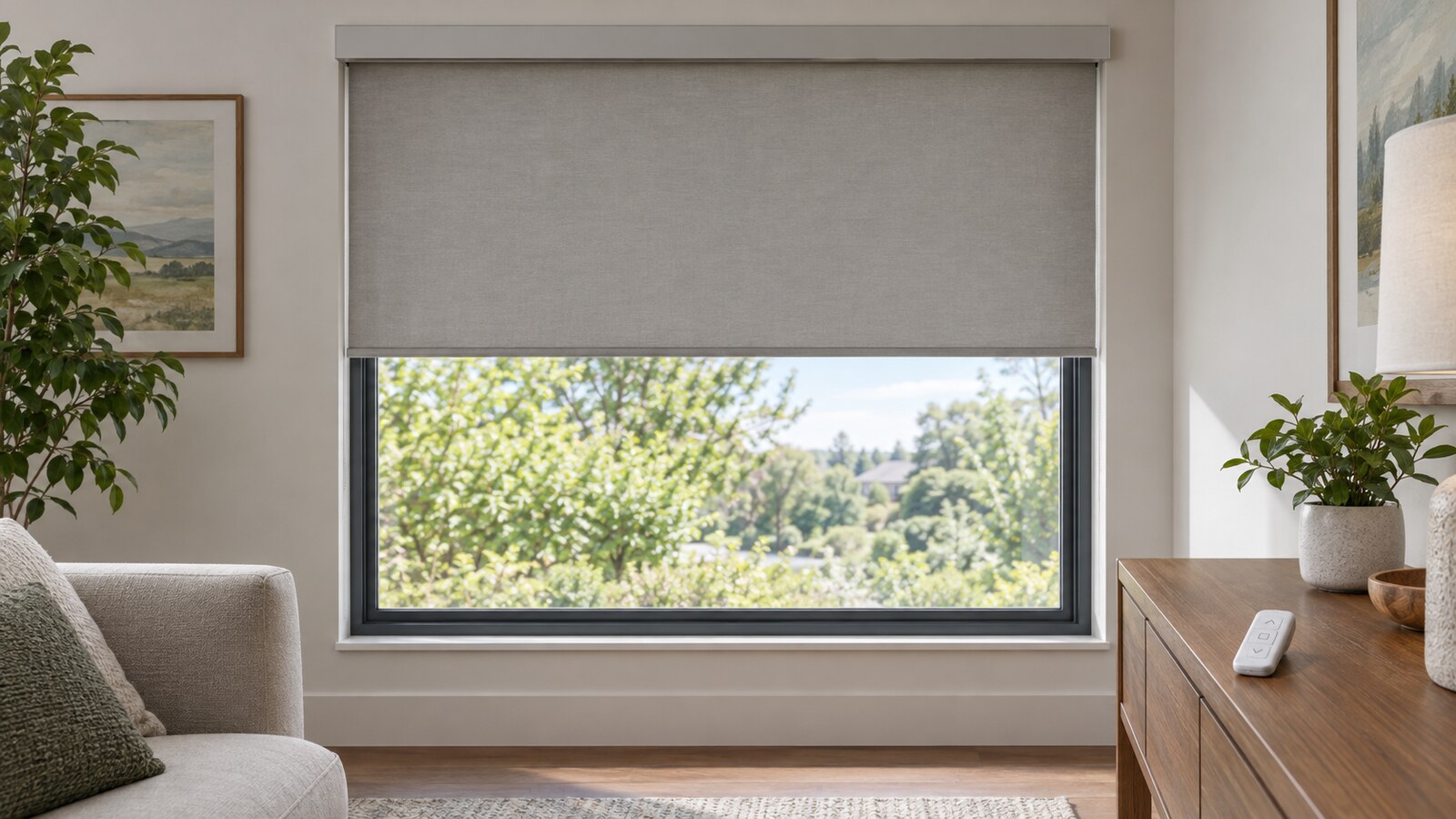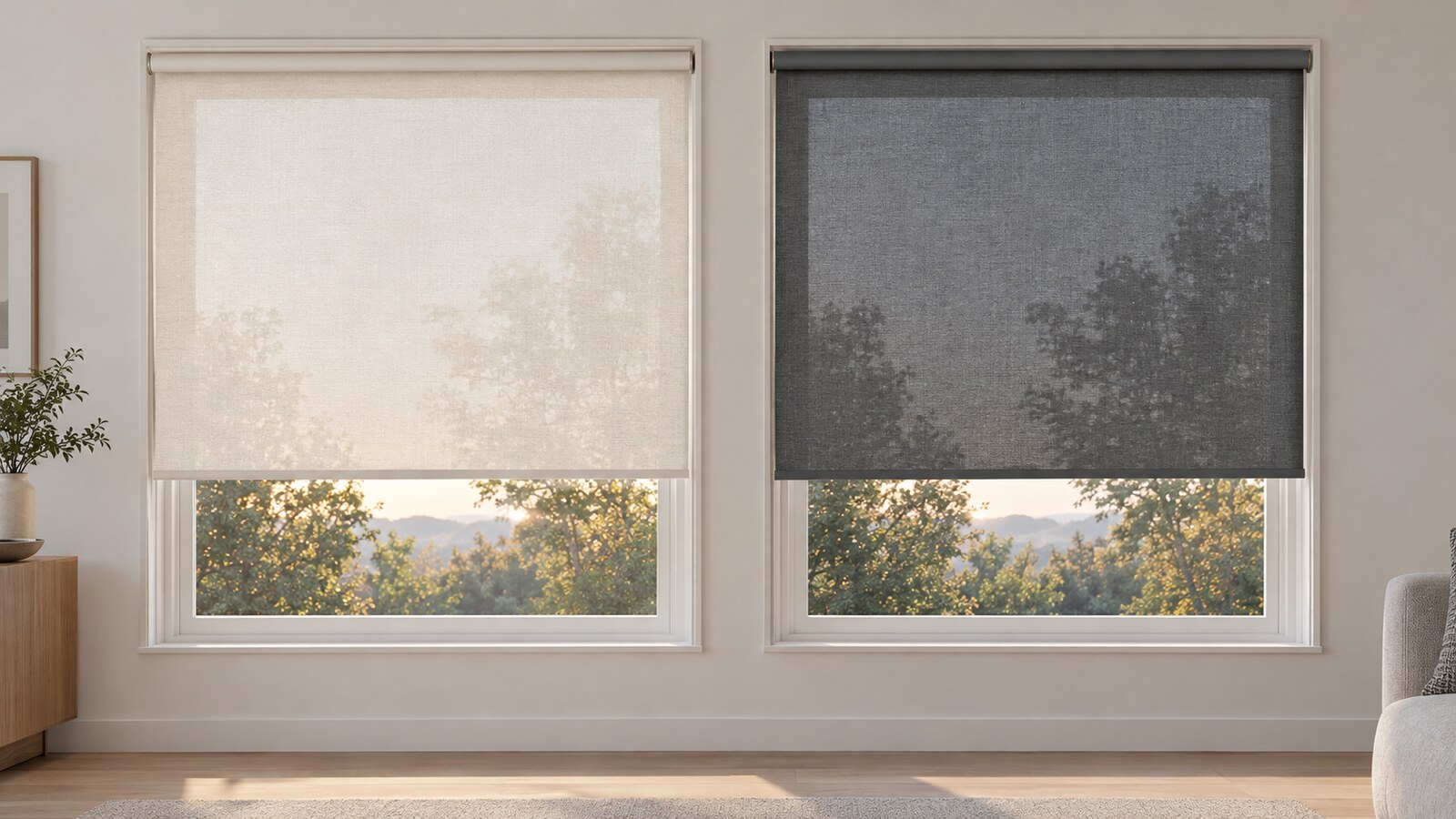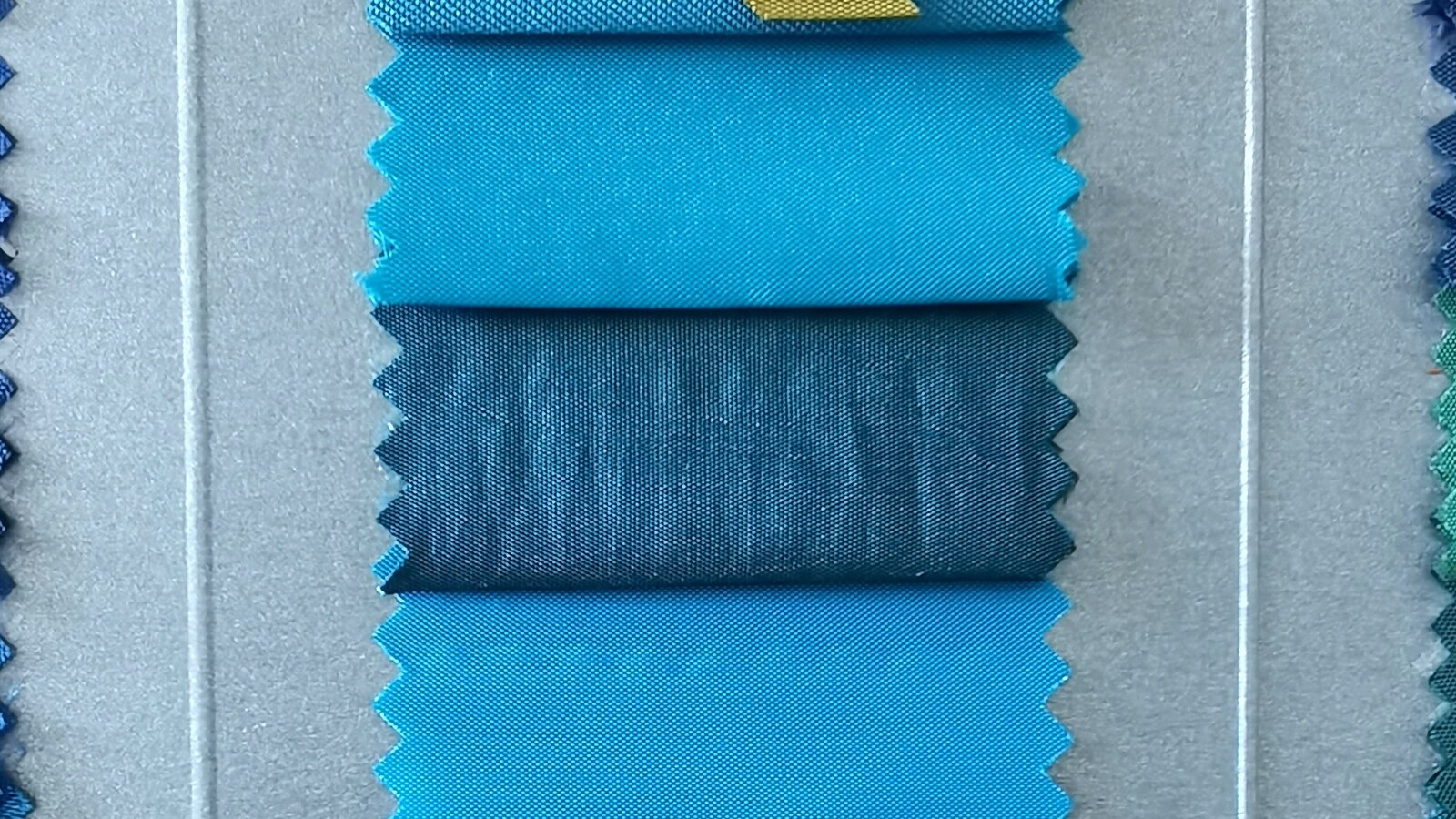
Window shade samples are most useful when you treat them as tools for answering specific questions, not just small squares of color. Does the fabric work with your wall paint? Can you tolerate its backlit appearance? Does it support the privacy you need after sunset?
At World Wide Shades, a thoughtful fabric comparison starts with the room and ends with a clearly identified material. Use the process below to narrow your options without expecting a small swatch to demonstrate everything about a finished shade.
Choose samples around the room’s main job
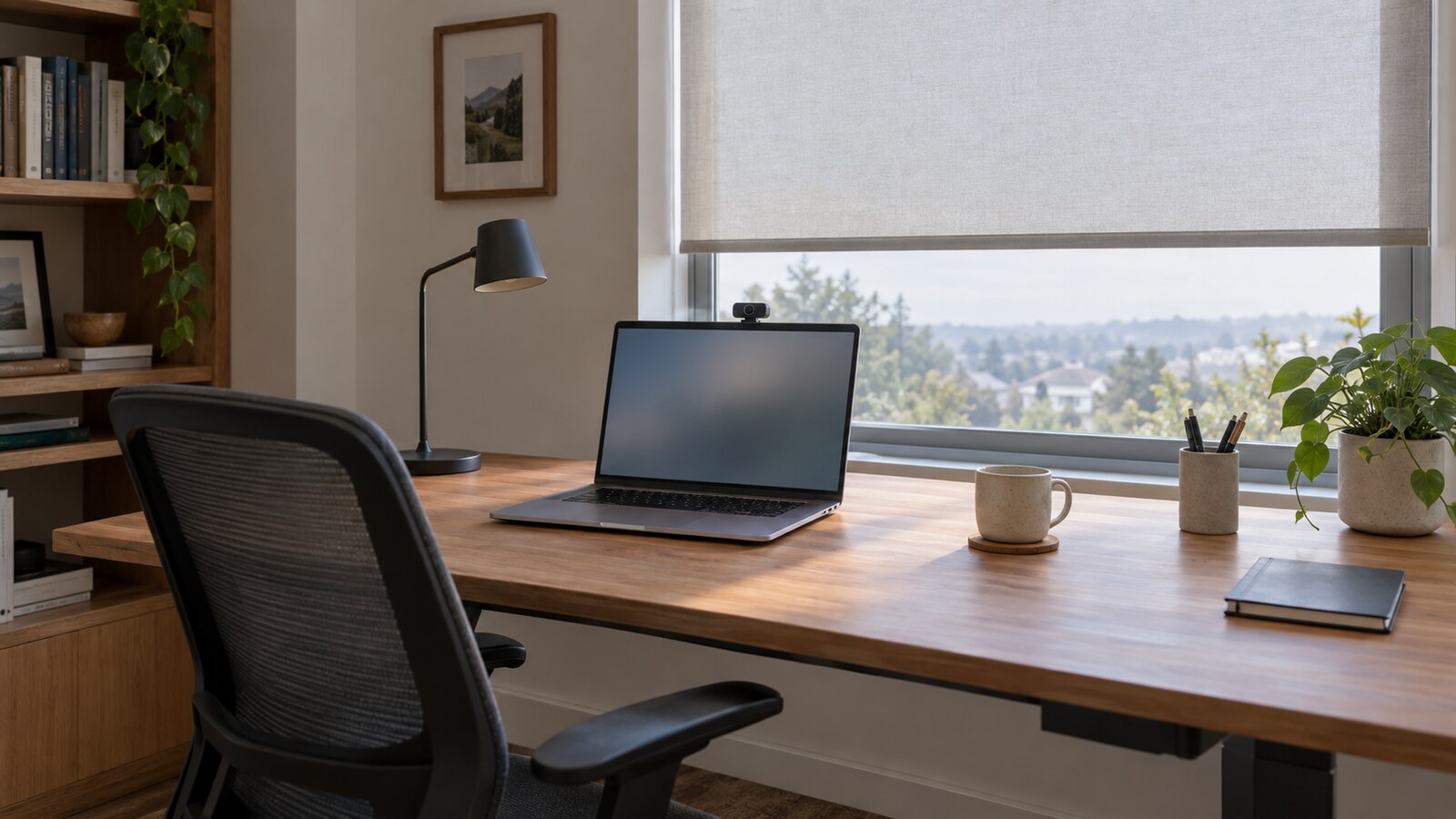
Write down the single problem the shade must solve before comparing colors. A living room may need softer daylight while keeping a view; a bedroom may prioritize privacy; a home office may need less distracting brightness near a screen.
Then identify a second priority and one acceptable compromise. For example, you might want a calm neutral color and reduced glare, while accepting that the shade will change the view outside.
World Wide Shades recommends separating these decisions rather than asking one attractive swatch to answer every question:
- Appearance: Decide whether the shade should blend into the walls or add a visible layer of texture.
- Daylight: Describe whether you want a bright room, softened light, or a substantially darker space.
- Privacy: Consider both daytime use and evenings with the lights on.
- Daily use: Think about the activities happening near the window, including television, reading, and video calls.
For background on fabric categories, start with our guide to the best fabrics for roller shades. If softened daylight is your priority, the light-filtering shades guide can help you frame the comparison.
Explore the World Wide Shades swatch page with your room priorities in mind. Check the current options and any ordering details before selecting materials.
Build a small, useful comparison group
As a practical starting point, compare three to five candidates for one room rather than collecting every similar neutral. Include a likely favorite, a warmer or cooler alternative, and a different texture or light-control option when appropriate.
These quantities are organizational suggestions, not scientific requirements. The goal is to make the differences easy to describe and avoid losing track of nearly identical choices.
Keep every sample attached to its identifying information. Record the collection name, color name, fabric code, and stated light-control category wherever those details are supplied.
If two materials look almost identical, do not assume they perform the same way. Openness describes the proportion of open area in a fabric, rather than serving as a complete description of its optical performance (U.S. Department of Energy window-attachment report).
For your World Wide Shades comparison, make one short note for each candidate: “promising beside oak floor,” “too bright when backlit,” or “privacy needs confirmation.” Specific observations are more useful than ranking everything from best to worst before testing it in place.
Compare color beside the finishes that will stay
Start away from the window with the sample held vertically, in roughly the orientation of the future shade. Compare it beside the wall, trim, and a fixed finish such as flooring, cabinetry, or a large upholstered piece.
For a manageable routine, spend about two minutes with each candidate at each finish. This is a practical way to slow down your judgment, not a validated color-testing interval.
Look for a relationship you can describe. A shade does not need to match the floor, but you should be comfortable with the combination of undertones and texture.
Examine the weave from roughly 12 to 18 inches away, then step back about 6 to 10 feet if the room allows. Use the closer view to notice texture and the farther view to judge how much attention you want the shade to attract.
Treat these distances as convenient viewing positions, not product standards. If the normal view is from a sofa across the room, use that seat too.
Place only two finalists side by side for the last comparison. Then view each alone so the decision does not depend entirely on which neighboring swatch makes it look warmer, grayer, or brighter.
The window shades color guide offers more help with coordinating a shade and the room around it. World Wide Shades encourages choosing for the finishes you intend to keep, rather than a temporary accessory.
Ask World Wide Shades about your fabric shortlist, or call (844) 674-2716 if the labels leave you unsure what you are comparing. Have the exact fabric names ready so the conversation stays specific.
Run a daylight and backlighting comparison
Move the samples to the actual window and compare them vertically with daylight behind them. Support them securely without damaging the fabric or window finish, and keep labels visible.
Try one viewing session in the morning and another during the room’s brighter afternoon period. Ten to fifteen minutes per session is a practical planning allowance; there is no universal clock time that works for every exposure, season, or home.
Use the same position for each sample and look from the same seat. Avoid comparing one candidate in direct sun with another in a shaded corner and treating the result as a fair comparison.
First look at the room-facing surface with the fabric beside the window. Then put it in front of the glass and describe what you notice: the texture becomes prominent, the color feels too bright, or the view is more obscured than you want.
For solar fabrics, outward visibility depends on openness, color, and the contrast between indoor and outdoor lighting, according to Phifer’s fabric privacy guidance. That is why a fabric name or a single openness percentage should not replace an in-room comparison.
If the sample has distinct front and back surfaces, confirm which side faces the room. Do not choose a fabric based on a reversed presentation that the finished product will not use.
A small swatch can help you compare the material itself, but it cannot cover the whole window or recreate the finished shade’s effect on the room. Treat the result as a shortlist decision, especially when a large expanse of fabric is involved.
Check privacy after dark without overclaiming the result
Repeat the comparison after sunset with the room lit the way you normally use it. Include the reading lamp, overhead lights, or bedside lighting that matters to your routine.
Solar fabric should not be treated as guaranteed nighttime privacy: Phifer explains that interior lighting can allow people outside to see in, even when the fabric offers daytime privacy (Phifer). Keep that distinction separate from whether you like its daytime appearance.
Where it is safe and permitted, have another adult look from an appropriate outdoor position while you hold the sample at the window. Test only what can be seen through the sample-covered area, and remember that the rest of the uncovered glass prevents this from being a full-room privacy demonstration.
Use a simple observation such as “details visible,” “movement visible,” or “cannot judge from this sample.” A swatch test should not become a promise about every viewing angle or lighting condition.
For a bedroom, compare the fabric decision with the complete coverage approach discussed in blackout curtains versus blackout shades. World Wide Shades can help you distinguish questions about the material from questions that need a finished-product specification.
Review your privacy priorities with World Wide Shades at (844) 674-2716 before committing to a fabric you have only seen in daylight. Ask about the exact material and proposed configuration rather than requesting a general assurance.
Use the finalists during the room’s real activities
Bring the last two candidates into the task that matters most. Sit at the desk, turn on the television, or open the book you normally read by the window.
For a home office, hold each fabric in the relevant window position and compare it while seated at your usual screen. A swatch will not shade the entire workspace, but it can help you decide whether its texture and backlit appearance belong on your shortlist.
Write down what the sample cannot answer. Full-window glare control, the effect of uncovered edges, and the completed room’s darkness need more than a small piece of fabric.
Do not estimate energy savings by touching a sample or deciding that one color feels cooler. DOE’s window-attachment research evaluates multiple material and installation characteristics, including reflectance, transmittance, openness, gaps, and deployment, rather than color alone (U.S. Department of Energy).
Our energy-efficient window shades guide provides a broader starting point for comfort questions. Keep any performance expectation tied to documentation for the product you are actually considering.
Explore a shade configuration in the World Wide Shades builder once your fabric shortlist is stable. Keep your preferred fabric identification nearby as you review the available selections.
Turn your observations into a clear order decision
Choose the candidate that meets your must-have requirement under the most demanding relevant condition. A fabric that looks beautiful at noon should not win a bedroom comparison if your nighttime privacy questions remain unanswered.
Before ordering, confirm the exact collection, color, fabric code, room-facing side, and stated light-control category. Also ask how the selected fabric relates to the configuration you intend to purchase.
Keep one labeled reference sample and your comparison notes where you can find them. If you later furnish an adjoining room, those notes are more reliable than remembering that you chose “the slightly warmer white.”
For the broader purchasing decision, read custom roller shades versus Home Depot. World Wide Shades recommends resolving uncertainty before ordering, rather than using an appealing color as a substitute for a complete fabric decision.
Frequently asked questions
Three to five candidates per room is a useful starting point, not a requirement. Narrow them to two finalists after checking the wall, floor, daylight, and evening conditions so you can make a focused decision.
Test the finalists in each room where you are considering them. Use the room’s normal lighting and seating position rather than assuming that a decision made at the kitchen table answers every window question.
No, a daytime view is not a nighttime privacy guarantee. Phifer notes that lighting inside a home can reverse visibility through solar fabrics after dark, so evaluate your needs using the specific fabric information and an appropriate coverage plan (Phifer).
No, a small sample does not demonstrate a completed window installation. Use it to compare the fabric, then ask separately about the finished configuration, uncovered areas, and the level of darkness you need.
Ask which fabrics can currently be sampled, how each sample is identified, and what ordering or delivery terms apply. Avoid assuming that every displayed fabric has the same sample options or that a sample request commits you to a finished shade.
Choose with evidence, then order with confidence
The best sample comparison leaves you with more than a favorite color. It gives you a named fabric, observations from your own room, and a short list of questions resolved before purchase.
Return to the World Wide Shades swatch page to review your next steps once you know what you want to compare. Keep your room priorities in view, and let them guide the final selection.