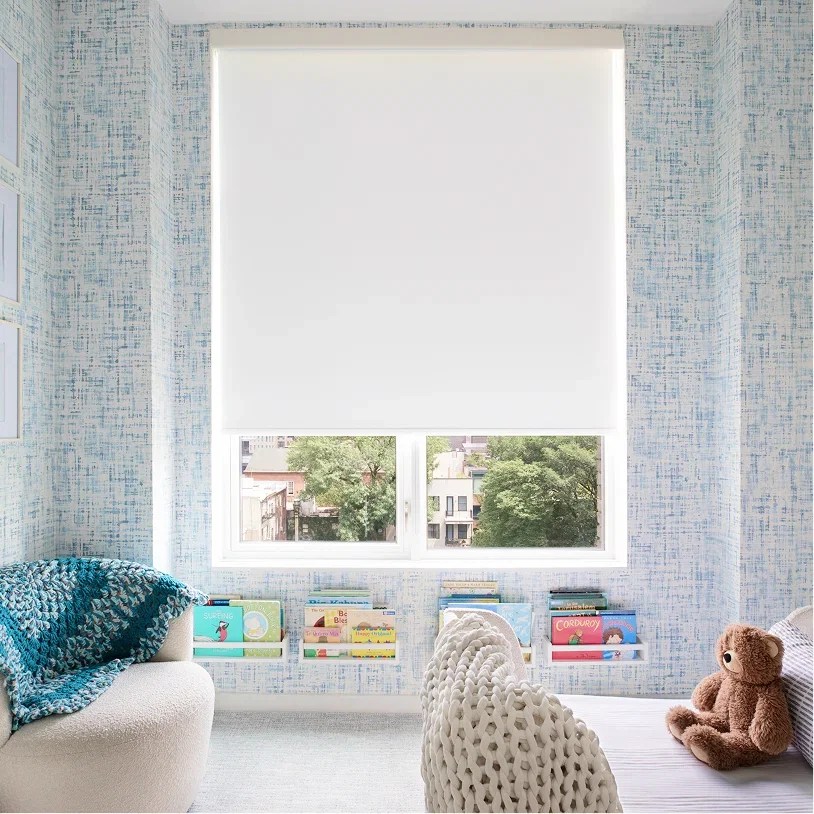
Art Deco interiors are built on contrast: polished and matte, dark and light, curved and linear, dramatic and disciplined. Windows give that language a large, uninterrupted surface, so Art Deco roller shades should do more than disappear. The best choices use a refined geometric texture, a confident color, or a metallic detail while keeping the roller profile tailored and functional.
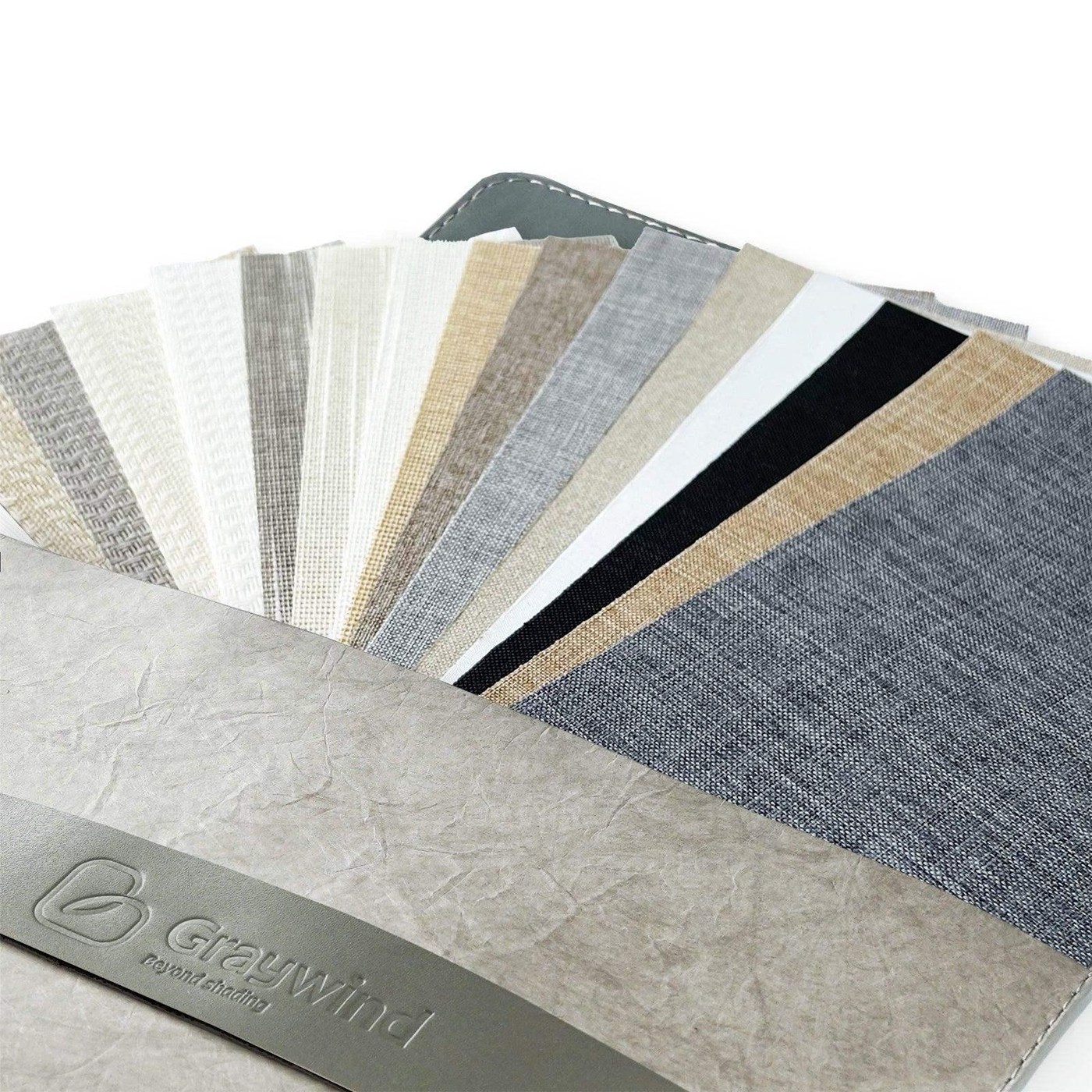
World Wide Shades can help translate the style into a shade that still controls glare, protects furnishings, and fits the opening accurately. Start with the World Wide Shades builder, compare bold and quiet fabrics through World Wide Shades swatches, or contact World Wide Shades for a multi-window concept. This guide covers pattern scale, opacity, color, mounting, and budgets for an Art Deco window treatment that feels sophisticated rather than costume-like.
The Art Deco window treatment formula
Classic Art Deco design often uses stepped forms, fans, sunbursts, arches, chevrons, lacquered surfaces, brass, chrome, black, cream, emerald, and jewel tones. A shade does not need every motif at once. Choose one strong cue and let the rest of the room support it.
A practical formula is:
- Use a flat roller silhouette as the disciplined base.
- Add geometry through a subtle weave, printed pattern, or border.
- Repeat one metal finish in the cassette, rod, or nearby lighting.
- Select opacity based on the room, not the pattern.
Window coverings also affect comfort. The U.S. Department of Energy discusses their role in managing solar heat, glare, and privacy. World Wide Shades can keep an Art Deco palette dramatic while using a 3% or 5% solar fabric, light-filtering cloth, or blackout backing where the architecture needs it.
Choosing the right Art Deco roller shade fabric
If the room already has a bold rug, marble, wallpaper, or chandelier, choose a tone-on-tone geometric texture. A fan, stepped diamond, ribbed line, or subtle chevron can catch light without competing with the room. Matte fabric is usually more sophisticated than a glossy vinyl surface, especially beside polished stone or lacquer.
Keep the pattern scale proportional to the window. A small 24-inch opening may need a micro-geometry or texture; a 72-inch picture window can carry a larger fan or arch motif. Order World Wide Shades swatches and hold them vertically against the glass so you see how the repeat lands.
Black, cream, deep teal, emerald, oxblood, sapphire, and tobacco can support Art Deco interiors. A bold shade color works best when it repeats a color already present in a chair, rug, art frame, or tile. If the shade is the only saturated element in the room, it can look disconnected.
Use our window shades color guide to compare undertones, then ask World Wide Shades to recommend a lining that preserves the color from the street side. A color consultation is especially valuable for windows that receive both warm sunset light and cool morning light.
Brass, champagne, bronze, and chrome can signal Art Deco, but metallic fabric may create glare if it is too reflective. Consider using the metal on a slim hardware detail or coordinating it with the room’s lighting rather than selecting a fully shiny shade. A matte bronze cassette can make a neutral roller feel intentional without turning the window into a mirror.
For a bold treatment that still feels livable, build your shade in a matte base fabric and reserve pattern or metallic trim for one focal window. World Wide Shades can help you balance multiple windows so the room has rhythm rather than repetition.
Opacity and glare control by room
A living room with south- or west-facing glass may benefit from a 3% or 5% solar roller. Solar screens preserve a view while cutting direct glare, which is useful beside glossy furniture, televisions, and polished floors. They do not provide full nighttime privacy when lights are on, so add a secondary privacy layer where the window faces neighbors.
A bedroom needs room-darkening or blackout fabric, especially if the room includes jewel-toned paint that makes small light leaks obvious. An outside mount can reduce side gaps; side channels or layered drapery improve darkness further. Compare options in blackout curtains versus blackout shades and best window shades for bedrooms.
A dining room can use light-filtering fabric to keep daylight soft while letting a geometric texture remain visible. A home theater or media room should prioritize glare reduction and darkness; review roller shades for a den or media room if you want a layered setup.
Call (844) 674-2716 or contact World Wide Shades if the same Art Deco fabric must work across rooms with different sun exposures.
Mounting and hardware for a tailored Deco look
Art Deco rewards clean alignment. Mount the shade at a common head height across a series of windows, and use an outside mount when trim depth or light gaps make an inside mount look compromised. Extending roughly 2 to 4 inches beyond each side can improve coverage if wall space allows. A valance or cassette can conceal the roll; select a simple profile that echoes the room’s metal finish.
Very wide windows may need two or more shades. Dividing a 96-inch opening into two 48-inch units often improves roll stability and operation, but the actual split depends on fabric weight, tube capacity, and the center mullion. For French doors and narrow sidelights, see roller shades for French doors. For unusual shapes, World Wide Shades can review the elevations before ordering.
A flat roller is the modern foundation; a slim brass rod or a restrained decorative fascia can add period character. Avoid stacking multiple competing details such as a patterned shade, ornate valance, decorative drapery, and high-contrast trim in the same opening.
Layering, motorization, and performance
A common Art Deco combination is a patterned or textured roller with solid drapery panels in a darker or lighter value. The roller controls daylight while the panels frame the window and improve evening privacy. Use a low-contrast pattern on the roller if the drapery is velvet or has a strong stripe.
Motorization is useful for a bank of windows, high transoms, or a room where symmetrical movement matters. Rechargeable motors often add around $100 to $250 per shade over manual operation; smart-home integration and hardwired power increase the range. Schedule west-facing shades to lower before peak afternoon glare, and connect a bedroom shade to a morning routine. Read smart home motorized shades setup and motorized shades with Alexa and Google Home.
World Wide Shades can keep the hardware discreet while matching the visual drama. Configure in the builder, order swatches, or call (844) 674-2716 for a project that includes multiple rooms.
Budget and care
Custom roller shades with a textured or printed fabric often budget around $175 to $500 per standard window. Add roughly $100 to $250 for rechargeable motorization, with higher costs for specialty dimensions, cassettes, liners, and smart controls. A four-window Art Deco living room could therefore land around $700 to $2,000 manually or $1,100 to $3,000 motorized.
Dust with a soft brush or low-suction attachment, and blot stains rather than rubbing a printed surface. Keep abrasive metal décor away from the bottom rail and ensure the roll is level so one edge does not rub the bracket. For a full materials plan, compare best fabrics for roller shades, read how to install roller shades, and contact World Wide Shades.
Frequently Asked Questions
Black, cream, warm ivory, emerald, sapphire, deep teal, oxblood, bronze, and tobacco can all work. Choose a color that repeats an existing finish or textile so the shade feels connected to the room.
Yes. Blackout fabric is appropriate for bedrooms and media rooms. An outside mount, overlap, side channel, or drapery layer can reduce edge light that the fabric alone cannot block.
Not necessarily. Use a smaller repeat or tone-on-tone texture on a narrow opening, and save a large fan, sunburst, or chevron for a wider focal window.
A small metallic or polished detail can work, but a matte or softly textured base usually looks more refined and creates less glare. Repeat the room’s metal finish selectively.
World Wide Shades can match shade fabric, opacity, mounting, hardware, and motorization across different window sizes. Use the builder, order swatches, or contact the team.