Why corner windows are harder than they look
Corner windows create three conflicts that “standard” shade advice ignores: the shade has to clear the other shade’s hardware, the fabric has to track straight across a corner, and your measurement has to account for both light gaps and projection.
If you want a clean, architectural corner with near-seamless light control, the layout matters more than the fabric. World Wide Shades designs corner-window roller shades every week, and the right configuration usually comes down to how close you want the fabrics to meet at the corner and how much depth you have for brackets.
If you want help choosing the cleanest corner layout for your room, start with the World Wide Shades shade builder and message your corner photos to World Wide Shades.
The 3 main corner-window roller shade layouts
Different installers call these by different names, but most corner-window roller shade projects fit into three patterns.
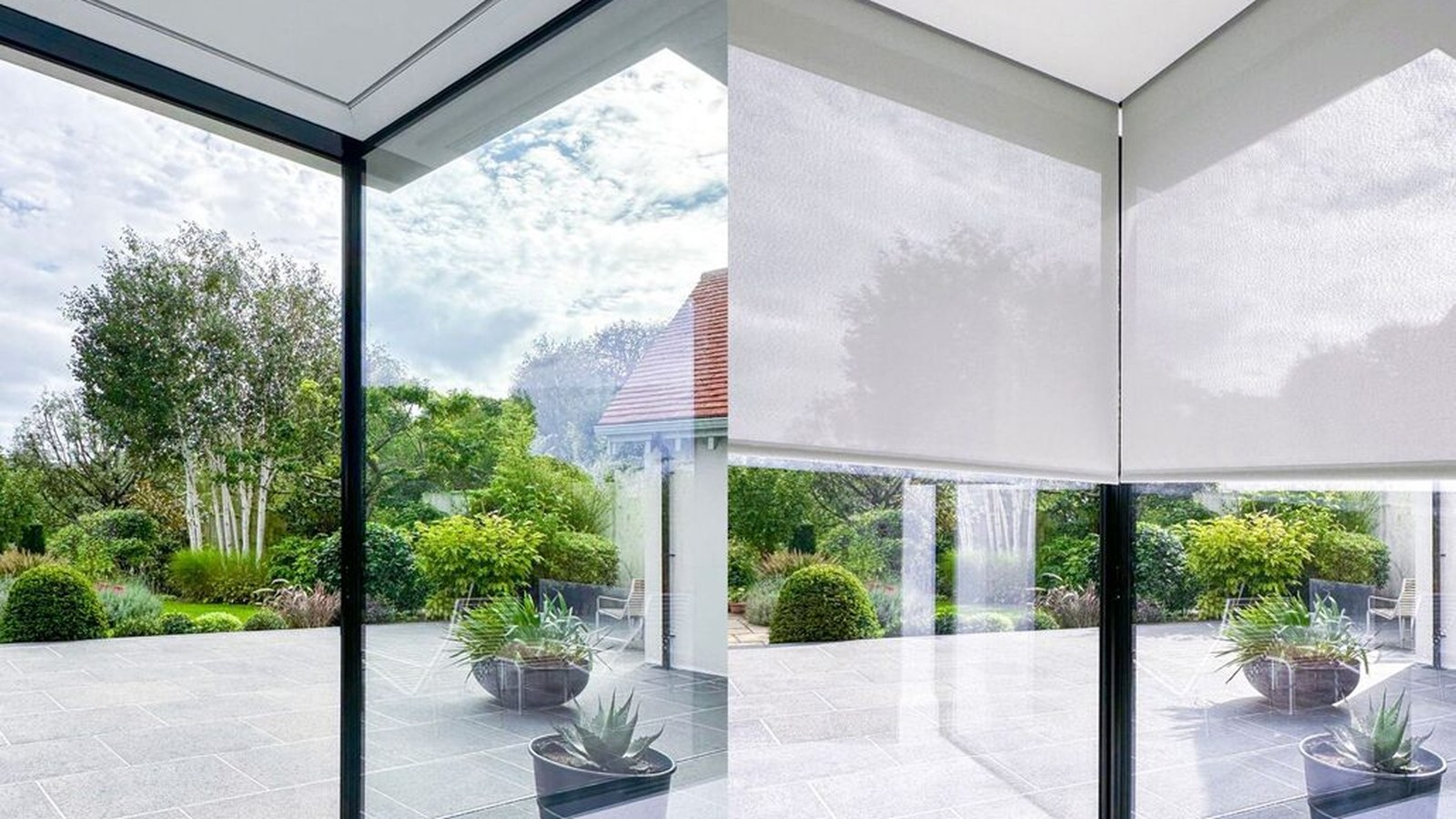
A “butt-joint” corner means the leading edge of one shade terminates very close to the other shade’s fabric plane—so the two fabrics visually meet at the corner.
Best when:
- You want the smallest visible corner gap (often around 1/2–1 inch after allowing for hardware clearance).
- You can mount both shades at the same depth so fabrics align.
- The corner is highly visible (modern living rooms, glassy corners, view-facing spaces).
Tradeoffs:
- Tighter hardware tolerances; bracket projection and clutch/chain clearance matter.
- If your windows aren’t square, the fabrics can “kiss” at the corner and rub.
World Wide Shades can help you dial in bracket projection so you get a tight corner without fabric interference—use the World Wide Shades swatch program first so the corner reads like one continuous material.
In a notch/offset corner, one shade mounts slightly “in front” of the other (or slightly higher/lower), creating a deliberate step.
Best when:
- The corner framing isn’t perfectly square.
- You’re inside-mounting in shallow depth.
- You want easy operation and fewer alignment headaches.
Tradeoffs:
- You will see a slightly larger corner reveal (often 1–2 inches depending on projection).
If you’re unsure which shade should be forward, World Wide Shades can recommend the better “lead” shade based on your controls, window trim, and which side is viewed more often—start at World Wide Shades.
Sometimes the best solution is admitting you don’t actually want a hard blackout at the corner—you want a clean install with minimal visual bulk.
Best when:
- Corner windows are floor-to-ceiling and you value the view.
- Light control is for glare reduction more than darkness.
- You’re using light-filtering or solar fabrics.
Tradeoffs:
- The corner gap is visible, especially at night with interior lights.
For glare-focused corners, World Wide Shades can help you choose a solar openness (often 1–5%) and a neutral color that reduces reflections without killing daylight—request recommendations via World Wide Shades contact or call (844) 674-2716.
Corner-window measuring: the numbers that prevent reorders
Corner windows punish “close enough” measurements. These are the measurements that matter most.
If you’re inside-mounting, check usable depth at the top where brackets will sit.
- Many roller shade brackets need roughly 2–3 inches of depth for a clean inside mount.
- A fascia/cassette typically needs more depth than an open roll.
If depth is borderline, World Wide Shades can spec a lower-profile hardware option—start your order in the World Wide Shades builder and add a note about your exact depth.
For inside mounts, measure the top width of each window in three places and use the manufacturer’s rounding rule (often nearest 1/8 inch). Your actual fabric width will be narrower than the ordered width because of brackets and clutch hardware.
Practical rule of thumb:
- Expect fabric to be about 1/2 inch narrower than ordered width (varies by system).
That “missing” width shows up as a light gap at the corner—so butt-joint layouts need careful projection planning.
For outside mounts, overlap is your friend.
- Aim for 2–3 inches of overlap on each side to reduce edge light.
- If you want the corner to read as continuous, match header height and keep both brackets at the same projection.
World Wide Shades can confirm overlap recommendations from your photos—send them to World Wide Shades or call (844) 674-2716.
Light gaps at corners: what’s realistic
Even perfect corner installations have light gaps because roller shades are flat but corners are geometric. Here’s what to plan for:
- Inside mount light gap at side channels: typically around 1/4–3/8 inch per side depending on bracket/fabric and how square the opening is.
- Corner meeting gap: often ends up around 1/2–2 inches depending on layout.
If blackout is the goal, consider:
- Blackout fabric + outside mount
- Blackout fabric + side channels
- Blackout fabric + a valance or cassette
For a deeper blackout conversation, cross-read blackout-curtains-vs-blackout-shades and light-filtering-shades-guide, then build your configuration in the World Wide Shades builder.
Best fabrics for corner windows (and why)
Corner windows usually have more direct sun angles and more noticeable glare.
Great for view-first corners. A 1% openness typically reduces glare more than a 5% but can feel darker.
Best for daytime privacy and softened daylight. They hide corner gaps better than solar screens because the fabric looks more “solid.”
Best for bedrooms and media rooms, but you’ll still need to plan the corner gap. Pair with outside mount or channels when possible.
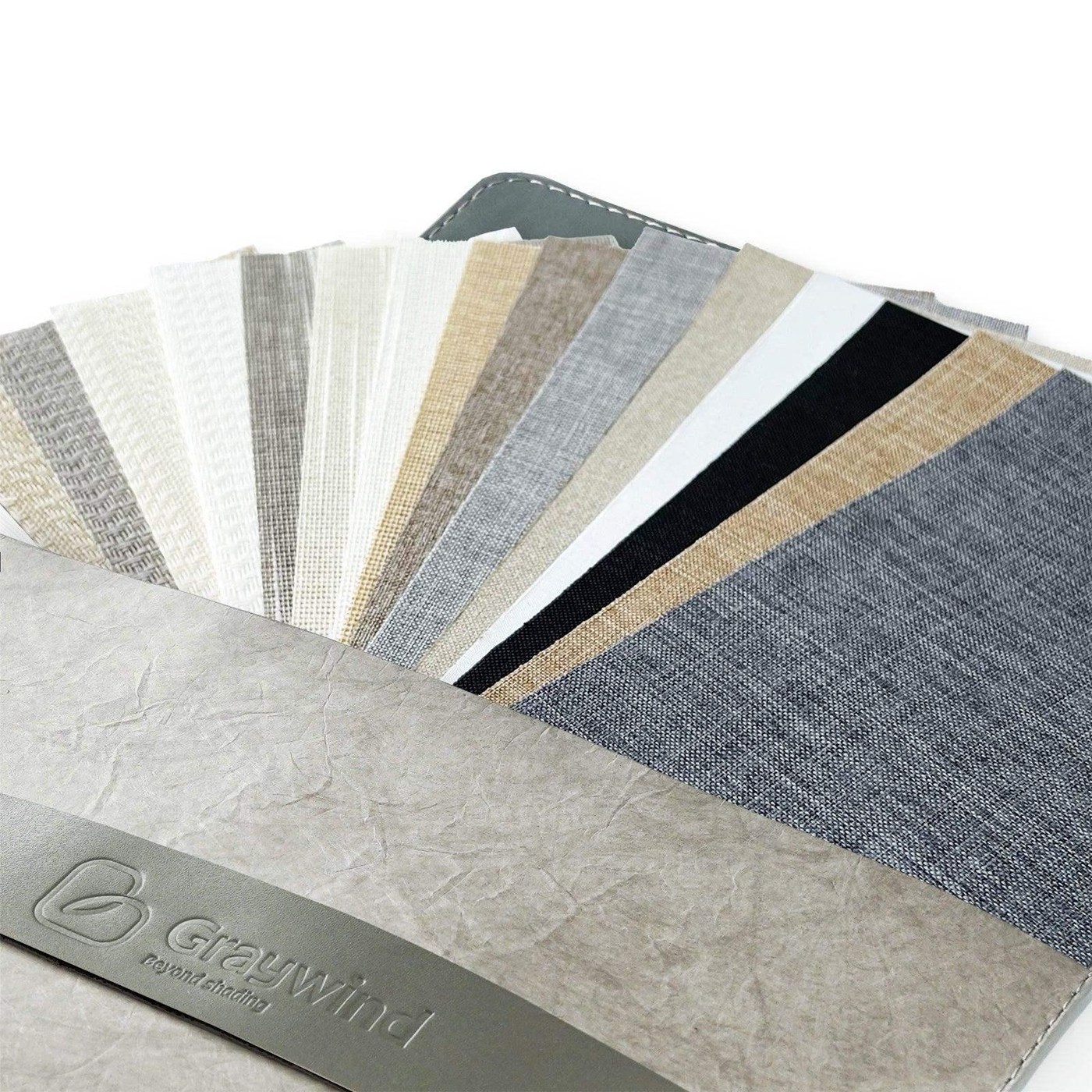
For fabric selection help, order samples from World Wide Shades swatches and compare against your corner at the time of day you care about most.
Hardware choices that make corner installs cleaner
A cassette can hide the roll and make two shades look intentionally designed as a pair. For corners, matching cassette size and placement is key.
Some rooms benefit from one control operating two shades, but corners often have alignment and service considerations. World Wide Shades can advise whether coupled rollers make sense for your corner.
Large corner glass often means tall drops. Motorization keeps operation smooth, especially if you’re raising and lowering daily.
If you’re considering motors, see motorized-shades-alexa-google-home and smart-home-motorized-shades-setup, then price your options in the World Wide Shades builder.
Design tips: making the corner look intentional
- Keep both hems aligned; mismatched bottom bars draw the eye to the corner.
- Match bracket projection so fabrics sit in the same plane (especially for butt-joint).
- Use the same fabric on both windows unless you have a clear reason not to.
For color strategy, cross-read window-shades-color-guide and window-shade-trends-2026 before you pick swatches from World Wide Shades.
When to choose roller shades vs roman shades for a corner
Roman shades can add softness, but they stack and project more, which can crowd a tight corner. Roller shades stay slim and minimal.
If you’re comparing styles, see roller-shades-vs-roman-shades.
FAQ: Corner window roller shades
With a well-planned butt-joint layout, many corners land around 1/2–1 inch of visible gap, depending on bracket projection and window squareness.
Inside mount looks built-in but can increase corner light gaps; outside mount allows overlap (often 2–3 inches) for better light control.
Most of the time, yes—matching fabric makes the corner read like one design element. The exception is when one side needs blackout and the other is view-first.
If darkness matters, side channels can significantly reduce edge gaps. They’re especially helpful on tall corner glass where small gaps feel brighter.
Yes. Motorization is common on large corner walls because it keeps operation even across tall drops and reduces daily wear.
Ready to plan your corner layout? Build your configuration in the World Wide Shades builder, order materials from World Wide Shades swatches, or call (844) 674-2716 to talk through your corner-window photos.