Why glass rooms overheat (and why shades outperform “wait for winter”)
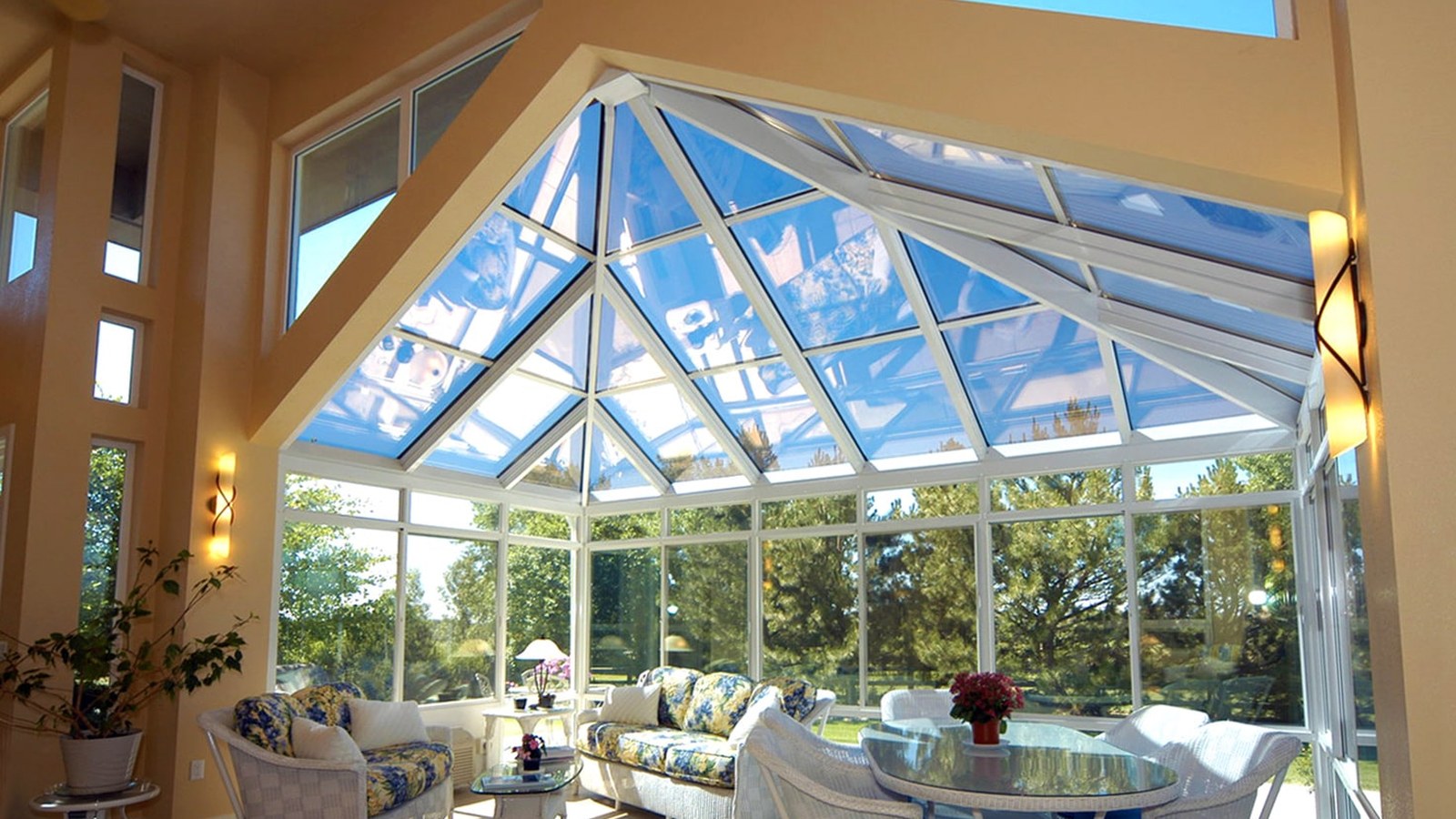
Atriums, conservatories, and glass sunrooms behave like solar collectors: lots of glazing, high sun exposure, and large surface area. Even when outdoor air feels fine, the radiant sun load can make the room uncomfortable—plus UV can fade flooring, furniture, and plants.
The best fix is controllable solar management. World Wide Shades builds roller shade plans for glass rooms that balance three goals: reduce heat and glare, protect interiors from UV, and keep the room feeling bright—not cave-like.
To get a tailored plan for your glazing layout, start with the World Wide Shades builder and send photos to World Wide Shades.
The 4 “zones” to shade in an atrium or conservatory
Most glass rooms have multiple orientations. Treat them like zones.
This zone drives the biggest heat load. If you can shade it, do.
If your glass room includes overhead glazing, also read skylight-shades-guide.
These often create afternoon overheating and glare.
For orientation strategy, see best-shades-south-facing-windows.
Here, you usually want glare control without blocking the view.
At night, glass rooms can feel exposed. A more opaque fabric can help.
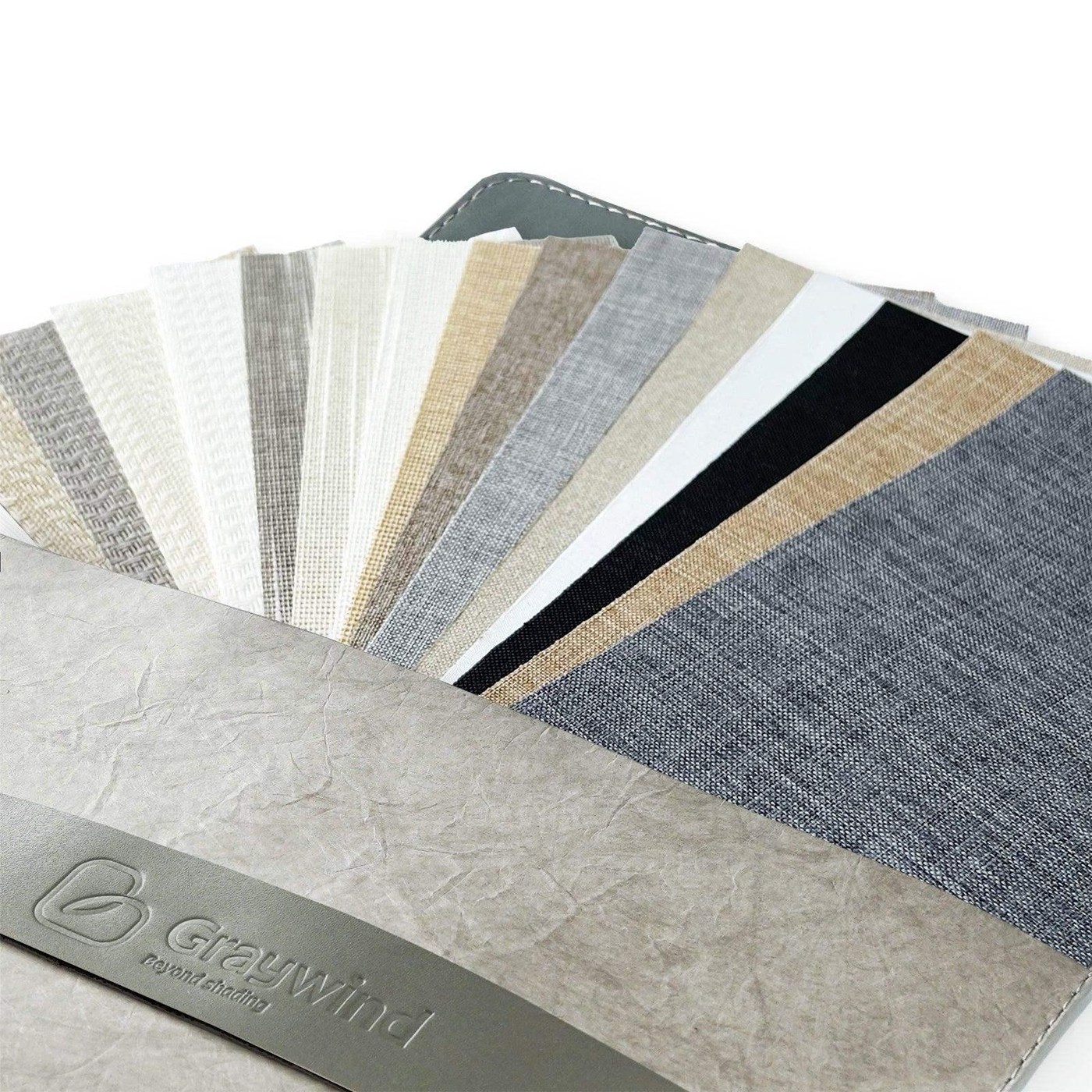
World Wide Shades can help you mix fabrics zone-by-zone so the room stays usable all day—start with World Wide Shades swatches.
Best roller shade fabrics for heat + UV in glass rooms
Solar fabrics are built for sun management.
Common openness choices:
- 1% openness: strongest glare control, more privacy, darker feel.
- 3% openness: balanced daylight + glare reduction.
- 5% openness: brightest feel and more view, but may leave more glare.
If you want a bright room without squinting, World Wide Shades can recommend a starting point based on your orientation—use World Wide Shades or call (844) 674-2716.
Light-filtering can reduce harsh beams and make the room feel calmer. It’s often used on privacy walls or when the view isn’t the priority.
Blackout is less common in conservatories, but it can be right for:
- Sunrooms used as guest rooms
- Rooms facing intense streetlights
- Plant rooms where you want a controlled photoperiod
If blackout is part of your plan, compare pros/cons in blackout-curtains-vs-blackout-shades.
How much heat reduction can you expect?
Exact performance depends on glass type and fabric, but a well-chosen solar fabric can noticeably cut glare and the “sunburn” feeling on skin and furniture.
For many homes, the success metric is practical:
- You can sit in the room in mid-afternoon without moving chairs
- The HVAC doesn’t have to fight a constant radiant load
For more strategies, see energy-efficient-window-shades.
Mounting strategies for atriums and conservatories
Inside mount keeps hardware tight to frames but requires enough depth and squared openings.
Outside mount lets you add overlap (often 2–3 inches per side) to reduce edge light.
Big glass walls often perform better as multiple shades than one oversized unit.
World Wide Shades can help you decide where to split spans so it looks intentional and stays reliable—start in the World Wide Shades builder.
Motorization: the practical default for glass rooms
A practical heat-control plan you can implement in a weekend
If your conservatory is currently unusable during peak sun hours, the fastest improvement usually comes from tackling the highest-sun wall first and choosing a fabric designed for solar control.
Stand in the room during the worst hour (often 2–6 pm for west-facing glass). Note where the sun hits seating, floors, and plants. This tells you which wall needs the strongest fabric first. World Wide Shades can help you map this to orientation—start at World Wide Shades contact.
If you still want to see outside, start with a solar fabric. Many homeowners land in the 1–5% openness range:
- 1%: strongest glare reduction and more privacy
- 3%: balanced view + glare control
- 5%: brightest feel, most view
Order a few options from World Wide Shades swatches and test them at your worst hour before you commit.
If you’re seeing bright edge light, outside mounting with overlap is usually the simplest fix. A typical overlap target is 2–3 inches per side when trim allows. Build an outside-mount version in the World Wide Shades builder so you can compare cost and appearance.
If the room needs multiple adjustments a day, motorization pays for itself in comfort because you actually use it. If you’re comparing power styles, review battery-vs-hardwired-motorized-shades, then confirm your control plan with World Wide Shades at (844) 674-2716.
Managing plants in a glass room without cooking them
Conservatories often double as plant rooms. The goal is bright light without scorching. A solar fabric can reduce the harshest direct beams while maintaining usable daylight. If plants are a priority, consider zoning: stronger solar fabric on the hottest wall and lighter fabric on cooler walls. World Wide Shades can help you choose a fabric set that keeps the space bright—start in the World Wide Shades builder.
Condensation and humidity: why fabric choice matters
Glass rooms can see condensation when interior humidity meets cold glass. Choose fabrics that can be wiped down and hardware that won’t be harmed by occasional moisture. If your conservatory connects to a pool area or spa, ask World Wide Shades for hardware guidance via World Wide Shades contact.
Glass rooms usually have tall drops, high mounts, and daily adjustment needs. Motorization improves usability.
If you’re planning smart control, read motorized-shades-alexa-google-home and smart-home-motorized-shades-setup.
If you’re deciding between power options, see battery-vs-hardwired-motorized-shades.
UV and fade protection: what to prioritize
Most fading complaints in sunrooms involve:
- Hardwood floors and area rugs
- Upholstery
- Art and indoor plants
For a deeper breakdown of UV blocking and fabric choices, see uv-protection-window-shades.
Aesthetics: keeping a conservatory from looking like an office
- Choose a fabric color that matches the frame (white frame + warm white fabric is a classic).
- Use cassettes/fascias to hide rolls where possible.
- Keep bottom rails consistent across zones.
For color and trend direction, cross-read window-shades-color-guide and window-shade-trends-2026.
Shade layouts for common conservatory window types
If your conservatory connects to a patio, you may have a large opening that needs clean coverage. Roller shades can work well when you break wide spans into multiple units. If the opening is a true sliding door system, you may also want to compare alternatives in roller-shades-vs-vertical-blinds-sliding-doors.
For tall glass walls, a larger diameter roller and motorization help keep the fabric tracking straight over time. If you want the cleanest “architectural” look, a cassette can hide the roll and keep the header line crisp.
Glass rooms often include corner conditions. A corner plan can reduce glare without awkward gaps—see best-roller-shades-corner-window-butt-joint and build a paired layout in the World Wide Shades builder.
If you want a quick recommendation, call World Wide Shades at (844) 674-2716 and describe which walls get the worst sun.
FAQ: Atrium and conservatory roller shades
A common starting point is 3% openness for balanced daylight and glare control. If glare is intense, move toward 1%; if view is the priority, consider 5%.
If overhead glazing is creating heat, shading it often delivers the biggest comfort improvement. Many projects treat roof panels as the first priority.
Yes—reducing UV and direct sun exposure helps slow fading on wood, rugs, and upholstery, especially in high-sun rooms.
Not required, but commonly the most practical choice in glass rooms because mounts are high and you’ll adjust shades frequently.
Yes. Zone-based fabric selection is common: solar on view walls, light-filtering on privacy walls, and blackout only where darkness is truly needed.
Want a glass-room plan that feels comfortable and still looks bright? Start in the World Wide Shades builder, order fabric samples from World Wide Shades swatches, or call (844) 674-2716.