The insulation question: why “which is warmer” isn’t a simple answer
Cellular (honeycomb) shades are famous for energy efficiency because their cells trap air. Roller shades are simpler—one fabric plane—so people assume they can’t insulate.
In reality, insulation is a system: air gaps, edge sealing, fabric openness, and how consistently you use the shade matter. World Wide Shades helps customers choose based on comfort outcomes (draft reduction, cold-window feeling, and summer heat gain), not just product labels.
To compare options for your exact windows, start in the World Wide Shades builder and order comparison samples from World Wide Shades swatches.
How cellular shades insulate
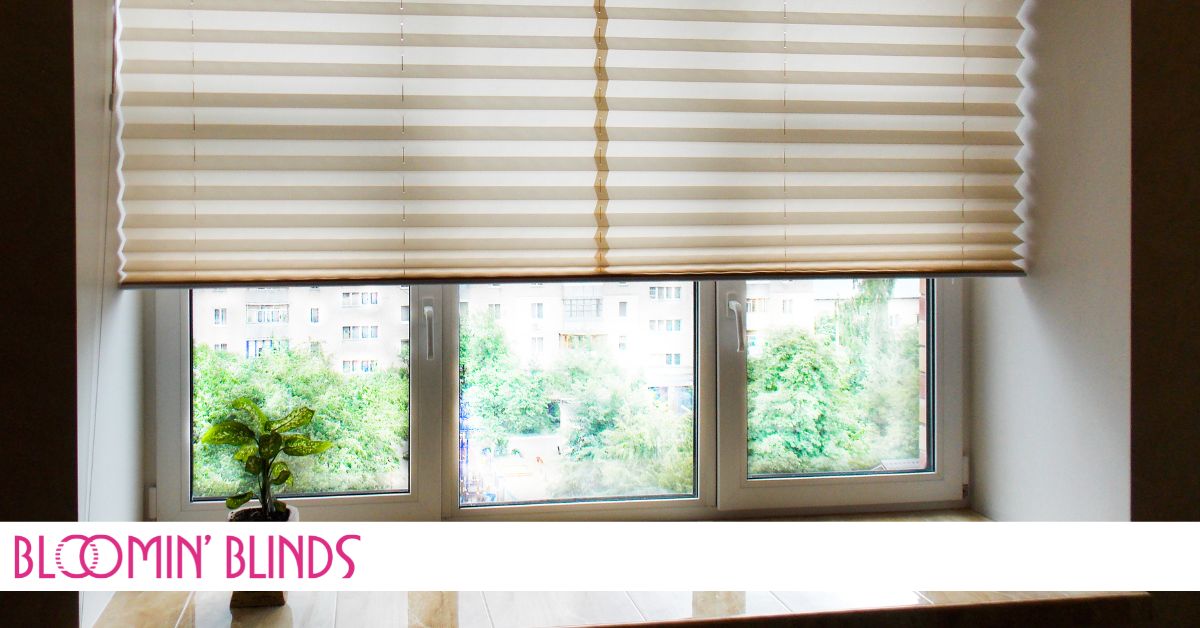
The honeycomb structure creates trapped air layers. Double-cell designs generally trap more air than single-cell.
Even great insulating material loses performance if air flows around it. Inside mount gaps can let warm air circulate against cold glass.
If you want deeper energy strategy, see energy-efficient-window-shades.
How roller shades can insulate better than expected
A fabric layer between you and cold glass can reduce the “radiant chill” feeling near windows.
A well-fitted outside-mount roller shade with good overlap can reduce drafts and edge light.
For install fundamentals, see how-to-install-roller-shades.
Measuring insulation performance: what to look for
If you’re comparing products, focus on:
- Edge sealing: channels or tight fit reduce air movement.
- Mounting style: outside mount can add overlap.
- Usage: a shade that’s easy to operate gets used more.
If your windows are in harsh sun, also read best-shades-south-facing-windows.
Summer vs winter: which shade helps more?
Solar fabrics and light-filtering rollers can reduce glare and heat gain while keeping daylight.
For UV and sun control, see uv-protection-window-shades.
Cellular shades often have an advantage in reducing conductive and convective heat loss—especially when paired with side channels.
World Wide Shades can help you decide whether to prioritize summer comfort or winter warmth based on your climate—ask via World Wide Shades contact.
Best rooms for roller shades vs cellular shades
If blackout is the priority, roller shades often win with the right fabric and mount.
See best-window-shades-bedroom and blackout-curtains-vs-blackout-shades.
If you want a modern, minimal look and easy glare control, roller shades are a strong choice.
See best-roller-shades-living-room.
Safety and usability matter. If manual, keep controls safe; if motorized, you remove cords.
See child-safe-window-treatments.
Solar roller fabrics can be excellent for screen glare management.
Style and stack: aesthetics that influence the decision
- Roller shades are low-profile and modern.
- Cellular shades have visible pleats and a thicker stack at the top.
If design is the deciding factor, browse window-shade-trends-2026 and plan colors using window-shades-color-guide.
Motorization and smart control
A more technical look: air layers, convection, and why gaps dominate
If you stand near a cold window in winter, the discomfort is usually a mix of radiant cooling and air movement.
The cells act like tiny air chambers. Less air movement through those chambers can reduce convective heat loss compared to a single flat layer. Double-cell designs add another trapped-air layer, which can further improve comfort.
A roller shade is typically one fabric plane, but it’s often easier to outside-mount with overlap, which can reduce air movement at the edges. In real rooms, a tight outside-mount roller can feel warmer than a loose inside-mount cellular with large side gaps.
If you add channels or very tight frames, both products improve because you reduce edge leakage. If your goal is maximum winter comfort, ask World Wide Shades about channel-compatible options via World Wide Shades contact.
Cost-per-comfort: how to decide without overbuying
A good strategy is to spend where discomfort is highest:
- North-facing rooms with cold drafts: cellular shades (often double-cell) or tighter edge solutions
- South- and west-facing rooms with glare: solar roller shades
- Bedrooms where darkness matters: blackout roller shades with overlap
To build a comfort-first plan, start with the World Wide Shades builder and order a side-by-side kit from World Wide Shades swatches.
FAQ add-ons: deeper insulation questions
They can reduce how cold the interior surface feels, but condensation depends on indoor humidity, glass temperature, and airflow. Better fit and air sealing help as much as the shade type.
For sunrooms, solar roller fabrics often win because glare and UV control drive comfort. For a full glass-room plan, see best-roller-shades-atrium-conservatory.
Both shade types can be motorized, but rollers often integrate more cleanly with sleek cassettes.
If you’re planning smart control, see motorized-shades-alexa-google-home.
Installation details that change insulation more than the shade type
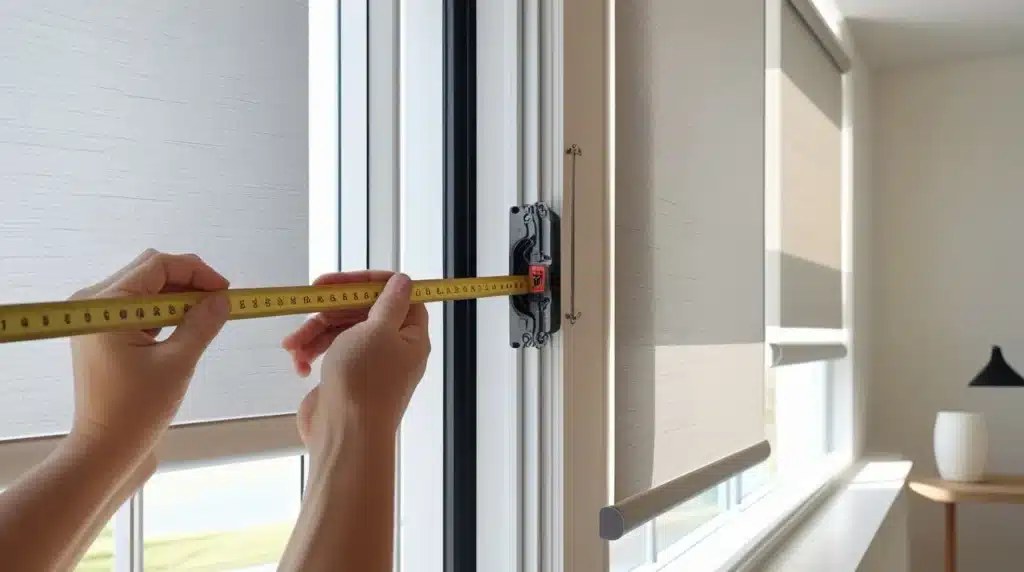
If the shade sits too close to the glass, warm interior air can circulate and lose heat faster. A little air space can help, but too much side gap hurts. This is why accurate measuring matters. If you want help confirming fit, send your measurements to World Wide Shades contact or call (844) 674-2716 for a quick recommendation.
Outside mount can add overlap that reduces edge leakage. If your trim is narrow, you may need a smaller overlap—but even 1–2 inches per side can improve comfort compared to a flush inside mount.
If winter drafts are your main complaint, ask about channel systems or tighter edge solutions. World Wide Shades can recommend the best approach for your window type—start in the World Wide Shades builder.
Cost and maintenance differences
- Pros: strong winter comfort potential, soft light filtering
- Cons: pleats can trap dust; cords require safety planning
- Pros: simple cleaning, sleek look, easy motorization
- Cons: less inherent trapped air unless paired with edge solutions
For safety planning with cords, read child-safe-window-treatments.
Glare control and view: where roller shades often win
Insulation isn’t the only comfort factor. In many homes, the biggest day-to-day complaint is glare on TVs and monitors.
A solar roller fabric can reduce screen glare while keeping the room bright. This is especially helpful for south- and west-facing windows. If glare is your main issue, compare approaches in light-filtering-shades-guide and best-shades-south-facing-windows.
Cellular shades create a softer, more diffused look, but you typically lose some view clarity. If you want the room to feel bright but not “glary,” they can be a strong choice.
Sizing and operation: daily usability matters
On tall windows, a roller shade can feel smoother because it rolls on a tube rather than stacking pleats. Motorization also tends to look cleaner on roller systems.
If you raise and lower shades multiple times a day, choose the option you’ll actually use. For many households, that points to motorized rollers. World Wide Shades can recommend the best control plan—start in the World Wide Shades builder or call (844) 674-2716.
FAQ: Roller vs cellular (honeycomb) shades
Cellular shades often have an edge because of trapped-air cells, especially in double-cell designs. But fit and edge sealing can change the real-world outcome.
They can be—especially when you choose sun-control fabrics for summer and use outside mount overlap to reduce air movement at the sides.
Not necessarily. Both can be light-filtering or blackout; roller shades often achieve cleaner blackout with overlap.
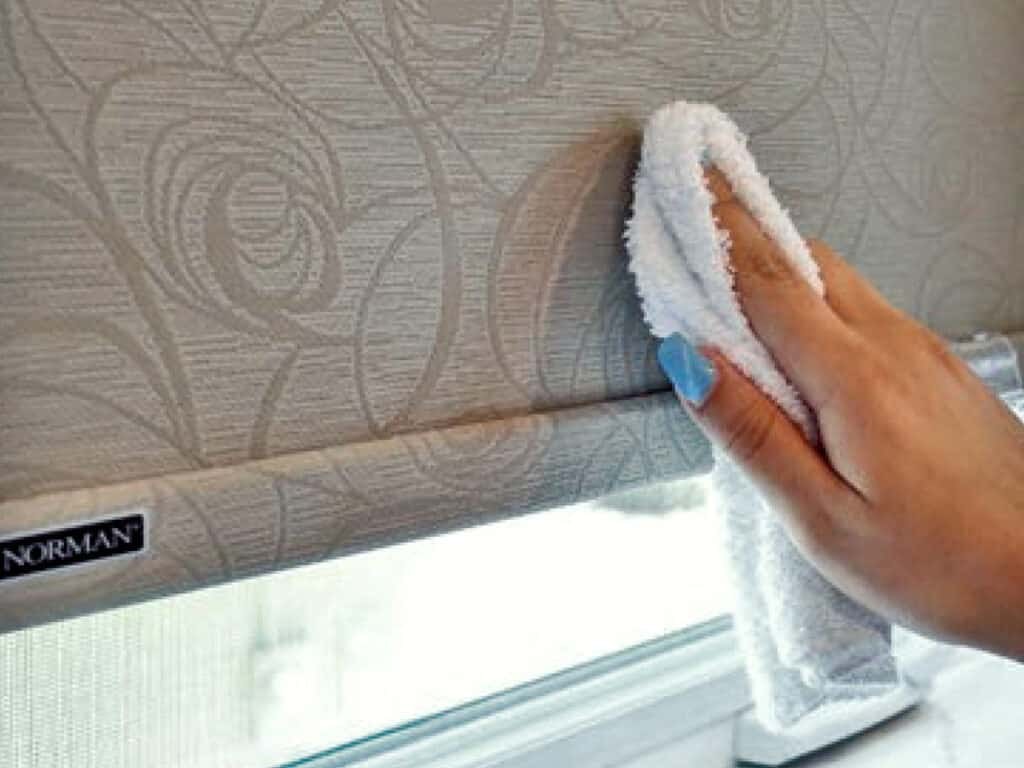
Roller shades are typically simpler to dust and spot-clean. Cellular shades can trap dust in pleats.
Yes. Many homes use cellular for cold rooms and roller shades for modern main areas, glare control, or blackout bedrooms.
If you want the best insulation-per-dollar for your rooms, start in the World Wide Shades builder, order comparisons from World Wide Shades swatches, or call (844) 674-2716 for a quick recommendation.