Why west-facing windows feel so intense
West-facing windows usually look beautiful in the morning—and then turn into a glare machine in the late afternoon. As the sun drops, the light comes in at a lower angle, which can hit your eyes, your TV, and your work screens. It can also warm up the room fast, especially in summer.
The good news: you don’t have to choose between “live in the dark” and “live with the glare.” With the right shade type, fabric, and mounting approach, you can keep the view and comfort.
If you want a fast way to narrow down the best option for your exact room, start with the World Wide Shades Builder.
What to prioritize for west-facing windows
Before picking a style, decide what “success” looks like in your room.
If you watch TV in the afternoon or work near the window, glare control is usually priority number one. Light-filtering and solar fabrics can soften the light without fully blocking it.
West sun can raise room temperature quickly. Fabrics with reflective backing, tighter weaves, and certain openness factors reduce heat gain.
If energy savings are a major goal, compare options in Energy-Efficient Window Shades and Thermal Insulated Roller Shades.
UV exposure fades wood floors, rugs, artwork, and upholstery over time. Even if you like a bright room, UV protection matters.
For a deeper explanation, read UV Protection Window Shades.
West-facing windows often face neighbors or street views. During the day, sunlight makes privacy easy. At night, interior lights flip the situation.
If the room is a bedroom, see Best Window Shades for Bedrooms for privacy-first recommendations.
Best shade types for west-facing windows
There’s no single “best” for every home. Here are the top performers and why.
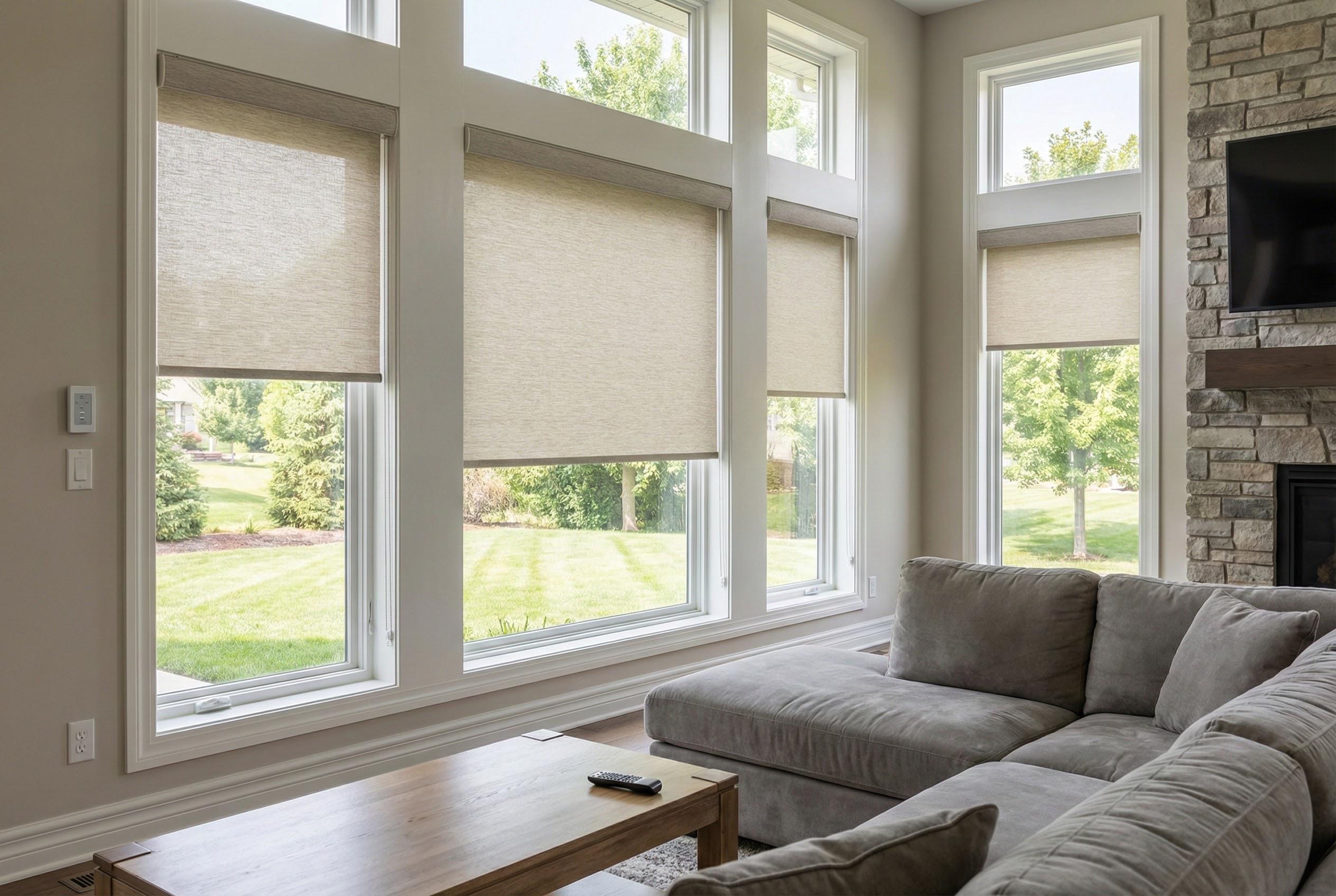
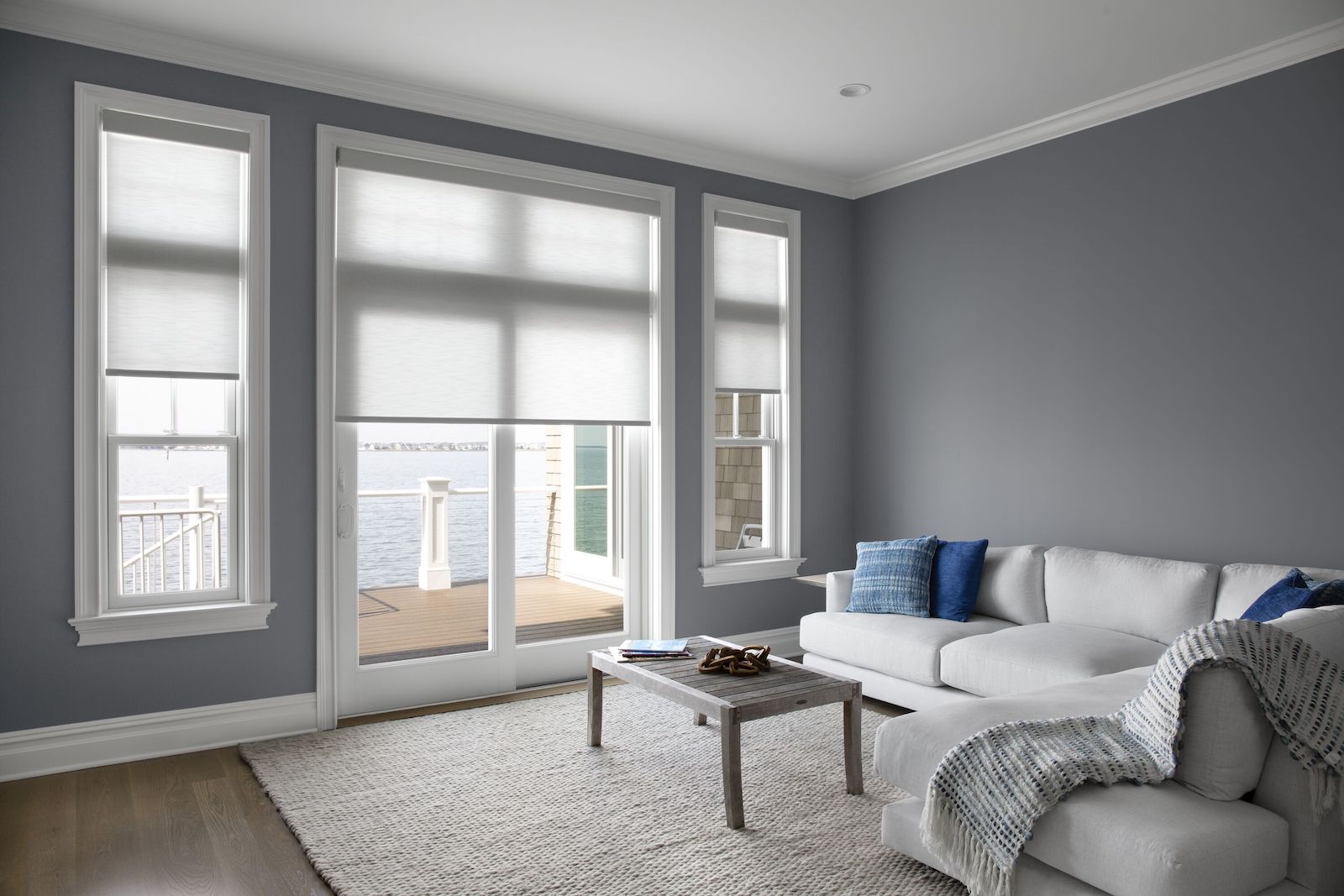
Solar shades are a go-to for west-facing windows because they reduce glare while preserving a sense of openness.
Why they work:
- Designed for sun-facing exposures
- Cut glare on screens
- Help protect furniture from UV
Tradeoff: at night, solar shades provide less privacy, so many homeowners pair them with drapery or choose dual shades.
If you’re deciding between solar and standard rollers, this side-by-side guide helps: Solar Shades vs Roller Shades.
Light-filtering roller shades soften the harshness of afternoon light. They’re great for living rooms and kitchens where you want comfort but not darkness.
If you want to understand fabric terms like “openness” and “light filtering vs room darkening,” read Light Filtering Shades Guide.
If your west-facing window is in a bedroom, a nursery, or a media room, blackout shades may be the right choice.
Best use cases:
- Bedrooms with late-day sun
- Nurseries and early bedtimes
- Projectors or movie rooms
If you’re comparing approaches, start here: Blackout Curtains vs Blackout Shades.
For many west-facing rooms, the best solution is a dual setup:
- A solar or light-filtering layer for daytime
- A room-darkening or blackout layer for evenings and privacy
See how they work in Dual Roller Shades: Day & Night.
If you want texture and warmth, woven woods can tame the sun beautifully. They can be lined for better privacy and light control.
If you like this style, see Woven Wood Shades Guide.
Fabric choices that actually matter for west-facing glare
Most people pick fabric by color first, but west-facing windows reward you for thinking about performance.
Openness factor is the “tightness” of a solar fabric.
- Lower openness usually reduces glare more and increases privacy.
- Higher openness preserves the view better.
A small shift in openness can change how your room feels at 6 PM.
Many people worry that dark shades will make a room warmer. In practice, glare reduction and view often improve with darker solar fabrics because they reduce reflections.
For color planning across rooms, use Window Shades Color Guide and order samples from World Wide Shades Swatches.
For roller shades and blackout styles, liners and backings can:
- Improve room darkening
- Boost UV protection
- Improve insulation
If you’re unsure which fabric family fits your goals, compare materials in Best Fabrics for Roller Shades.
Mounting strategies to reduce side light gaps
West-facing sunlight often sneaks around the edges at just the wrong time.
- Inside mount looks clean but can allow more edge light depending on your trim and window depth.
- Outside mount can cover more area and reduce gaps.
If you want help deciding, read Inside Mount vs Outside Mount Shades.
Even an extra 1–2 inches of overlap can reduce the “laser beam” effect of low-angle light. This is especially helpful on west-facing patio doors and wide windows.
For large openings, see Roller Shades for Large Windows and for doors, see Roller Shades for Sliding Glass Doors.
Room-by-room recommendations
Most living rooms with west-facing windows do best with:
- Solar shades (to preserve view)
- Or light-filtering rollers (for softer light)
- Or dual shades for maximum flexibility
If you’re furnishing a primary living space, this guide can help you compare style tradeoffs: Best Roller Shades for Living Rooms.
You want light—just not glare.
Light-filtering fabrics are popular here, and moisture-friendly materials matter near sinks. For practical picks, see Roller Shades for Kitchens and Bathrooms.
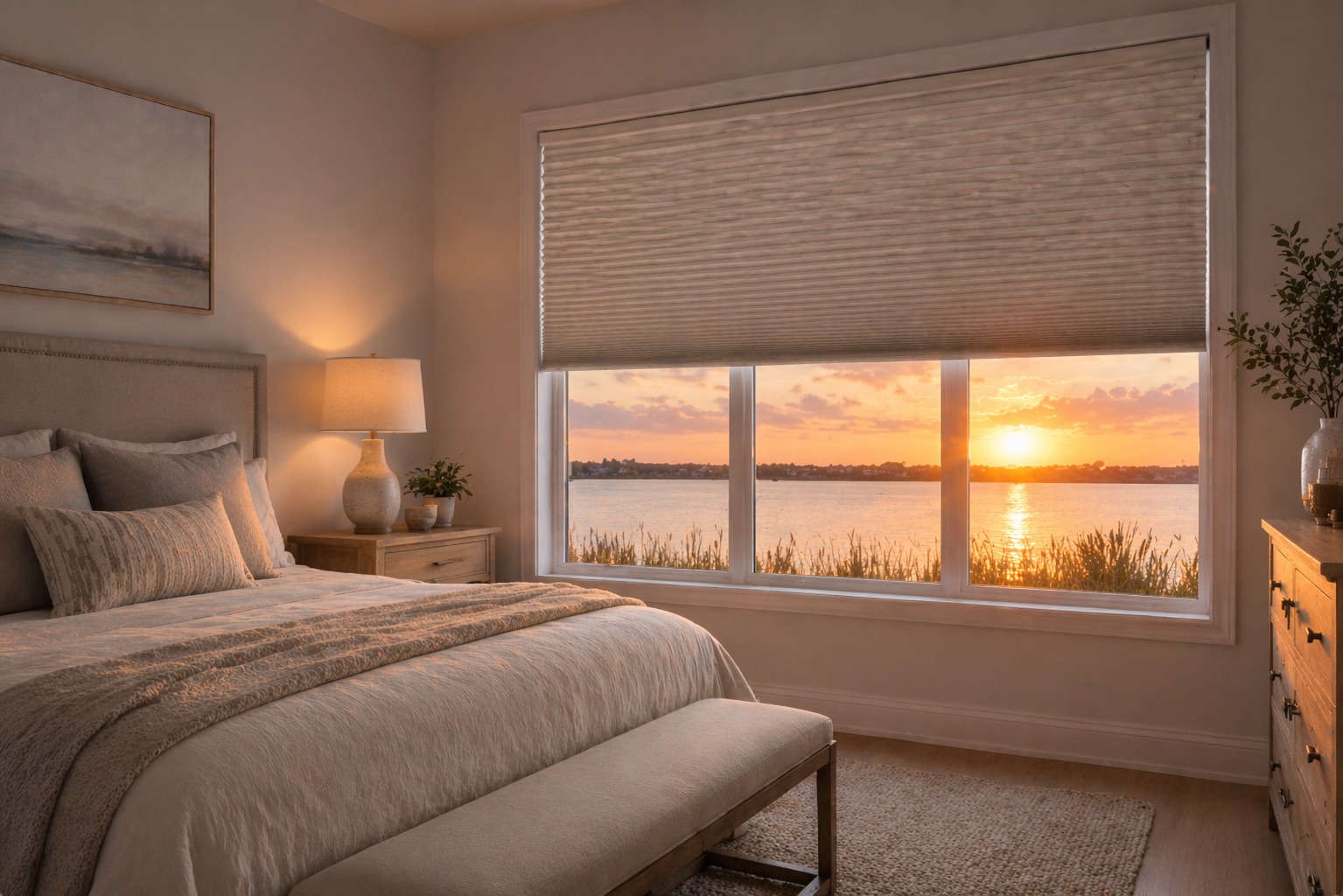
Bedrooms with west-facing windows often need deeper light control because the harshest sun hits late day.
Blackout or room-darkening shades are common, and you can pair them with a valance for a cleaner top edge. Learn more in Roller Shade Valance Options.
Glare on screens is the number one complaint.
Solar shades are often the easiest fix, and motorization makes it practical to adjust throughout the day. For office-specific advice, see Best Shades for a Home Office.
Motorization: the “easy button” for west-facing glare
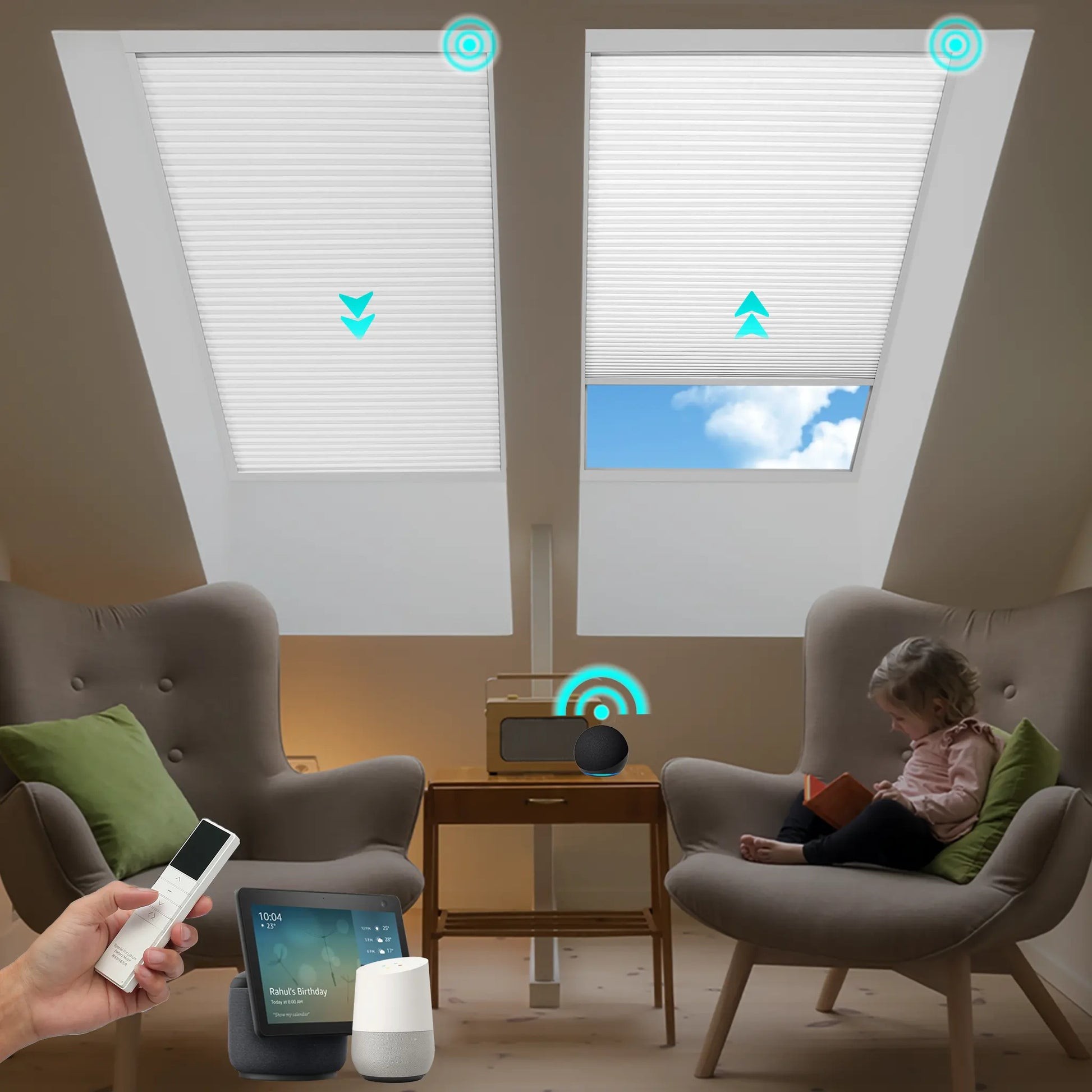
West-facing rooms change fast from 3 PM to sunset. Motorized shades let you adjust without interrupting dinner, meetings, or movie night.
- Schedule shades to lower before peak glare.
- Raise them after sunset to enjoy the view.
- Control multiple windows together.
If you’re considering motorization, explore your options with World Wide Shades and see setup tips in Smart Home Motorized Shades Setup.
For hands-on expectations, read our installation walkthrough: Motorized Shades Installation Guide.
How to pick the right solution in 10 minutes
Use this simple decision path:
Pick solar shades (often lower openness) and add a privacy layer if needed.
Pick light-filtering roller shades and consider outside mount for better coverage.
Pick room-darkening or blackout shades, and consider a valance.
Pick dual roller shades.
To choose confidently, order samples from World Wide Shades Swatches and compare them in your room at 4–7 PM.
FAQ: west-facing window shades
Yes. Solar shades are one of the best options for west-facing windows because they reduce glare and help with UV protection while keeping a more open feel.
Blackout shades often reduce heat gain by blocking sunlight. The exact performance depends on fabric and backing. If heat is your main concern, start with Energy-Efficient Window Shades.
Outside mount with extra overlap is the simplest fix. Adding a valance can also reduce top light in some installs.
It depends on how much view you want versus how much glare you want to eliminate. If you spend time on screens in the afternoon, choose a tighter fabric. If your priority is the view, choose a more open fabric.
Yes. Motorized shades can be scheduled to lower before the glare hits, then raise later. To plan a motorized setup, use the World Wide Shades Builder or contact World Wide Shades at (844) 674-2716.
Get the right west-facing shade solution (without guesswork)
West-facing windows are all about timing and control: you need the right fabric performance and an easy way to adjust it.
- Configure the best option for your room with the World Wide Shades Builder.
- Order daylight-tested samples from World Wide Shades Swatches.
- Get expert help from the World Wide Shades Team at (844) 674-2716 on /contact.
World Wide Shades can help you beat the glare, protect your interiors, and keep your rooms comfortable from afternoon to sunset.