Why transom and clerestory windows need different shade planning
Transom and clerestory windows are “high-performance daylight” features: they bring in sun from high angles, brighten deep floor plans, and create dramatic wall light. They also create real problems—morning glare, overheating, UV fade on floors and furniture, and privacy at night.
Because these windows are high, the best solution is usually the one you can operate consistently. World Wide Shades helps homeowners and businesses solve high-window control with practical layouts, correct measurements, and motorization that actually fits the space.
If you want recommendations based on your ceiling height and reach, start with the World Wide Shades builder and upload photos to World Wide Shades.
Transom vs clerestory: quick definitions
A transom sits above a door or larger window grouping. It’s often narrower and may be operable.
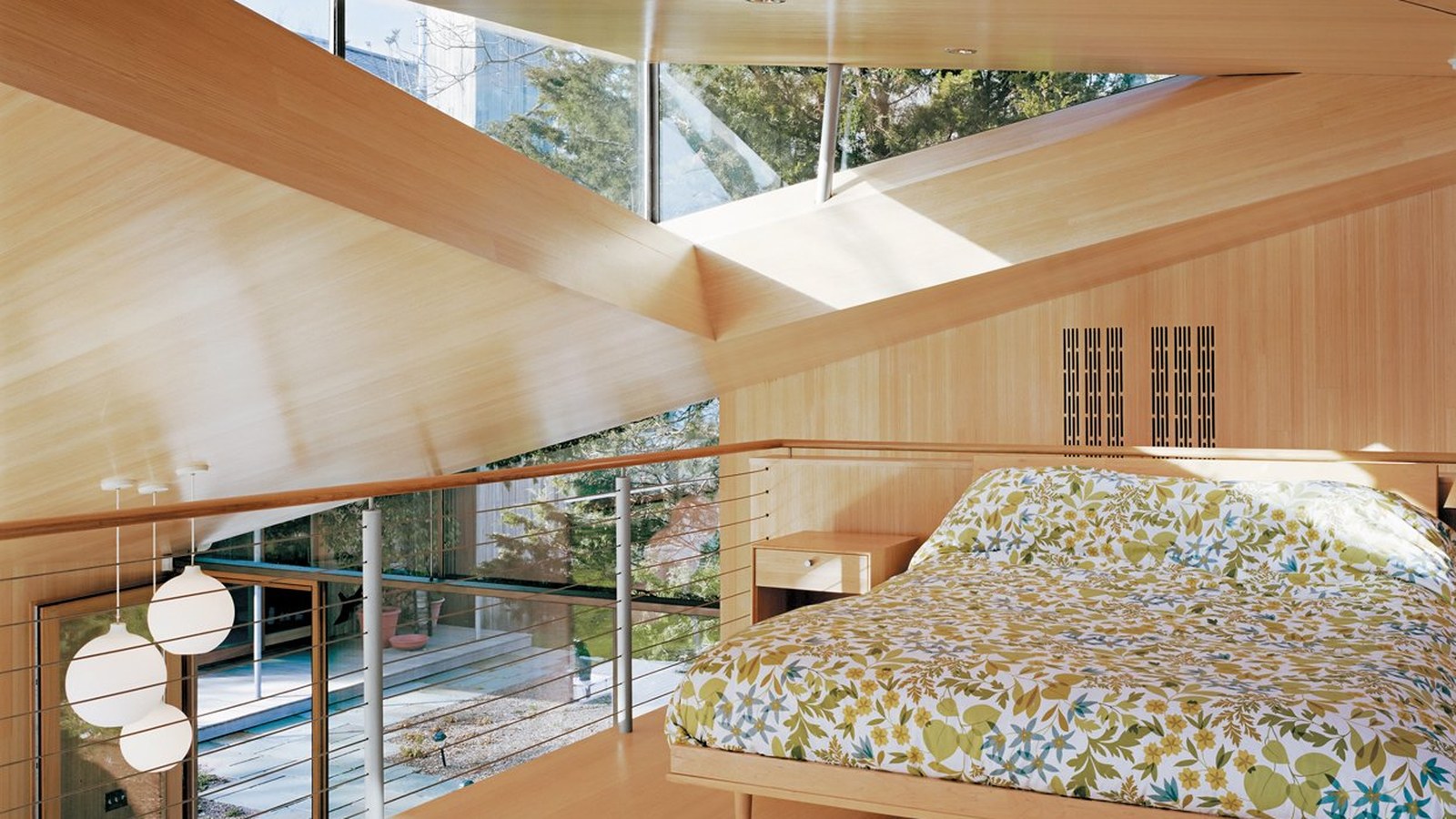
A clerestory is placed high on a wall (often near the ceiling) to bring daylight deeper into a room.
The shade challenge is the same: you need a solution that works at height, doesn’t look bulky, and can handle direct sun.
Best roller shade configurations for high windows
If the bottom rail is above comfortable reach, motorization is the most usable solution.
Typical reasons people switch to motorized:
- The shade drop is tall and you want smooth, even rolling.
- The window is over stairs, a bathtub, a kitchen counter, or built-ins.
- You need predictable schedules for heat and glare.
World Wide Shades can guide motor selection and control style; see smart-home-motorized-shades-setup and motorized-shades-alexa-google-home, then price your build in the World Wide Shades builder.
If your transom is only slightly above reach, a continuous loop can be a cost-effective upgrade.
Practical planning notes:
- Make sure the chain drop length is safe around children and pets.
- Consider cord-cleat placement and traffic paths.
For safety considerations, also read child-safe-window-treatments.
In many rooms, you want different performance at different heights:
- Clerestory: glare/UV control, preserve daylight
- Main window: privacy, nighttime darkness
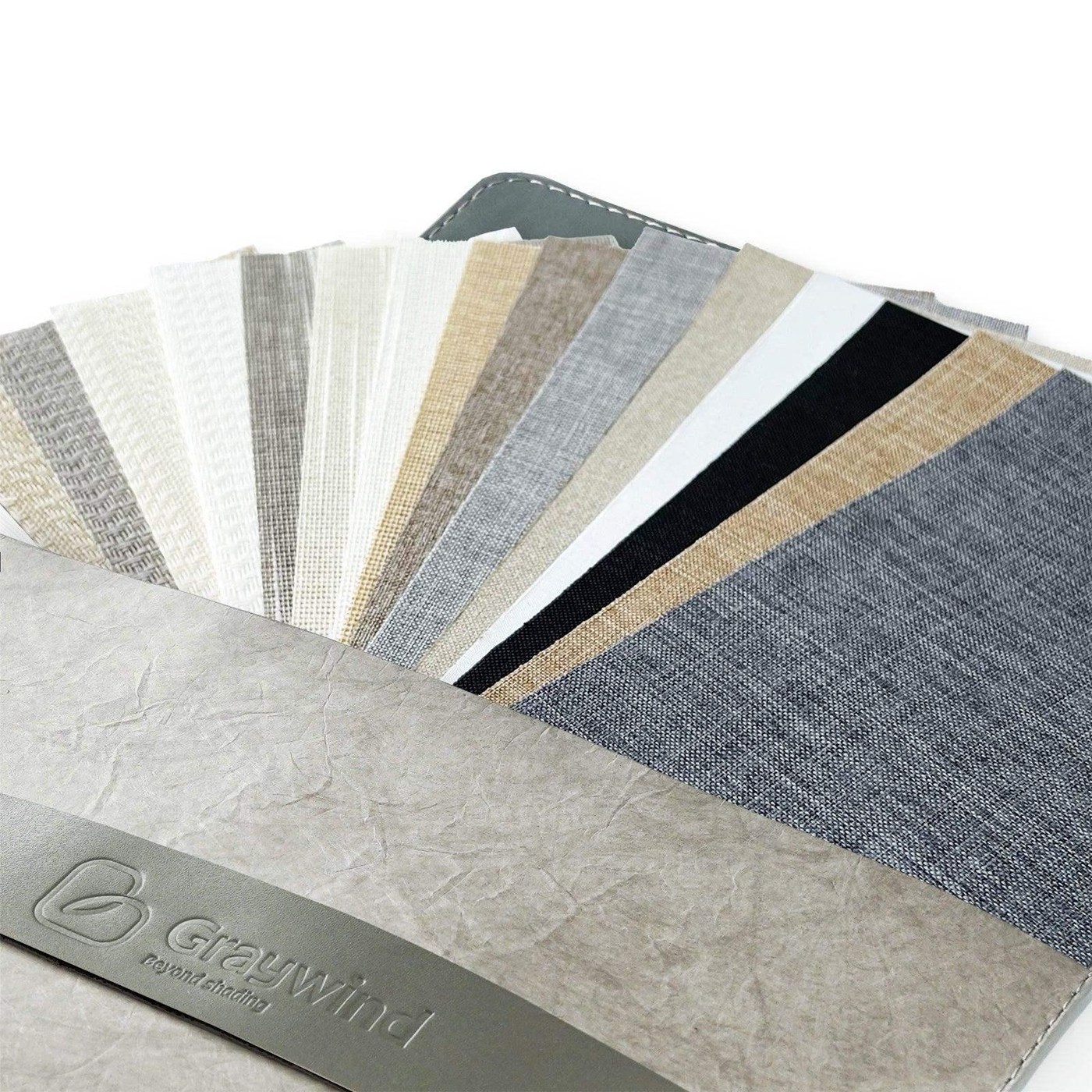
A common approach is a solar fabric up high and light-filtering or blackout lower. World Wide Shades can help you coordinate fabrics; order from World Wide Shades swatches before you finalize.
Fabric choices that actually work for high sun angles
Room-by-room playbooks for high windows
High windows show up in predictable places, and each location suggests a different control strategy.
Safety and access are the big issues. If you need a ladder to reach the shade, plan on motorization so you’ll actually use it. A scheduled morning-lower / afternoon-raise routine can reduce glare without darkening the room all day. World Wide Shades can recommend motor and control options—start in the World Wide Shades builder.
Humidity and privacy matter. A moisture-tolerant roller fabric is typically easier to maintain than a pleated product that traps moisture. For bathrooms, you often want light-filtering for daytime privacy and a shade that can be wiped down. For related guidance, read roller-shades-kitchen-bathroom, then confirm your build with World Wide Shades via World Wide Shades contact.
Grease and dust build up at the ceiling line. A roller shade is usually the easiest style to keep clean. If the window is east-facing, consider a lower openness solar fabric to control morning glare. Request fabric guidance from World Wide Shades swatches.
If the clerestory faces streetlights, consider blackout or a more opaque light-filtering fabric. If you’re pairing with a main-window blackout shade, a higher clerestory fabric can still help with daytime glare. For sleep-focused planning, see best-window-shades-bedroom and price the full package in the World Wide Shades builder.
Common mistakes to avoid with transom and clerestory shades
For manual continuous-loop systems, the chain drop can become awkward in tall rooms. If you’re frequently reaching up or the chain ends up in a traffic path, motorization is often the better long-term decision. Talk it through with World Wide Shades at (844) 674-2716.
Bright white fabrics can reflect sunlight onto ceilings and screens in surprising ways. A soft neutral or warm white often reduces perceived glare while still feeling bright. Use window-shades-color-guide and order a few options from World Wide Shades swatches.
Even narrow transoms can cast concentrated sun beams that fade floors or artwork. If fading is a concern, compare fabrics using uv-protection-window-shades and ask World Wide Shades to recommend an openness level.
Solar fabrics are popular for clerestories because they reduce glare while keeping the “daylight engine” effect. Lower openness (like 1%) usually provides stronger glare control.
Great when you want the window to “glow” rather than show a view. They can make rooms feel calmer and hide window hardware.
Usually best when clerestories face streetlights or neighbors and you want nighttime darkness. Blackout on a clerestory often benefits from outside mount for overlap.
If your goal is lower utility bills as well as comfort, cross-read energy-efficient-window-shades.
Measuring high windows without regret
High windows are unforgiving because re-measuring often requires ladders or pros. Use this checklist.
- Measure width at top/middle/bottom and height at left/center/right.
- Confirm depth where brackets sit.
- Add overlap to reduce edge light: often 2–3 inches per side when trim allows.
- Add top overlap if you’re trying to block high-angle sun.
If you’re unsure, ask World Wide Shades to sanity-check your plan—start at World Wide Shades or call (844) 674-2716.
Heat, UV, and fading: what to protect
Clerestories often hit floors and furniture with direct sun for hours.
What tends to fade first:
- Hardwood and rugs
- Upholstery
- Artwork and wall finishes
For UV and fading protection, compare fabric options in uv-protection-window-shades and choose a color strategy using window-shades-color-guide.
Design details that make high-window shades look built-in
If you have a clerestory above a large window, align the visual lines where possible.
A cassette hides the roll and feels more architectural—especially helpful for clerestories where the roll is otherwise visible from below.
This matters because clerestory rails can be seen from multiple angles.
If you’re doing a whole-home package, also review custom-shades-new-construction.
Installation tips for high windows
If you’re installing yourself:
- Plan ladder placement and safety first.
- Pre-mark bracket locations and verify level.
- Use the right anchors for drywall vs wood framing.
For general roller shade install basics, read how-to-install-roller-shades.
Choosing between one shade vs multiple shades for a high-window band
Many clerestory walls are a series of smaller windows. You can either treat them as one long shade (when framing allows) or as multiple individual shades.
- Fewer controls and fewer bottom rails
- Can look very clean from below
- May require stronger hardware due to width
- Easier to fit when windows are separated by mullions
- Easier to replace one unit later if needed
- Lets you shade only the windows that get direct sun
World Wide Shades can recommend where a split will look intentional—start a layout in the World Wide Shades builder and share a wall photo via World Wide Shades contact.
Coordinating clerestory shades with your main-window treatments
A common mistake is choosing a clerestory fabric that visually fights the main window shade.
Practical combos that look cohesive:
- Solar clerestory + light-filtering main window
- Light-filtering clerestory + blackout main window (bedrooms)
- Matching fabric top and bottom when you want the wall to read as one plane
If you’re doing multiple rooms, consider standardizing one “house fabric” for clerestories and then customizing only the bedrooms. World Wide Shades can help you pick a fabric that works in most orientations—call (844) 674-2716 or start with World Wide Shades swatches.
FAQ: Transom and clerestory roller shades
If the window is out of reach, motorization is usually the only way you’ll adjust shades consistently—making it worth the cost for comfort and glare control.
Many homeowners choose 1–3% openness for strong glare reduction while keeping daylight; 5% keeps more view but may leave more glare.
Yes, but plan for overlap and edge gaps. Outside mount with extra overlap often improves results.
Motorization is typically safest and most practical, since manual controls can require unsafe ladder use.
Not always. A two-tier approach often performs better: solar or light-filtering up high, privacy or blackout on the main window.
Ready to make high windows comfortable year-round? Start in the World Wide Shades builder, order materials from World Wide Shades swatches, or call (844) 674-2716 for guidance.