A home library is an investment measured in more than shelving and furniture — it's the books, artwork, and often irreplaceable collectibles inside it, and sunlight is their single biggest threat. Ultraviolet rays fade book spines, yellow paper, crack leather bindings, and bleach the color out of framed prints and photographs faster than most homeowners realize. World Wide Shades works with collectors, readers, and homeowners with dedicated libraries or reading rooms to install roller shades engineered specifically to block UV damage while keeping the room warm and usable. This guide covers the science of UV protection, the best fabrics for a library, and how much light you can let in without putting your collection at risk.
Why Home Libraries Need Specialized UV Protection
Unlike a bedroom or living room, a home library often holds items that cannot be replaced — first editions, family photo albums, signed prints, or a lifetime of collected hardcovers. Direct and even indirect sunlight through an uncovered window delivers a steady dose of ultraviolet radiation that accelerates paper degradation, fades ink and dyes, and dries out leather bindings over time.
Studies on museum and archival preservation show that UV exposure is one of the top causes of irreversible fading in paper and textiles, and the damage compounds daily even on cloudy days since UV rays pass through cloud cover and standard glass. A home library without UV-blocking window treatments can show visible fading on book spines within a single year of consistent sun exposure. World Wide Shades fabricates roller shades with UV-blocking fabrics that stop the vast majority of this damage before it starts — design your shade to see fabric options rated specifically for UV protection.
How Much UV Protection Do Roller Shades Actually Provide?
Most quality roller shade fabrics block between 95% and 99% of ultraviolet rays, regardless of the fabric's visible openness factor. This is an important distinction: a sheer or light-filtering fabric can still block nearly all UV radiation even though it lets visible light through, because UV blocking depends on the fiber treatment and weave density rather than how much daylight passes visually.
For maximum protection in a library housing rare books or valuable art, look for fabrics explicitly rated above 97% UV block. Our dedicated guide on UV protection window shades breaks down how these ratings are tested and what to look for on a fabric spec sheet. World Wide Shades lists UV block percentages for every fabric in our lineup so you can compare options directly — order free swatches to check the rating printed on each sample card.
Best Fabric Types for a Home Library
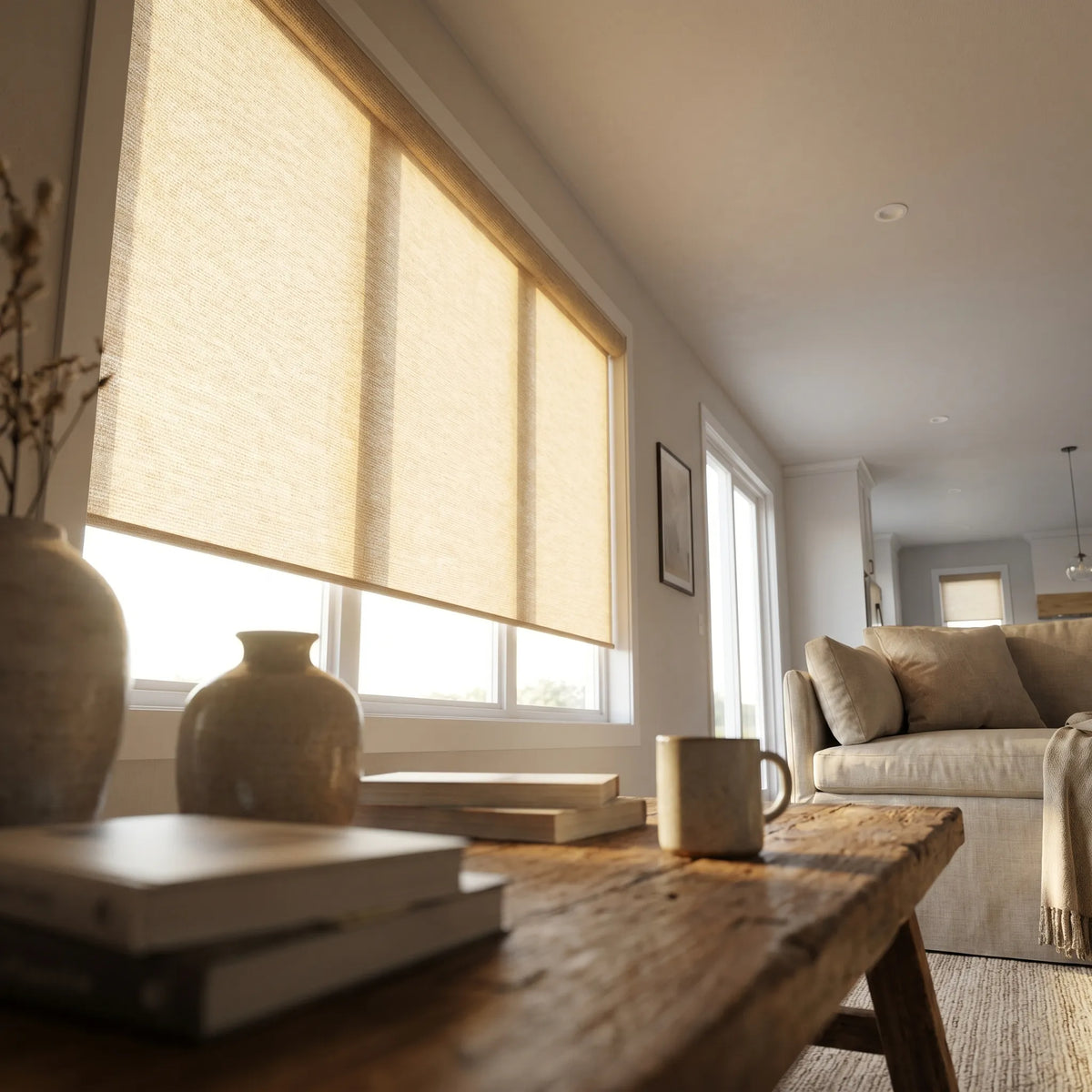
A light-filtering roller shade with 3% to 10% openness is the most popular choice for home libraries because it protects books while still allowing enough natural light to read comfortably during the day. These fabrics diffuse direct sun into a soft, even glow rather than blocking it completely, which reduces eye strain compared to reading under harsh, unfiltered sunlight.
If your library window faces south or west, a solar screen fabric with 1% to 3% openness offers stronger UV and heat blocking while preserving some view to the outdoors. These tighter-weave fabrics are ideal for rooms with floor-to-ceiling shelving positioned near the window, where even indirect light exposure over years can fade spines facing the glass. See our guide on best shades for south-facing windows for additional strategies if your library gets intense daily sun.
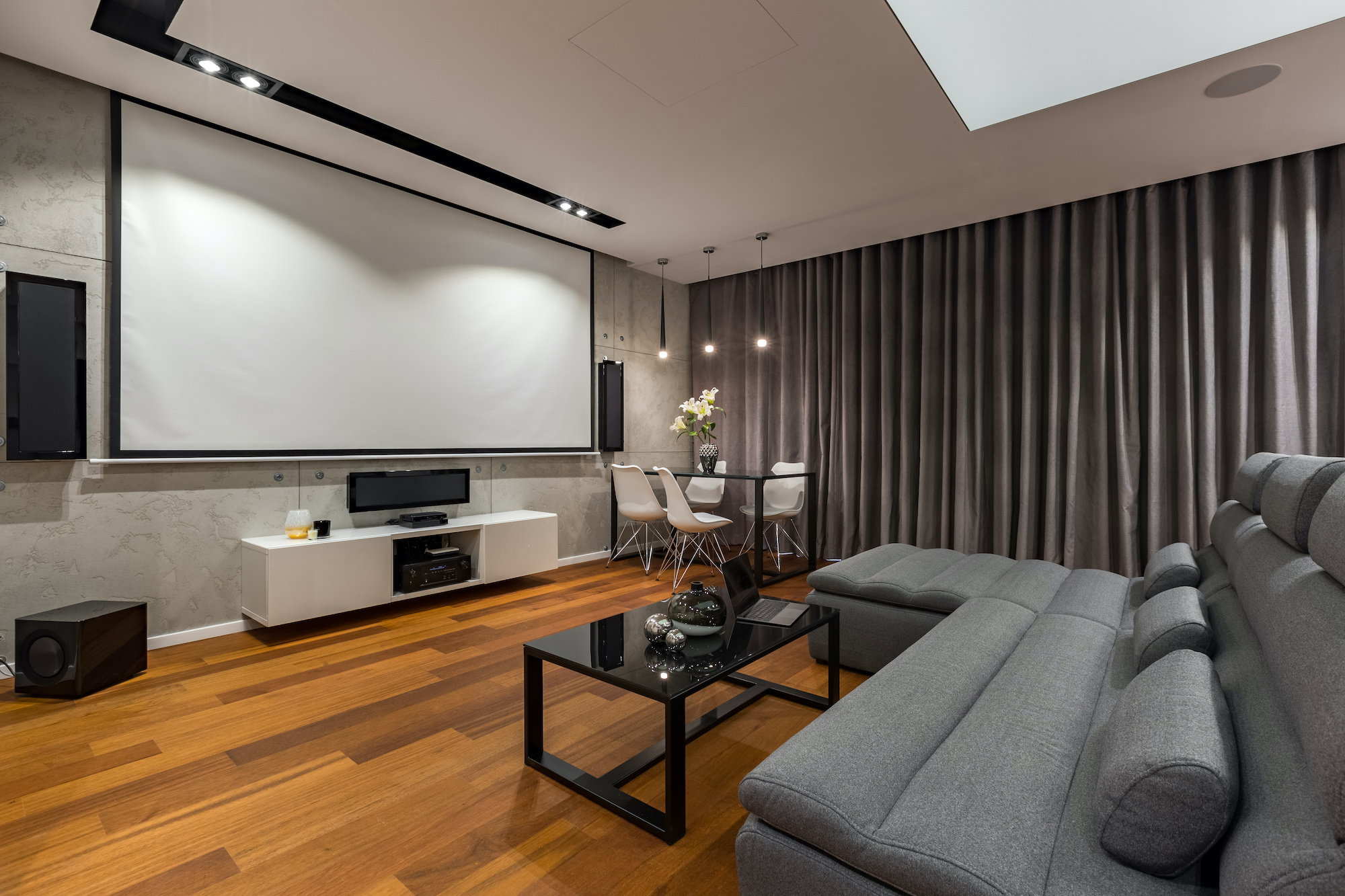
For libraries that double as a screening room, or for collections of especially valuable or light-sensitive materials, a full blackout fabric provides complete protection and total light control. Compare the tradeoffs in our blackout curtains vs. blackout shades guide, which explains why shades typically outperform curtains for consistent, gap-free coverage.
Get a quote from World Wide Shades to compare these three fabric categories side by side for your specific library layout and shelving placement.
Positioning Shelving and Shades Together
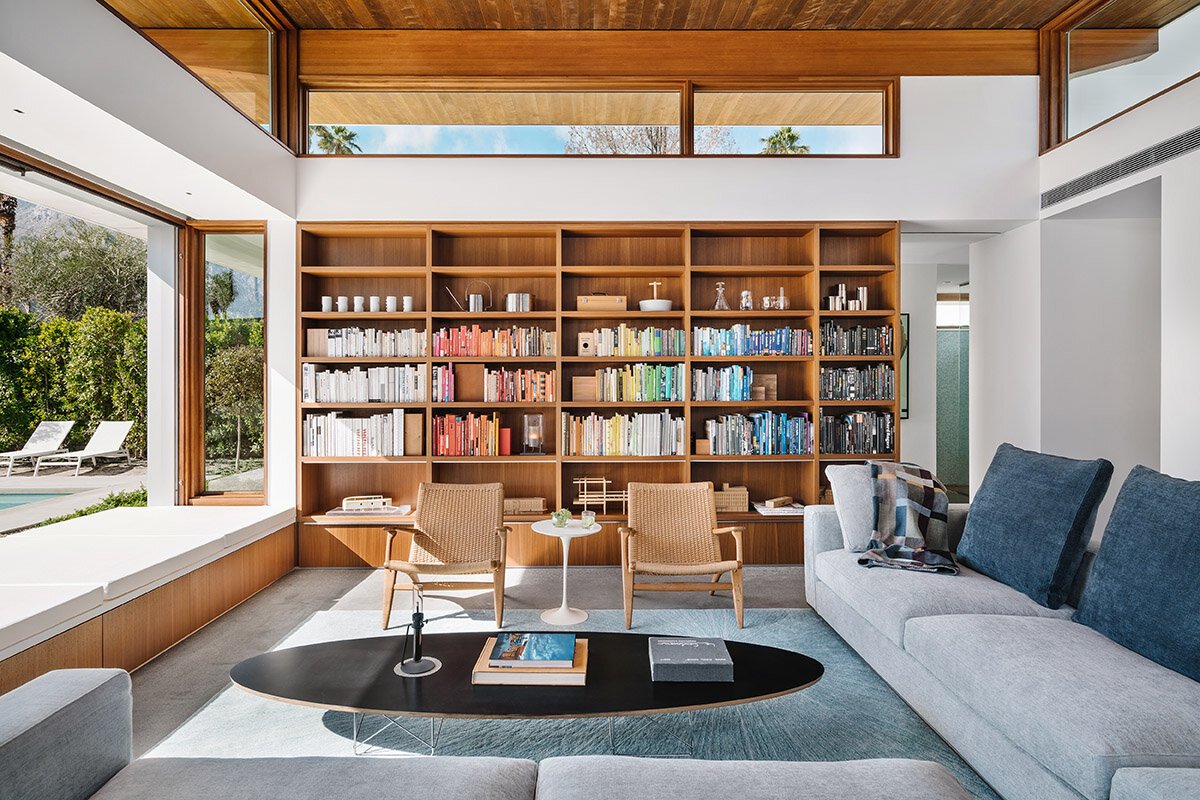
UV protection works best as a system, not just a single product. Even a highly rated UV-blocking shade can't fully protect books or art that sit in a direct sun path for hours each day. World Wide Shades recommends combining a quality shade with smart shelving placement — keeping your most valuable books and framed pieces away from direct window-adjacent walls, especially on south- and west-facing exposures.
If you're planning a new library build-out or renovating an existing room, our guide to custom shades for new construction covers how to plan window treatments alongside built-in shelving during the design phase, which is far easier than retrofitting later.
Color and Aesthetic Considerations for a Library
Home libraries tend to favor warm, traditional palettes — deep wood tones, leather furniture, and rich color schemes that roller shades should complement rather than compete with. Neutral fabrics in warm ivory, camel, or deep charcoal tend to blend most naturally with library shelving and reading chairs.
Our window shades color guide offers a detailed breakdown of which tones pair best with wood-heavy, traditional interiors. If your library leans toward a more textured, cozy aesthetic, the woven wood shades guide is worth comparing, though smooth roller fabrics generally provide superior UV protection compared to natural woven materials, which tend to have larger gaps between fibers.
Motorization for Hard-to-Reach Library Windows
Many home libraries feature tall windows, sometimes stretching two stories in a great-room-style library, that are difficult or impossible to reach with a manual chain. Motorized roller shades solve this with a remote control or smart home integration, letting you adjust light and UV exposure without a ladder.
Motorization is also useful for maintaining consistent protection — you can schedule shades to lower automatically during peak UV hours (typically late morning through mid-afternoon) even when you're not in the room to adjust them manually. Our guide to smart home motorized shades setup covers wiring and scheduling options, and motorized shades with Alexa and Google Home explains voice control integration if your library is part of a broader smart home system.
Design your shade with motorization built in, or call (844) 674-2716 to discuss automated scheduling for consistent UV protection throughout the day.
Cost Expectations for Home Library Roller Shades
Pricing depends on fabric UV rating, window height, and motorization:
- Standard light-filtering UV-blocking shade (up to 48 inches wide): approximately $120 to $210 per window.
- Solar screen fabric for sun-facing library windows: approximately $140 to $240 per window.
- Tall or two-story library windows: approximately $300 to $600 depending on height and hardware requirements.
- Motorized upgrade: adds roughly $150 to $300 per shade, often essential for hard-to-reach tall windows.
See our full breakdown in how much do custom roller shades cost for comparisons across room types. Because protecting a valuable collection depends on precise, gap-free coverage, custom roller shades outperform Home Depot or big-box alternatives in both fit and UV-blocking fabric quality.
Frequently Asked Questions
Yes. Quality roller shade fabrics block between 95% and 99% of ultraviolet radiation, which is the primary cause of fading and paper degradation in books and artwork. Even light-filtering fabrics that let visible daylight through can block nearly all UV rays, thanks to fiber treatments built into the fabric. World Wide Shades lists UV block ratings for every fabric option.
A light-filtering shade with 3% to 10% openness works well for most home libraries, balancing UV protection with enough natural light for comfortable reading. For rooms with intense direct sun or particularly valuable collections, a tighter 1% to 3% solar screen fabric offers stronger protection.
Yes. UV blocking is determined by the fiber treatment and weave density of a fabric, not by how much visible light it lets through. This means you can choose a sheer or light-filtering fabric and still get 95%+ UV protection without darkening the room significantly.
Motorized roller shades are the most practical solution for tall or two-story library windows, since manual chains are difficult or impossible to reach safely. World Wide Shades offers motorized options with app or remote control, and can schedule shades to lower automatically during peak UV hours. Call (844) 674-2716 to discuss your specific window height.
Quality fabrics rated 5 or higher on the ISO 105-B02 colorfastness scale resist fading for years even with daily sun exposure. World Wide Shades stocks fabrics that meet this standard, and every fabric includes a warranty covering fading and deterioration — order free swatches to compare fade-resistant options.
Costs typically range from $120 to $240 per standard window depending on fabric choice, with tall or two-story windows running $300 to $600 due to additional hardware and often motorization. Get a quote from World Wide Shades or call (844) 674-2716 for pricing based on your library's exact window dimensions.
Protect your books, art, and collectibles with UV-blocking roller shades from World Wide Shades. Design your shade online, order free fabric swatches to check UV ratings in person, or get a quote by calling (844) 674-2716 to speak with our team about the right fabric for your library.