Why home theaters demand true light control
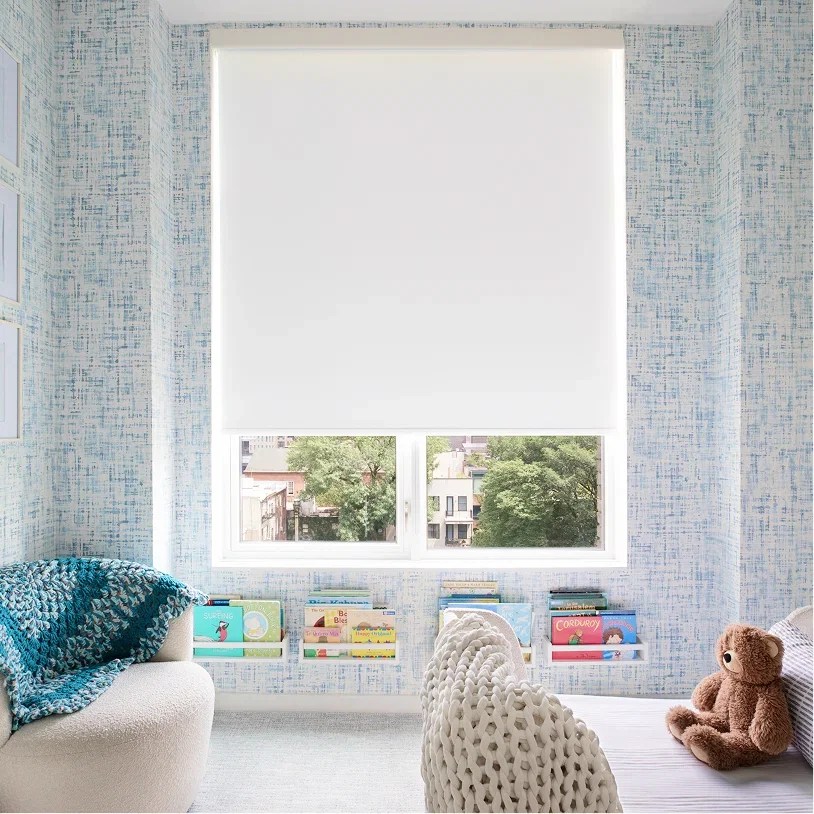
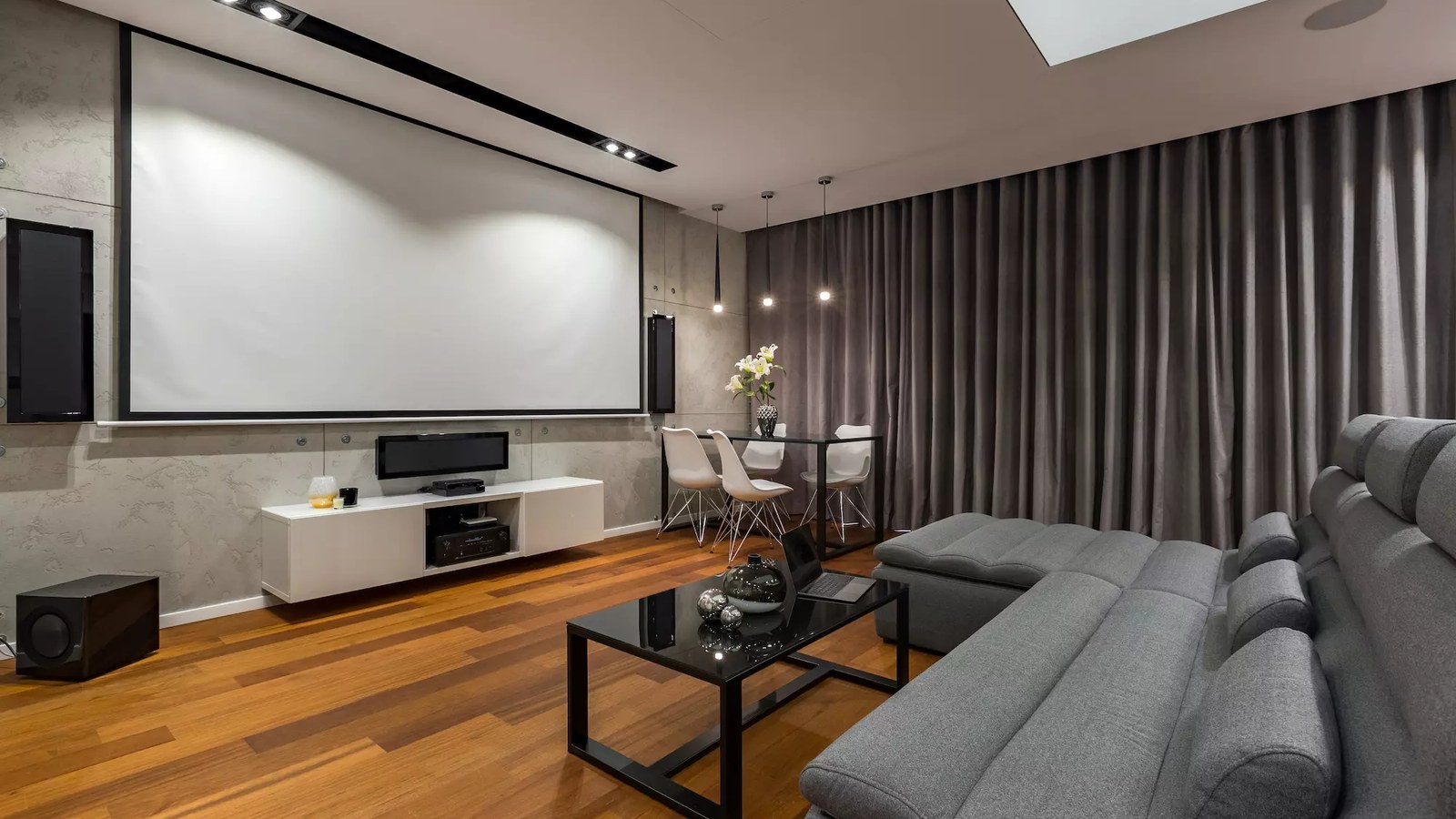
A home theater is all about contrast. Even small light leaks can wash out blacks and reduce perceived sharpness on a projector or TV. Roller shades are a strong foundation for theater light control because they can provide room-darkening or blackout performance with a clean, modern look.
To design a theater-ready shade setup around your window sizes and your screen type, start with the World Wide Shades configurator.
What “100% blackout” really means (and why details matter)
Blackout fabric blocks light through the material, but light can still enter around the edges.
For theater rooms, the goal is two-part:
- Blackout or room-darkening fabric to stop light through the shade.
- Mounting strategy to minimize edge gaps and top leaks.
If you want help choosing the right combination, contact World Wide Shades or call (844) 674-2716.
Best roller shade types for home theaters
Blackout is the standard for theaters because it helps you achieve deep blacks and high contrast, especially for projectors.
If you’re deciding between blackout curtains and shades, read Blackout Curtains vs. Blackout Shades.
Room-darkening is useful if the space is a mixed-use media room where you still want some daytime usability.
In a bright media room, some homeowners use a solar shade for daytime glare control and a blackout shade for movie mode.
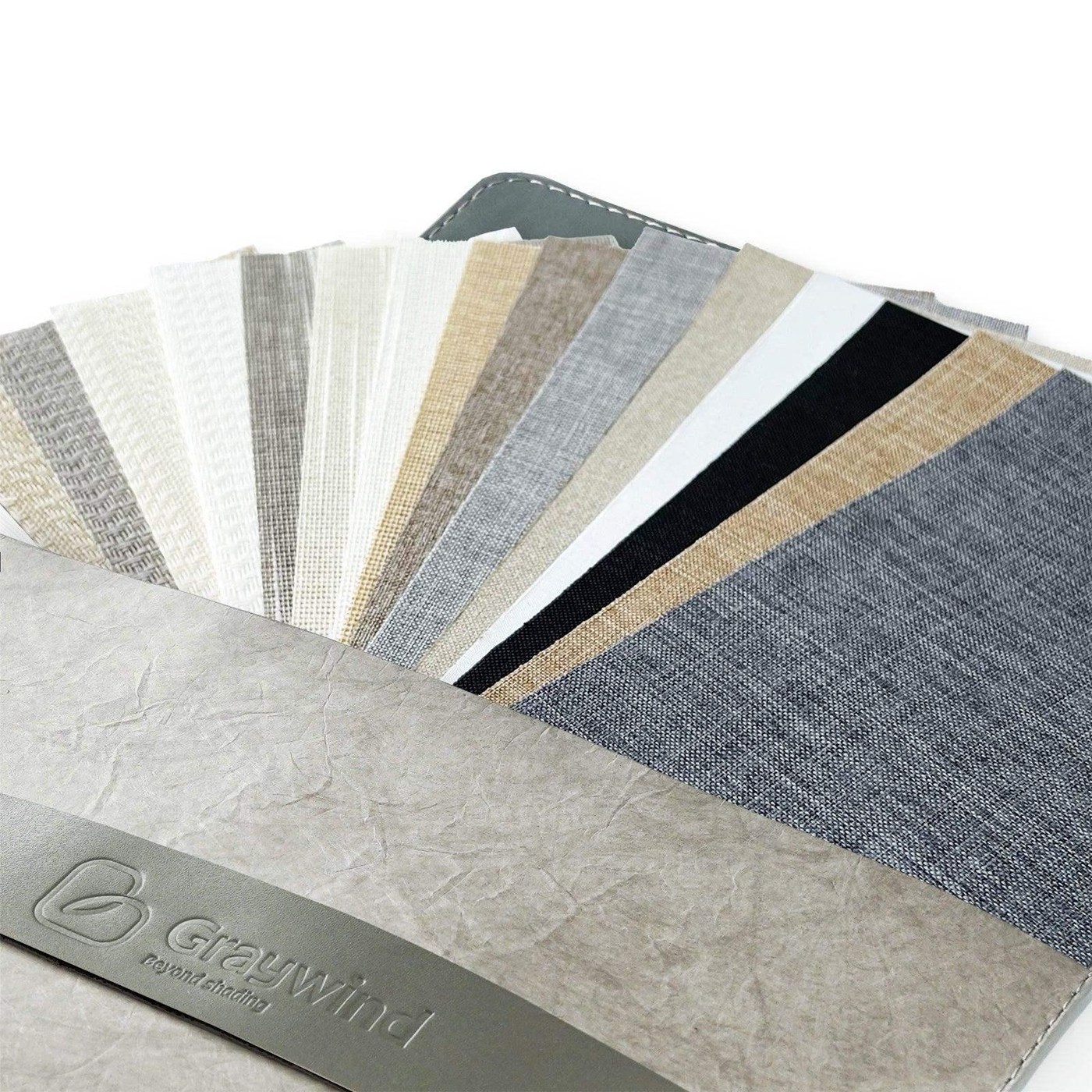
To explore layered strategies, request samples via World Wide Shades and compare in your room.
Light-gap control: the biggest difference-maker
Before ordering, stand in the room at noon and identify every light source:
- Side windows that reflect on the screen
- Door sidelights
- Transoms and small basement windows
The best home theater plans often use different solutions for different openings. World Wide Shades can help you map the room and choose fabrics per opening—start at World Wide Shades or call (844) 674-2716.
If you want the room as dark as possible, prioritize outside-mount coverage and top light control. Even small improvements can noticeably increase perceived contrast on a projector.
- Outside-mount often provides better coverage and reduces side gaps.
- Inside-mount looks built-in, but can allow more edge light depending on frame depth.
A valance can reduce light coming in above the roller tube and also makes the installation look finished. See Roller Shade Valance Options.
A slightly out-of-level shade can create larger-than-expected gaps.
For measuring and install fundamentals, use How to Install Roller Shades.
If you want a measurement check before ordering, reach out at World Wide Shades or call (844) 674-2716.
Motorization: presets for “Movie Night” and “Intermission”
Motorized blackout shades are extremely popular in theaters because you can control the room without leaving your seat.
Common theater presets:
- Movie Night: close all shades.
- Intermission: raise shades partially for snacks without full glare.
- Day Mode: solar/light-filtering position for casual use.
For smart-home integration, read Motorized Shades for Alexa and Google Home and Smart-Home Motorized Shades Setup.
To price motorized blackout shades for your windows, use the World Wide Shades configurator.
Best setups by theater type
Home theaters often double as quiet spaces. If you want to reduce outside noise, consider how fabrics and sealing affect the room. For broader strategies, see Noise-Reducing Window Shades.
Upstairs media rooms can get intense sun and heat. Pair blackout for movie mode with a daytime solution; for glare-first spaces, compare with Roller Shades for TV Rooms.
Projectors benefit the most from blackout. Prioritize strong edge control and consider outside-mount for coverage.
If the room is used all day, room-darkening may be enough—especially if you mainly fight reflections. For general glare strategy, see Best Roller Shades for Living Rooms.
Even small windows can leak light directly onto a screen. Blackout shades provide clean coverage without heavy drapes.
Coordinating theater shades with overall home style
A home theater can still look like part of the home. Choose colors that complement walls and acoustic panels. For color guidance, see Window Shades Color Guide.
If your theater includes adjacent spaces like an office or sunroom, coordinate shade styles across rooms using the World Wide Shades tool.
Coordinating theater blackout with the rest of the home
If your theater is near a living room, hallway, or office, you may want consistent shade styles even if the fabrics differ.
- Use blackout in the theater.
- Use solar or light-filtering in adjacent spaces for daytime comfort.
For adjacent-room strategies, compare with Roller Shades for Home Offices and Roller Shades for TV Rooms.
World Wide Shades can help you coordinate multiple rooms with a unified look—start in the World Wide Shades configurator.
Getting the most contrast from your projector
Even with blackout shades, room surfaces matter. Darker wall colors and minimizing reflective surfaces improves perceived contrast. Shades are the first step because they control the biggest variable: daylight.
If you need help choosing blackout performance levels and mounting, contact World Wide Shades or call (844) 674-2716.
Theater checklist: the five details that most affect picture quality
- Blackout level: choose true blackout when using a projector.
- Edge coverage: outside-mount typically reduces side light.
- Top light control: consider valances for the headrail area.
- Automation: presets keep the room consistent.
- Surface reflections: darker finishes improve perceived contrast.
If you want help turning this into a room-by-room plan, contact World Wide Shades or call (844) 674-2716.
Pairing theater shades with other performance goals
If your theater is also a quiet space, pair blackout planning with Noise-Reducing Window Shades. If the room runs hot from equipment, consider how fabrics and schedules can reduce daytime heat.
World Wide Shades can help you coordinate these priorities in the World Wide Shades configurator.
FAQ: blackout roller shades for home theaters
Higher lumens help, but ambient light still reduces contrast. Blackout shades typically improve image quality regardless of projector brightness.
Some edge light is common with standard roller designs. Outside-mount, valances, and careful measuring can reduce gaps significantly.
Yes. Motorization allows presets and scheduling, and smart-home systems can trigger “movie mode” routines.
Darker colors often reduce reflected light in the room. However, the best choice depends on wall color and whether the room is used for non-theater activities.
Yes. Some media rooms use solar shades for daytime glare reduction and blackout shades for full theater performance.
Build a theater-ready blackout plan
World Wide Shades can help you choose blackout performance, mounting style, and motorization for a true home theater. Start in the World Wide Shades tool, request samples at World Wide Shades, or contact World Wide Shades or call (844) 674-2716.
Outside-mount is often better because it can cover the opening more fully and reduce side gaps that leak light.
Most modern motor systems are designed to be relatively quiet, and you can close shades before the movie starts using a preset.
Yes. Blackout and room-darkening fabrics reduce overall brightness and can reduce reflections, especially when combined with good coverage and careful mounting.
Planning window coverage when the theater has doors and transoms
Many media rooms have door glass, transoms, or sidelights that leak light from unexpected angles.
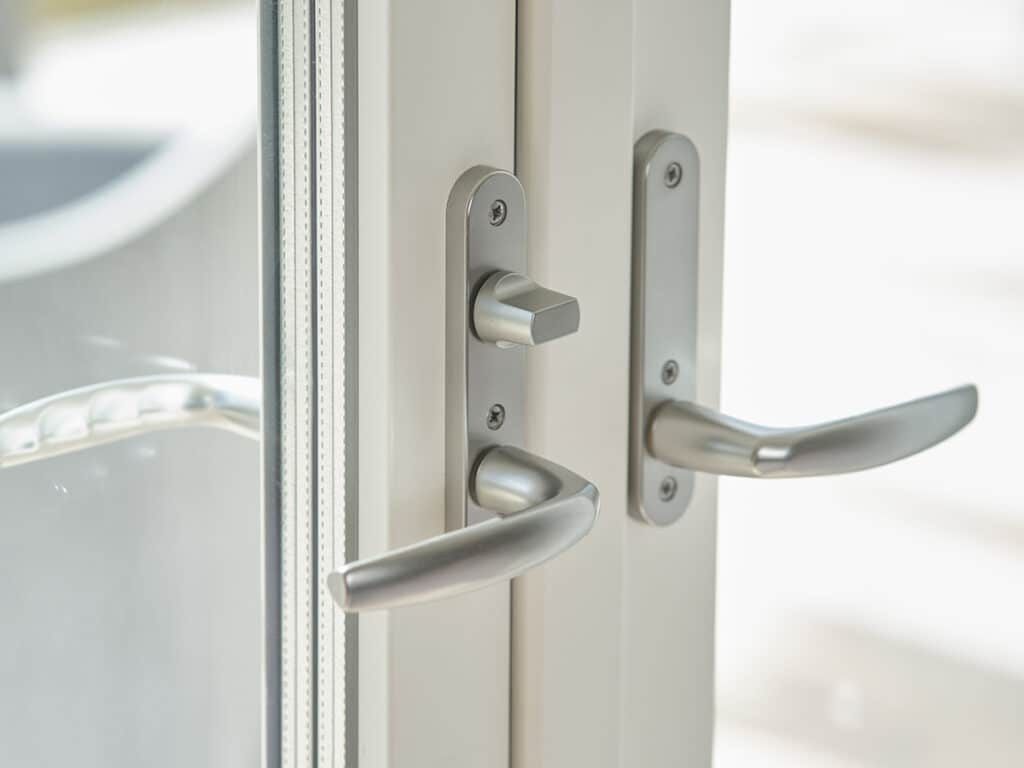
If your theater door has sidelights, treat them like small windows: prioritize coverage and consider room-darkening or blackout depending on how much light leaks in.
High windows can wash out a projector even if they’re small. Motorization is often the most convenient way to control these openings.
World Wide Shades can help you design a multi-opening plan with consistent style—start in the World Wide Shades tool, request samples at World Wide Shades, or call (844) 674-2716.
When to consider two-layer control (day mode + movie mode)
If the room is used all day, you don’t always want full blackout. A two-layer plan can be practical:
- Day mode: solar or light-filtering lowered to reduce glare.
- Movie mode: blackout for full contrast.
For the daylight-glare perspective, compare with Roller Shades for Dens and TV Rooms.