Why home offices need different window-shade priorities
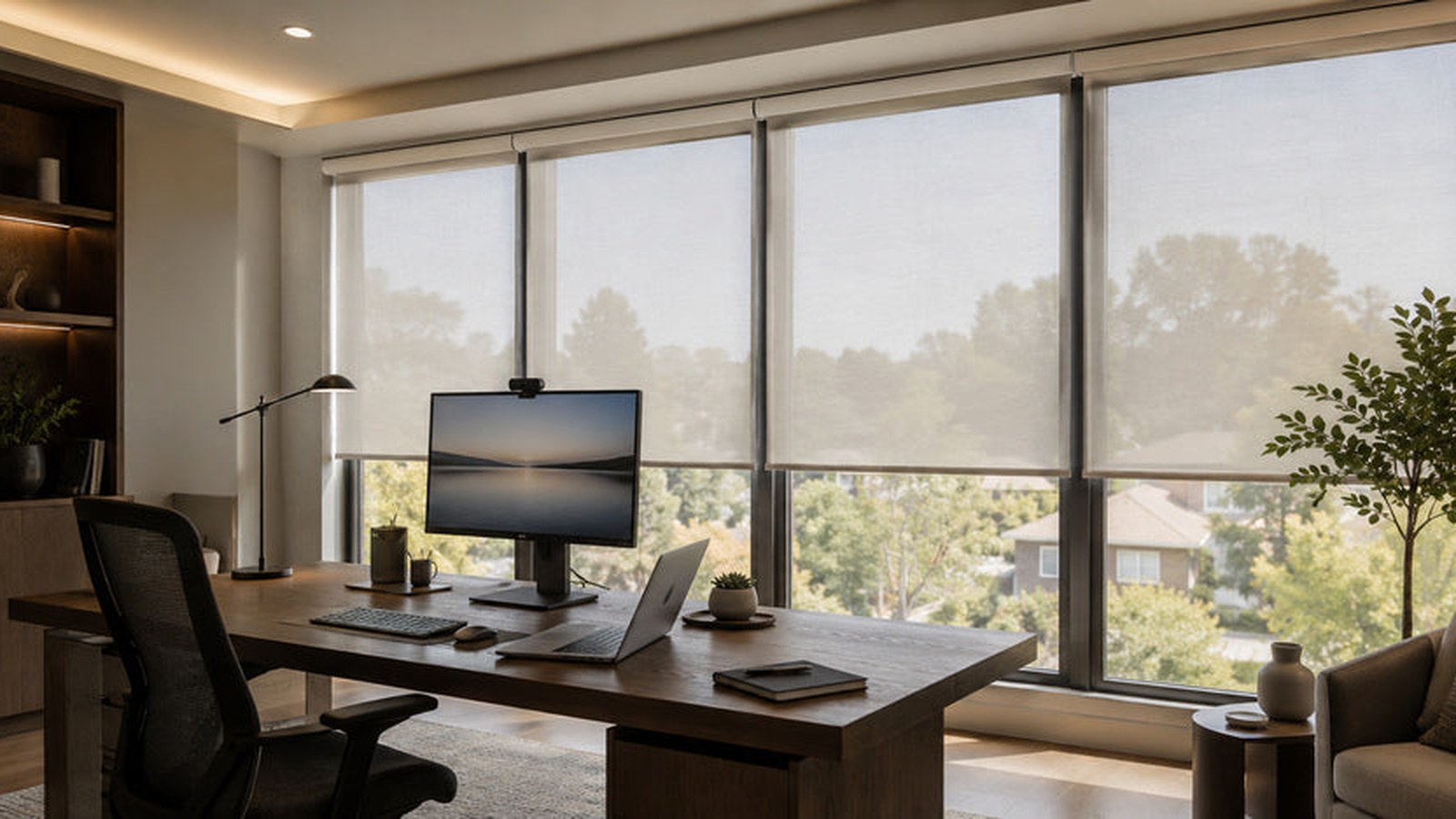
A home office is a lighting problem, a camera problem, and a comfort problem at the same time. Roller shades work especially well here because they can reduce screen glare without turning the room into a cave, and they can add privacy without bulky stacks that crowd a desk.
If you want help choosing a fabric, openness level, or motorization setup for your exact windows, start with the World Wide Shades custom shade builder.
The three glare problems that wreck productivity (and how shades fix them)
Even a small sun patch can force you to crank brightness and still squint. A properly chosen solar or light-filtering roller shade spreads that light into a softer, more uniform glow so your eyes do less work.
Side light often looks “fine” in person but shows up as harsh reflections on glossy displays. A roller shade with the right openness percentage can reduce the contrast between the window and your screen.
If the window is behind you, your webcam will overexpose the background and underexpose your face. A light-filtering or solar shade behind your desk can cut backlight while still keeping the space bright enough for long work sessions.
For a fast recommendation based on orientation and time-of-day sun, contact the World Wide Shades team at World Wide Shades or call (844) 674-2716.
Picking the right shade type for a home office
Solar fabrics are designed to reduce glare and UV while preserving outward view. In a home office, they’re a strong choice when you want daylight and visibility, especially for screens.
- 1%–3% openness: maximum glare control and UV reduction, best for bright exposures and large windows.
- 5% openness: balanced daylight + view, common for mixed sun conditions.
- 10% openness: best view but less glare reduction; works when the window isn’t in the direct sun path.
If you work near a window and want daylight without the squinting, World Wide Shades can help you pick the openness that matches your exposure using the World Wide Shades program.
Light-filtering fabrics soften the entire room. They’re ideal if your office feels like a light box in the afternoon, or if you want a more “studio” look for video calls.
Blackout is not the default for offices, but it’s excellent when you need full control for presentations, midday sleep (for shift work), or when the office is also a guest room.
For blackout comparisons, see Blackout Curtains vs. Blackout Shades and then build your configuration in the World Wide Shades tool.
Fabric and performance specs that matter in an office
Openness is the “hole size” of a solar fabric. Lower openness blocks more light and glare. Higher openness keeps more view.
A practical way to choose:
- East-facing offices often need lower openness for morning sun.
- South-facing offices often benefit from stronger glare and heat control; see Best Shades for South-Facing Windows.
- North-facing offices usually can use higher openness because the light is more consistent.
Sunlight doesn’t just affect comfort; it also fades floors, books, and furniture finishes over time. For a deeper dive, read UV Protection Window Shades.
If your office runs hotter than the rest of the house, solar fabrics and light-filtering fabrics can reduce solar heat gain while keeping the room usable.
If energy savings are the priority, pair your office plan with ideas from Energy-Efficient Window Shades.
Measuring and mounting for a clean “workday” look
A shade that rubs trim, leaks light, or looks crooked will bother you every day. The good news: roller shades are straightforward to measure and install.
- For a step-by-step measuring approach, use How to Install Roller Shades.
- For renters, see Roller Shades for a Rental Apartment.
If you want a second set of eyes before ordering, the World Wide Shades team can review your measurements—start at World Wide Shades or call (844) 674-2716.
Motorization for home offices: quiet, repeatable light control
Motorized shades are one of the best upgrades for office productivity because they keep lighting consistent throughout the day.
- You take multiple video calls a day and need repeatable lighting.
- Your windows are hard to reach behind a desk setup.
- You want scheduled light control for deep work blocks.
For smart-home integration, see Motorized Shades for Alexa and Google Home and Smart-Home Motorized Shades Setup.
To explore motorized options with your exact sizes, use the World Wide Shades configurator.
The best configurations by real home office scenario
You’re staring into brightness. Favor lower openness (1%–3%) or a light-filtering fabric, and consider a darker color for better glare control.
You’ll get monitor reflections. A 3%–5% solar shade often balances view and glare.
A light-filtering or solar shade behind you can reduce background brightness so your face is properly exposed.
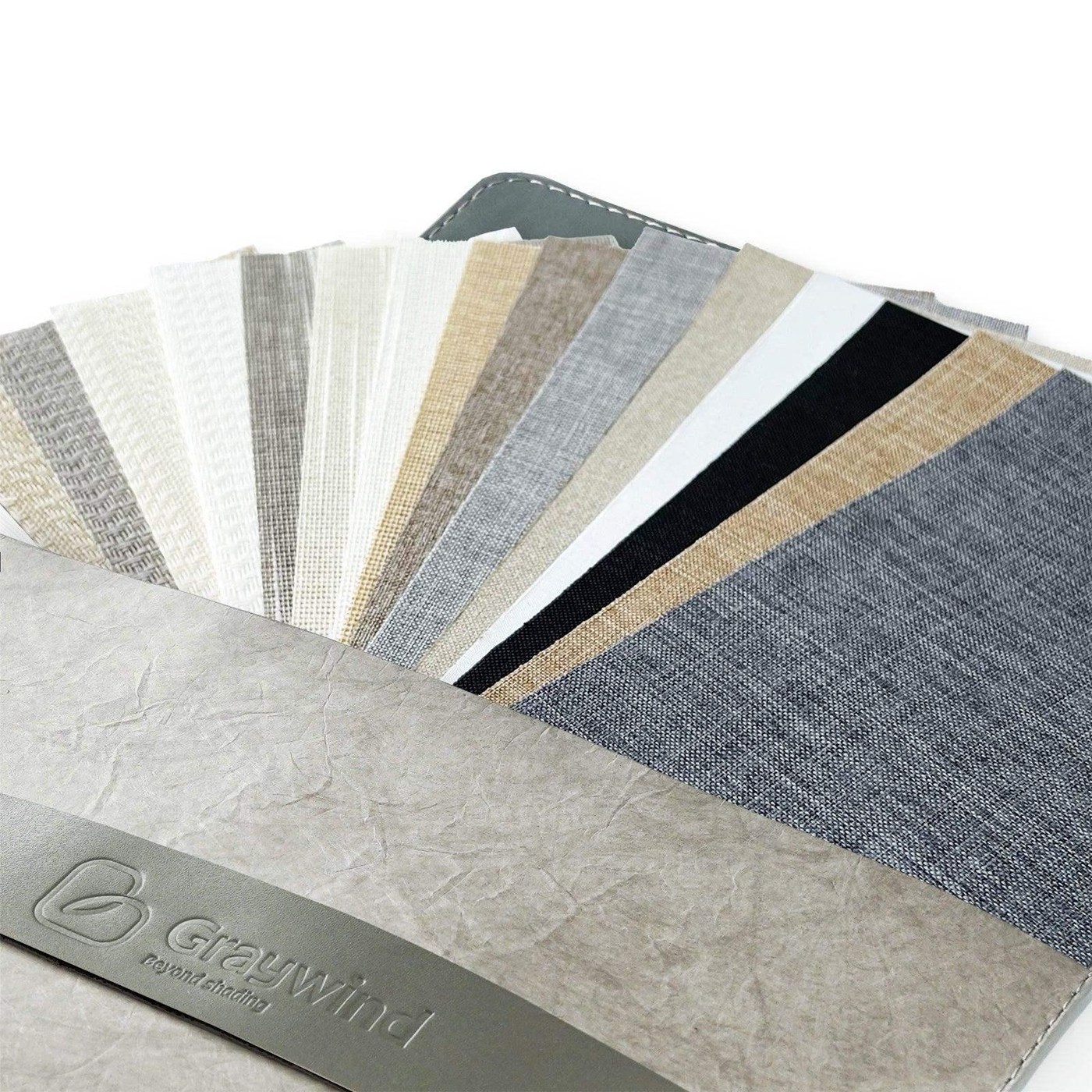
If you want the quickest path to a “camera-ready” office, order fabric samples from World Wide Shades.
Design choices that keep your office feeling professional
A neutral shade that blends into the wall looks calmer on camera. If you’re unsure, review Window Shades Color Guide.
A valance can hide the roller hardware and make the whole setup look built-in. For options, read Roller Shade Valance Options.
A practical “video call lighting” setup with roller shades
If you want a consistent look on camera, aim for soft, even light on your face and a background that isn’t blown out.
- Ideal: desk perpendicular to the window so light comes from the side, not from behind you.
- Second best: desk faces the window with a lower-openness solar shade to reduce peak brightness.
With motorized shades, many World Wide Shades customers set two simple presets:
- Focus Work: shade lowered to reduce glare but keep daylight.
- Video Call: shade lowered slightly more to balance background brightness.
To build presets into your quote, start in the World Wide Shades configurator or call (844) 674-2716.
Noise, privacy, and “office vibe” upgrades
A home office is also a privacy boundary.
- If outside noise is an issue, review Noise-Reducing Window Shades.
- If pets share your office, see Pet-Friendly Window Treatments.
World Wide Shades can help you combine glare control with privacy and comfort—request samples at World Wide Shades.
FAQ: home office roller shades
For most bright home offices, 3%–5% solar fabric openness is a strong starting point because it reduces glare while keeping usable daylight and some view.
They can be if you rely on daylight, but blackout is excellent if your office doubles as a guest room, if you do projection work, or if you need full control for shift-work sleep.
They can. Reducing peak brightness and reflections lowers visual stress over long sessions, especially when your monitor is near a sunny window.
Inside-mount looks cleaner if you have depth and square frames. Outside-mount can reduce side light gaps and is helpful when your trim isn’t perfectly square.
Yes. With motorization you can set presets (for example, “Focus Work” and “Video Call”) and schedule adjustments through the day.
A neutral that matches your wall color typically looks best on camera and avoids bright hotspots. Ordering samples from World Wide Shades helps you confirm in your actual lighting.
Ready to build a better home office?
World Wide Shades can help you choose the right openness, fabric, and control style for your exact windows. Start your custom order in the World Wide Shades tool, request samples at World Wide Shades, or talk to an expert at World Wide Shades or call (844) 674-2716.
Treat the glare source, not the whole room. A lower openness fabric on the problem window (or an outside-mount for better coverage) often fixes the reflection without making the room too dark.
Yes. Solar fabrics are designed to preserve outward visibility, especially during the day. Lower openness reduces light more, but you typically still keep a usable view.