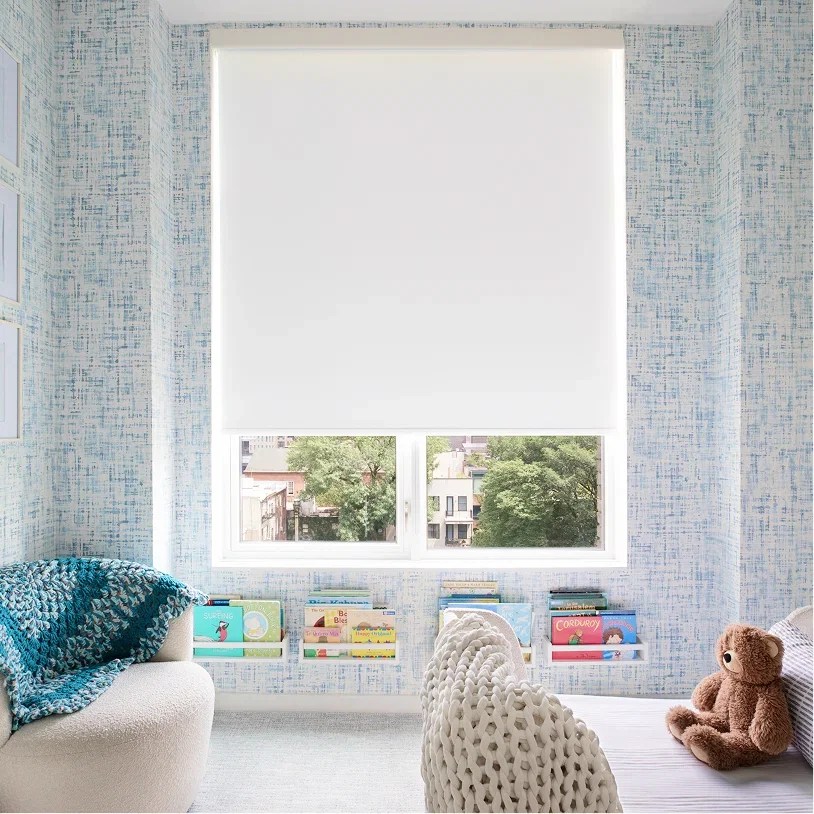
Why casement windows make shade selection tricky
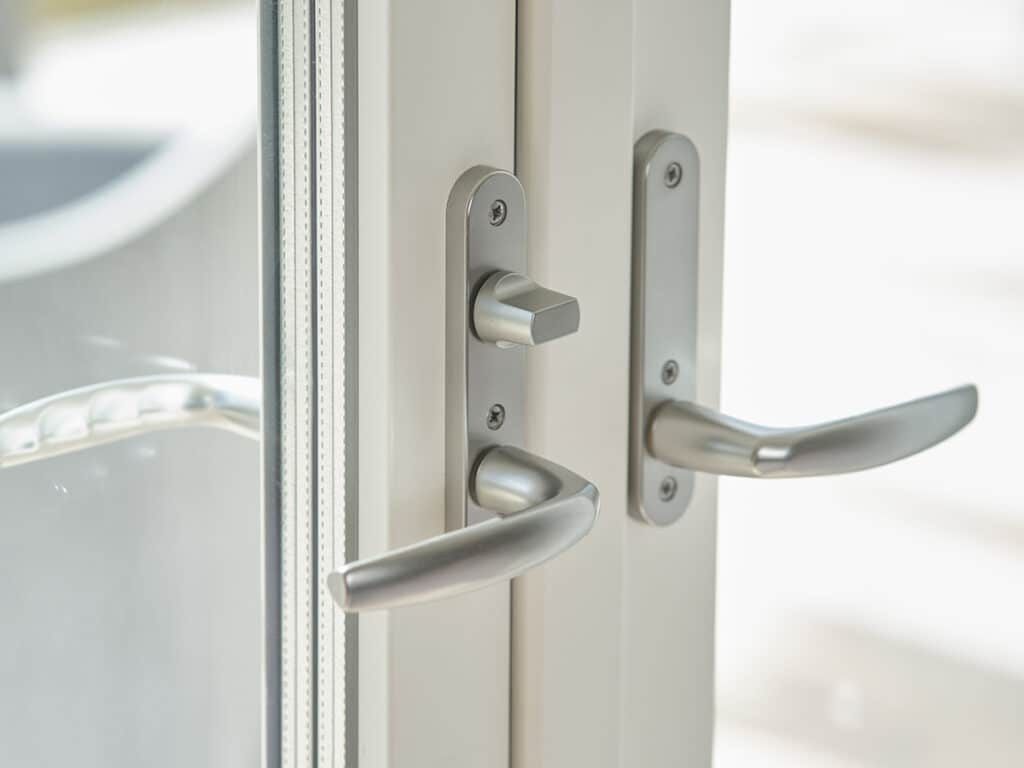
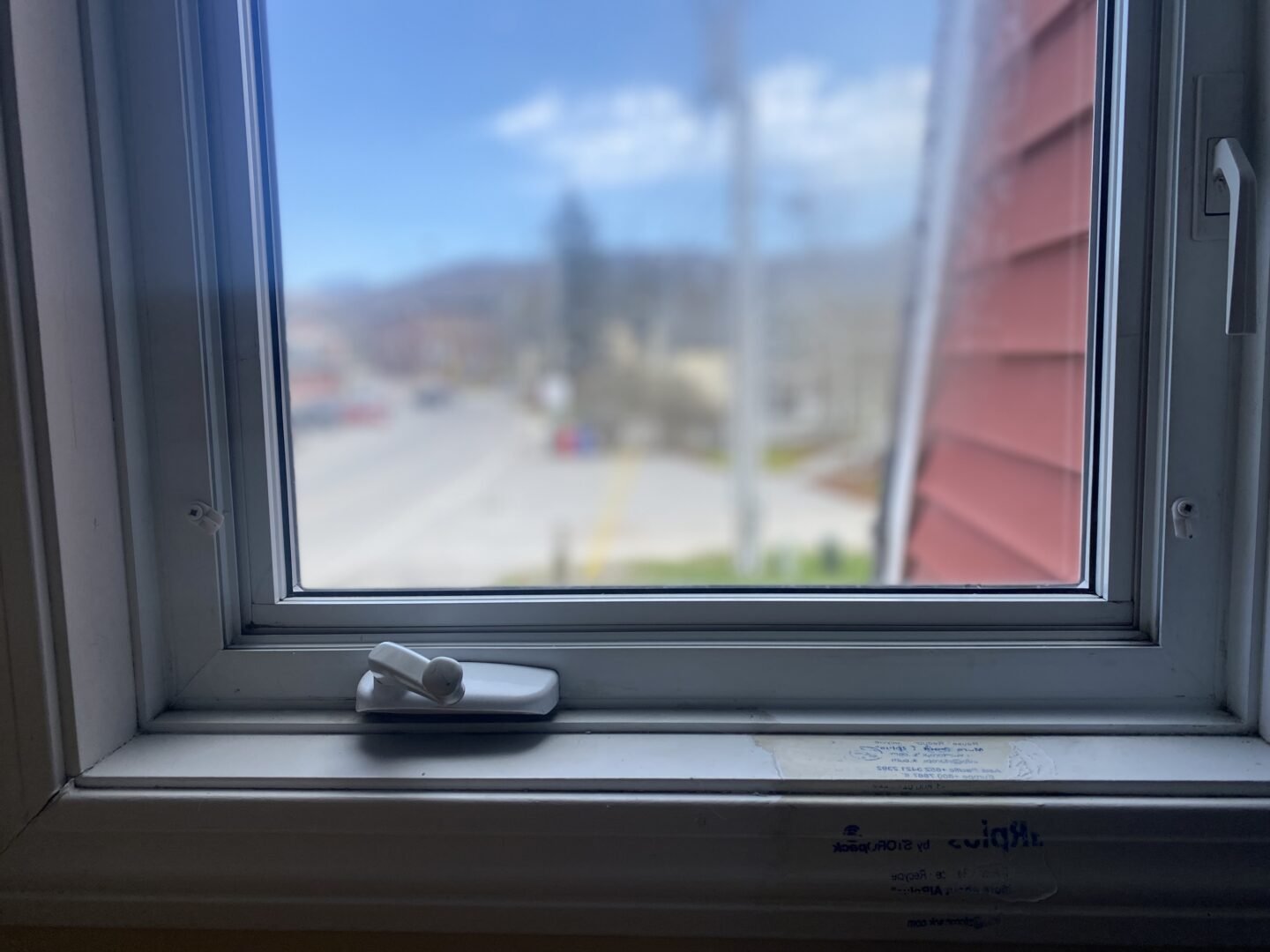
Casement windows are popular because they seal tightly and swing open like a door, but that same design creates a unique obstacle: the crank handle and operator hardware often sticks out 1–3 inches from the frame.
That projection can:
- Collide with an inside-mounted roller shade hembar.
- Force the shade to sit too far forward, creating bigger light gaps.
- Make cordless shades harder to grab and operate.
If you want a clean, modern look without fighting the crank every day, the goal is simple: plan your mount so the shade clears the hardware at every point in its travel.
If you’d like help choosing the right mount for your exact window, start with World Wide Shades and price options in our online builder.
Quick terminology (so measurements are crystal clear)
Before you measure anything, it helps to align on a few terms.
- Inside mount: shade brackets install within the window frame (or jamb).
- Outside mount: brackets install above/around the trim or on the wall.
- Crank projection: distance the handle/operator sticks out from the mounting surface.
- Stand-off brackets: brackets that push a shade forward away from obstacles.
- Reverse roll: fabric rolls off the front of the tube (often used to clear handles).
World Wide Shades can walk you through inside vs. outside mount tradeoffs; contact our team at (844) 674-2716 or use the contact page if you want a quick recommendation.
The #1 rule: design for crank clearance first, aesthetics second
For casement windows, clearance is the constraint that determines everything else.
A practical planning rule that works in most homes:
- Measure crank projection (often 1–3 inches).
- Add at least 1/2 inch safety margin.
- Choose a mounting method that keeps the moving parts of the shade (hembar and fabric) outside that zone.
That safety margin matters because shades don’t travel perfectly flat. Fabrics can “belly” slightly, and hem bars can tilt if the window isn’t perfectly square.
If you’re unsure, World Wide Shades can help you confirm the best mount in our online builder and match fabrics using swatches.
Option A: Outside mount roller shades (the most reliable solution)
Outside mount is usually the easiest way to avoid crank interference.
Outside mount typically works best if:
- The crank protrudes far into the opening.
- Your window frame depth is shallow.
- You want better light control by covering more than the glass.
A common outside-mount layout is:
- 1.5–2 inches overlap on each side of the glass for improved privacy.
- 2–4 inches above the glass to hide brackets and allow full lift.
If you’re planning blackout in a bedroom, you’ll want to think about side gaps too. See our guide to minimizing light leaks in blackout curtains vs blackout shades.
If the crank is still close to where the fabric will hang, you can:
- Use a stand-off bracket to move the shade forward.
- Choose reverse roll so the fabric falls away from the window hardware.
World Wide Shades can help you select the right bracket depth; call (844) 674-2716 or start at /builder.
Option B: Inside mount roller shades (possible, but measure carefully)
Inside mount looks streamlined, but it only works if the shade can sit far enough back (or high enough) to clear the crank.
For casement windows, you’re checking two separate clearances:
- Bracket depth: do you have enough flat depth for secure mounting?
- Travel clearance: will the hembar pass the crank without hitting it?
A practical way to test travel clearance:
- Hold a straight edge vertically where the shade fabric would hang.
- Close the window and rotate the crank through its full range.
- Confirm there’s at least 1/2 inch of clearance throughout.
If your depth is marginal, outside mount is usually the better experience long-term.
For a broader look at mounting tradeoffs, read inside mount vs outside mount shades.
Option C: Reverse roll (a simple trick that often fixes crank interference)
Reverse roll changes how the fabric drops.
With a standard roll, fabric typically drops close to the glass. With reverse roll, fabric drops forward, which can:
- Keep fabric from rubbing on crank bases.
- Reduce the chance the hembar clips the handle.
- Make the shade easier to grab on a deep frame.
Reverse roll is especially helpful when you want an inside mount look but need a little extra clearance.
To explore reverse roll options with your fabric selection, use World Wide Shades swatches and then build your order in /builder.
Option D: Dual shades for casement windows (day + night control)
Some casement windows face bright afternoon sun and also need privacy at night. A dual (day/night) roller setup can be a strong solution.
- A solar shade (1–5% openness) reduces glare while preserving the view.
- A blackout or room-darkening shade handles nighttime privacy.
For a deeper breakdown of how solar fabrics work, see solar shades vs roller shades.
World Wide Shades can help you match openness factors to the room; start with /builder or call (844) 674-2716.
Fabric and hardware choices that work better on casement windows
Casement windows reward simple, predictable operation.
- Cordless is clean and kid-friendly, but can be harder to grab if the crank crowds the opening.
- Chain/clutch is precise for frequent adjustments; just make sure the chain side doesn’t interfere with the operator.
- Motorized is the easiest day-to-day (especially for hard-to-reach casements behind sinks or furniture).
If you’re comparing motorized options, see motorized shades Alexa Google Home for a smart-home overview.
Heavier fabrics can hang straighter, which sometimes helps keep the hembar from drifting into hardware.
If you’re trying to balance durability and cost, our material overview in best fabrics roller shades is a good starting point.
Step-by-step measuring for casement windows (fast, repeatable)
Accurate measurement is what prevents crank collisions.
Measure the visible glass (not the frame). This helps you plan overlap.
Measure depth at the top where brackets would sit. Check multiple points because casement frames can be uneven.
Measure how far the crank protrudes from the surface you want to mount to.
Then rotate the handle through full motion and confirm the “maximum projection” during rotation.
- For inside mount, order to fit the frame with manufacturer deductions.
- For outside mount, size to cover the glass + desired overlap.
If you want the full measuring workflow, our detailed guide is here: how to measure windows for roller shades.
If you prefer a guided approach, World Wide Shades can confirm your numbers through /contact.
Installation tactics: small adjustments that make a big difference
Even with the right shade, a few install tweaks can prevent problems.
Mounting the shade a bit higher can move the hembar path away from the crank, especially if the crank sits lower on the frame.
If your window has thick trim or a protruding stool, spacers can keep the shade plumb.
Before fully tightening screws:
- Hang the shade.
- Drop it to the bottom.
- Rotate the crank fully.
Make adjustments before final torque.
For a general roller installation walkthrough, see how to install roller shades.
If you want professional help, World Wide Shades can assist via /contact and at (844) 674-2716.
Common casement-window problems (and fixes)
Fixes:
- Switch to outside mount.
- Add stand-off brackets.
- Use reverse roll.
Fixes:
- Move fabric forward with reverse roll.
- Increase standoff.
- Consider a slightly heavier fabric or a more rigid hembar.
Fixes:
- Shim brackets during install.
- Use outside mount to “reset” alignment to the wall/trim plane.
If you’re troubleshooting other roller issues, our guide on jammed shades may help: roller shade stuck wont go up troubleshooting.
When to choose a different window treatment for casements
Roller shades are a great fit for most casements, but there are scenarios where another option is better.
- If the crank and locks take up a lot of space, a cellular shade can sometimes “float” past hardware.
- If you need extreme blackout, adding side channels can outperform standard rollers.
For comparisons, see roller shades vs cellular honeycomb shades.
Getting the best result with World Wide Shades
The fastest path to a casement-window solution is:
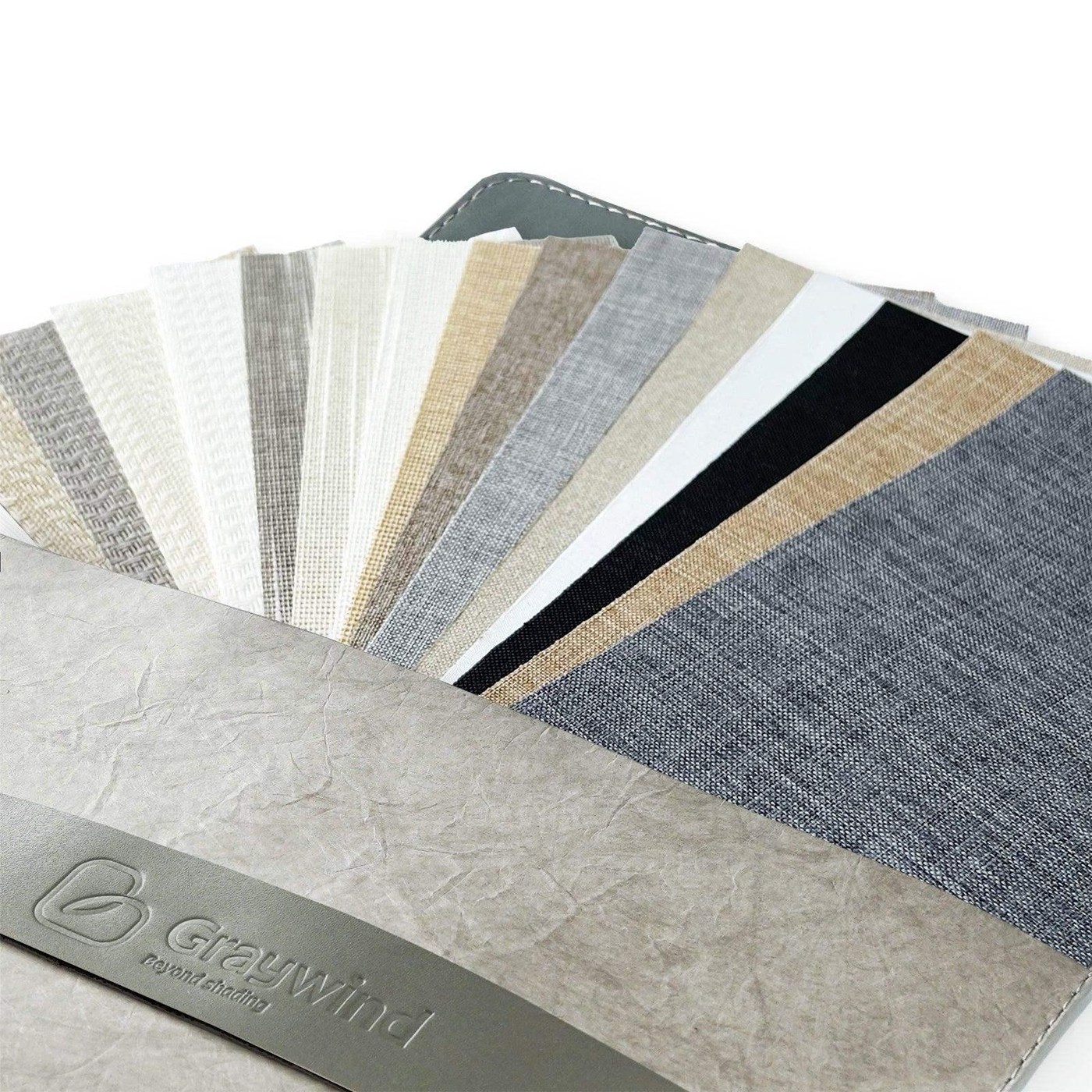
- Order a few swatches to confirm color and opacity in your lighting.
- Build your shade in the World Wide Shades online builder and choose the right mount.
- If you want eyes on your measurements, call (844) 674-2716 or reach out via /contact.
World Wide Shades can recommend reverse roll, bracket offsets, and fabric options so your casement windows operate smoothly.
FAQs: roller shades for casement windows
Yes—roller shades work well on casement windows as long as the mount provides enough clearance for the crank and operator hardware.
A practical target is crank projection plus at least 1/2 inch extra space so the shade doesn’t rub when fabric shifts slightly.
Outside mount is usually the most reliable for crank clearance, while inside mount can work if frame depth and hardware placement allow it.
Reverse roll makes the fabric drop from the front of the tube, which often keeps it farther from cranks and helps prevent rubbing.
Yes. Motorization is a great choice for casements, especially behind sinks or furniture, and it avoids daily hand contact near hardware.
Use the World Wide Shades online builder and, if needed, send your measurements through /contact for confirmation before ordering.